


“Rome did not simply witness Jewish history. It became one of the places where Jewish history was forever changed.”
More Than the Eternal City
Rome is often called the Eternal City, a place where nearly three thousand years of history stand layered one upon another. Visitors arrive to marvel at the Colosseum, the Pantheon, the Roman Forum, the Vatican, and the masterpieces of the Renaissance. They come searching for emperors, gladiators, saints, and artists.
Yet hidden within this magnificent city is another story—one that few guidebooks tell completely.
It is the story of Europe’s oldest continuous Jewish community.
For more than 2,200 years, Jews have lived in Rome without interruption. They arrived when the Roman Republic was still expanding across Italy. They witnessed the rise of Julius Caesar, the birth of the Roman Empire, the destruction of the Second Temple, the emergence of Christianity, the rule of medieval popes, the arrival of Sephardic refugees fleeing Spain, the unification of Italy, the horrors of the Holocaust, and the rebirth of Jewish life in modern Europe.
Very few Jewish communities can claim such continuity.
The great academies of Babylonia disappeared centuries ago. The flourishing communities of medieval Spain were scattered after 1492. The vibrant centers of Eastern European Jewry were devastated during the Holocaust.
Rome remained.
Its survival is remarkable not because it escaped suffering, but because it endured despite it.
For Sephardic Jews, Rome holds a special place. Although its Jewish community long predates the expulsion from Spain, the arrival of Sephardic refugees during the late fifteenth and early sixteenth centuries forever enriched Roman Jewish life. They brought the scholarship of Toledo, the melodies of Andalusia, commercial connections that stretched across the Mediterranean, and family traditions that had survived centuries of Jewish life in Iberia. Rather than replacing the ancient Roman Jewish community, they became part of it, creating a cultural tapestry unlike anywhere else in the Jewish world.
To understand Jewish Rome is to understand both continuity and change.
It is the story of an ancient community that never disappeared and of newcomers who transformed it without erasing its past.
Our journey begins not inside the Great Synagogue, nor within the narrow streets of the former Ghetto, but among the ruins of an empire that unknowingly preserved the memory of the very people it sought to conquer.
Before the Arch of Titus: The First Jews of Rome
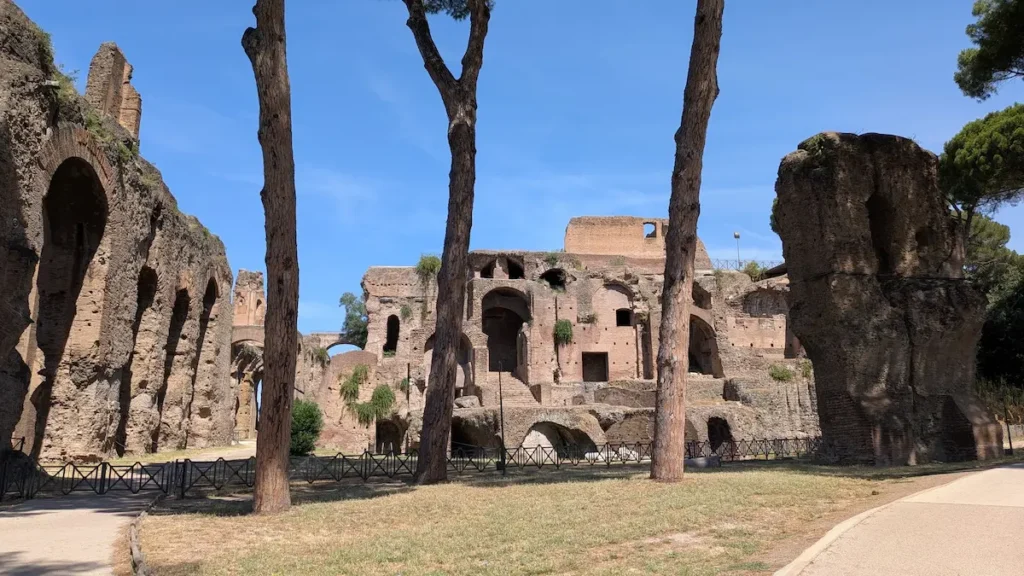
Many visitors believe Jewish history in Rome began after the destruction of Jerusalem in 70 CE, when thousands of Jewish prisoners were brought to the imperial capital.
In reality, Jewish Rome is considerably older.
The earliest documented Jewish presence dates to the second century BCE, when the Hasmonean Kingdom established diplomatic relations with the growing Roman Republic. Jewish ambassadors traveled to Rome seeking political alliances against common enemies. Merchants soon followed, recognizing the extraordinary opportunities offered by one of the Mediterranean’s busiest commercial centers.
Rome was becoming the crossroads of the ancient world.
Ships arrived daily from Alexandria carrying grain from Egypt. Merchants unloaded spices from Arabia, textiles from Asia Minor, wine from Greece, olive oil from Hispania, and luxury goods from every corner of the empire. Jewish traders naturally became part of this expanding economic network.
Many settled permanently.
By the first century BCE, Jewish neighborhoods had already developed along the western bank of the Tiber River, close to the bustling ports and marketplaces where commerce flourished. Archaeological discoveries, inscriptions, and ancient literary sources indicate that multiple synagogues served different segments of the community. Hebrew remained the language of Scripture and prayer, Greek functioned as the international language of trade, while Latin became increasingly important for civic affairs.
Far from being isolated immigrants, Rome’s Jews participated actively in the city’s economic life while maintaining their own religious identity.
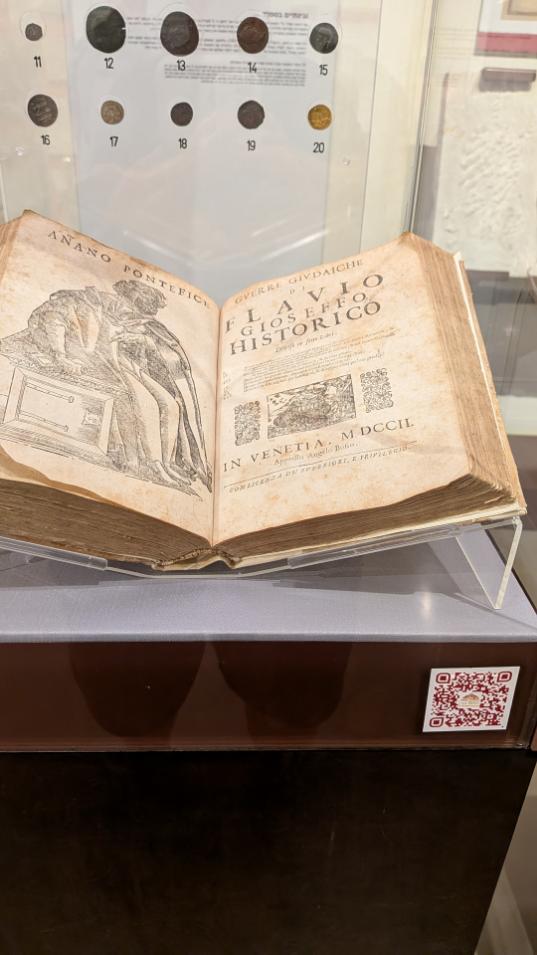
The Roman statesman Julius Caesar recognized the value of the Jewish community. Ancient historian Josephus records that Caesar confirmed several Jewish privileges, allowing them to observe Shabbat, maintain communal institutions, and collect funds for Jerusalem. Whether motivated by political pragmatism or genuine respect, his policies fostered a relatively stable relationship between Rome and its Jewish residents.
Following Caesar’s assassination in 44 BCE, ancient sources describe Jewish mourners gathering near his funeral pyre for several consecutive nights.
It was an extraordinary scene.
As senators plotted the future of the Republic, Jewish families publicly mourned one of Rome’s greatest leaders.
Their story had already become intertwined with Rome’s.
Rome and Jerusalem: From Allies to Enemies
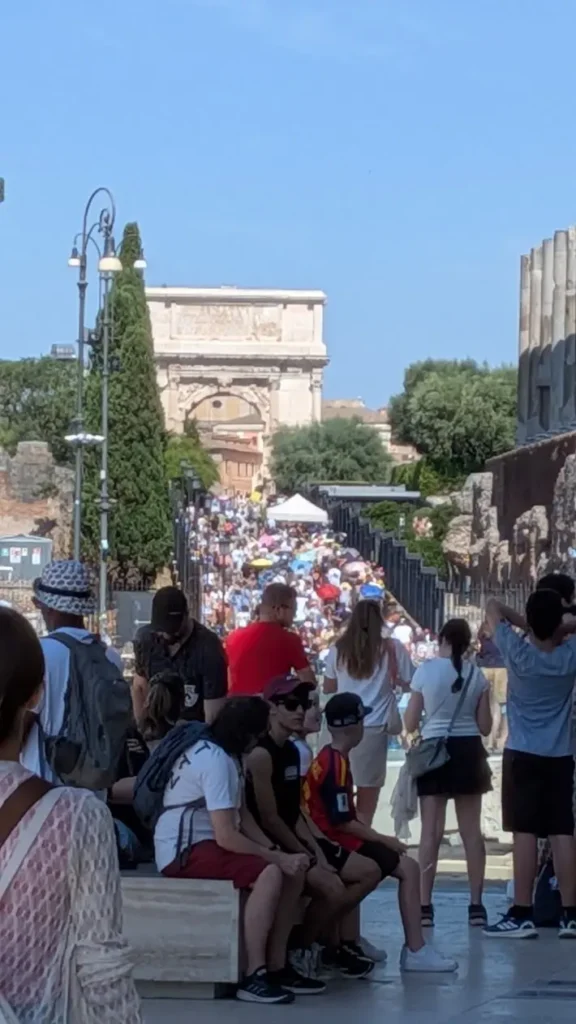
History rarely follows a straight path.
The same Republic that once welcomed Jewish diplomats gradually evolved into an empire determined to suppress rebellion throughout its provinces.
Judea proved especially difficult to govern.
Religious tensions, heavy taxation, corrupt local administration, and growing resentment toward Roman occupation created an increasingly volatile situation. By 66 CE, open revolt erupted.
Initially, Jewish forces achieved surprising successes.
Roman garrisons were defeated.
Jerusalem celebrated its temporary independence.
Many believed divine intervention would once again preserve the Holy City.
Rome responded with overwhelming force.
The Emperor Nero dispatched the experienced general Vespasian, accompanied by his son Titus, to crush the rebellion.
City after city fell.
Galilee was subdued.
Thousands were killed or enslaved.
When Nero died in 68 CE, civil war erupted within Rome itself. Vespasian eventually became emperor, leaving Titus to complete the campaign against Jerusalem.
The siege that followed ranks among the most devastating in ancient history.
According to both Josephus and Roman historians, famine consumed the city long before Roman soldiers breached its walls. Competing Jewish factions fought one another even while facing a common enemy. Food supplies disappeared. Disease spread rapidly through overcrowded neighborhoods.
Finally, in the summer of 70 CE, Roman troops broke through the city’s defenses.
The Second Temple burned.
Its treasures were seized.
Jerusalem lay in ruins.
The event permanently transformed Judaism.
For nearly a thousand years, the Temple had stood at the center of Jewish religious life. Pilgrims journeyed there three times each year. Priests offered sacrifices on behalf of the nation. Festivals drew worshippers from across the Mediterranean.
Without the Temple, Judaism faced an unprecedented challenge.
Remarkably, it adapted.
Rabbinic leadership assumed greater importance.
Synagogues became centers of worship rather than simply places of assembly.
Prayer gradually replaced sacrificial offerings.
Study became as central to Jewish life as pilgrimage once had been.
The Judaism practiced throughout the world today owes much to that extraordinary transformation.
Rome destroyed a building.
It unintentionally helped shape a religion capable of surviving exile.
The Arch of Titus: A Monument of Victory and Loss
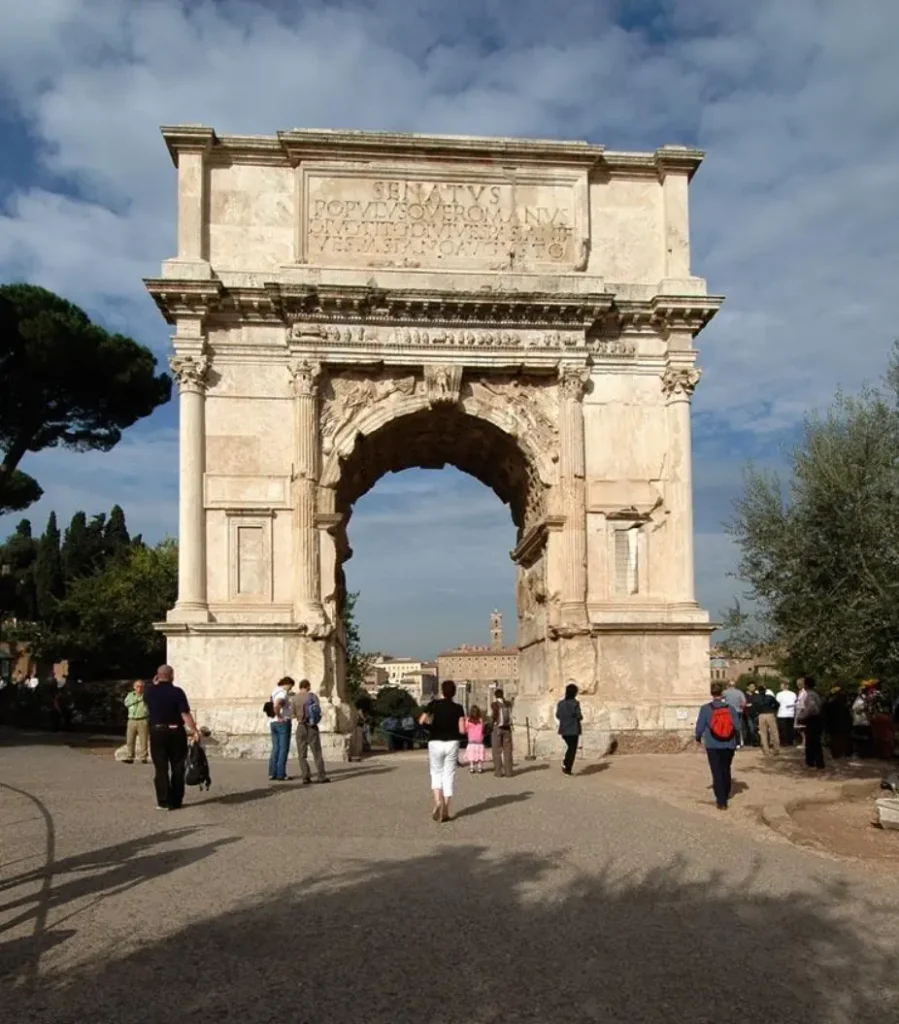
Walking eastward from the Roman Forum, visitors eventually reach one of the most emotionally significant monuments in Jewish history.
The Arch of Titus.
Completed around 81 CE by Emperor Domitian, the monument celebrates the conquest of Judea and Titus’ triumphal procession through Rome following the destruction of Jerusalem.
To Roman citizens, it symbolized military glory.
To Jews, it commemorated national catastrophe.
Few monuments carry such radically different meanings depending upon who stands before them.
Its importance becomes unmistakable upon entering the arch itself.
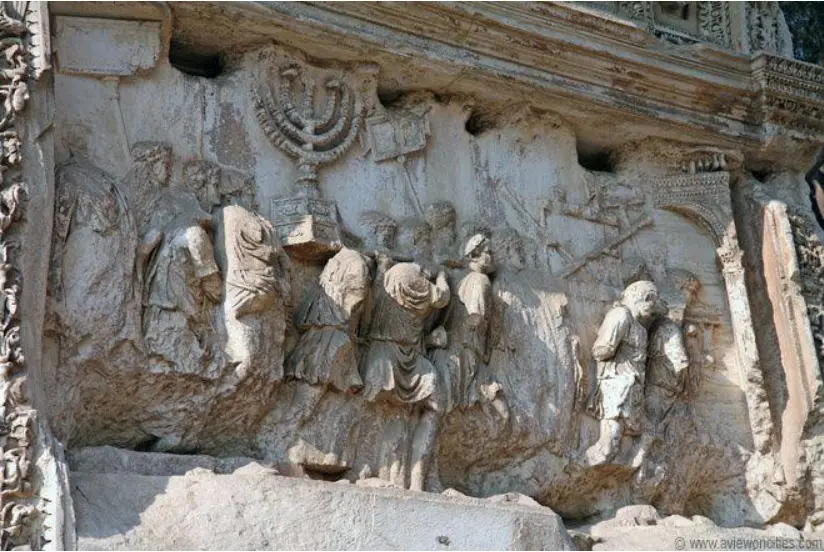
Carved into the southern interior wall is one of antiquity’s most famous reliefs.
Roman soldiers march triumphantly carrying the sacred treasures of the Temple.
The seven-branched Menorah.
The Table of Showbread.
Silver trumpets.
Golden vessels once used by the priests in Jerusalem.
These are among the earliest surviving artistic depictions of the Temple furnishings anywhere in the world.
Ironically, the image most closely associated with one of Judaism’s holiest objects survives because Rome celebrated its capture.
Historians continue to debate certain details of the carving. The Menorah appears atop an ornate hexagonal base decorated with mythological imagery, while later rabbinic sources suggest a different design. Some scholars believe Roman artists accurately recorded what they witnessed during Titus’ triumph. Others argue they incorporated artistic embellishments common to Roman monumental sculpture.
Whatever the explanation, the relief remains priceless.
When the modern State of Israel sought an official emblem in 1949, designers looked not to medieval manuscripts or Renaissance paintings, but to this very carving.
The national symbol of Israel ultimately drew inspiration from a Roman monument celebrating Jerusalem’s destruction.
History is filled with remarkable ironies.
Walking Beneath the Arch
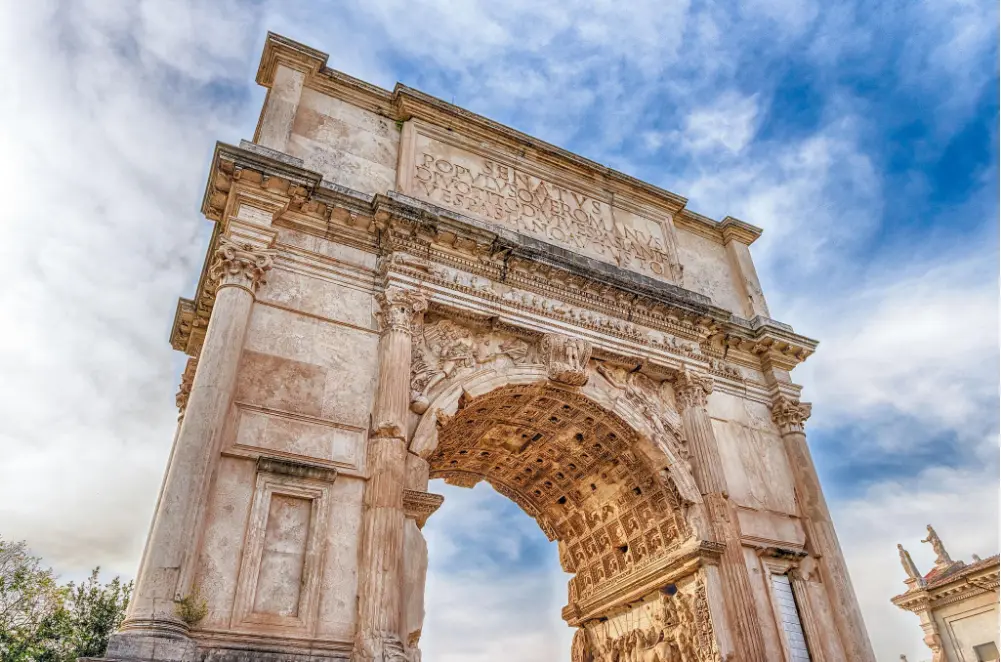
For centuries, the Arch of Titus was more than an archaeological monument to the Jews of Rome.
It was a wound carved in stone.
A long-standing tradition developed within Rome’s Jewish community: Jews would not walk beneath the arch. There was no formal rabbinic prohibition, nor was it a universal practice observed by every individual. Rather, it became a powerful expression of collective memory. Why voluntarily pass beneath a monument celebrating the destruction of Jerusalem and the humiliation of one’s ancestors?
That custom endured for generations.
Everything changed in 1948.
With the establishment of the modern State of Israel, many Roman Jews began to reinterpret the monument’s symbolism. The empire that proclaimed eternal victory no longer existed. The Jewish people, whose national life Titus believed he had crushed forever, had once again established a sovereign state in their ancestral homeland.
The arch had not changed.
History had.
Today, many Jewish visitors intentionally walk beneath it—not as an acknowledgment of Rome’s triumph, but as a quiet declaration that Jewish history did not end in 70 CE.
The monument still stands.
So do the Jewish people.
Did Jewish Slaves Build the Colosseum?
Few statements are repeated more often by tour guides than this:
“The Colosseum was built by Jewish slaves.”
Like many popular historical claims, it contains an important truth—but also oversimplifies the evidence.
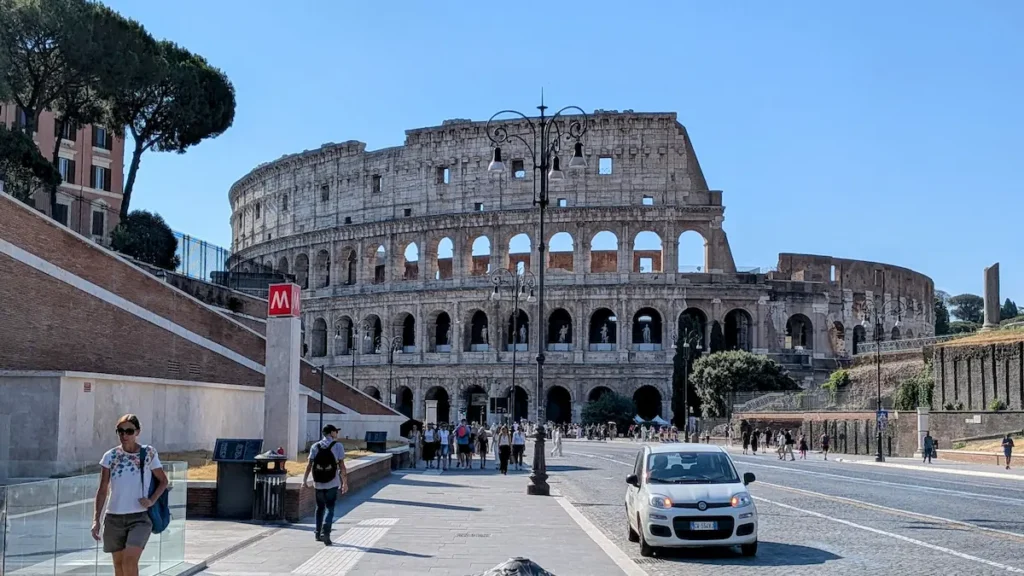
Construction of the Colosseum, officially known as the Flavian Amphitheatre, began around 72 CE under Emperor Vespasian, only two years after the destruction of Jerusalem. Ancient sources and archaeological evidence indicate that the immense wealth seized from Judea helped finance the project. An inscription discovered near the Colosseum confirms that it was constructed using the spoils won by the Flavian emperors.
Jewish captives almost certainly formed part of the enormous labor force employed throughout Rome after the Jewish War.
However, historians cannot state with certainty that they alone built the Colosseum.
Roman construction projects relied upon thousands of soldiers, engineers, skilled craftsmen, enslaved laborers, quarry workers, and artisans drawn from every corner of the empire.
The truth is no less significant.
One of the greatest monuments of the Roman world was financed, at least in part, by the wealth taken from Jerusalem after the destruction of the Second Temple.
Every visitor who enters the Colosseum unknowingly walks through a monument connected to one of the defining moments of Jewish history.
The Roman Forum: Where Two Histories Meet
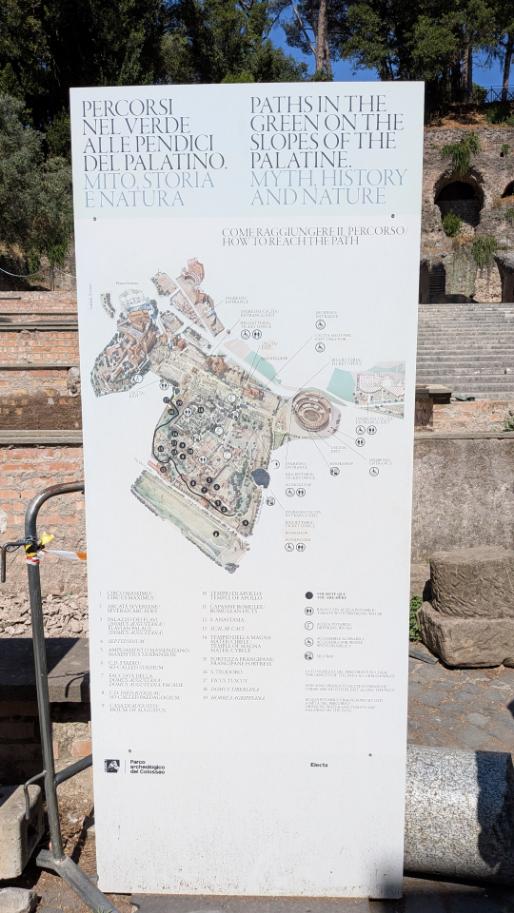
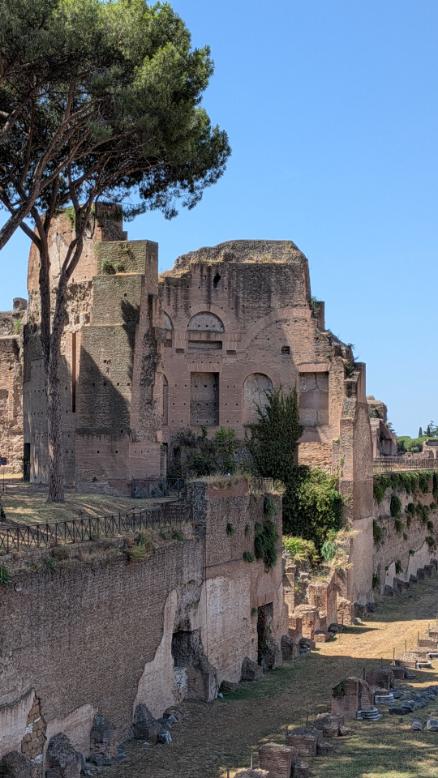
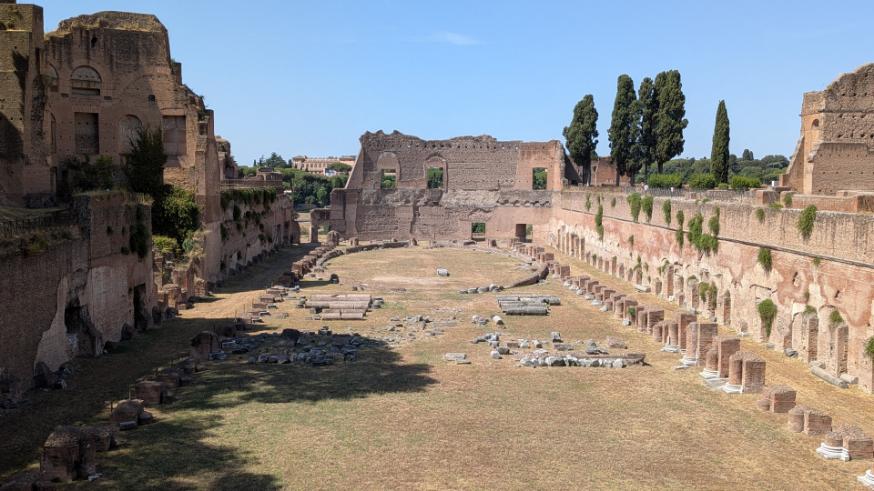
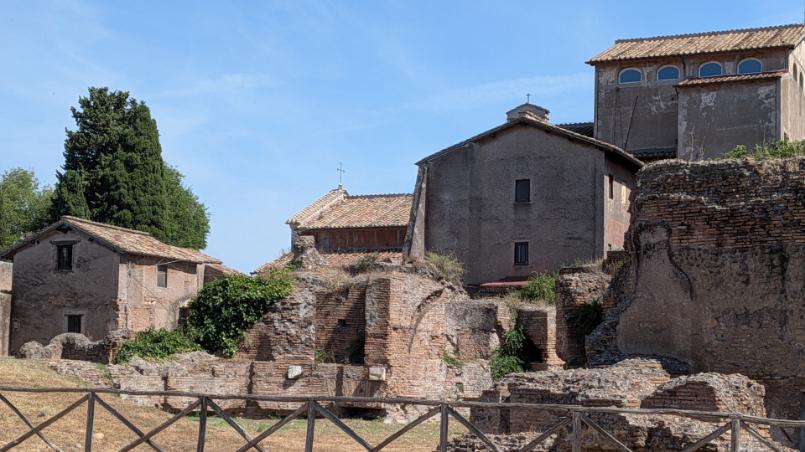
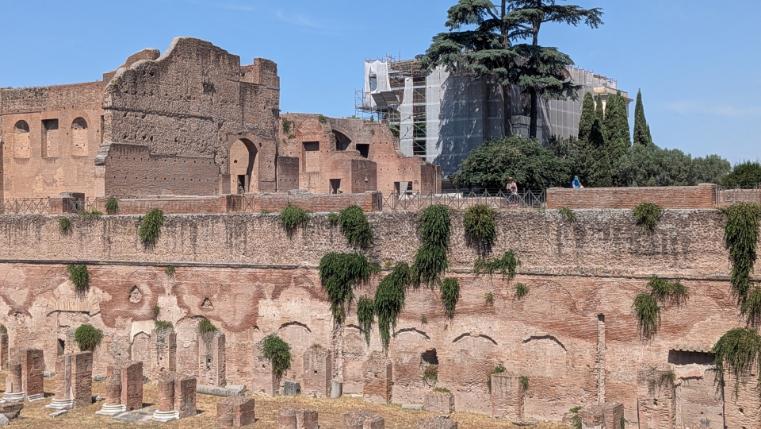
Standing among the ruins of the Roman Forum, one quickly understands why ancient Rome believed itself invincible.
Here stood the Senate House.
The Temple of Saturn.
The Temple of Castor and Pollux.
The Basilica Julia.
Triumphal processions passed along the Via Sacra.
Victorious generals were celebrated.
Laws affecting millions of people were proclaimed.
Yet another history unfolded here as well.
Jewish merchants negotiated business contracts only streets away.
Rabbis interpreted Jewish law while Roman magistrates interpreted imperial law.
Families observed Shabbat within sight of temples dedicated to Jupiter and Saturn.
The Forum reminds us that Jewish history and Roman history were never separate narratives.
They intersected constantly.
Sometimes peacefully.
Sometimes violently.
Always profoundly.
Perhaps nowhere else in the world can one stand in a single location and contemplate both the rise of the Roman Empire and the resilience of the Jewish people with such clarity.
From Empire to Papacy
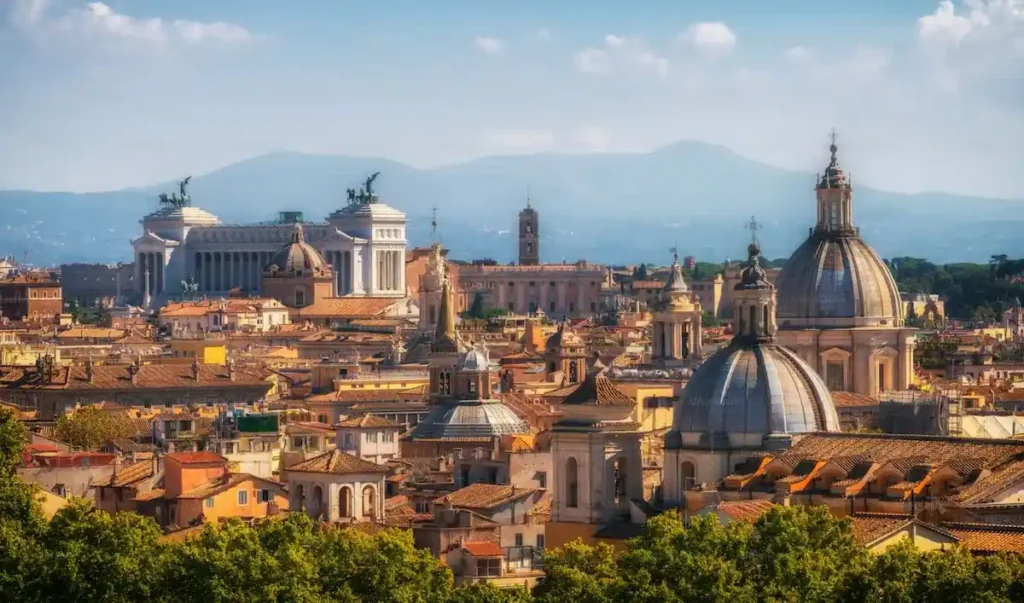
The fall of the Western Roman Empire in the fifth century did not end Jewish life in Rome.
Instead, it introduced a new chapter.
As imperial authority faded, the Bishop of Rome gradually emerged as one of Europe’s most influential religious and political figures. Over the centuries, the papacy assumed increasing control over the city.
For Rome’s Jews, this transition produced mixed results.
Some popes recognized the importance of protecting Jewish communities from violence. Papal doctrine generally opposed forced conversion, acknowledging that Jews had a continuing role in Christian theology as witnesses to the biblical past.
At the same time, discriminatory laws steadily increased.
Jews paid special taxes.
Public expressions of Judaism became increasingly restricted.
Economic opportunities narrowed.
Periods of tolerance alternated with periods of severe hardship, depending largely upon the policies of individual popes.
Despite these changing circumstances, Jewish life continued.
Synagogues remained active.
Scholars produced important religious works.
Families raised children, celebrated festivals, and maintained traditions that had already endured for more than a millennium.
The community had learned a lesson that would define its future:
Governments change.
Empires rise and fall.
Faith must endure regardless.
A New Jewish World Arrives from Spain
While Rome’s Jewish community traced its origins back to the Roman Republic, another Jewish civilization was approaching its own tragic turning point.
For centuries, Spain had been home to one of the most brilliant periods in Jewish history.
Jewish philosophers, poets, physicians, rabbis, astronomers, translators, merchants, and statesmen flourished under both Muslim and Christian rule. Hebrew poetry reached extraordinary heights. Jewish scholarship influenced communities throughout Europe and the Middle East.
That golden age came to an abrupt end in 1492.
The Alhambra Decree
On March 31 of that year, Ferdinand and Isabella signed the Alhambra Decree, ordering all practicing Jews to leave Spain or convert to Christianity.
An estimated 100,000 to 200,000 Jews fled.
Many crossed into Portugal, only to face another forced conversion and expulsion a few years later.
Others sought refuge across the Mediterranean.
Some traveled east to the Ottoman Empire, where Sultan Bayezid II welcomed them, recognizing the economic and intellectual talents Spain had driven away.
Others settled in North Africa.
Some established thriving communities in Amsterdam.
And many came to Italy.
Italy, however, was not yet a unified nation. It consisted of independent republics, duchies, kingdoms, and papal territories, each adopting its own policies toward Jewish settlement.
Some cities welcomed Sephardic refugees.
Others expelled them.
Rome occupied a unique position.
Although life under papal authority could be difficult, the city already possessed one of the oldest Jewish communities in Europe. Sephardic merchants, rabbis, physicians, and scholars found opportunities to rebuild their lives alongside the ancient Roman Jewish population.
They brought with them Ladino, Castilian, Portuguese, Hebrew, Arabic, commercial networks stretching across the Mediterranean, and centuries of Sephardic learning.
They also carried memories.
Memories of Toledo. Córdoba. Seville. Of homes they would never see again.
Rather than replacing Rome’s ancient Jewish traditions, they enriched them.
This meeting between the Italkim—the ancient Jews of Italy—and the Sephardim created one of the most fascinating Jewish communities in the Diaspora.
The next chapter would test both communities in ways neither could have imagined.
The Roman Ghetto: A Wall Around an Ancient Community
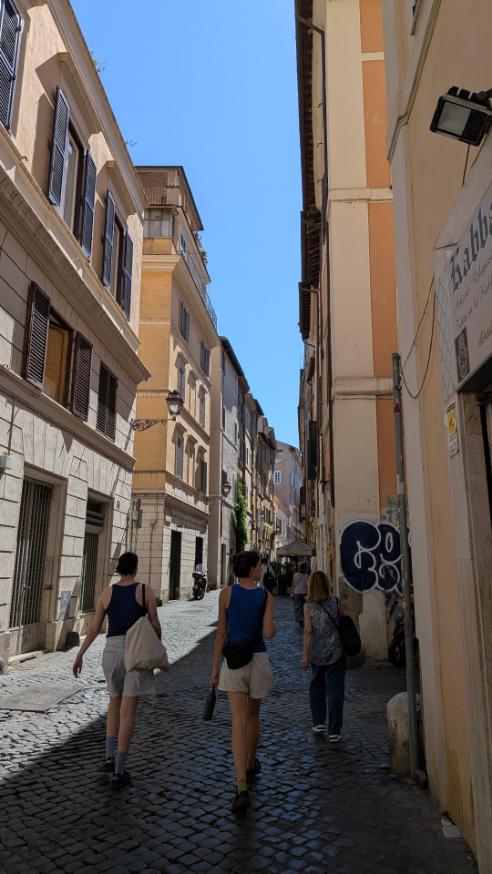
On July 14, 1555, the history of Jewish Rome changed forever.
Only weeks after his election, Pope Paul IV issued a papal decree entitled Cum nimis absurdum—Latin for “Since it is utterly absurd.” The title came from its opening words, but the document’s contents proved anything but ordinary. It became one of the most consequential—and devastating—laws ever imposed upon the Jews of Rome.
Paul IV believed that Jews should live in complete separation from Christians. His decree ordered that all Jews residing throughout Rome abandon their homes and move into a single enclosed neighborhood. Their properties outside the designated district had to be sold, often at prices well below their value. The community would thereafter live behind walls, its entrances secured by gates that were locked each evening and reopened only the following morning.
The Roman Ghetto had been born.
It would remain in existence for 315 years.
The irony is impossible to ignore.
The oldest continuous Jewish community in Europe—a community that had survived pagan emperors, barbarian invasions, political upheaval, and the collapse of the Roman Empire—would now spend more than three centuries imprisoned within its own city.
Why This Particular Neighborhood?
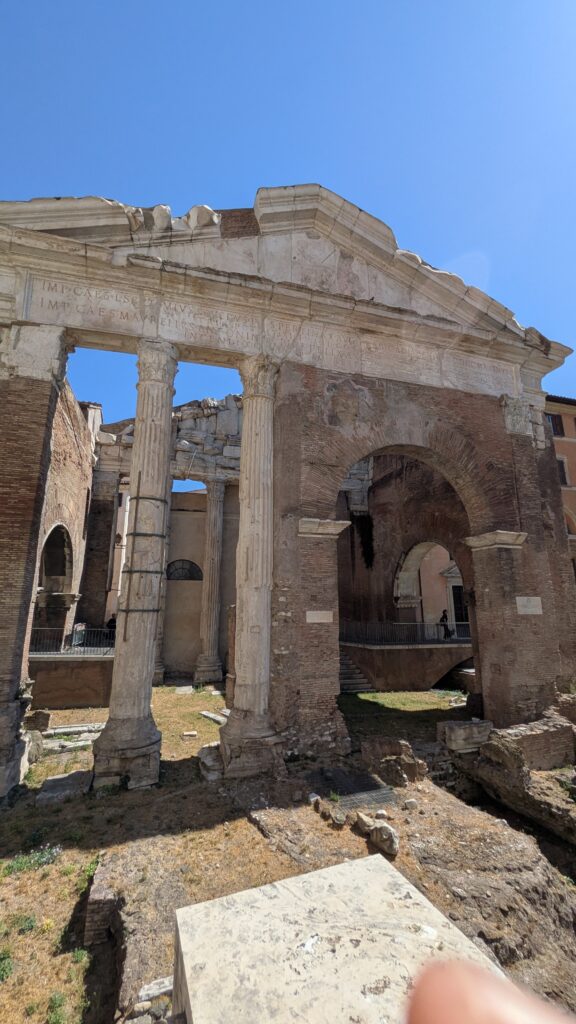
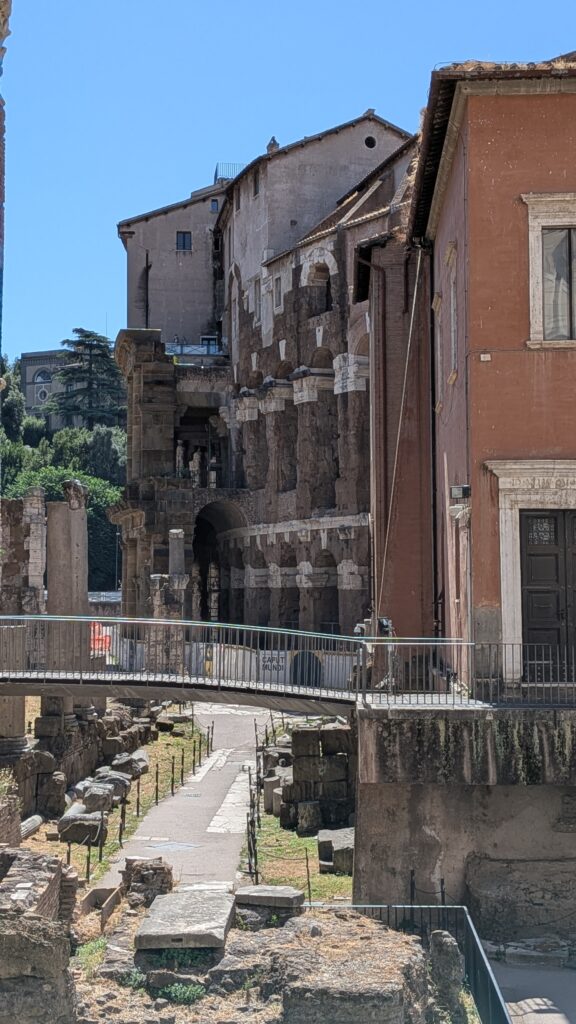
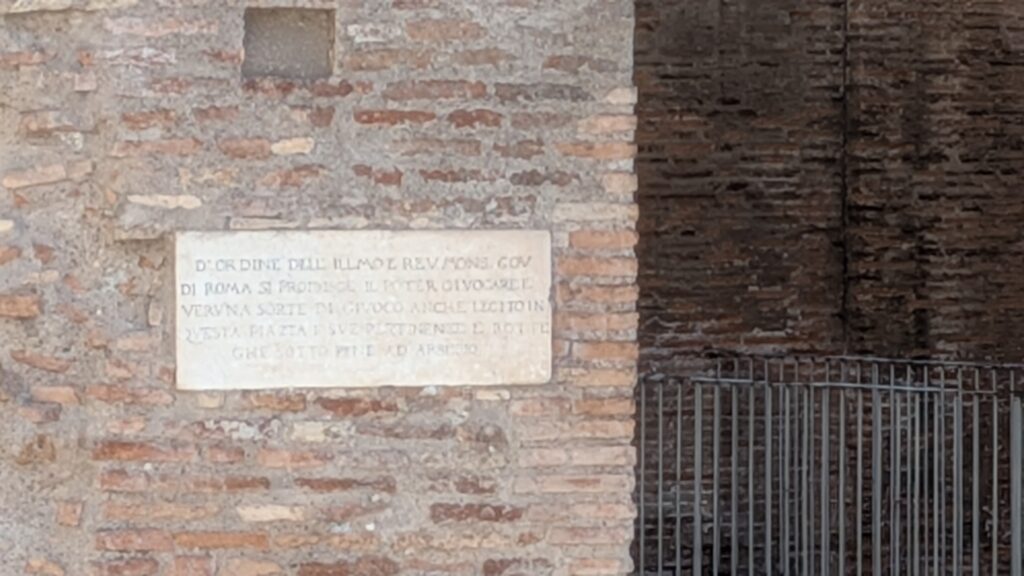
Visitors often ask why the Ghetto was established in this specific location.
The answer reveals much about the intentions of Pope Paul IV.
The neighborhood already contained a substantial Jewish population. It lay close to the river port where many Jewish merchants conducted business and near the fish market, where commercial activity was constant. Moving the community there therefore simplified administration.
But convenience alone does not explain the choice.
The district occupied one of the lowest points in Rome.
Every winter, when heavy rains swelled the Tiber River, floodwaters poured directly into the neighborhood. Homes filled with muddy water. Furniture floated through narrow streets. Businesses closed for days or weeks. Disease often followed.
While Rome’s wealthier citizens lived on higher ground, the Jews were deliberately confined to one of the city’s least desirable and most flood-prone areas.
The location itself became another form of punishment.
Yet despite recurring floods, overcrowding, and deteriorating housing, the Jewish community transformed this neglected neighborhood into a vibrant center of religious, educational, and family life.
Gates That Closed Every Night
At sunset each evening, the gates closed.
Christian guards locked them until dawn.
One of history’s bitter ironies is that the Jewish community itself was required to pay the salaries of the guards who imprisoned them.
Families returning late risked being locked outside.
Travel required special permission.
Nighttime emergencies became far more complicated.
The walls did not merely restrict movement.
They constantly reminded Rome’s Jews that they lived at the pleasure of others.
Inside the Ghetto, however, life continued.
Children hurried through winding streets on their way to study.
Merchants opened tiny shops each morning.
Women prepared for Shabbat.
Neighbors cared for widows, orphans, and the elderly.
Life adapted because it had to.
More Than Overcrowding
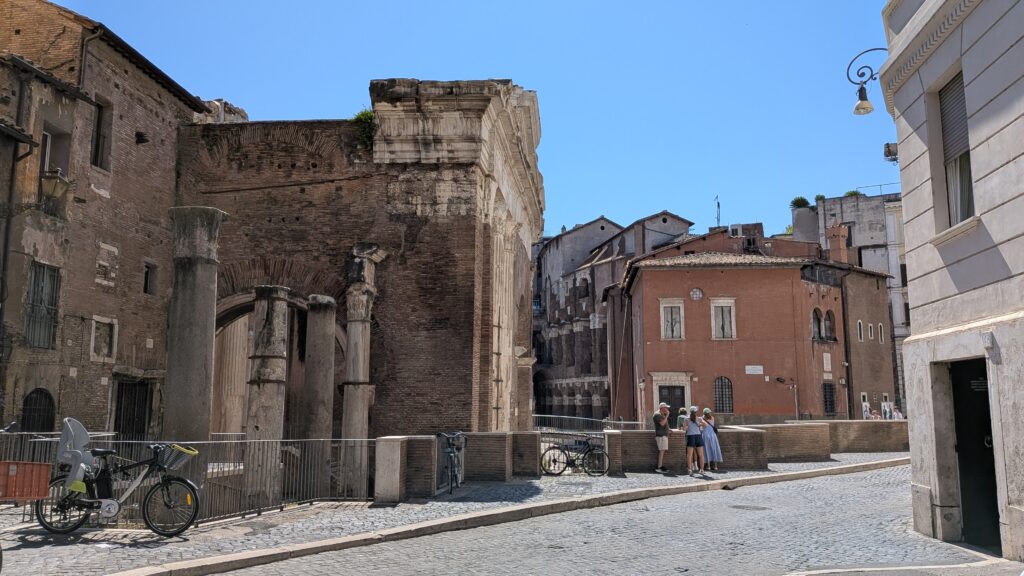
The Ghetto occupied only a few acres.
Its population continued to grow.
Since expansion beyond the walls was forbidden, the only direction left was upward.
Families added floor upon floor to existing buildings. By the seventeenth century, some structures rose six or seven stories high—exceptionally tall for their time. Apartments designed for one family eventually housed several generations.
Privacy became a luxury.
Fresh air was limited.
Sunlight rarely reached the lowest streets.
When the Tiber flooded, the lower floors filled first. Families rushed upstairs carrying Torah scrolls, furniture, clothing, and whatever valuables they could save.
Despite these conditions, visitors such as the seventeenth-century English writer John Evelyn remarked upon the remarkable industry of the Jewish residents. The community remained organized, educated, and deeply committed to preserving its religious life despite circumstances clearly intended to discourage it.
The Ghetto became proof that dignity does not depend upon comfortable surroundings.
The Yellow Hat
Life inside the Ghetto extended beyond physical confinement.
Jews were also required to make themselves immediately recognizable.
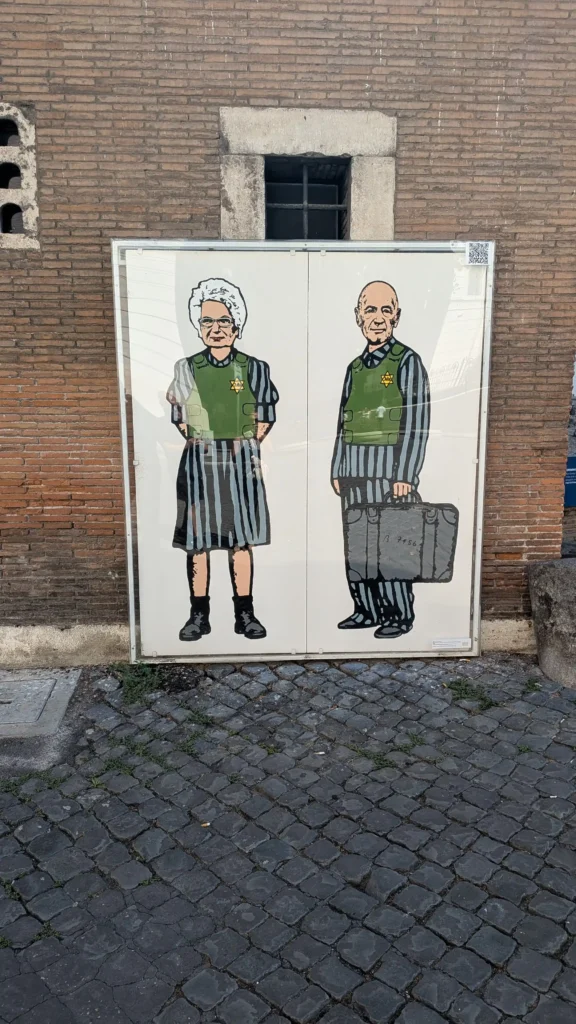
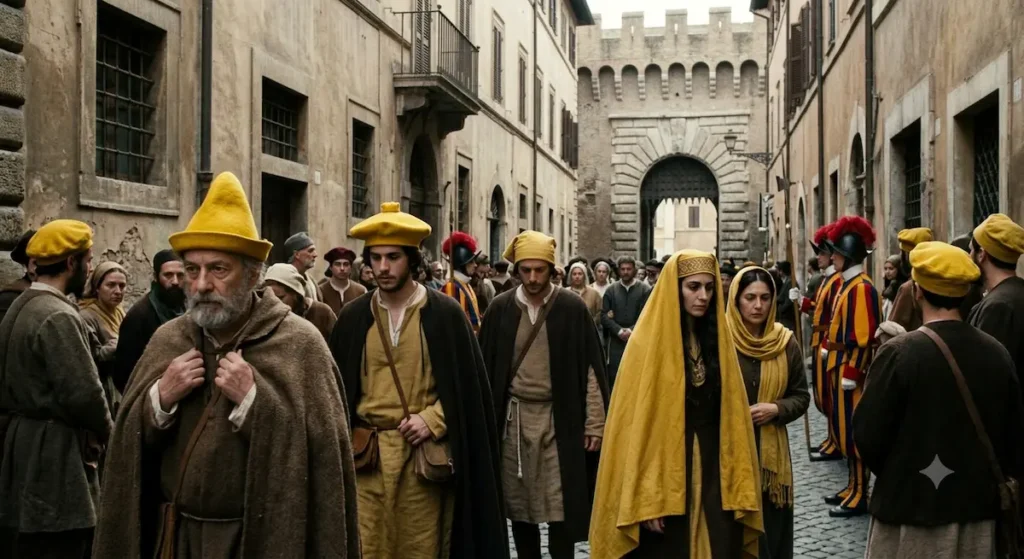
For much of the Ghetto’s history, Jewish men were required to wear a yellow hat or cap whenever they appeared in public. Jewish women were required to wear identifying yellow veils or other distinctive markings, though the exact regulations changed over time.
The purpose was unmistakable.
No Jew should ever blend unnoticed into Christian society.
These visible markers echoed restrictions imposed elsewhere across medieval and Renaissance Europe, reinforcing separation not only through walls but also through clothing.
To modern readers, such regulations are disturbingly familiar.
Centuries later, Nazi Germany would once again force Jews to wear visible identifying symbols.
History does not always repeat itself exactly.
Sometimes it echoes.
Forced Sermons and Daily Humiliation
One of the least-known aspects of life in the Roman Ghetto involved religion itself.
For centuries, Roman Jews were required to attend compulsory Christian conversion sermons, particularly on Shabbat and certain Christian feast days.
Special churches, including San Gregorio della Divina Pietà, were designated for these sermons.
Attendance was mandatory.
Conversion was the goal.
Although relatively few Jews accepted baptism because of these efforts, the requirement itself became another reminder of their subordinate legal status.
Imagine leaving synagogue after Shabbat prayers only to be compelled by law to listen to sermons urging you to abandon the faith your family had preserved for generations.
The remarkable fact is not that these sermons occurred.
It is that Judaism in Rome survived them.
What Work Could Jews Do?
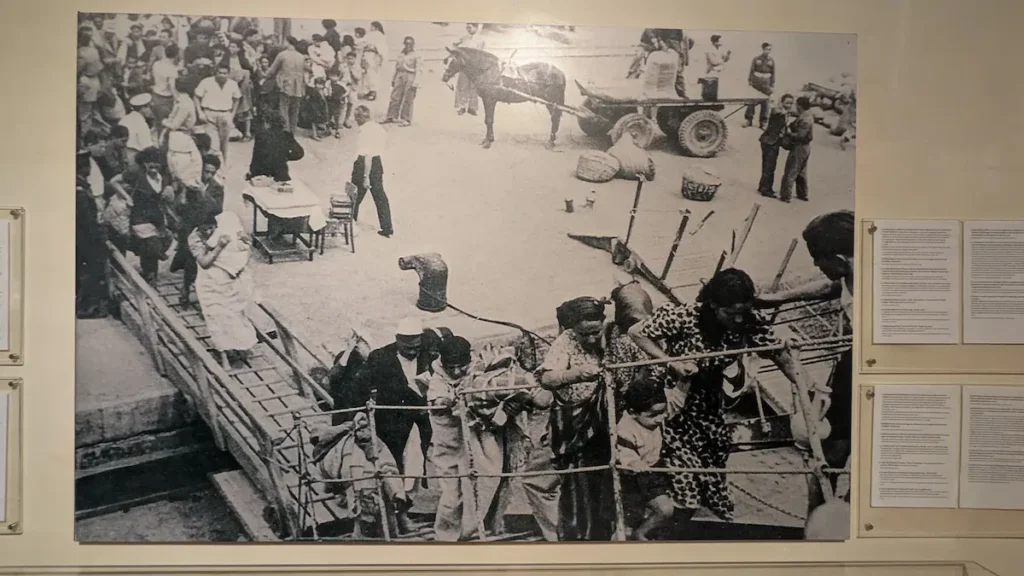
One story repeated by many guides is that Jews were allowed only two occupations.
That statement captures the essence of the restrictions but oversimplifies the reality.
The papacy prohibited Jews from joining most professional guilds, owning extensive farmland, holding government office, or practicing many skilled professions available to Christians.
As a result, they concentrated in occupations that Christians frequently avoided or that authorities considered acceptable for Jews.
Among the most common were:
- Moneylending and pawnbroking.
- Buying and selling second-hand clothing.
- Trading textiles.
- Collecting and selling rags, which supplied Italy’s growing paper industry.
- Dealing in used household goods.
- Small-scale retail commerce.
- Fish trading and related market activities.
Denied access to many professions, Jewish families became exceptionally resourceful entrepreneurs.
The restrictions that sought to limit them inadvertently strengthened traditions of commerce, finance, and business that later contributed significantly to the community’s success after emancipation.
Necessity became an education.
Adversity became preparation.
The Cinque Scole: Five Congregations, One Community
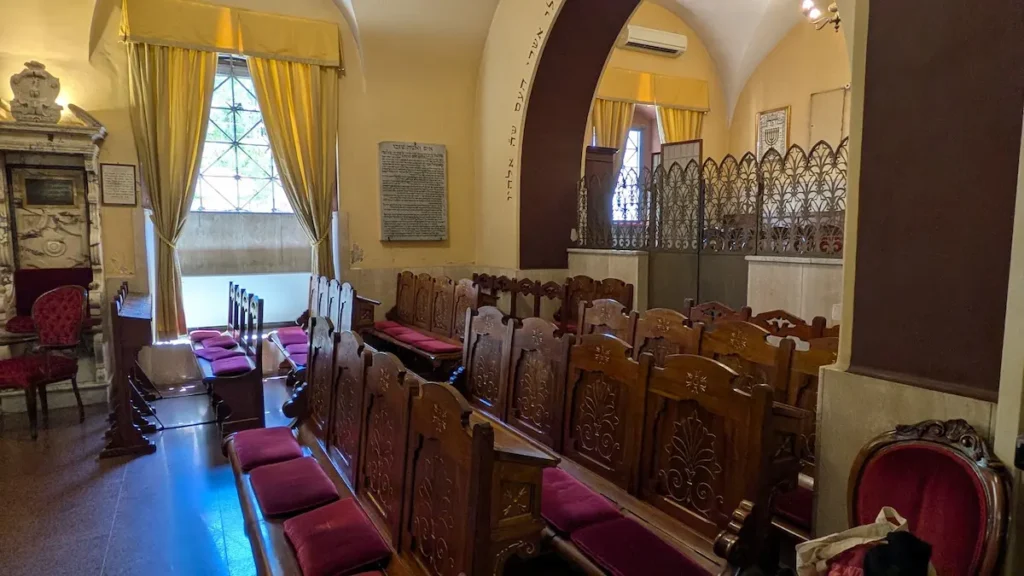
Perhaps nowhere is the diversity of Jewish Rome more beautifully illustrated than in the story of the Cinque Scole.
Unlike most synagogues, this was not a single congregation.
It was a remarkable complex housing five distinct synagogues under one roof, each preserving its own liturgy and traditions.
Among them were congregations representing:
- The ancient Roman (Italki) rite.
- Jews from Sicily.
- Jews from Catalonia.
- Jews from Castile.
- Other Sephardic traditions that had taken root following the expulsions from Spain and Portugal.
This arrangement offers an important lesson.
The arrival of the Sephardim did not erase Rome’s ancient Jewish identity.
Nor did Rome’s older Jewish community expect the newcomers to abandon theirs.
Instead, the communities chose something far wiser.
They preserved both.
Centuries before the modern world spoke of multiculturalism, Jewish Rome demonstrated that diverse traditions could strengthen rather than divide a single people.
The Great Synagogue you see today stands only a short distance from where the Cinque Scole once served generations of Roman Jews.
Its memory lives on—not merely in museum exhibits, but in the enduring unity of a community that refused to let exile erase its past.
Sephardim, Popes, and the Long Road to Freedom
The story of Jewish Rome is often told as if the Ghetto froze the community in place.
In reality, Jewish Rome remained connected to the wider Jewish world.
Even behind walls, merchants continued to trade. Rabbis exchanged correspondence with scholars across Europe and the Ottoman Empire. Families maintained connections with relatives in Livorno, Venice, Amsterdam, Salonika, Constantinople, and North Africa.
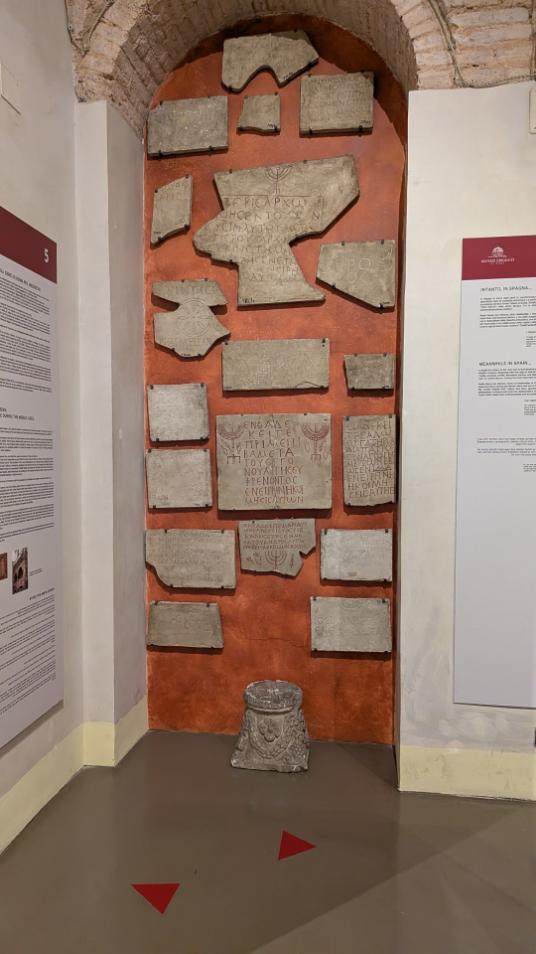
Most importantly, the Sephardic refugees who arrived after 1492 brought with them the intellectual and cultural treasures of medieval Spain.
They introduced traditions shaped by centuries of Jewish life in Toledo, Córdoba, Seville, and Barcelona.
They brought Ladino.
They brought poetry.
They brought legal scholarship.
They brought commercial networks that stretched across the Mediterranean.
They brought memories of Sefarad.
The encounter between the ancient Roman Jewish community and the Sephardim created something unique.
Neither tradition disappeared.
Instead, each influenced the other.
Today, traces of both remain visible throughout Jewish Rome—in synagogue customs, family names, communal records, cuisine, and liturgical traditions.
Rome became not simply a refuge.
It became a meeting place of Jewish civilizations.
The Medici and the Jews: Helpful, But Not in Rome
Because many visitors travel through Florence before arriving in Rome, questions often arise about the famous Medici family and their relationship with the Jews.
The Medici generally earned a reputation for being more tolerant than many contemporary rulers.
Under Medici influence, Florence frequently provided greater opportunities for Jewish merchants and bankers than were available in numerous other parts of Europe. Certain members of the family recognized the economic value of Jewish commerce and adopted relatively pragmatic policies.
However, it is important not to exaggerate their role in Roman Jewish history.
The Medici ruled Florence.
The Ghetto was created in Rome under papal authority.
The Jews of Rome answered to popes, not to the Medici.
While some Medici popes later occupied the papal throne and occasionally pursued more moderate policies than Paul IV, the overall system of Ghetto restrictions remained firmly in place.
The Medici matter because they illustrate an important point:
Not every Renaissance ruler viewed Jews the same way.
Attitudes varied dramatically depending upon politics, economics, and personality.
History is rarely as simple as heroes and villains.
Not All Popes Were the Same
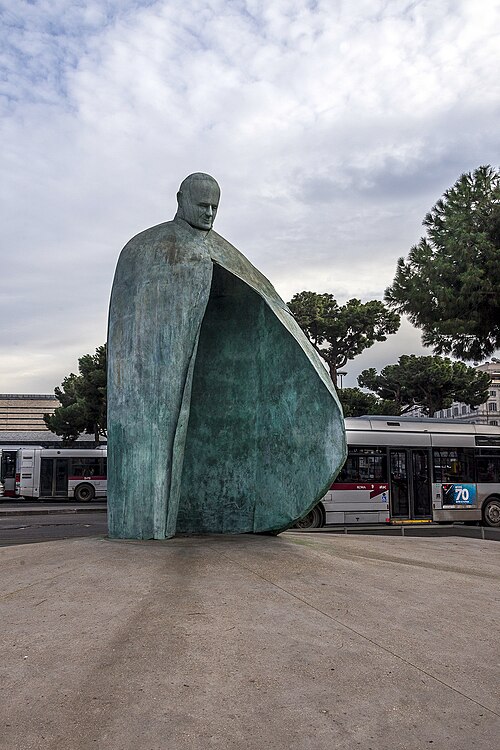
Just as not all Roman emperors treated Jews identically, neither did all popes.
Pope Paul IV created the Ghetto.
Others reinforced it.
Some relaxed restrictions.
Others tightened them.
Several popes relied upon Jewish physicians despite maintaining discriminatory laws against the broader community.
A number of papal officials quietly intervened to protect Jews during times of unrest.
Others promoted anti-Jewish measures.
The reality is complicated.
The papacy was not a single person acting across centuries.
It was an institution governed by many different leaders, each bringing his own priorities and attitudes.
Nevertheless, one fact remained constant:
Until the nineteenth century, Roman Jews remained legally unequal.
The degree of hardship varied.
The existence of discrimination did not.
Napoleon Opens the Gates
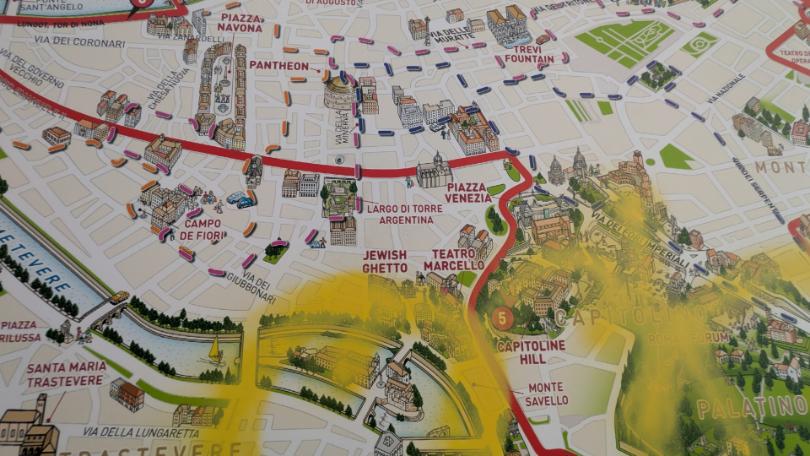
In 1798, revolutionary French forces entered Rome.
For the first time in centuries, the foundations of papal political power were shaken.
The French brought with them revolutionary ideas that had already transformed much of Europe.
Citizenship.
Legal equality.
Religious freedom.
The gates of the Ghetto were opened.
The walls lost their legal purpose.
Jews experienced a freedom that many had never known.
For a brief moment, it seemed that centuries of discrimination might finally be ending.
The moment proved temporary.
When papal rule returned, many restrictions returned as well.
Yet something had fundamentally changed.
Roman Jews had experienced life without walls.
They had seen a future that previous generations could scarcely imagine.
The idea of emancipation had entered Rome.
It would not disappear.
The End of the Ghetto
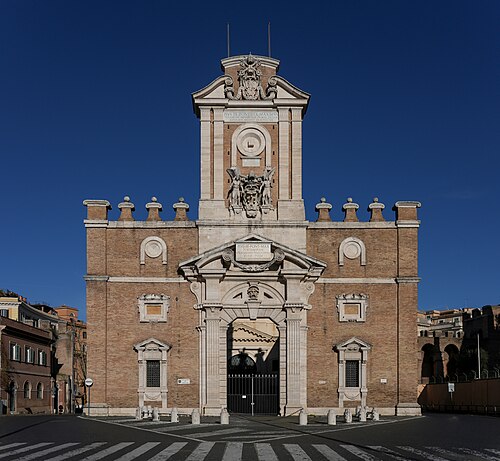
The decisive transformation came during the nineteenth century.
Across the Italian peninsula, a movement known as the Risorgimento sought to unite the many kingdoms and states into a single nation.
As Italian nationalism grew stronger, papal political authority weakened.
The turning point arrived on September 20, 1870.
Italian troops entered Rome through a breach at Porta Pia, ending the temporal rule of the Papal States.
Rome became part of the newly unified Kingdom of Italy.
The consequences for Roman Jews were immediate and profound.
The Ghetto ceased to exist.
Its gates were removed.
Its walls came down.
For the first time since 1555, Jews could live wherever they chose.
The transformation was extraordinary.
A child born in the Ghetto in 1865 would have entered a world of restrictions and legal inequality.
That same individual, only a few years later, could vote, own property, pursue a profession, and participate fully in civic life.
More than three centuries of confinement had ended.
A Community Rebuilds
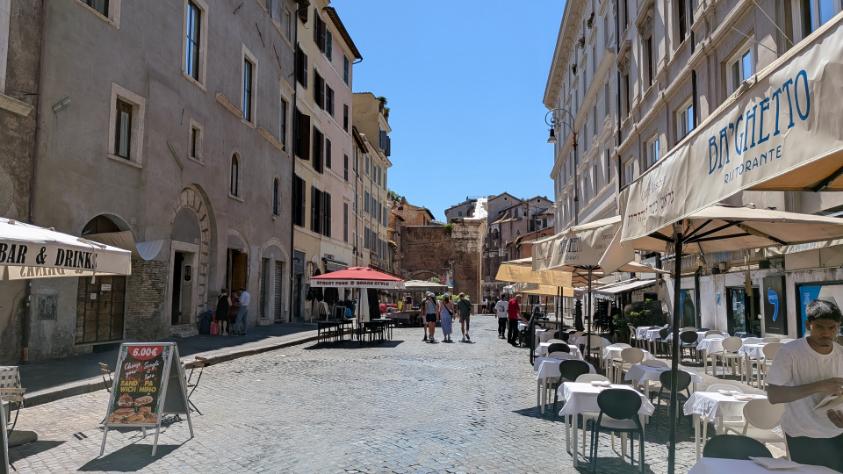
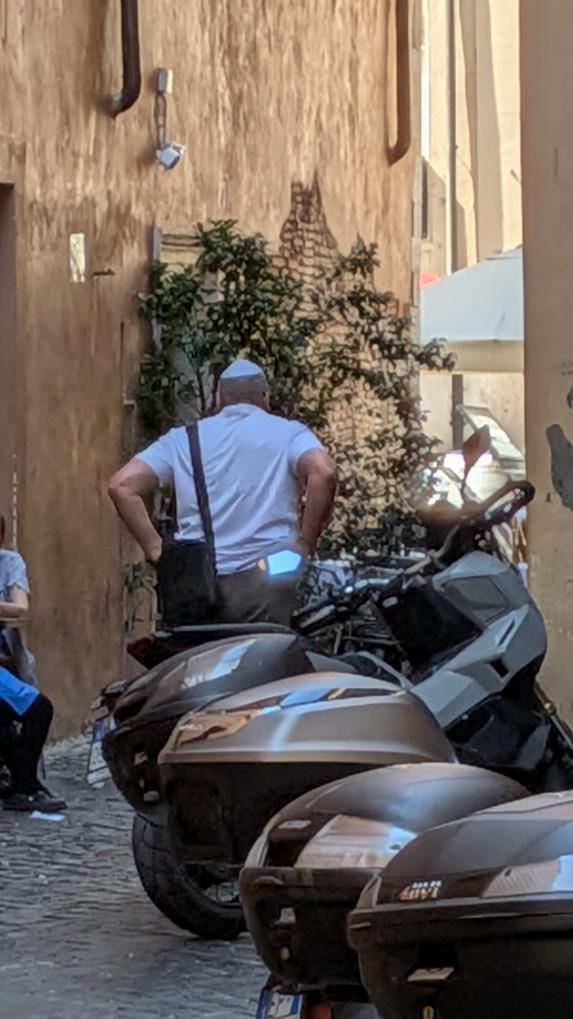

Freedom brought opportunities previously denied.
Jewish students entered universities.
Lawyers established practices.
Physicians rose within their profession.
Businessmen expanded enterprises that had begun as modest family operations within the Ghetto.
Artists, academics, military officers, and public officials emerged from a community long excluded from many aspects of public life.
This success did not happen because Roman Jews suddenly acquired talent.
They had always possessed it.
What changed was access.
When barriers disappeared, the abilities cultivated over centuries became visible to the broader society.
The story of emancipation is therefore not merely political.
It is deeply human.
It reveals what can happen when a community is finally allowed to contribute fully to the society around it.
Building a Monument to Freedom
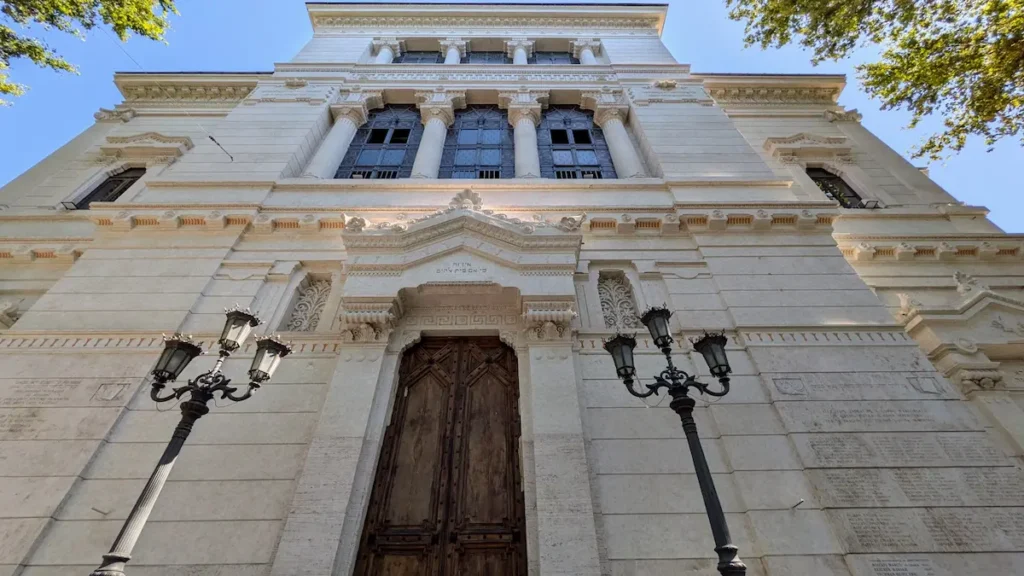
After emancipation, Roman Jews faced an important question.
How should the oldest Jewish community in Europe present itself to the modern world?
For centuries, Jewish worship had taken place inside the cramped Cinque Scole within the Ghetto.
Those synagogues had served the community faithfully.
But they were also reminders of confinement.
The newly emancipated Jewish community envisioned something entirely different.
A synagogue visible from across Rome.
An edifice that could stand proudly along the Tiber River.
A synagogue that announced, without apology, that Jewish life belonged in the heart of the Eternal City.
Construction began in 1901.
The building was inaugurated in 1904.
Its distinctive square dome immediately distinguished it from every church in Rome.
For centuries, Jewish houses of worship had been hidden.
Now one stood prominently upon the skyline.
The architecture itself carried a message.
The Jews of Rome were no longer behind walls.
They were home.
The Great Synagogue of Rome: A Declaration in Stone
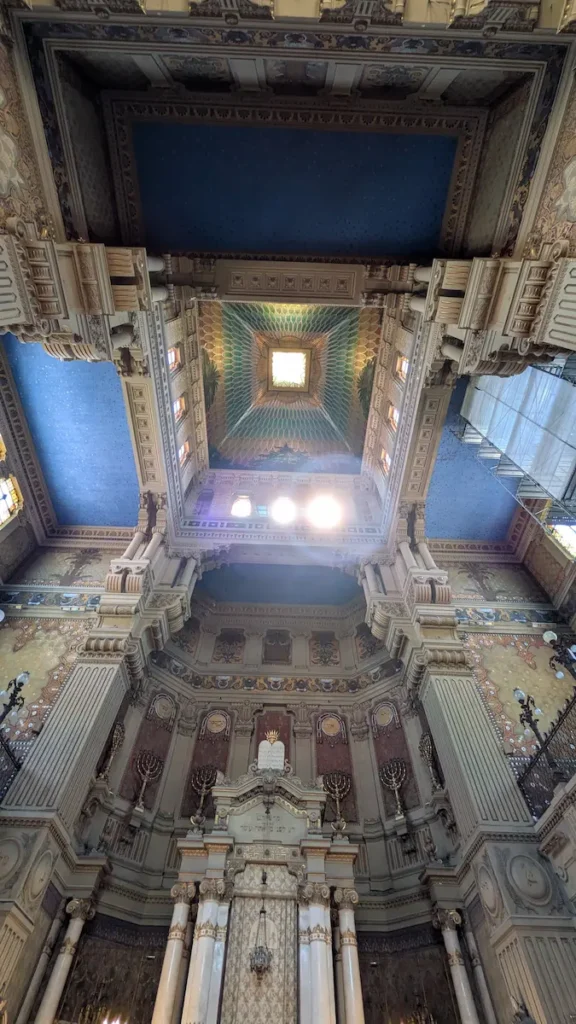
When the Great Synagogue of Rome was dedicated in 1904, it represented far more than the opening of a new house of worship.
It was a declaration.
For more than three centuries, the Jews of Rome had prayed in buildings hidden behind walls, their synagogues tucked away inside the Ghetto where few outsiders would ever see them. The new synagogue reversed that history completely.
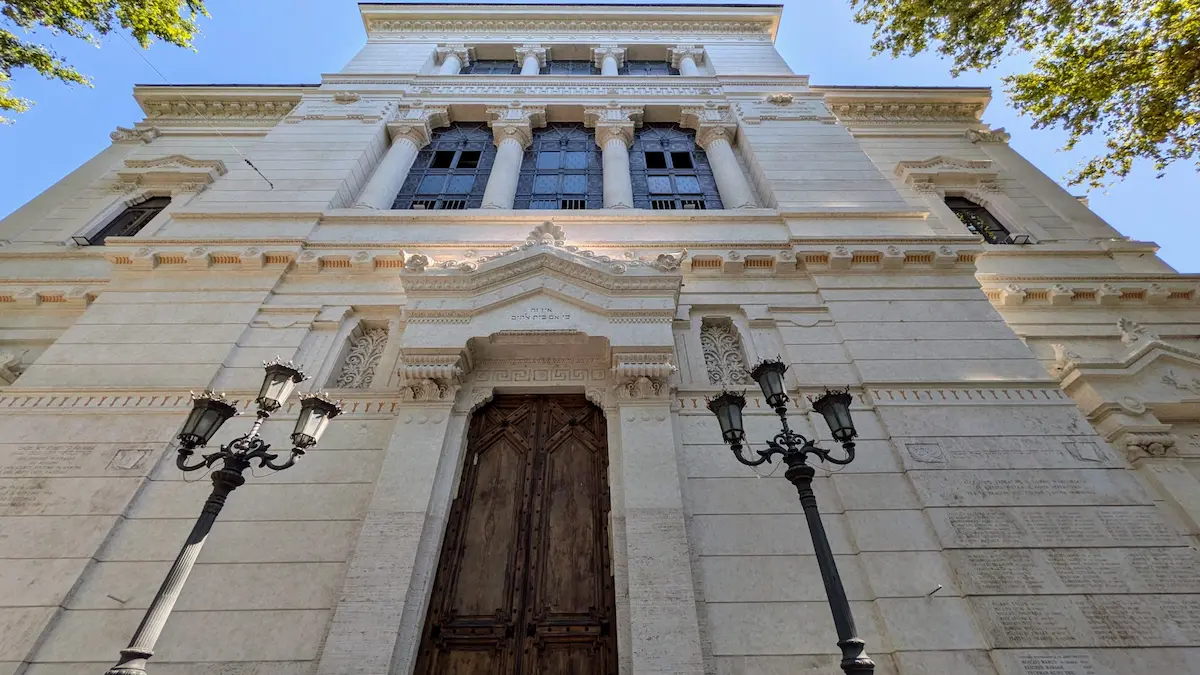
Standing proudly along the banks of the Tiber River, its massive aluminum-clad square dome rose above the surrounding rooftops, immediately distinguishing itself from every church and basilica in Rome. Even today, the dome remains one of the city’s most recognizable landmarks.
Nothing about its design was accidental.
Architects Vincenzo Costa and Osvaldo Armanni intentionally avoided copying the architecture of nearby churches. Instead, they blended Assyrian, Babylonian, Egyptian, Greek, and Art Nouveau influences into a uniquely Jewish architectural statement.
The building proclaimed that the Jews of Rome had emerged from centuries of confinement while remaining proud of their ancient heritage.
It was both modern and timeless.
Italian and Jewish.
Roman and unmistakably different.
“Mah Nora HaMakom HaZeh”
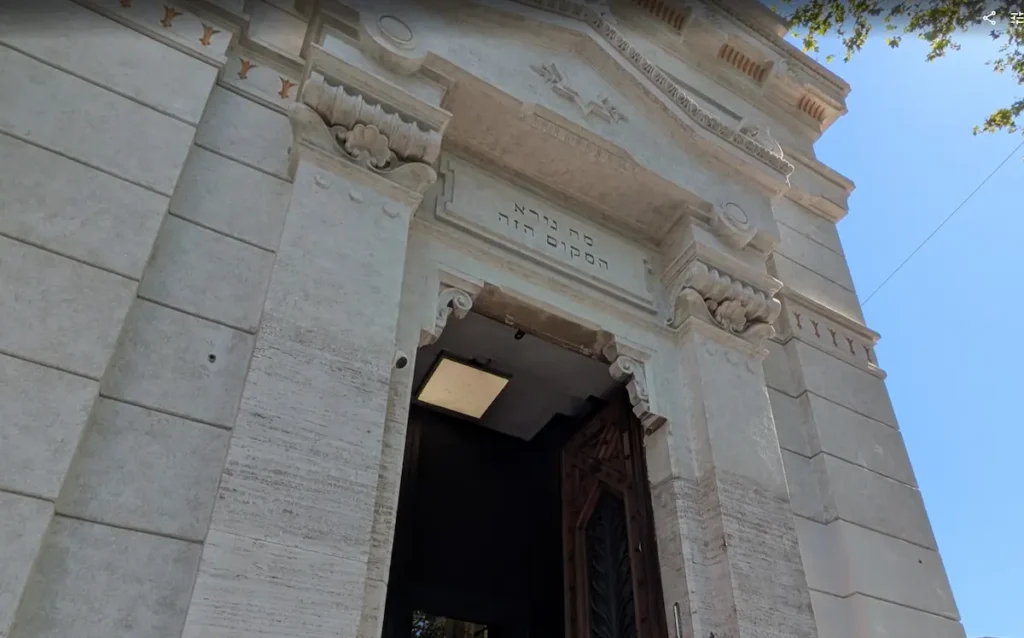
Above the synagogue’s entrance appears one of the most beautiful inscriptions in the Hebrew Bible:
מַה נּוֹרָא הַמָּקוֹם הַזֶּה
Mah Nora HaMakom HaZeh
The words come from Genesis 28:17.
Jacob has just awakened from his famous dream of a ladder stretching from earth to heaven, with angels ascending and descending between the two. Realizing he has encountered the Divine, he proclaims:
“How awesome is this place! This is none other than the House of God, and this is the Gate of Heaven.”
Modern English translations often render the first phrase as “How awesome is this place!” or “How awe-inspiring is this place!”
The Hebrew word “nora” (נוֹרָא) does not mean frightening.
It conveys overwhelming reverence, majesty, holiness, and awe.
For the Jewish community of Rome, this verse carried extraordinary meaning.
After centuries of entering hidden synagogues through narrow streets inside the Ghetto, worshippers now approached a magnificent sanctuary visible to the entire city.
Jacob’s words became their own.
This truly was an awe-inspiring place.
Not because of marble columns or ornate decoration.
Because it represented freedom.
Every Jew passing beneath that inscription walked through doors that generations of their ancestors could scarcely have imagined.
Inside the Sanctuary
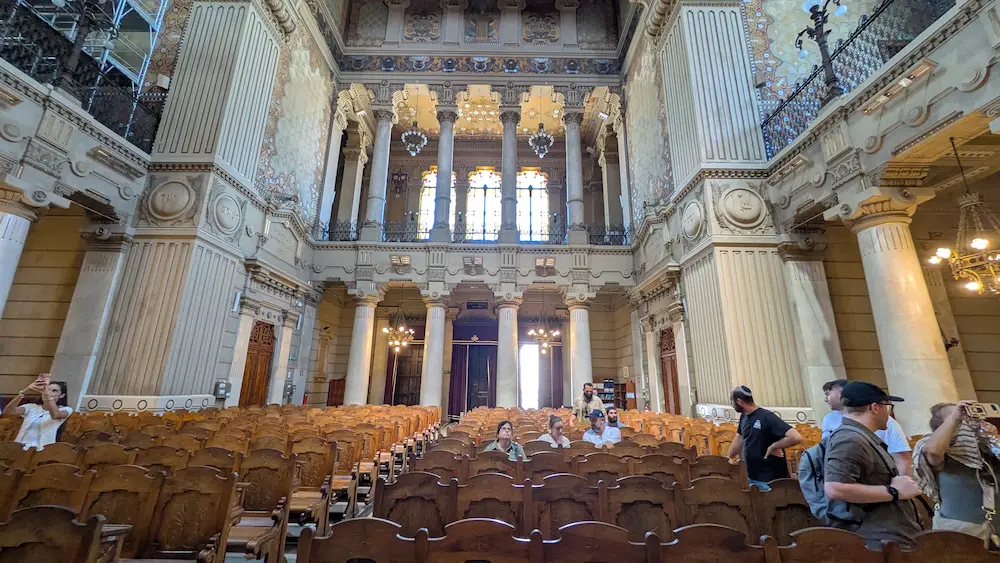
The interior of the Great Synagogue reflects both elegance and restraint.
Natural light pours through stained glass windows, illuminating marble columns, intricate decorative details, and the magnificent Ark that houses the Torah scrolls.
Unlike many European synagogues built during the nineteenth century, the sanctuary avoids excessive ornamentation.
Instead, it creates an atmosphere of dignity.
One immediately senses that this building was designed not simply as an architectural showpiece but as the spiritual heart of a community whose history stretched back more than two millennia.
For visitors, the sanctuary offers another reminder that Jewish history in Rome did not begin with the construction of this building.
Rather, it represents the culmination of centuries of perseverance.
The Ancient Italian Rite
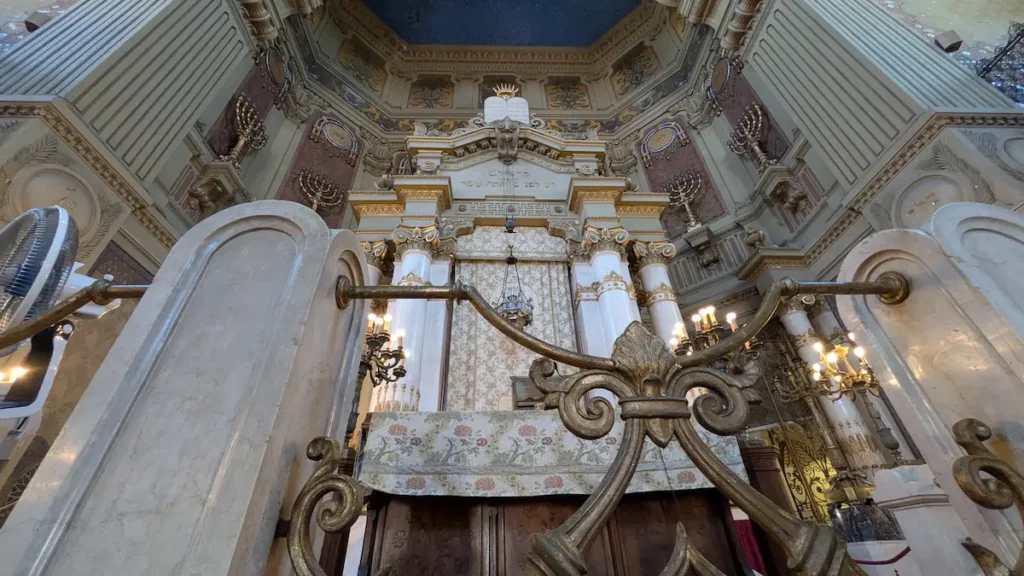
Perhaps the synagogue’s greatest treasure cannot be photographed.
It is heard.
The Great Synagogue preserves the Italian Rite (Minhag Italki), one of Judaism’s oldest surviving liturgical traditions.
Many visitors assume Jewish prayer follows either the Sephardic or Ashkenazic rite.
Rome reminds us that Jewish history is richer than those two categories.
The Italian rite developed independently over many centuries and preserves customs that scholars believe may reflect extremely ancient traditions, some possibly predating the development of both the classic Sephardic and Ashkenazic liturgies.
For Sephardic visitors, this is especially meaningful.
When Spanish Jews arrived after the expulsions of 1492, they did not replace Rome’s ancient traditions.
They preserved their own while respecting the customs already practiced by Rome’s Jewish community.
The result was not competition.
It was coexistence.
That coexistence became one of Jewish Rome’s defining characteristics.
The Jewish Museum of Rome
No visit to the Great Synagogue is complete without exploring the Jewish Museum of Rome, located within the synagogue complex.
The museum transforms buildings and dates into human stories.
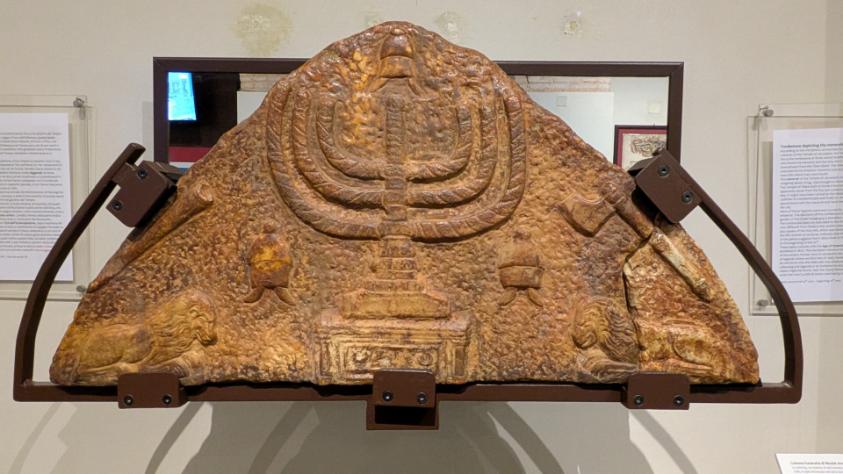
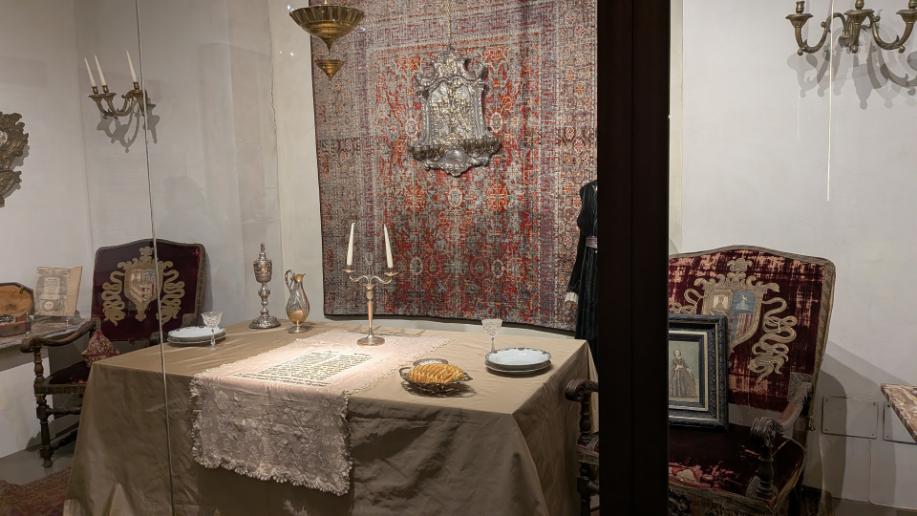
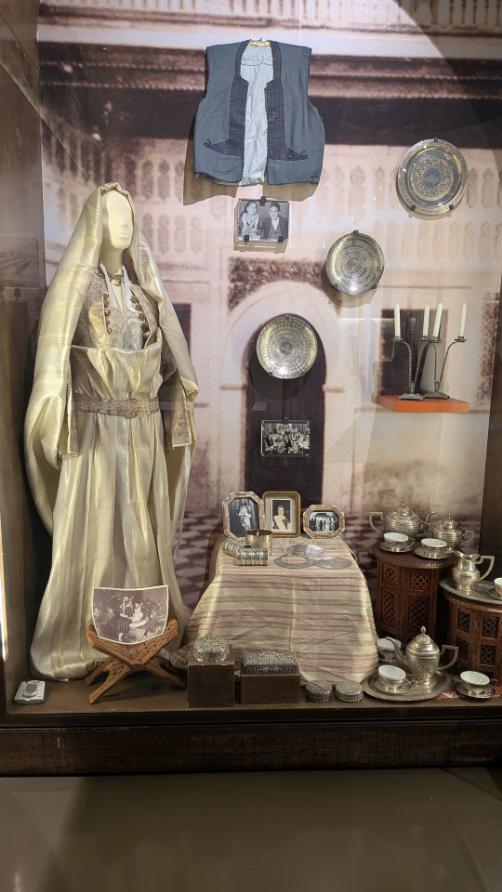
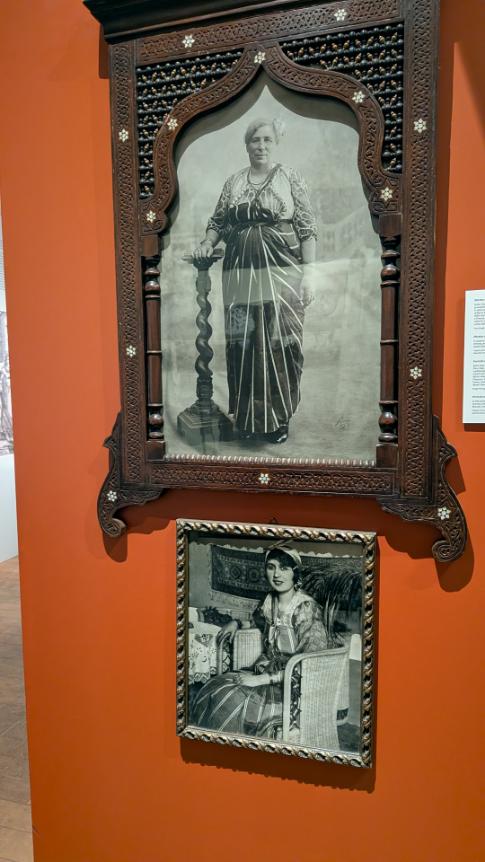
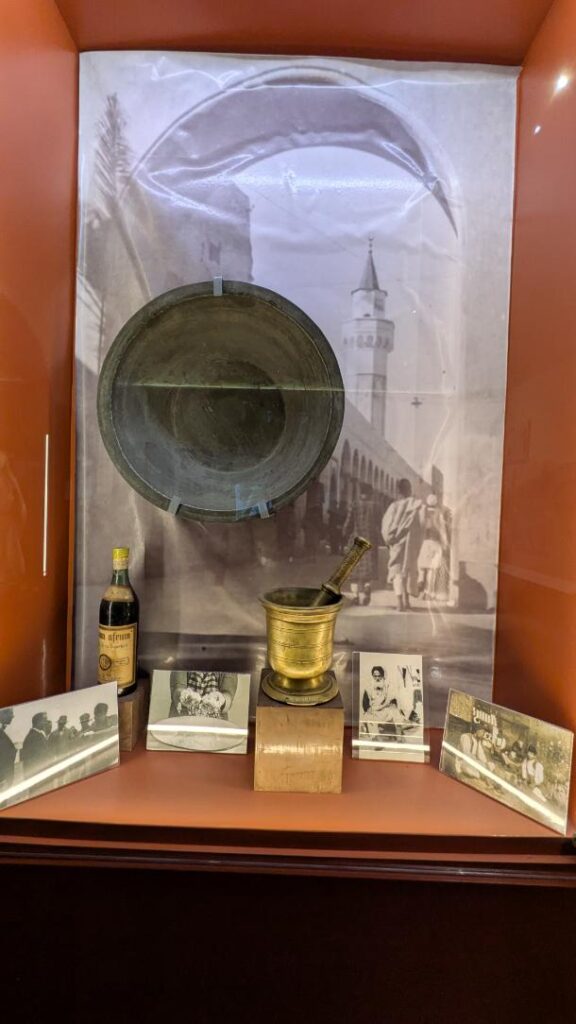
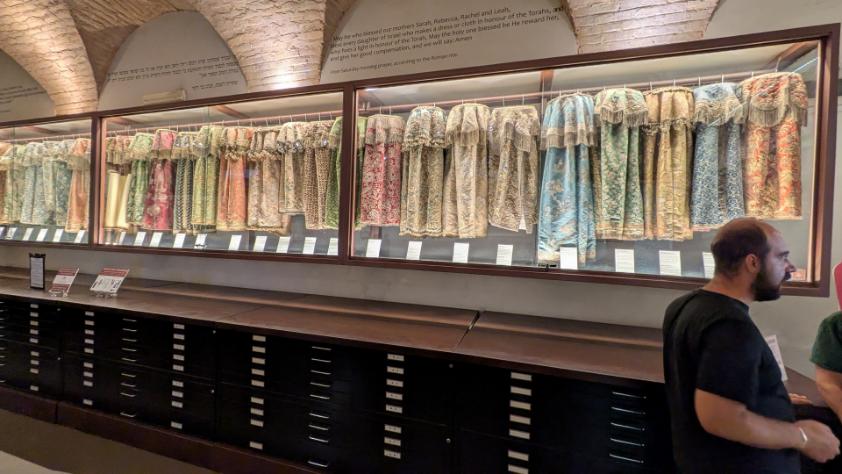
Its collections span more than two thousand years of Jewish life in Rome, preserving ceremonial silver, Torah ornaments, marriage contracts (ketubbot), ancient manuscripts, textiles, synagogue furnishings, and archaeological discoveries.
Many exhibits focus on the vanished Cinque Scole, preserving artifacts rescued before those historic synagogues were demolished to make way for the Great Synagogue.
Walking through the galleries, visitors begin to appreciate that Jewish history survives not only through grand monuments but also through ordinary objects.
A prayer book worn smooth by generations of worshippers.
A Hanukkah lamp passed from parent to child.
A Torah crown commissioned by a grateful family.
Each artifact tells a story.
Together, they tell the story of a civilization.
October 16, 1943
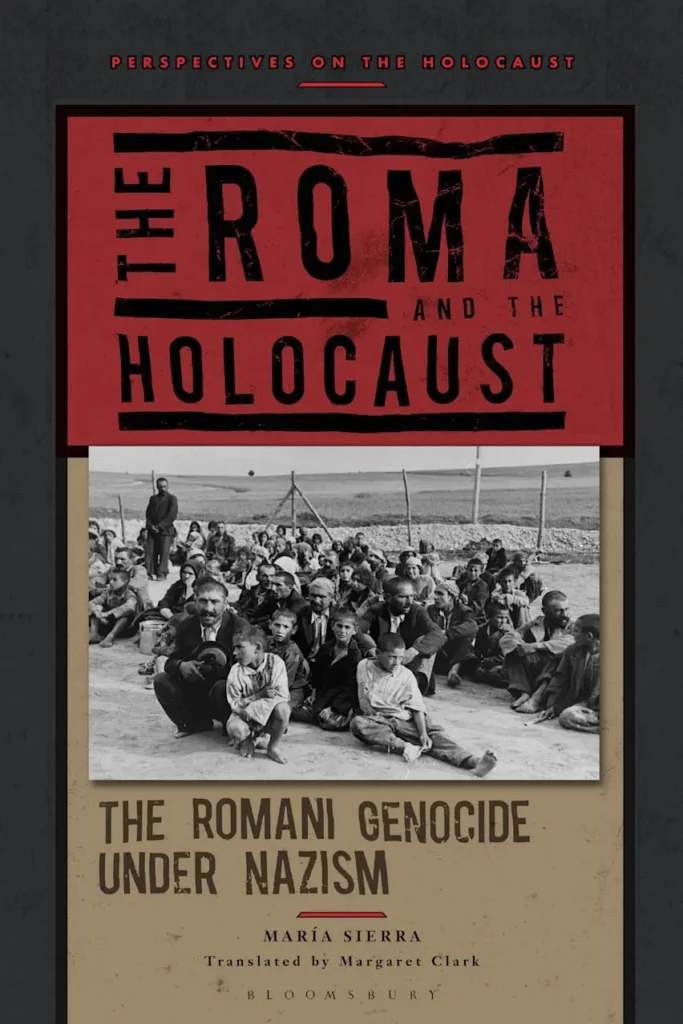
No account of Jewish Rome can ignore the darkest chapter in its modern history.
On the morning of October 16, 1943, Nazi forces surrounded the former Ghetto before dawn.
The operation had been meticulously planned.
German soldiers moved from building to building.
Families were awakened without warning.
Children clung to parents.
The elderly were given only moments to gather belongings.
By the end of the day, 1,259 Jews had been arrested. After several exemptions and releases, 1,022 men, women, and children were deported to Auschwitz on October 18.
Only 16 returned after the war.
Fifteen were men.
One was a woman.
No deported child returned alive.
The numbers are almost impossible to comprehend.
They represent not statistics, but generations of families whose roots in Rome stretched back centuries.
The oldest continuous Jewish community in Europe had once again endured unimaginable loss.
Pope Pius XII: A Continuing Historical Debate
History demands honesty, especially when the evidence is complex.
No figure connected with wartime Rome generates more discussion than Pope Pius XII.
Some historians argue that Pius XII failed to publicly denounce Nazi deportations with sufficient force and believe he should have spoken more directly during the roundup of Rome’s Jews.
Others point to evidence that Catholic convents, monasteries, churches, and Vatican properties sheltered thousands of Jews during the German occupation, often with the knowledge or encouragement of Vatican officials.
The opening of the Vatican archives in recent years has deepened scholarly understanding but has not ended the debate.
For readers of history, the lesson is important.
Serious history does not simplify complicated questions into heroes and villains.
It weighs evidence carefully, acknowledges uncertainty where it exists, and continues searching for truth.
That approach honors both history and those who lived it.
Remembering One Life at a Time
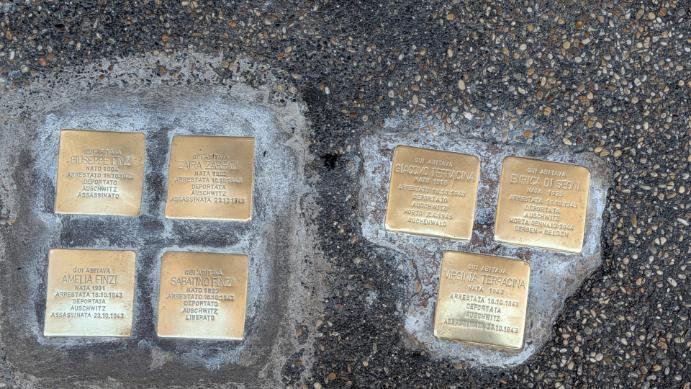
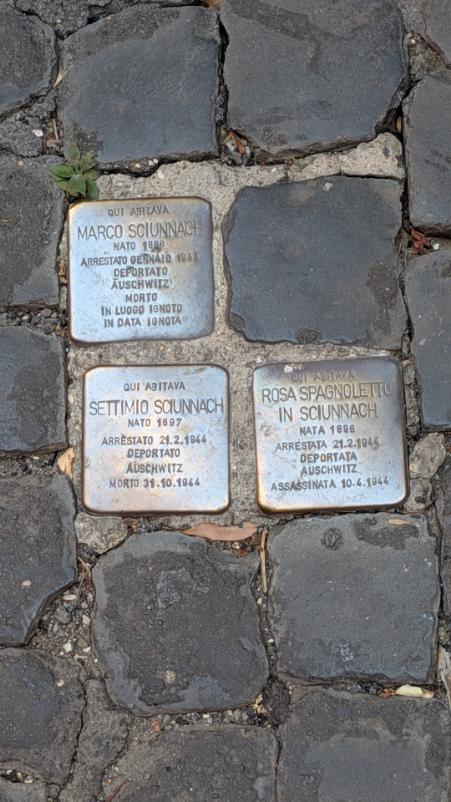
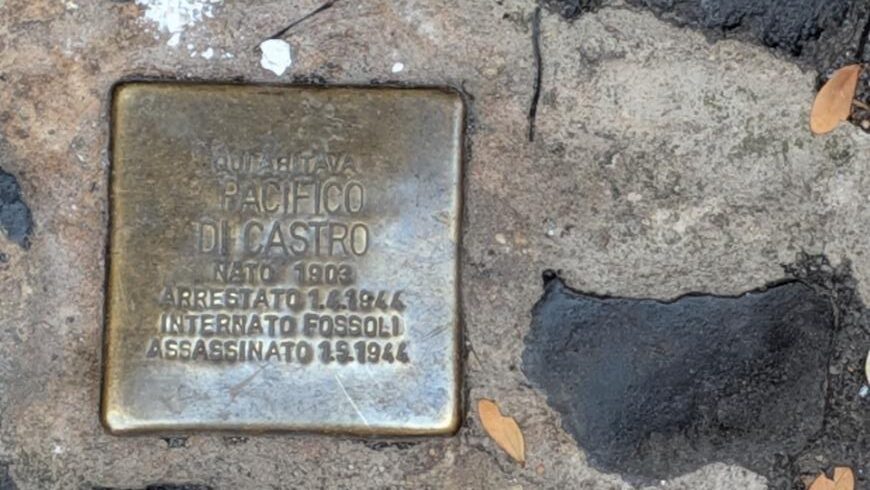
As you leave the synagogue and wander through the surrounding streets, you may notice small brass plaques embedded in the sidewalks.
Many visitors walk past them without realizing their significance.
These are Stolpersteine, or “stumbling stones,” created by German artist Gunter Demnig.
Each stone marks the last freely chosen residence of a Holocaust victim.
Unlike large monuments that commemorate tragedy collectively, these memorials restore individuality.
One stone remembers a tailor.
Another commemorates a physician.
A third bears the name of a young child whose life ended before it had truly begun.
Each inscription is simple.
A name.
A birth year.
A date of deportation.
A place of death, if known.
The stones are intentionally placed where everyday life continues around them.
Children play nearby.
People shop.
Restaurants fill with conversation.
History becomes part of the ordinary landscape.
One must literally slow down to notice them.
That is precisely their purpose.
The German word Stolperstein means “stumbling stone,” but the artist never intended people to trip physically.
He wanted them to stumble emotionally.
To pause.
To read.
To remember.
In Judaism, memory has always been sacred.
The Torah repeatedly commands, “Remember.”
These small brass plaques quietly continue that command.
The Flavors of Jewish Rome
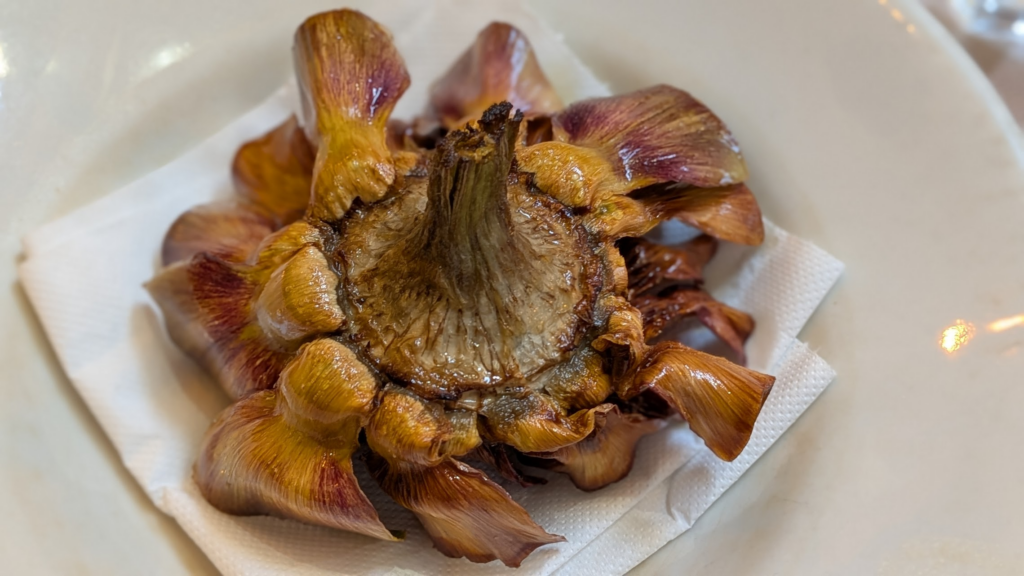
One of the greatest pleasures of visiting Jewish Rome is discovering that history can also be tasted.
Roman Jewish cuisine is among the oldest continuously evolving Jewish culinary traditions in the world.
Unlike the rich stews of Eastern Europe or the fragrant spice blends of Morocco, Roman Jewish cooking developed under very different circumstances.
Centuries of restrictions shaped the menu.
Living within the Ghetto meant families often had limited access to expensive ingredients. They learned to transform simple vegetables, olive oil, fish, and inexpensive cuts of meat into extraordinary dishes.
Necessity became creativity.
Creativity became tradition.
Perhaps no dish better represents Roman Jewish cuisine than Carciofi alla Giudia—Jewish-style fried artichokes.
Prepared using the round Roman artichokes grown in the surrounding countryside, each artichoke is gently opened by hand before being fried twice in olive oil. The second frying causes the leaves to blossom outward like a flower while becoming remarkably crisp.
The result is deceptively simple.
Golden.
Crunchy.
Tender.
It has become one of Rome’s signature dishes, served far beyond the Jewish Quarter.
Its origins, however, belong to the kitchens of Jewish families.
Another local favorite is Filetti di Baccalà—lightly battered and fried salt cod.
Salted fish was inexpensive, stored well, and fit naturally into the cooking traditions of the Ghetto.
Visitors will also encounter dishes such as:
- Fried zucchini blossoms.
- Anchovy preparations.
- Chickpea-based recipes.
- Slow-cooked Sabbath stews.
- Almond desserts reflecting Sephardic influence.
- Citrus-flavored pastries introduced through Mediterranean trade.
Food tells history in ways books sometimes cannot.
A single recipe often preserves centuries of adaptation.
Lunch at La Baghetto


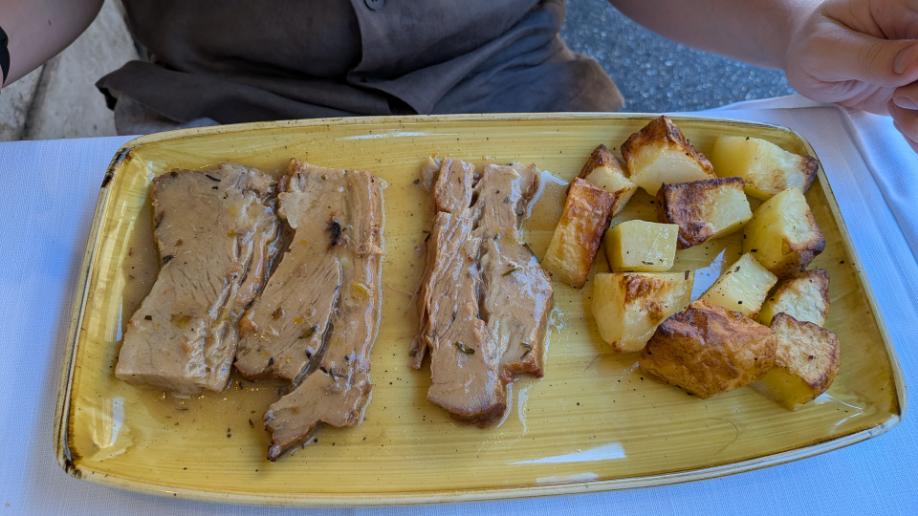
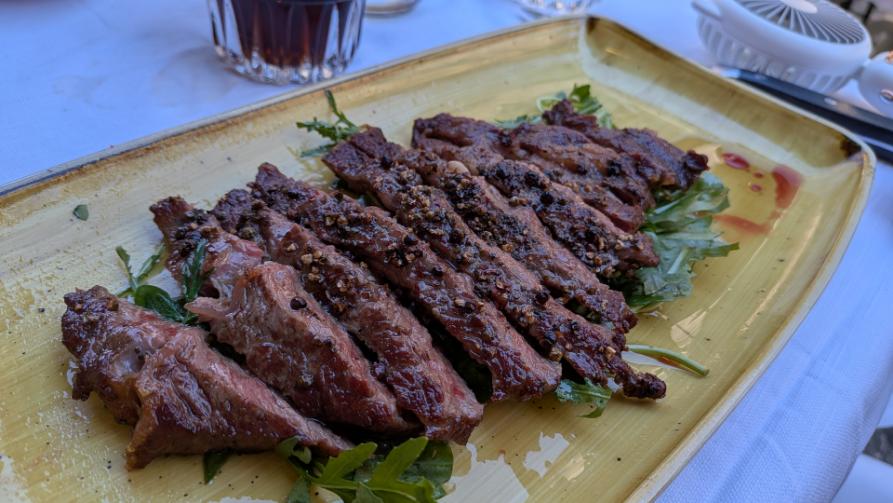

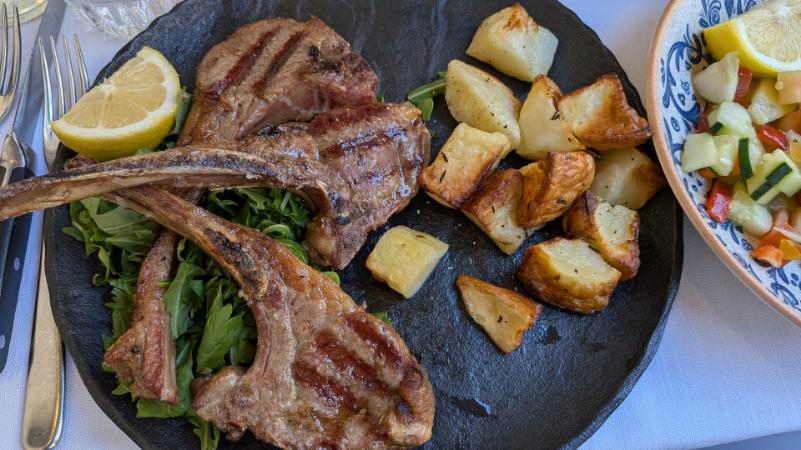

During our visit, we enjoyed lunch at La Baghetto, one of the Jewish Quarter’s best-known kosher restaurants.
The experience offered far more than an excellent meal.
It provided a connection to centuries of Roman Jewish tradition.
Sitting only steps from the streets where generations of Jewish families once lived behind locked gates, it becomes easy to appreciate how closely food and history intertwine.
The menu reflects both ancient Roman Jewish recipes and broader Sephardic influences introduced after the expulsions from Spain and Portugal.
Traditional Roman dishes appear alongside Mediterranean flavors familiar throughout the Sephardic world.
The restaurant itself becomes another chapter in the story.
What was once one of Europe’s most restrictive ghettos has become one of Rome’s most vibrant neighborhoods, where visitors from around the world gather to celebrate Jewish culture openly.
Few places illustrate that transformation more beautifully than sharing a kosher meal within sight of the Great Synagogue.
A Living Community
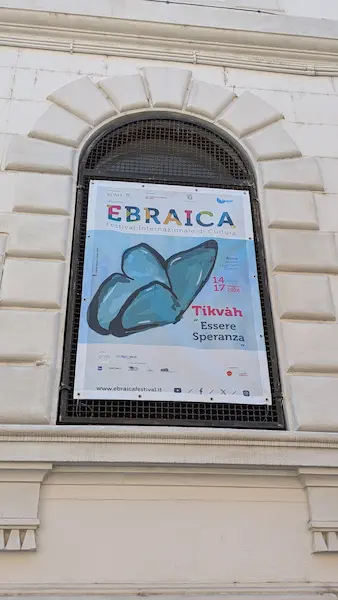
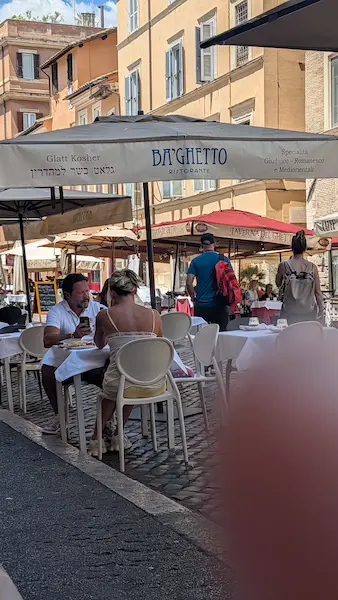


It is tempting to think of Jewish Rome only through the lens of history.
That would be a mistake.
Jewish Rome is not a museum.
It is a living community.
Today, approximately 15,000 Jews live in Rome, making it the largest Jewish community in Italy.
Children attend Jewish schools.
Families celebrate weddings beneath the chuppah.
New Torah scrolls are dedicated.
Bar and Bat Mitzvah celebrations fill the synagogue with joyful song.
The Jewish Community of Rome operates schools, cultural institutions, museums, charitable organizations, youth programs, and one of Europe’s most respected Jewish archives.
Visitors often arrive searching for ancient history.
They leave having encountered a living people.
That distinction matters.
The greatest victory of Jewish Rome is not that its buildings survived.
It is that its community did.
Reflections Beside the Tiber

As evening settles over Rome, the golden light reflects from the waters of the Tiber much as it has for thousands of years.
The river has witnessed everything.
It saw Jewish merchants arriving during the Roman Republic.
It reflected the smoke rising after the destruction of Jerusalem.
It flowed beside the Ghetto walls.
It watched those walls fall.
It witnessed the construction of the Great Synagogue.
It silently carried the grief of October 16, 1943.
Today it reflects a synagogue standing proudly beneath an open sky.
History often remembers civilizations by their monuments.
Rome certainly possesses many.
The Colosseum.
The Forum.
The Pantheon.
The Vatican.
Yet perhaps the city’s greatest monument is not built of marble at all.
It is a community.
For more than twenty-two centuries, the Jews of Rome have endured conquest, exile, persecution, discrimination, emancipation, renewal, and rebirth.
Empires have risen and fallen around them.
Popes have come and gone.
Kings have ruled.
Governments have changed.
Through every chapter, the Jewish people of Rome remained.
For Sephardic Jews, this story carries an additional resonance.
When the exiles of Spain arrived with little more than their faith, language, scholarship, and memories, Rome did not ask them to abandon their identity.
Instead, they joined one of the world’s oldest Jewish communities and added their own chapter to an already remarkable story.
Together, the Italkim and the Sephardim created something extraordinary—a community rooted in antiquity yet continually renewed by new generations.
Standing before the Great Synagogue, it becomes clear that this building represents far more than architecture.
It is the visible symbol of an invisible victory.
Not the victory celebrated by Titus on the nearby arch.
A different victory.
The victory of memory over forgetting.
Of faith over oppression.
Of continuity over destruction.
The Roman Empire built monuments proclaiming that it would last forever.
Most now stand in ruins.
The Jewish community built something less visible.
A tradition.
A faith.
A family.
A people.
Those have endured.
And that may be the greatest lesson Jewish Rome has to offer every visitor who walks its ancient streets.
| Year | Event |
|---|---|
| c. 161–139 BCE | First documented Jewish presence in Rome |
| 63 BCE | Pompey conquers Jerusalem |
| 44 BCE | Jews publicly mourn Julius Caesar |
| 70 CE | Destruction of the Second Temple |
| 81 CE | Arch of Titus completed |
| 1492 | Expulsion of the Jews from Spain |
| 1555 | Pope Paul IV establishes the Roman Ghetto |
| 1798 | Napoleon temporarily abolishes the Ghetto |
| 1870 | End of Papal States; Ghetto abolished permanently |
| 1904 | Great Synagogue inaugurated |
| October 16, 1943 | Nazi roundup of Rome’s Jews |
| Today | Rome remains Italy’s largest Jewish community |
Frequently Asked Questions
More than 2,200 years, making it the oldest continuous Jewish community in Europe.
The Italkim are the ancient Jews of Italy, preserving one of Judaism’s oldest liturgical traditions.
Primarily after the expulsions from Spain (1492) and Portugal (1497), though some Iberian Jews had arrived earlier.
Pope Paul IV established it in 1555 through the papal bull Cum nimis absurdum, requiring Rome’s Jews to live in a walled district.
“Mah Nora HaMakom HaZeh” means “How awesome (or awe-inspiring) is this place,” from Genesis 28:17.
Yes. It stands within the former Ghetto and near the site of the historic Cinque Scole.
Carciofi alla Giudia (Jewish-style fried artichokes) is the signature dish of Roman Jewish cuisine.