Wrestling a Piece of Canaan
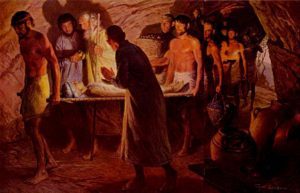
The Burial of Sara [23:1] Sara lived a hundred years,

The Burial of Sara [23:1] Sara lived a hundred years,
By Rabbi Haim Ovadia We tend to classify many of

At first sight the laws of Nazir, detailed in Parashat

Why the Book of Numbers is not about numbers What’s

No matter how well-prepared we are, mentally and emotionally, for

Many people (particularly men) often find themselves in a state

For Sefer Beresheet This article is not a commentary, rather
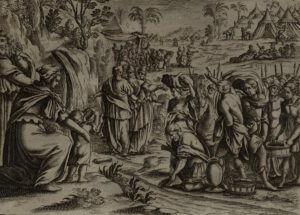
Moshe mobilized the Israelites away from the Sea of Reeds.

For Parashat Ki Tavo אָר֣וּר הָאִ֡ישׁ אֲשֶׁ֣ר יַעֲשֶׂה֩ פֶ֨סֶל וּמַסֵּכָ֜ה
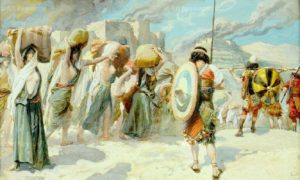
For Parashat Ki Tetze The opening paragraph of Parashat Ki
By Rabbi Haim Ovadia Who initiated Avram’s exodus from Haran?
שָׁלֹ֣שׁ רְגָלִ֔ים תָּחֹ֥ג לִ֖י בַּשָּׁנָֽה – You shall celebrate three

Noah means comfortable. In 5:29 his father names him so

For Parashat Shofetim Halakha, the Jewish legal system, is a

וַיַּ֗עַשׂ אֵ֚ת הַכִּיּ֣וֹר נְחֹ֔שֶׁת וְאֵ֖ת כַּנּ֣וֹ נְחֹ֑שֶׁת בְּמַרְאֹת֙ הַצֹּ֣בְאֹ֔ת אֲשֶׁ֣ר