


When Sukkot ends, the sukkah comes down, and most Jews store their ritual items until next year. Among Sephardic Jews, however, the celebration and holiness of Sukkot continue long after the festival ends.
The sacred symbols of the lulav and etrog — waved joyfully during prayers — are never discarded casually. Instead, Sephardic communities honor them through artistic, spiritual, and culinary traditions, embodying the essence of Sephardic customs after Sukkot.
🕍 The Symbolism of the Four Species
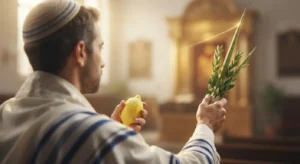
The Arba’at Haminim — etrog (citron), lulav (palm), hadassim (myrtle), and aravot (willow) — each represent a human quality and spiritual dimension:
- Etrog: the heart — sincerity, devotion, and good deeds
- Lulav: the spine — uprightness and moral strength
- Hadassim: the eyes — seeing beauty and compassion
- Aravot: the lips — prayer, speech, and humility
Waving the four together symbolizes unity — among body and soul, people and community, and heaven and earth.
🎨 Moroccan Sephardic Artistry: Decorating the Lulav

Among Moroccan Sephardic Jews, preparing the lulav is a cherished act of beauty and devotion.
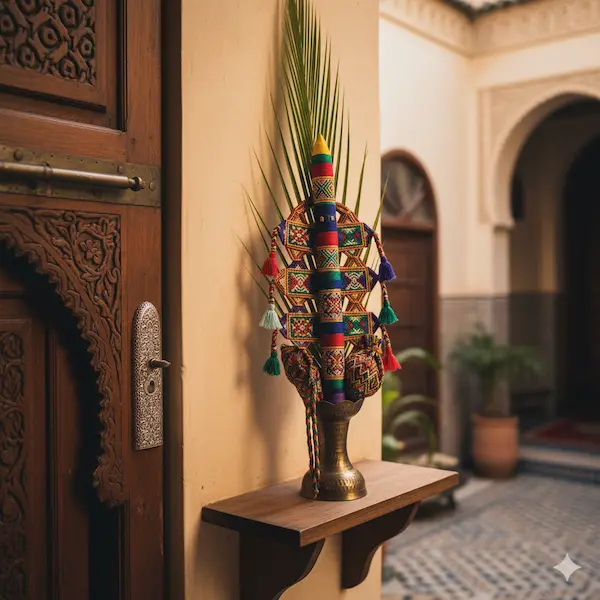
Before Sukkot, families carefully wrap the lulav handle with colorful silk or cotton threads, creating geometric or diamond-shaped patterns in green, red, blue, or gold.
- Threads symbolize joy, blessing, and divine light.
- Matriarchs often perform the wrapping, offering silent prayers for health, prosperity, and peace.
- After Sukkot, many families save or repurpose the threads as charms, keepsakes, or symbols of spiritual continuity.
This custom highlights the Sephardic principle of hiddur mitzvah — beautifying a commandment — turning ritual preparation into sacred artistry.
🌴 What Sephardic Jews Do With the Lulav After Sukkot
After the festival, the lulav continues to serve meaningful purposes:
1. Burning the Lulav With Ḥametz Before Pesach
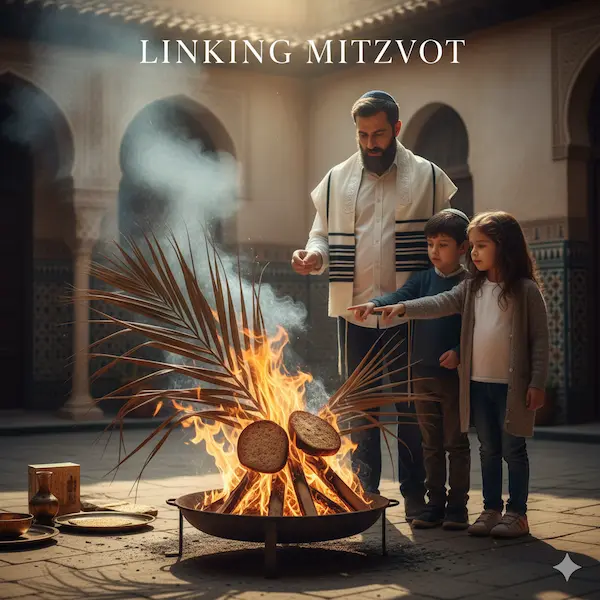
Many Sephardic families dry the lulav and later use it as kindling for burning chametz before Passover. This links one mitzvah to the next, symbolizing the continuity of holiness from Sukkot to Pesach.
2. Fuel for Baking Matzah
In Moroccan and Tunisian traditions, lulav leaves are sometimes used as fuel to bake matzah, again creating a spiritual bridge between the holidays.

3. Keepsake or Home Blessing
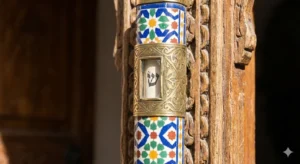
Some families display the lulav near bookshelves or mezuzot as a symbol of protection and divine blessing, reinforcing the message that the spiritual energy of Sukkot remains in the home year-round.
🍋 The Etrog: From Sacred Symbol to Sweet Tradition
The etrog, golden and fragrant, is treasured beyond Sukkot. Sephardic Jews transform it into fragrant keepsakes, culinary delights, or symbols of blessing.
1. Fragrance for the Home and Havdalah
- Dry the etrog or stud it with cloves.
- Use it in Havdalah spice balls, evoking the aroma of Sukkot long after the holiday.
2. Blessings for Fertility and Joy
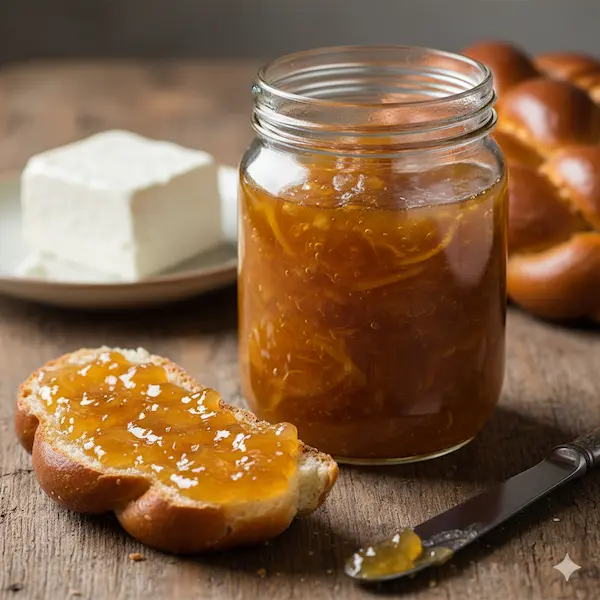
- Eating a small piece of etrog jam is believed to bring fertility or spiritual blessing.
- The etrog’s symbolism of life and fruitfulness continues in family rituals.
3. Preserving the Etrog as Food or Drink
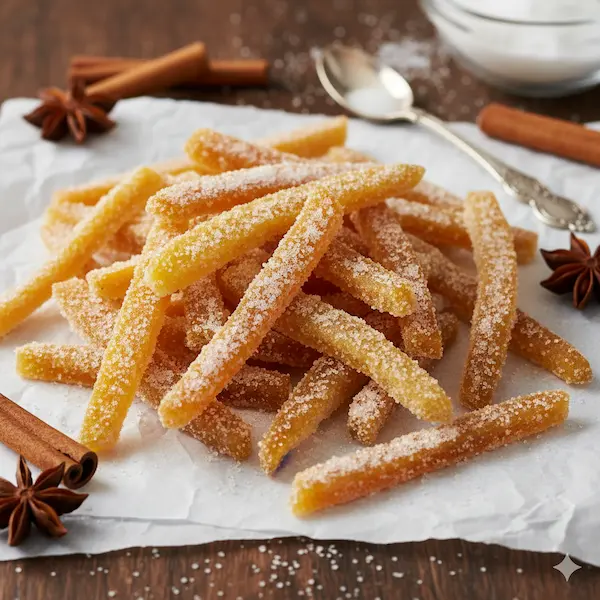
- Candies, jams, and liqueurs extend the joy and fragrance of the holiday through the winter months.
- This also reflects the Sephardic value that nothing used in a mitzvah should be wasted.
🍯 Three Traditional Sephardic Etrog Recipes
Ingredients
Method
- Slice peel thinly, removing white pith.
- Boil three times in water to reduce bitterness.
- Combine sugar, water, and salt; bring to a boil.
- Simmer peels until syrup thickens and becomes translucent.
- Dry on parchment and optionally roll in sugar.
Notes
Ingredients
Method
- Soak chopped etrog overnight to remove bitterness.
- Drain, then cook with sugar, water, and lemon juice for 45–60 minutes until thickened.
- Pour into sterilized jars and seal.
Notes
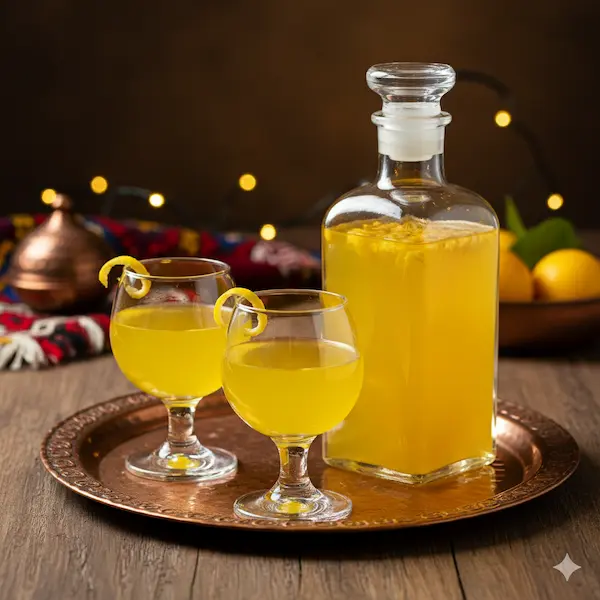
Ingredients
Method
- Infuse etrog zest in alcohol for two weeks, shaking occasionally.
- Strain, then mix with simple syrup (sugar + water).
- Store an additional week before serving.
Notes
🌅 Spiritual Reflections: Carrying Sukkot Forward
Sephardic customs after Sukkot reflect a philosophy that holiness is cyclical, not fleeting.
- The lulav fuels the next festival.
- The etrog sweetens the next season.
- Moroccan artistry and family traditions ensure that beauty, joy, and blessings linger in daily life.
“Do not put away the spirit of Sukkot — carry its joy through acts of kindness, gratitude, and remembrance.”The Ben Ish Chai, Rabbi Yosef Chaim of Baghdad (Vezot HaBerachah 1:8), following the Rema (Orach Chaim 664:9), writes that it is good to save the species used on the festival until Pesach, to burn with the chametz or to use as fuel for baking matzah.Rabbi Yosef Chaim of Baghdad (Ben Ish Hai) emphasizes:
“Do not put away the spirit of Sukkot — carry its joy through acts of kindness, gratitude, and remembrance.”
Through fragrant Havdalah spices, colorful lulav threads, and etrog preserves, Sephardic Jews extend Sukkot’s sacredness into the entire year, celebrating continuity, faith, and family heritage.