
edited by: Mickel Hylton
Introduction to Jamaican Jews
The story of the Jewish community in Jamaica is one of resilience, adaptation, and significant contribution to the island’s rich cultural and economic tapestry. From their initial arrival in the late 15th century, fleeing persecution during the Spanish Inquisition, to their integral role in Jamaica’s development under British rule, the Jews of Jamaica have left an indelible mark on the island’s history.
Historical Overview of Jews in Jamaica
Official records suggest that the arrival of Jews in Jamaica began in the late 15th century, when Sephardic Jews fled the Spanish Inquisition. Seeking refuge from persecution, these Jews initially found a precarious sanctuary under Spanish colonial rule, often practicing their faith covertly as ‘Conversos’ or ‘Crypto-Jews.’ The capture of Jamaica by the British in 1655 marked a turning point, as the more tolerant British governance, influenced by broader Cromwellian policies of religious tolerance, allowed Jews to practice their religion and establish a vibrant community openly.
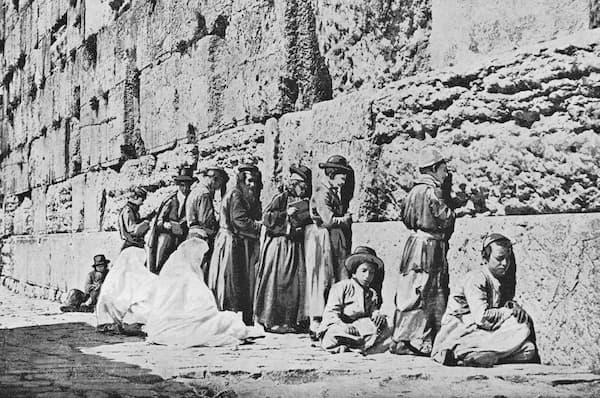
Throughout the 17th and 18th centuries, Jamaica’s Jewish population grew as more Sephardic Jews—and later Ashkenazi Jews—settled on the island. They built synagogues, established cemeteries, and founded educational institutions, laying the groundwork for a robust community. Notable families like the Da Costas, Lamegos, and Henriques emerged as influential figures, significantly contributing to the island’s economic and social fabric.
Importance of the Jewish Community in Shaping Jamaican Culture and Economy
The Jewish community played a pivotal role in shaping Jamaica’s economy, particularly through their involvement in trade, agriculture, and industry. They were instrumental in the development of key sectors such as sugar, coffee, cocoa, rum, and tobacco. Leveraging their extensive trade networks, they connected Jamaica to Europe, the Americas, and other parts of the Caribbean, facilitating the flow of goods, information, and capital.
Beyond economic contributions, the Jews of Jamaica enriched the island’s cultural landscape. They contributed to the dissemination of knowledge and literature through the creation of institutions and the publication of literature. Jewish traditions and festivals blended with local customs, creating a unique cultural fusion. Culinary practices, language, and music were all influenced by this integration, with traditional Jewish foods being adapted to include local ingredients and Portuguese and Spanish being incorporated into the Jamaican dialect.
The resilience and adaptability of the Jewish community were particularly evident in their response to natural disasters and social changes. Despite facing numerous challenges, including earthquakes and hurricanes, they continually rebuilt and strengthened their community. Their philanthropic efforts extended beyond their community, contributing to the welfare and development of the wider Jamaican society through funding schools, hospitals, and other social services.
As we delve deeper into the history of the Jewish community in Jamaica, the next section will explore the establishment of their institutions, the cultural integration, and the notable families that played significant roles in the island’s development.
Early History
The history of Jews in Jamaica is rich with tales of migration, adaptation, and resilience. From their initial arrival in the late 15th century to the profound impact they have had on the island’s development, the Jewish community’s journey in Jamaica is a testament to their enduring spirit.
Arrival of Sephardic Jews Fleeing the Spanish Inquisition in the Late 15th Century
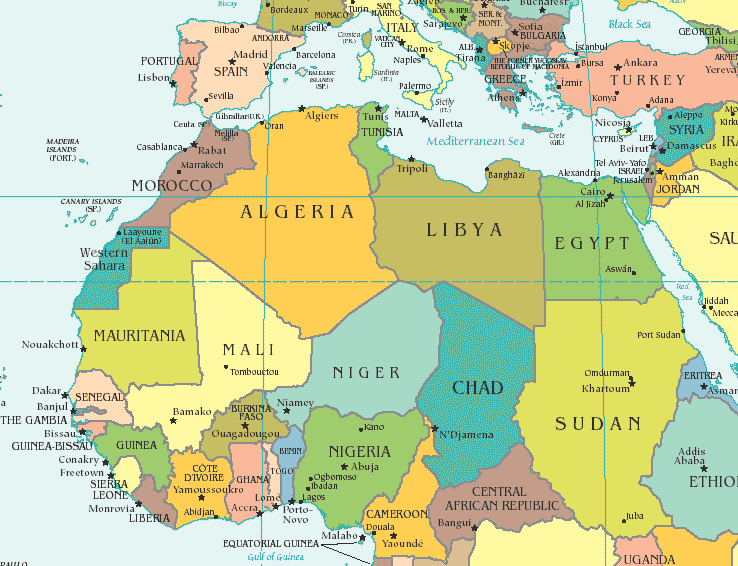
The story begins with the expulsion of Jews from Spain in 1492 under the Alhambra Decree, a part of the Spanish Inquisition. This decree forced thousands of Sephardic Jews to flee their homeland to escape persecution. Many sought refuge in neighbouring Portugal, but a similar expulsion followed in 1497. Faced with limited options, these Jews dispersed across Europe and the Mediterranean, with some venturing as far as the Caribbean in search of safety and new opportunities.
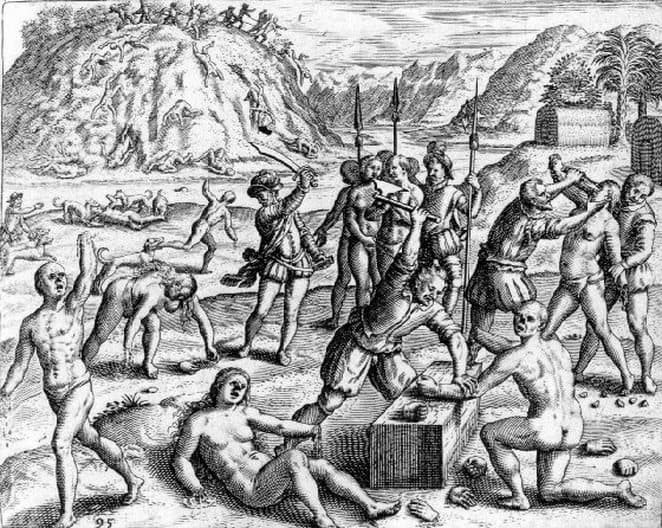
Jamaica, claimed by Christopher Columbus for Spain in 1494, became one of the destinations for these Sephardic Jews. Some historians speculate that conversos—Jews who had converted to Christianity under duress—may have accompanied Columbus on his voyages. While this is debated, it is widely accepted that Sephardic Jews began arriving in Jamaica soon after Spanish colonization. Refugees initially had to practice their faith in secret, often living as ‘Conversos’ or ‘Crypto-Jews,’ outwardly adhering to Catholicism while secretly maintaining Jewish traditions. To conceal their identity, they often referred to themselves as ‘Portuguese,’ both to reflect their heritage and to mask their religious affiliation. Their clandestine practice was protected from the Inquisition by the Columbus family, who controlled the island as their fiefdom until the British captured it.
Settlement in Jamaica Under Spanish and Then British Rule
Life under Spanish rule posed significant challenges for Jewish settlers. Despite the protection of the Columbus family, the Spanish Inquisition sought to extend to the island, enforcing Catholic orthodoxy. This precarious existence marked the early years of the Jewish presence in Jamaica. At the time of the British conquest of the island in 1655, General Venables recorded the presence of many ‘Portuguese’ in Jamaica. Despite these harsh conditions, the Jewish community managed to establish a foothold, contributing to the local economy through trade and commerce.
The 1655 British capture of the island meant greater freedom. Unlike their Spanish predecessors, the British were more tolerant of religious diversity. This change in governance allowed Jews to practice their religion more openly and without fear of persecution. As a result, the Jewish community began to flourish, attracting Sephardic Jews from other parts of the Caribbean and Europe.
It is recorded that the principal pilot upon whom Admiral Penn and General Venables relied during their assault on Jamaica—landing at Passage Fort on 16 May 1655—was a converso, Captain Campoe Sabbatha. Another converso, Acosta, played a critical role as well: he served as the superintendent of the commissariat for the English troops and acted as the chief negotiator in the Spanish surrender.
The Shift from Conversos to Open Practice of Judaism After British Conquest in 1655
The British conquest of Jamaica ushered in a new era of religious freedom for the Jewish community. No longer forced to hide their faith, Jews openly practiced Judaism, built synagogues, and established communal institutions. The Jews were granted British citizenship by Cromwell, a status later confirmed by King Charles in 1660. This enabled them to own property and participate more fully in society.
Jamaica’s Jewish population was never large, but their contributions to the island’s economic and commercial life were significant. One of the earliest developments was the construction of a synagogue in Port Royal, symbolizing newfound religious freedom. Unfortunately, this synagogue was destroyed by the catastrophic earthquake and tsunami of 1692, which nearly obliterated Port Royal. Approximately 2,000 people perished in the disaster, including 21 Jews.
Evidence of early synagogues comes from a Deed of Title from 1676, in which John Peeke of Port Royal sold property to the Jewish community—presumably for use as a house of worship. Further confirmation comes from a letter written on the day of the 1692 earthquake by Edmund Heath of Port Royal, who wrote, “I turned in ye Jews Street to get home when their Synagogue fell by my side.”
Ethnic Complexity and the Ashkenazi Presence
Jamaica’s Jewish community was ethnographically complex. Though they spoke Portuguese and traced their diaspora to Amsterdam, English Jamaicans often perceived them as French, partly because many had “re-Judaized” in Bayonne, France. Most had Mediterranean features but were labeled “mulatto” by white Christians. While they looked to London as the imperial center, their religious and cultural ties remained rooted in the Judeo-Portuguese world.
Though few, Yiddish-speaking Jews from German lands were present from the earliest days. One early figure, diamond trader Benjamin Franks, lived in Port Royal before the 1692 earthquake. Ashkenazim were generally under the authority of the dominant Portuguese Jewish community and worshipped with them. For example, German cantor Michael Leoni sang in Kingston’s Portuguese synagogue. However, intermarriage was prohibited, and ethnic separation was maintained. Some Ashkenazim settled in Black River and later established an independent community in Kingston in 1787, followed by Spanish Town in 1790. Ashkenazi migration increased in the 19th and 20th centuries.
The Destruction of Port Royal and Subsequent Emancipation
Although the Jewish population was granted freedom of religion under British rule, they were not initially afforded full civil rights. Heavily taxed and restricted in property ownership, Jews faced discriminatory policies, including a poll tax in the 1670s and lump-sum levies in the 1680s and 1690s. After the 1692 earthquake, they were ordered to pay £750—later increased to £1000—to help rebuild. These special taxes were abolished in 1741.
During the emancipation period of the 1800s, through the efforts of Moses Delgado, Jamaica became the first British territory to abolish political disabilities against Jews. This occurred in 1831, well before England followed suit in 1858.
In the years following, Jews took prominent political roles. Alexander Bravo was elected to the Colonial Assembly in 1835 and later became Receiver General. Other Jewish politicians included Daniel Hart, Jacob Sanguinetti, and Samuel Barnett. In 1849, the House of Assembly adjourned on Yom Kippur out of respect for the eight Jewish members present.
By the time Jamaica’s Constitution was abolished in 1866 in favor of Crown Colony governance, thirteen of the forty-seven Assembly members were Jewish. Jews actively contributed to commerce, agriculture, and media. Notably, Joshua and Jacob deCordova founded The Gleaner newspaper in 1834, which remains the oldest continuously published newspaper in the West Indies.
As the community grew, so did its influence on the island’s social, economic, and cultural fabric. The Jews played a crucial role in developing Jamaica’s trade networks and industries, particularly in agriculture and commerce. Their contributions laid the groundwork for a thriving community that would continue to integrate into Jamaican society while maintaining its distinct cultural and religious identity.
Community Development
The development of the Jewish community in Jamaica is marked by the establishment of significant religious, educational, and cultural institutions. These efforts not only provided the community with a strong foundation but also contributed immensely to the island’s broader society.
Establishment of Synagogues
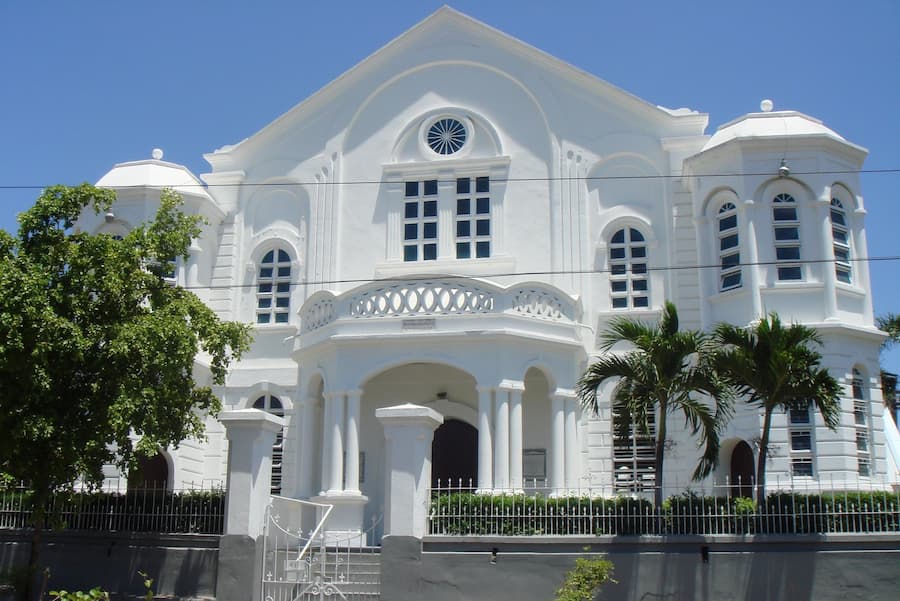
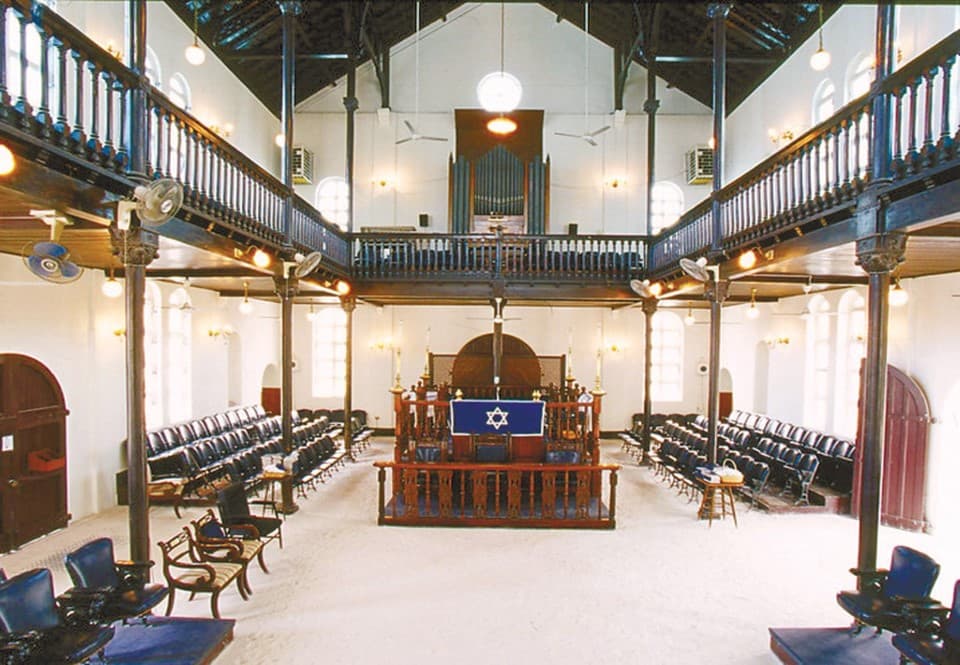
Sha’are Shalom Synagogue in Kingston
Many Jewish people lived in Port Royal during this period, and by the late seventeenth century, a synagogue had been established in what was then a flourishing town. After the devastating earthquake of 1692, a large portion of the Jewish population relocated to Kingston. In 1744, land was acquired on Princess Street for the construction of a synagogue, and by 1750, the Portuguese Synagogue was officially consecrated.
In 1789, a second synagogue was built, known as the Ashkenazi or English Synagogue. By the 1830s, growing migration from England made the building too small. It was expanded in 1837 with financial support from the Jamaican House of Assembly (£1,000) and the Kingston Corporation (£700).
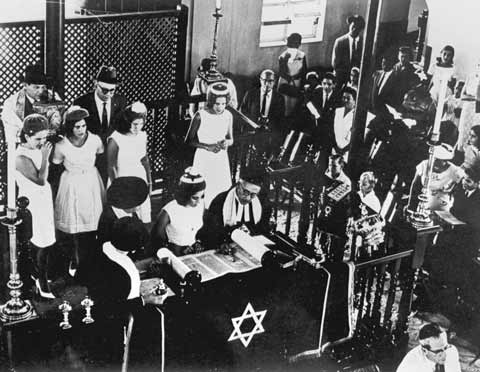
By 1881, Jamaica had approximately 2,500 Jews. The two synagogues coexisted until 1882, when the Great Fire of Kingston destroyed both. Within months, the community attempted to unite under the Amalgamated Synagogue of Israelites. Although some ritual disagreements caused the effort to falter, the majority supported unification. In 1885, the foundation stone of the Duke Street Synagogue was laid, and the building was consecrated in 1888.
Meanwhile, the original Sephardic congregation built a new synagogue at 58 East Street in 1884, and the Ashkenazi community built one on Orange Street in 1894. Thus, Kingston had three congregations.
In 1907, an earthquake destroyed both the Duke Street and East Street synagogues. The East Street Synagogue was the first house of worship rebuilt and was consecrated on March 22, 1907. The Ashkenazi congregation built a new synagogue on Hanover Street, consecrated in 1910.
In December 1920, negotiations began to unify the communities. On April 5, 1921, the Sephardic congregation formally adopted the Memorandum of Amalgamation already accepted by the Ashkenazi congregation, forming the United Congregation of Israelites. At that time, Kingston’s Jewish population was about 900.
The current structure of the Duke Street Synagogue—Kahal Kadosh Sha’are Shalom—was rebuilt in 1911 and consecrated in 1912. It is the only active synagogue in Jamaica today. Despite damage from Hurricane Gilbert in 1988, the synagogue remains a powerful symbol of resilience and continuity.
Creation of Jewish Cemeteries
Hunt’s Bay Cemetery and Other Historical Burial Sites
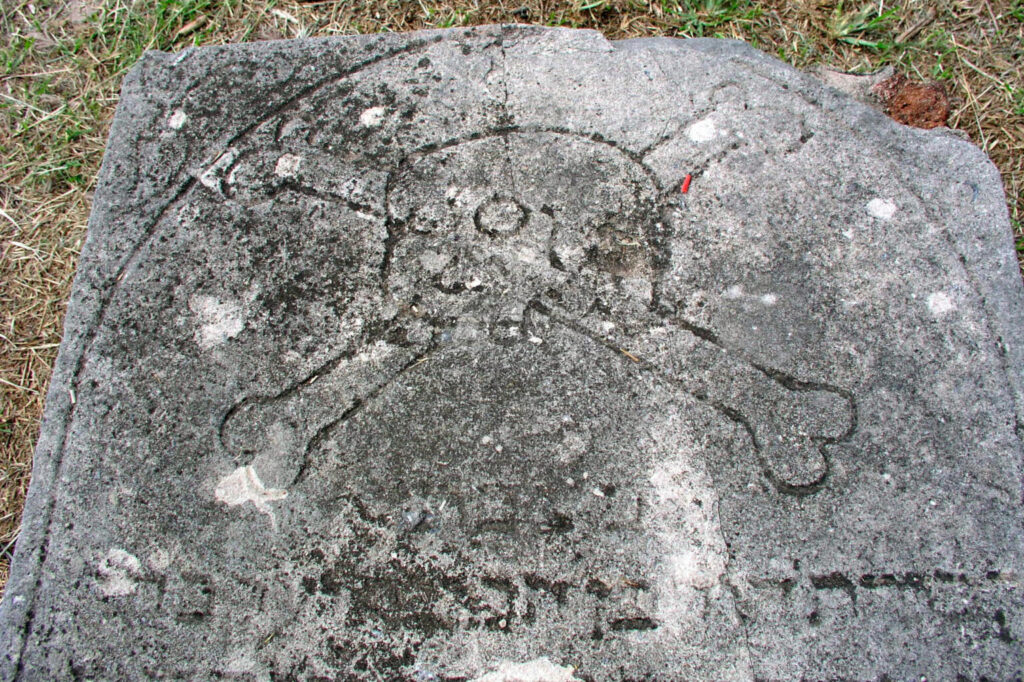
Jewish cemeteries were among the first institutions established by the community, ensuring that burial practices adhered to Jewish law. At the height of the Jewish presence, Jamaica had 21 cemeteries; 13 remain today, with two still in use. The oldest, Hunt’s Bay Cemetery, dates to the 1670s and is one of the oldest Jewish cemeteries in the New World. It is also the oldest denominational cemetery in Jamaica and is a protected historical site.
These cemeteries serve not only as resting places but also as historical landmarks. Tombstone inscriptions in Hebrew provide a valuable record of the community’s heritage.
Formation of Educational Institutions
Early Jewish Schools and the Hillel Academy
Education has always been a cornerstone of Jamaica’s Jewish community. Early settlers established schools, known as Beit Limmud, offering both religious and secular education. These institutions preserved Jewish traditions and prepared future generations.
In the 1960s, the Hillel Academy in Kingston was founded to provide modern, secular education without Christian religious influence. Though Jewish in its roots, Hillel Academy is a non-sectarian institution serving both Jewish and non-Jewish students. Today, it is one of the island’s leading schools, known for academic excellence and diversity.
Social and Cultural Contributions
First Book Printed in Jamaica
After the introduction of the first printing press on the island by Robert Baldwin, the publisher of Jamaica’s first newspaper, the Weekly Jamaican Courant in 1718, the first Jamaican resident under British rule to publish a book in 1720 was a Jewish man and Spanish poet Daniel Israel Lopez Laguna, who fled to Jamaica in the late 17th century to escape the Inquisition. His book entitled,
Espejo Fiel de Vidas que Contiene Los en Verso, Psalmos de David, Obra Devota, Vtil, y Deleytable
turned the Psalms of David (which had helped him to survive much torture at the hands of the Spanish for his Jewish faith) into song.
Integration of Jewish Traditions into Local Culture
Jewish traditions and festivals were integrated into the local culture, enriching Jamaica’s cultural landscape. During the festival of Purim, for example, the community would hold celebrations that included elements of local customs and cuisine. The observance of Passover was adapted to include Caribbean flavours, with traditional dishes incorporating local ingredients such as yams and plantains and breadfruit.
Contributions to Literature, Music, and Festivals
The cultural contributions of Jamaican Jews are evident in the fields of literature, music, and festivals. Jewish writers and poets added to the island’s literary heritage, while Jewish musicians and composers influenced the local music scene.
As we continue to explore the rich tapestry of the Jewish community in Jamaica, the next section will delve into their economic contributions, highlighting the key industries and trade networks that Jewish families established and nurtured on the island.
Economic Contributions
The Jewish community in Jamaica has played a pivotal role in the island’s economic development, making substantial contributions across various sectors and industries. From the early days of settlement, Jews in Jamaica engaged actively in trade, leveraging their networks and expertise to facilitate commerce both locally and internationally. They played key roles in importing goods and exporting local produce, contributing to the growth of Jamaica’s economy.
Among the industries where Jews made significant impacts were agriculture, commerce, and construction. These sectors were crucial to Jamaica’s economy during different periods of history. Jewish entrepreneurs and merchants, such as the Da Costas, Lamegos, and Henriques, owned and managed plantations, mills, and refineries, driving production and exportation.
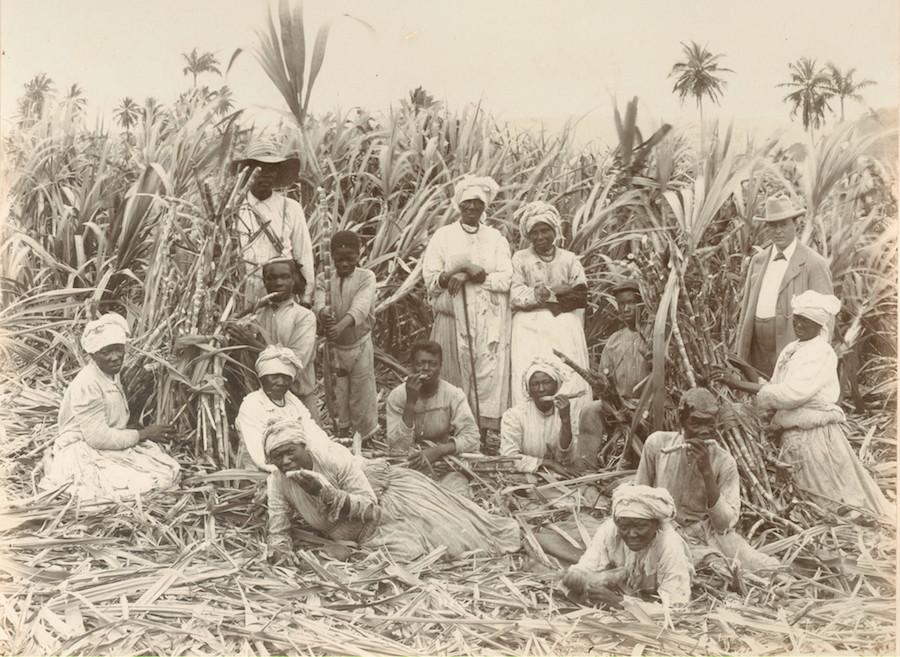
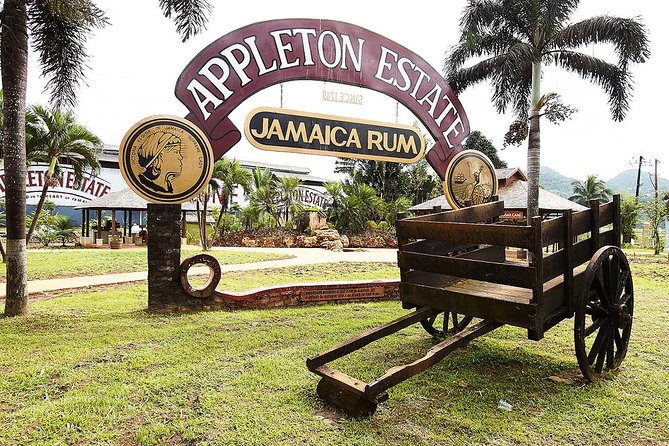
Several Jewish families were involved in the sugar industry, which was the backbone of Jamaica’s economy during the colonial period. They owned and operated sugar plantations, contributing to the island’s status as a leading producer of sugar in the Caribbean. Whilst they were involved in the institution of chattel enslaved labour and plantation society, the Jamaican Jewish population was not as prominently involved as their white, British contemporaries and faced several disabilities against owning enslaved people and operating plantations.
Jews were also involved in coffee and cocoa cultivation, which flourished in Jamaica’s fertile lands. Their investments and expertise helped expand these industries, making Jamaican coffee and cocoa highly sought after in international markets.
In addition to agricultural products, Jewish merchants played significant roles in the rum and tobacco industries. They invested in distilleries and tobacco plantations, producing high-quality products that were exported worldwide.
In more modern times, the Jewish community engaged more fully in the areas of construction and commerce, with the arrival of Jews from the Ottoman Empire. Some Jewish families, such as the Matalons, who are of Syrian extraction, have played a significant role in the development of housing in Jamaica. Additionally, the members of the Henriques family have contributed to architectural masterpieces like the Ward Theatre in downtown Kingston.
Jewish Family Names
Several surnames are associated with the Jamaican Jewish community, some of which have been anglicised and are from European, North African, and Middle Eastern origins. Names such as:
Abrahams, Alexander, Andrade, Babb, Barrett, Benjamin, Bent, Carvalho, Codner, D’Aguilar, Da Silva, De Cohen, DeCosta, De La Roche (also appearing as Roach or Roche), De Leon, Delisser, DeMercado, De Souza, Eben, Ebanks, Fuertado, Hart, Henriques, Ibanez, Isaacs, Levy, Lindo, Lyon, Machado, Magnus, Marish, Matalon, Mendes, Myers, Nunes, Mudahy, Pimentel, Reuben, Rodriques, Sangster, Steibel, and Vaz. This list is not exhaustive, but it highlights the varied origins of the Jamaican Jewish community.
Some Notable Jewish Families
- Da Costas: The Da Costa family was one of the most influential Jewish families in Jamaica. They were involved in various industries, including sugar and coffee production, and their economic activities spanned generations.
- Lamegos: The Lamegos family made substantial contributions to the rum industry. They owned distilleries and were instrumental in establishing Jamaica’s reputation for producing fine rum.
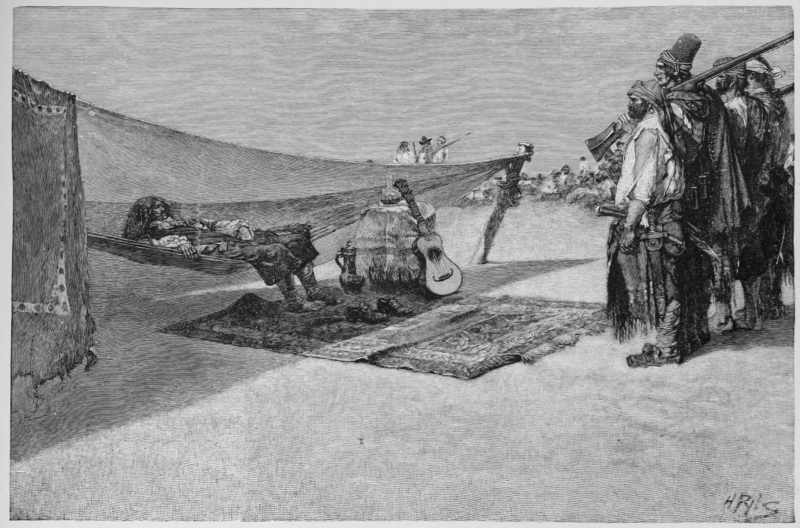
- Henriques: The Henriques family played a pivotal role in trade and commerce. Moses Cohen Henriques, for instance, was recognised not only for his business acumen but also for his involvement in privateering activities that aided in securing British dominance over Jamaica from the Spanish.
Establishment of Trade Networks Connecting Jamaica to Europe, the Americas, and Other Caribbean Islands
Jewish merchants in Jamaica established extensive trade networks that connected the island to Europe, North America, and other Caribbean islands. These networks facilitated the exchange of goods, capital, and information, contributing to Jamaica’s economic prosperity and cultural diversity.
The strategic location of Jamaica in the Caribbean made it a crucial hub for trade routes. Jewish traders leveraged this position to import manufactured goods from Europe and North America and export agricultural products such as sugar, coffee, and rum. Their connections with Jewish communities in other parts of the world further enhanced Jamaica’s role in global trade.
As we delve deeper into the economic contributions of Jamaican Jews, the next section will explore their cultural integration and the lasting impact of their social and philanthropic endeavours on the island’s development.
Jewish Pirates and Privateers
The Presence of Jewish Pirates and Privateers in the Caribbean
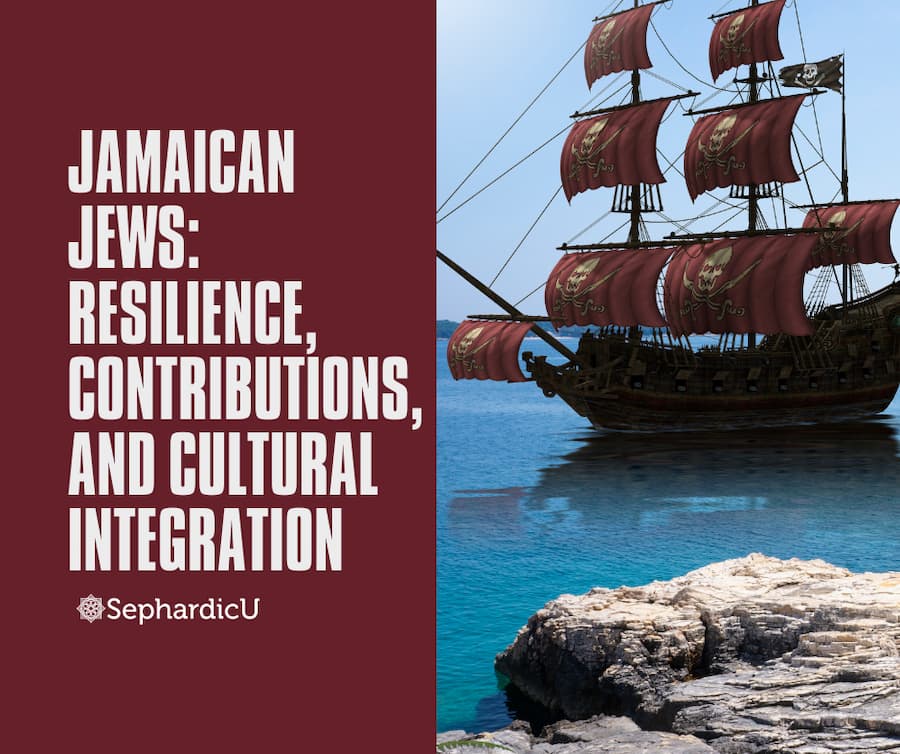
The presence of Jewish pirates and privateers in the Caribbean during the Age of Exploration and Colonialism adds a fascinating dimension to the history of Jamaican Jews.
Role of Jewish Pirates in the Caribbean
Jewish pirates played significant roles in the Caribbean, engaging in acts of piracy and privateering that influenced the region’s maritime history. Privateering, sanctioned by European governments, allowed private individuals to attack and seize enemy ships during wartime, with the promise of legal immunity and a share of the spoils.
Notable Figures Such as Moses Cohen Henriques
Jewish Privateer Moses Cohen Henriques
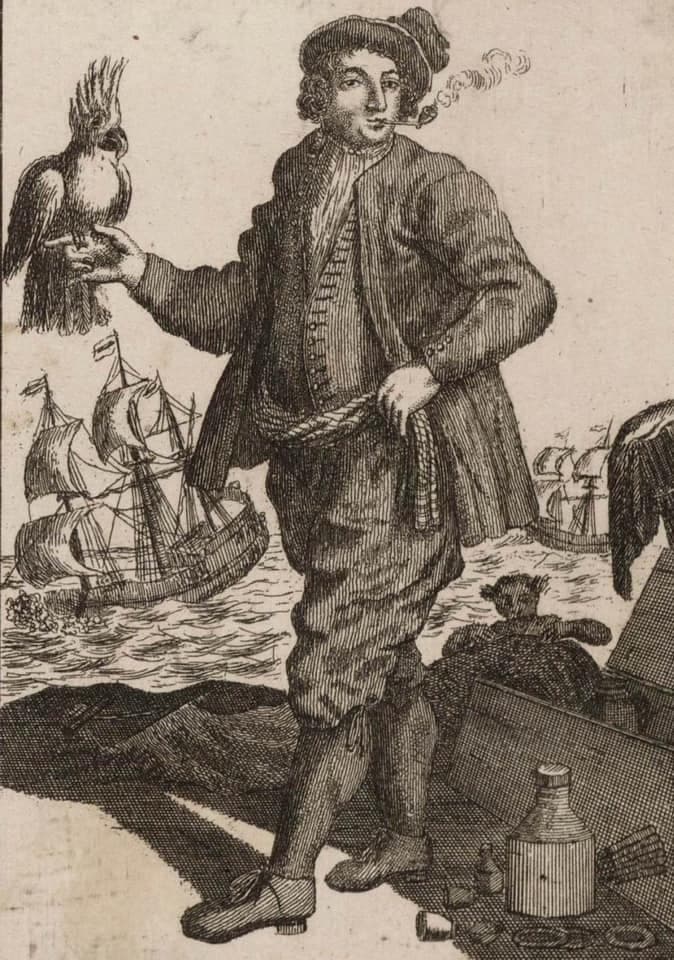
Moses Cohen Henriques stands out as one of the most notable Jewish privateers in Caribbean history. Born into a Sephardic Jewish family, Henriques hailed from Portugal but found himself drawn to the adventurous life of a privateer. He is best known for his involvement in the capture of Spanish and Portuguese ships during the early 17th century. Henriques operated in the Caribbean and in total his plunder and haul from his raids on the Spanish is estimated to be about 1 billion USD in current value.
Henriques played a pivotal role in securing British control of Jamaica from the Spanish. His maritime exploits, including successful raids and engagements at sea, contributed to the weakening of Spanish dominance in the region and bolstered British ambitions in the Caribbean.
Beyond his military prowess, Henriques exemplified the entrepreneurial spirit of Jamaican Jews. He navigated complex political and economic landscapes, forging alliances with European powers and fellow privateers to advance his interests. His actions not only enriched himself and his crew but also contributed to the broader geopolitical changes unfolding in the Caribbean during his time.
The presence of Jewish pirates and privateers underscores the diverse roles Jews played in Caribbean society. Their activities, while controversial and often condemned by contemporary moral standards, illustrate their agency and adaptability in navigating the complex realities of colonial life. As we explore the legacy of Jamaican Jews, their contributions as privateers serve as a testament to their resilience and capacity to influence historical narratives in unexpected ways.
Cultural Integration
The cultural integration of Jamaican Jews is a fascinating tale of adaptation, exchange, and creativity, blending Jewish traditions with the vibrant tapestry of Jamaican culture.
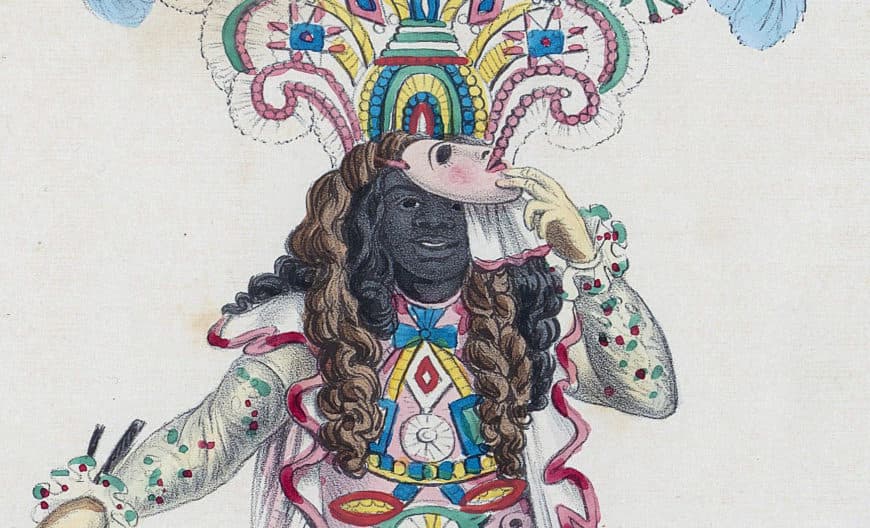
Koo-koo or Actor Boy by Isaac Mendes Belisario, 1837
Blending of Jewish and Jamaican Cultures
From the early days of settlement, Jamaican Jews actively engaged with local customs and traditions while maintaining their distinct religious identity. This cultural exchange led to a rich synthesis of practices and beliefs, shaping a unique Jamaican-Jewish heritage.
Cuisine: Adaptation of Kosher Cooking with Local Ingredients
One of the most visible aspects of cultural integration for Jamaican Jews was in their cuisine. The Jewish community skilfully adapted traditional kosher cooking practices to incorporate the rich array of local ingredients and flavours available in Jamaica. This culinary fusion created unique dishes that honoured Jewish dietary laws while embracing the island’s vibrant food culture.
Fusion of Jewish and Caribbean Culinary Traditions
Jamaican Jews brought with them a wealth of traditional recipes that adhered to kosher dietary laws. Upon settling in Jamaica, they found a variety of new ingredients—tropical fruits, vegetables, and spices—that were vastly different from those in their ancestral homelands. Rather than abandoning their culinary heritage, they adapted these recipes to include local produce and flavours, resulting in a delightful blend of Jewish and Caribbean cuisines.
Examples of Adapted Dishes
For instance, traditional Sephardic Jewish dishes such as fish escabeche (escovitch) and spicy eggplant salad were transformed with the inclusion of Jamaican ingredients. Fish escabeche, typically prepared with vinegar and spices, might incorporate local Jamaican fish like snapper or kingfish. This not only adhered to kosher practices but also took advantage of the fresh, flavourful fish available in the Caribbean.
Callaloo with Jerk Chicken
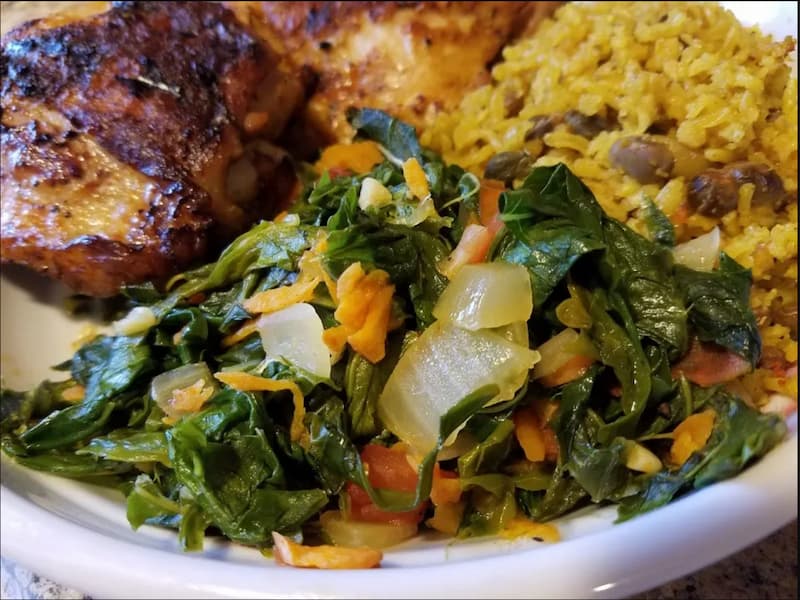
Spicy eggplant salad, a beloved Sephardic dish, was similarly adapted. Instead of the standard Mediterranean ingredients, Jamaican Jews might incorporate local produce such as callaloo (a leafy green similar to spinach) and Scotch bonnet peppers. These ingredients added new textures and flavours to the dish, creating a unique version that was distinctly Jamaican yet deeply Jewish.
Influence of Caribbean Spices
Caribbean cuisine is renowned for its bold and aromatic spices, and these flavours were seamlessly integrated into kosher cooking. Spices such as allspice, Scotch bonnet peppers, and pimento added a new dimension to traditional Jewish dishes. For example, brisket or cholent (a slow-cooked stew) could be seasoned with allspice and pimento, infusing the meat with the distinctive warmth and depth of Caribbean spice profiles.
Celebration of Diversity and Innovation
The result was a culinary tradition that celebrated diversity and innovation, offering a taste of both worlds on a single plate. This fusion not only satisfied religious dietary requirements but also contributed to the gastronomic diversity of Jamaican cuisine. The adaptation of kosher cooking practices with local ingredients and flavours created a unique and rich culinary heritage that continues to be celebrated today.
Language: Integration of Spanish and Portuguese Words into Local Dialect Due to Jewish Influence
Language also played a crucial role in cultural integration. Spanish and Portuguese words found their way into the Jamaican dialect, enriching local vocabulary with terms related to Jewish religious practices, foods, and familial relationships. This linguistic exchange facilitated communication and fostered a deeper understanding between Jamaican Jews and their non-Jewish neighbours.
Music: Fusion of Traditional Jewish Melodies with African Rhythms
The integration of music was not merely a cultural exchange but also a celebration of shared experiences and histories. Jewish musicians collaborated with local artists, contributing to the development of Jamaican music genres such as reggae and ska. This cross-cultural pollination enriched the musical landscape of Jamaica and highlighted the interconnectedness of diverse cultural traditions.
As we explore the enduring impact of Jamaican Jews, the next section will delve into their economic contributions, highlighting their involvement in trade, agriculture, and manufacturing, and their establishment of trade networks that connected Jamaica to Europe, the Americas, and other Caribbean islands.
Challenges and Resilience
The history of Jamaican Jews is marked by resilience in the face of challenges, including natural disasters, economic fluctuations, and cultural shifts.
Natural Disasters and Economic Fluctuations
Jamaica’s geographical location exposes it to natural disasters such as hurricanes and earthquakes, which have historically posed significant challenges to the island’s inhabitants, including the Jewish community. These disasters often caused widespread destruction, affecting both infrastructure and livelihoods.
Economic fluctuations, including shifts in global trade patterns and market demands, also impacted Jamaican Jews who were involved in industries such as sugar, coffee, and rum and commerce. Changes in economic conditions could lead to periods of prosperity followed by economic downturns, requiring adaptation and resilience from the community. Many opted to migrate to other countries due to political and social issues, spurred on by economic downturns.
Rebuilding and Adaptation
Despite facing adversity, Jamaican Jews demonstrated remarkable resilience through rebuilding efforts and adaptation strategies.
The Jewish community in Jamaica, like the rest of the population, faced various challenges, including natural disasters. One such significant event was the Kingston fire of 1882. This catastrophic fire ravaged the commercial district, destroying 570 houses and leaving 6,000 people homeless. The devastation caused by this fire required immense resilience and rebuilding efforts from all affected, including the Jewish community. Despite these adversities, the Jewish population remained steadfast, contributing to the reconstruction and continuing to play a vital role in Jamaica’s cultural and economic landscape.
Intermarriage and Integration with Other Ethnic Groups
Throughout their history in Jamaica, Jews have engaged in intermarriage and integrated with other ethnic and religious groups on the island. This cultural blending enriched the social fabric of Jamaican society, fostering greater understanding and cooperation between different communities.
Intermarriage facilitated cultural exchange and contributed to the diversity of perspectives within the Jewish community. It also strengthened ties between Jamaican Jews and their non-Jewish neighbours, promoting mutual respect and cooperation.
Modern Community
The Jewish community in Jamaica today reflects a legacy of resilience and adaptation, maintaining its cultural and religious identity while actively engaging with the broader society.
Current State of the Jewish Community in Jamaica
In the present day, the Jewish community in Jamaica remains small yet vibrant, comprising individuals and families who continue to uphold their religious traditions and cultural heritage. While the community has experienced demographic changes over time, including emigration to other countries, its presence on the island endures through concerted efforts to preserve its legacy.
Preservation of Heritage Through Religious Services, Cultural Events, and Educational Programmes
Central to the community’s preservation efforts are religious services, cultural events, and educational programmes that celebrate Jewish traditions and values. Synagogues such as Sha’are Shalom in Kingston continue to serve as focal points for worship, community gatherings, and educational activities.
Cultural events, including festivals like Passover and Hanukkah, showcase Jewish customs and culinary delights, providing opportunities for both the Jewish community and the wider Jamaican population to learn about and appreciate Jewish heritage. Educational programmes, ranging from Hebrew classes to lectures on Jewish history and ethics, play a crucial role in passing down traditions and fostering a sense of continuity among younger generations.
Community Engagement in Interfaith Dialogue and Social Initiatives
Beyond internal preservation efforts, the Jewish community in Jamaica actively participates in interfaith dialogue and social initiatives that promote mutual understanding and collaboration.
Engaging with other religious and cultural groups on the island, Jamaican Jews contribute to initiatives aimed at fostering tolerance, respect, and shared values.
Social initiatives led by the community address issues such as poverty alleviation, education reform, and environmental conservation, reflecting a commitment to social justice and community welfare. These efforts not only strengthen bonds within the Jewish community but also contribute positively to the broader Jamaican society.
Interesting Facts
Exploring the history of Jamaican Jews reveals intriguing facts that highlight their impact on the island’s cultural, historical, and intellectual landscape.
Historical Landmarks such as Hunt’s Bay Cemetery
One of the most significant historical landmarks associated with Jamaican Jews is Hunt’s Bay Cemetery. Established in the 17th century, this cemetery serves as a testament to the long-standing presence of Jews in Jamaica. The tombstones, many inscribed in Hebrew, offer a glimpse into the lives and legacies of early Jewish settlers, reflecting their contributions to Jamaican society.
Stories of Jewish Pirates and Their Impact on Caribbean History
The stories of Jewish pirates in the Caribbean, including notable figures like Moses Cohen Henriques, add a colourful chapter to the region’s maritime history. These pirates and privateers played pivotal roles in conflicts between European powers, contributing to geopolitical shifts and influencing trade routes in the Caribbean.
Moses Cohen Henriques, for instance, distinguished himself not only through daring maritime exploits but also through strategic alliances that helped shape British control of Jamaica. His actions underscore the complex intersections of commerce, politics, and cultural identity in the Caribbean during the Age of Exploration.
Notable Contributions to Jamaica’s Intellectual and Cultural Life
Jamaican Jews have made significant contributions to the island’s intellectual and cultural life across various fields. From literature to music and beyond, their influence is evident in the diversity and richness of Jamaican cultural heritage.
- Literature: Jewish writers and poets have contributed to Jamaican literature, weaving themes of identity, history, and societal change into their works. Their perspectives offer nuanced insights into the complexities of Jamaican society.
- Music: The fusion of Jewish melodies with Caribbean rhythms has left an indelible mark on Jamaican music. Jewish musicians have enriched local musical traditions, contributing to genres such as reggae and ska with their distinctive sounds and compositions.
- Intellectual Pursuits: In intellectual circles, Jamaican Jews have engaged in academia, journalism, and public discourse, contributing to debates on politics, economics, and social issues. Their voices have added depth and diversity to Jamaican intellectual life, shaping narratives and fostering critical inquiry.
As we continue our exploration of Jamaican Jewish history, the next section will delve into their enduring legacy in business and community leadership, highlighting their contributions to economic development and social progress in Jamaica.
Indigo: Symbol of Resilience and Cultural Heritage
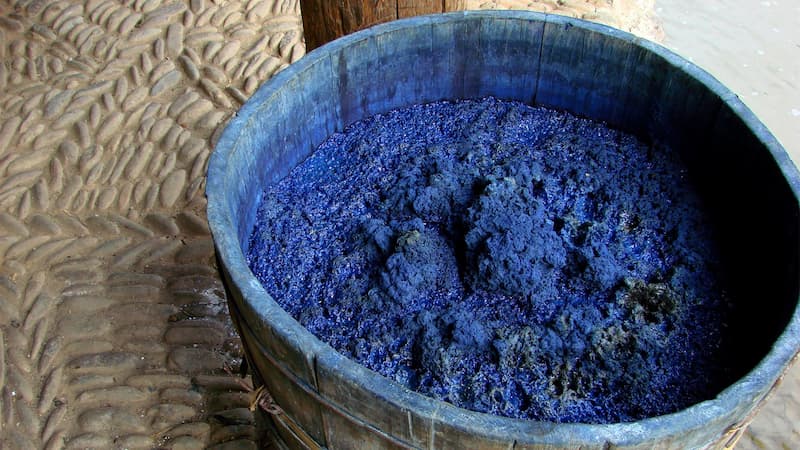
Indigo holds a profound place in Jamaica’s history, particularly during the colonial era when it was a vital crop alongside sugar and coffee. The cultivation of indigo, with its rich blue dye extracted from the Indigofera plant, was integral to the island’s economy, relying heavily on enslaved labour from Africa. Beyond its economic role, indigo became a symbol of resilience and cultural heritage. Its deep blue hue adorned textiles exported worldwide, showcasing Jamaican craftsmanship and creativity.
Today, efforts to preserve traditional indigo dyeing techniques highlight its enduring significance in Jamaican culture, reflecting both its historical importance and its role in contemporary artistic expression.
People of Note with Jamaican Jewish Connections
Altamont Ernest DaCosta (1868–1935) was a prominent Jamaican Jewish merchant, politician, and philanthropist. He served as Mayor of Kingston (1925–1927), sat on the Legislative Council, and was a Justice of the Peace. His home became the Altamont DaCosta Institute, later housing the Jamaica School of Arts and Crafts.
Andrea Levy FRSL (1956–2019) was an English author renowned for Small Island and The Long Song. Born in London to Jamaican parents, her work explores British-Jamaican identity. Of primarily Afro-Jamaican descent, she also had a Jewish paternal grandfather from a long-established Jamaican family and a Scottish maternal great-grandfather.
Christopher Percy Gordon Blackwell (born 22 June 1937) is a legendary Jamaican-British music producer and founder of Island Records, credited with popularising reggae worldwide. Inducted into the Rock and Roll Hall of Fame, he is hailed as one of the greatest record executives in history. He is of Sephardic Jewish descent through his Jamaican mother.
Daniel Lopez Laguna (1635–1730) was a Jewish poet known for Espejo fiel de Vidas, a Spanish poetic adaptation of the biblical Psalms, published in London with support from the local Portuguese-Jewish community.
Dr. Winston Mendes Davidson (1946–2023) was a public health specialist, telemedicine pioneer, and professor who headed the School of Public Health & Health Technology at the University of Technology, Jamaica. He had Jewish roots through his Sephardic maternal family, Mendes. He served as a hazzan at Sha’are Shalom Synagogue and was a founding member of the Jamaica Public Health Doctors Association and the Jamaica Menopause Society, as well as a former president of the Medical Association of Jamaica.
Eleyahu Joseph Matalon (1924–1999) was a Jamaican businessman and senior People’s National Party politician. He served as Mayor of Kingston and held ministerial posts in Education and National Security. Of Syrian-Jewish heritage, he was widely respected for his public service.
George Stiebel (c. 1821–1896), widely regarded as Jamaica’s first Black millionaire, made his fortune in South American gold mining and owned 99 properties across the island. He was the builder of the famed Devon House in Kingston. Born to Sigismund Stiebel, a German-Jewish merchant, and Eliza Catherine Bailey, a Jamaican of African and European descent, Stiebel’s heritage reflected Jamaica’s diverse society. His father’s wealth and Jewish trading networks played a key role in his early success.
Hakham Josiah Pardo (1626–1684) was Jamaica’s first Rabbi.
Harry Belafonte (born Harold George Bellanfanti Jr., 1927–2023) was an American singer, actor, and civil rights activist of Jamaican heritage. Born to Jamaican parents, he had Sephardic Jewish ancestry through his paternal grandfather. A cultural icon, he was known for popularising calypso music and championing social justice.
Hugh Lawson Shearer (1923–2004) was a Jamaican trade unionist and politician who served as Jamaica’s third Prime Minister (1967–1974). His mother was of Spanish-Portuguese Jewish Jamaican descent.
Isaac Mendes Belisario (1795–1849) was a Jamaican artist of Jewish descent, known for documenting post-Emancipation life in Jamaica through his art. Active in Kingston, he was among the first to centre Jamaican culture in his work. His 1837–38 lithograph series with Adolphe Duperly offers rare visual records of African-Jamaican traditions like Jonkonnu.
Ivanhoe Mordecai Barrow (1911–1979) was a Jamaican cricketer who played 11 Tests for the West Indies in the 1930s. Born in Morant Bay to Sephardic Jewish parents, he was one of the early pioneers of West Indies cricket. He was educated at Wolmer’s Schools in Kingston.
Jacob Raphael De Cordova (1808–1868) was a Jamaican Jewish publisher and politician, best known as the founder of the Jamaica Gleaner. He later settled in Texas, where he served in the Texas House of Representatives in 1847.
Mark Jefferson Golding (born 19 July 1965) is a Jamaican politician and the current Opposition Leader and President of the People’s National Party. A former attorney and investment banker, he has served as Minister of Justice and Member of Parliament. Born in Jamaica to Patricia Levy, daughter of a Jamaican doctor and his Australian wife, and Sir John Golding, whose parents were Lithuanian Jews who settled in the UK.
Myer (Michael) Leoni (1750–1797) was a tenor opera singer in London and Dublin and the composer of the celebrated Leoni Yigdal, a rendition of the Yigdal prayer. He served as cantor of the Great Synagogue in London and was hazzan of the Spanish-Portuguese synagogue in Kingston before residing in Jamaica from 1788 until his death.
Phillip Henriques is a Jamaican politician representing Clarendon North Western in Parliament since 2020. He is a member of Jamaica’s Jewish community, with his brother, David Stephen Henriques, serving as a lay minister at the Sha’are Shalom Synagogue.
Robert Nesta Marley OM (1945–1981) was a Jamaican singer, songwriter, and pioneer of reggae music, celebrated worldwide for his distinctive style and spiritual Rastafarian influence. His father, Norval Marley, was of Syrian-Jewish descent through his mother, Ellen Broomfield.
Sean Paul Ryan Francis Henriques (born 9 January 1973) is a Grammy-winning Jamaican hip-hop and reggae artist known for Dutty Rock. Born in Kingston, he is the grandson of a Sephardic Jewish grandfather and a direct descendant of the 17th-century pirate Moses Cohen Henriques. His mother, a renowned painter, is of English and Chinese descent.
Conclusion
The legacy of Jamaican Jews spans centuries, defined by resilience, innovation, and rich cultural exchange. Arriving as refugees from the Spanish Inquisition, they integrated into Jamaican society while maintaining a vibrant religious and cultural identity despite facing hardships such as natural disasters and economic upheavals.
Historically, Jamaican Jews played pivotal roles in the early Spanish and British settlements, contributing significantly to trade, agriculture, and intellectual life. Notable figures like Moses Cohen Henriques highlight their lasting impact. Culturally, they enriched Jamaica’s heritage by blending kosher traditions with local flavours, weaving Hebrew and Ladino into the island’s dialect, and fusing Jewish melodies with Caribbean rhythms. Economically, their involvement in key industries such as sugar, coffee, and rum, alongside the establishment of global trade networks, was vital to Jamaica’s prosperity.
Today, although smaller in number, the Jewish community in Jamaica continues to thrive. They actively preserve their heritage, engage in interfaith dialogue, and lead social initiatives, embodying values of resilience, adaptability, and unity. Their enduring story of cultural exchange and coexistence offers valuable lessons in diversity and mutual understanding for future generations.
People of Note with Jamaican Jewish Connections
Altamont Ernest DaCosta (1868–1935) was a prominent Jamaican Jewish merchant, politician, and philanthropist. He served as Mayor of Kingston (1925–1927), sat on the Legislative Council, and was a Justice of the Peace. His home became the Altamont DaCosta Institute, later housing the Jamaica School of Arts and Crafts.
Andrea Levy FRSL (1956–2019) was an English author renowned for Small Island and The Long Song. Born in London to Jamaican parents, her work explores British-Jamaican identity. Of primarily Afro-Jamaican descent, she also had a Jewish paternal grandfather from a long-established Jamaican family and a Scottish maternal great-grandfather.
Christopher Percy Gordon Blackwell (born 22 June 1937) is a legendary Jamaican-British music producer and founder of Island Records, credited with popularising reggae worldwide. Inducted into the Rock and Roll Hall of Fame, he is hailed as one of the greatest record executives in history. He is of Sephardic Jewish descent through his Jamaican mother.
Daniel Lopez Laguna (1635–1730) was a Jewish poet known for Espejo fiel de Vidas, a Spanish poetic adaptation of the biblical psalms, published in London with support from the local Portuguese-Jewish community.
Dr. Winston Mendes Davidson (1946–2023) was a public health specialist, telemedicine pioneer, and professor who headed the School of Public Health & Health Technology at the University of Technology, Jamaica. He had Jewish roots through his Sephardic maternal family, Mendes. The doctor served as a hazzan at Sha’are Shalom Synagogue. He was also a founding member of the Jamaica Public Health Doctors Association and the Jamaica Menopause Society, and a former president of the Medical Association of Jamaica.
Eleyahu Joseph Matalon (1924–1999) was a Jamaican businessman and senior People’s National Party politician. He served as Mayor of Kingston and held ministerial posts in Education and National Security. Of Syrian-Jewish heritage, he was widely respected for his public service.
George Stiebel (c. 1821–1896), widely regarded as Jamaica’s first Black millionaire, made his fortune in South American gold mining and owned 99 properties across the island. He was the builder of the famed Devon House in Kingston. Born to Sigismund Stiebel, a German-Jewish merchant, and Eliza Catherine Bailey, a Jamaican of African and European descent, Stiebel’s heritage reflected Jamaica’s diverse society. His father’s wealth and Jewish trading networks played a key role in his early success.
Hakham Josiah Pardo (1626–1684) was Jamaica’s first Rabbi.
Harry Belafonte (born Harold George Bellanfanti Jr., 1927–2023) was an American singer, actor, and civil rights activist of Jamaican heritage. Born to Jamaican parents, he had Sephardic Jewish ancestry through his paternal grandfather. A cultural icon, he was known for popularising calypso music and championing social justice.
Hugh Lawson Shearer (1923–2004) was a Jamaican trade unionist and politician who served as Jamaica’s third Prime Minister (1967–1974). His mother was of Spanish-Portuguese Jewish Jamaican descent.
Isaac Mendes Belisario (1795–1849) was a Jamaican artist of Jewish descent, known for documenting post-Emancipation life in Jamaica through his art. Active in Kingston, he was among the first to centre Jamaican culture in his work. His 1837–38 lithograph series with Adolphe Duperly offers rare visual records of African-Jamaican traditions like Jonkonnu.
Ivanhoe Mordecai Barrow (1911–1979) was a Jamaican cricketer who played 11 Tests for the West Indies in the 1930s. Born in Morant Bay to Sephardic Jewish parents, he was one of the early pioneers of West Indies cricket. He was educated at Wolmer’s Schools in Kingston.
Jacob Raphael De Cordova (1808–1868) was a Jamaican Jewish publisher and politician, best known as the founder of the Jamaica Gleaner. He later settled in Texas, where he served in the Texas House of Representatives in 1847.
Mark Jefferson Golding (born 19 July 1965) is a Jamaican politician and the current Opposition Leader and President of the People’s National Party. A former attorney and investment banker, he has served as Minister of Justice and Member of Parliament. Born in Jamaica to Patricia Levy, daughter of a Jamaican doctor and his Australian wife, and Sir John Golding, whose parents were Lithuanian Jews who settled in the UK.
Myer (Michael) Leoni (1750–1797) was a tenor opera singer in London and Dublin and the composer of the celebrated Leoni Yigdal, a rendition of the Yigdal prayer. He served as cantor of the Great Synagogue in London and was hazzan of the Spanish-Portuguese synagogue in Kingston before residing in Jamaica from 1788 until his death.
Phillip Henriques is a Jamaican politician representing Clarendon North Western in Parliament since 2020. He is a member of Jamaica’s Jewish community, with his brother, David Stephen Henriques, serving as a lay minister at the Sha’are Shalom Synagogue.
Robert Nesta Marley OM (1945–1981) was a Jamaican singer, songwriter, and pioneer of reggae music, celebrated worldwide for his distinctive style and spiritual Rastafarian influence. His father, Norval Marley, was of Syrian-Jewish descent through his mother, Ellen Broomfield.
Sean Paul Ryan Francis Henriques (born 9 January 1973) is a Grammy-winning Jamaican hip-hop and reggae artist known for Dutty Rock. Born in Kingston, he is the grandson of a Sephardic Jewish grandfather and a direct descendant of the 17th-century pirate Moses Cohen Henriques. His mother, a renowned painter, is of English and Chinese descent
Jamaican Jews
The legacy of Jamaican Jews spans centuries, defined by resilience, innovation, and rich cultural exchange. Arriving as refugees from the Spanish Inquisition, they integrated into Jamaican society while maintaining a vibrant religious and cultural identity despite facing hardships such as natural disasters and economic upheavals.
Historically, Jamaican Jews played pivotal roles in the early Spanish and British settlements, contributing significantly to trade, agriculture, and intellectual life. Notable figures like Moses Cohen Henriques highlight their lasting impact. Culturally, they enriched Jamaica’s heritage by blending kosher traditions with local flavours, weaving Hebrew and Ladino into the island’s dialect, and fusing Jewish melodies with Caribbean rhythms. Economically, their involvement in key industries such as sugar, coffee, and rum, alongside the establishment of global trade networks, was vital to Jamaica’s prosperity.
Today, although smaller in number, the Jewish community in Jamaica continues to thrive. They actively preserve their heritage, engage in interfaith dialogue, and lead social initiatives, embodying values of resilience, adaptability, and unity. Their enduring story of cultural exchange and coexistence offers valuable lessons in diversity and mutual understanding for future generations.
References
- Hunt, James. “The Jewish Community of Jamaica.” Caribbean Quarterly, vol. 2, no. 3, 1951, pp. 184–194.
- Kritzler, Edward. Jewish Pirates of the Caribbean: How a Generation of Swashbuckling Jews Carved Out an Empire in the New World in Their Quest for Treasure, Religious Freedom—and Revenge. Anchor Books, 2009.
- Levenson, Barry M. Jewish Jamaica: Its History and Heritage. Kingston Publishers, 2008.
- Rose, Eli. “The Jews of Jamaica: From Spanish Settlement to the End of the Eighteenth Century.” Caribbean Studies, vol. 9, no. 3, 1969, pp. 29–50.
- Richard Hill, Eight chapters in the History of Jamaica, 1508-1680. Kingston, 1868, pp. 4–5.
- Arbell, M. (2000). The Portuguese Jews of Jamaica. Canoe Press (IL).
- Gerber, J. S. (Ed.). (2013). The Jews in the Caribbean. Liverpool University Press.
- Merrill, G. (1964). The Role of Sephardic Jews in the British Caribbean Area during the Seventeenth Century. Caribbean Studies, 4(3), 32–49. http://www.jstor.org/stable/25611830
- Thorburn, D. (2019). Mayer Matalon: Business, politics and the Jewish-Jamaican elite.
Further Reading
- Ben-Ur, Aviva. Sephardic Jews in America: A Diasporic History. NYU Press, 2009.
- Poliakov, Leon. Jews in the Caribbean: From the Inquisition to the Present. University Press of Florida, 2000.
- Schorsch, Jonathan S. Jewish Maritime Activities in the Caribbean and Latin America During the Age of Discovery. KTAV Publishing House, 1992.
- Mendelsohn, Adam D. Tongue Ties: Religion, Culture and Commerce in the Making of the Anglophone Jewish Diaspora, 1840–1870. Diss. Brandeis University, 2008.
- Mirvis, Stanley. Sephardic Family Life in the Eighteenth-Century British West Indies. Diss. City University of New York, 2013.
- Arbell, Mordehay. “The Portuguese Jews of Jamaica.” (2000).
- Nicholls, David. “The ‘Syrians’ of Jamaica.” Jamaican Historical Review 15 (1986): 50.
- Mirvis, Stanley. “The Jews of Eighteenth-Century Jamaica.” (2020).
- August, Thomas G. “An Historical Profile of the Jewish Community of Jamaica.” Jewish Social Studies 49.3/4 (1987): 303–316.
- Gerber, Jane S., ed. The Jews in the Caribbean. (2013).
- “Exploring Jamaica’s Jewish History: A Story of Perseverance and Contribution.” Equality & Diversity Blog, 31 Mar. 2024, https://blog.equalityanddiversity.co.uk/index.php/2024/03/31/exploring-jamaicas-jewish-history-a-story-of-perseverance-and-contribution/.