
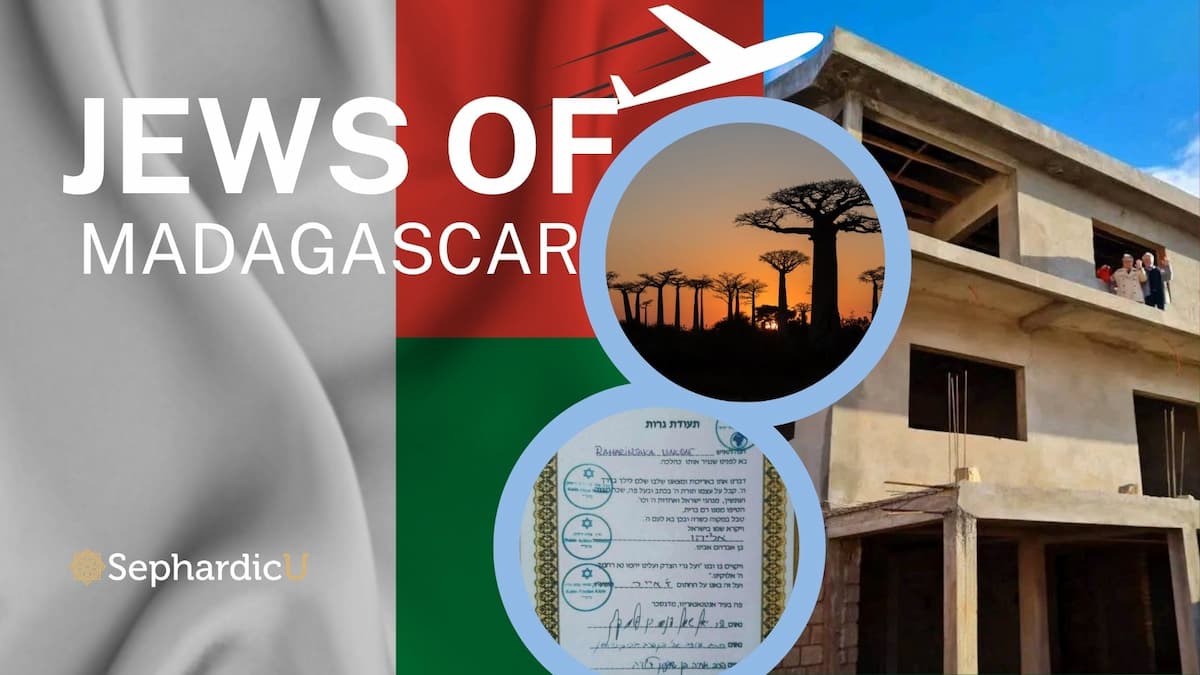
The Jews of Madagascar: Rediscovering an Ancient Identity

Discover the historic roots and spiritual renewal of the Sephardic Jews of Madagascar, as told by its leaders. An amazing story.
sephardic jews of madagascar

Relevant

Across college campuses, Jewish and Muslim students are bonding over shared Sephardic traditions, language, and food — rediscovering a history of coexistence and connection.
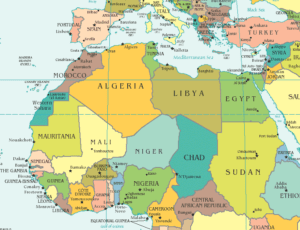
North African Sephardim, descendants of Jews expelled from Spain in 1492, settled in Morocco and Algeria, and spoke Haketia and Judeo-Arabic.

A Community’s Outreach

In June 2025, Sephardic U received a heartfelt message from Mr. Vincent Raharinjaka, a Jewish leader in Madagascar. Writing in French, he shared his community’s belief in their ancient Jewish roots and their ongoing efforts to reconnect with their heritage. This correspondence opened a window into a unique narrative of faith and identity on the island nation.
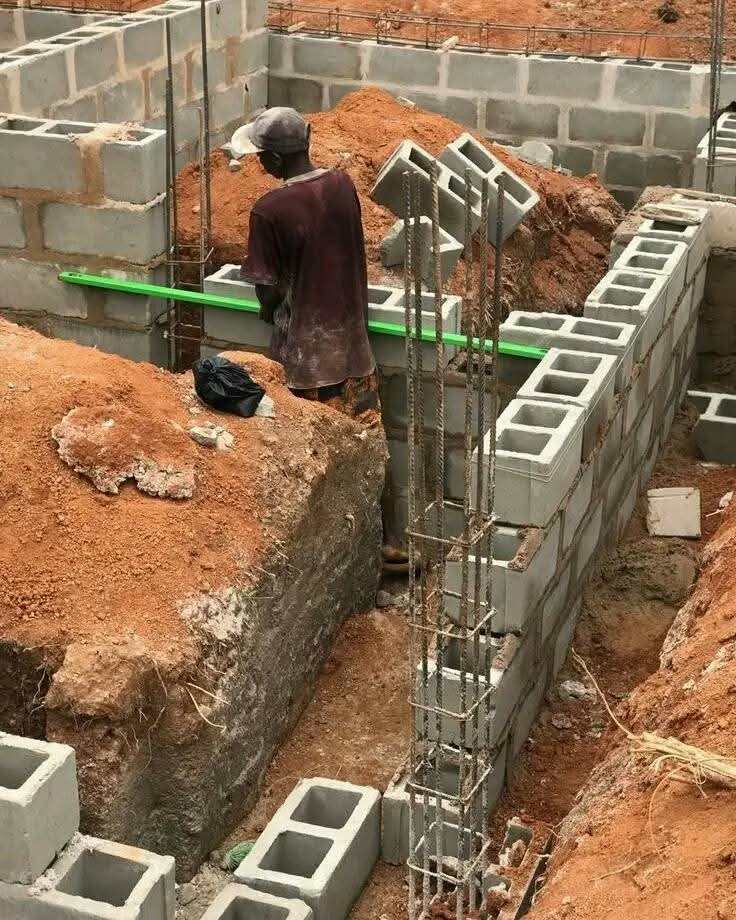
The Sephardic Jews of Madagascar: Heritage, History, and a Modern Revival building the synagogue

Oral Traditions and Ancestral Claims of the Jews of Madagascar

Mr. Raharinjaka recounted that, following the destruction of the Second Temple in Jerusalem in 70 CE, Jewish ancestors migrated to Madagascar via two routes: one through Persia, India, and Southeast Asia; the other through Egypt and Ethiopia. Upon arrival, these settlers integrated into various Malagasy tribes, including the Imerina, Antemoro, Antesaka, Antambahoaka, Antandroy, Tsimihety, and Sihanaka.

These oral traditions suggest that elements of Jewish practice and belief were preserved within these communities over centuries, even as Madagascar underwent significant cultural and religious transformations.
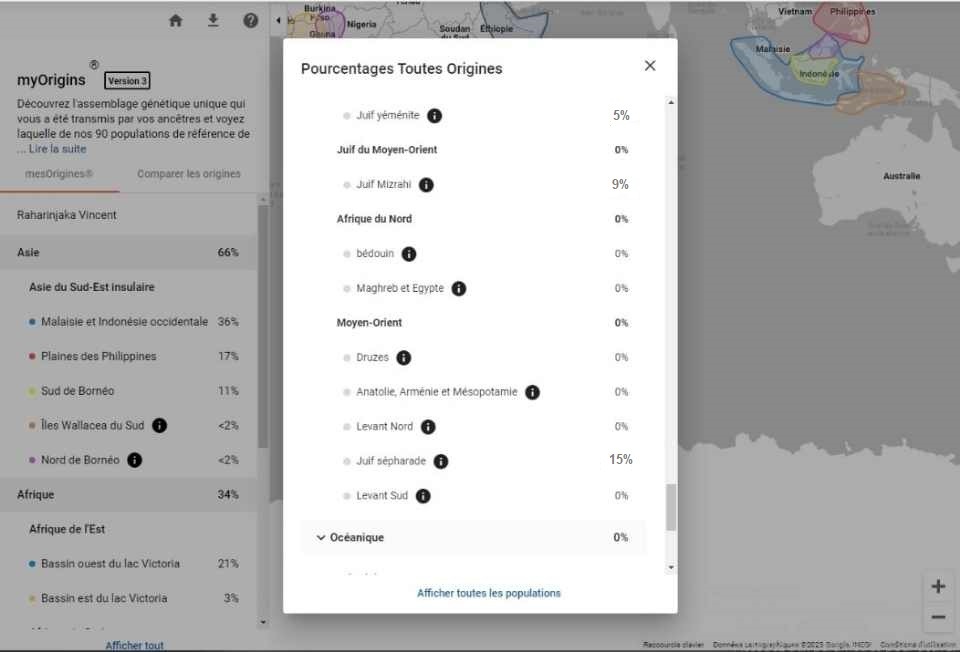
DNA test results of The Sephardic Jews of Madagascar: Heritage, History, and a Modern Revival

Historical Context and Scholarly Perspectives

While these narratives are deeply meaningful to the Malagasy Jewish community, scholarly research presents a more nuanced picture. Genetic and anthropological studies indicate that the Malagasy people have a mixed heritage, primarily from Austronesian and Bantu origins, with some Middle Eastern genetic markers.

The Jerusalem Post’s article, “The Malagasy Secret,” explores these claims, noting that while some Malagasy believe in their descent from ancient Israelites, concrete historical evidence remains limited. jpost.com
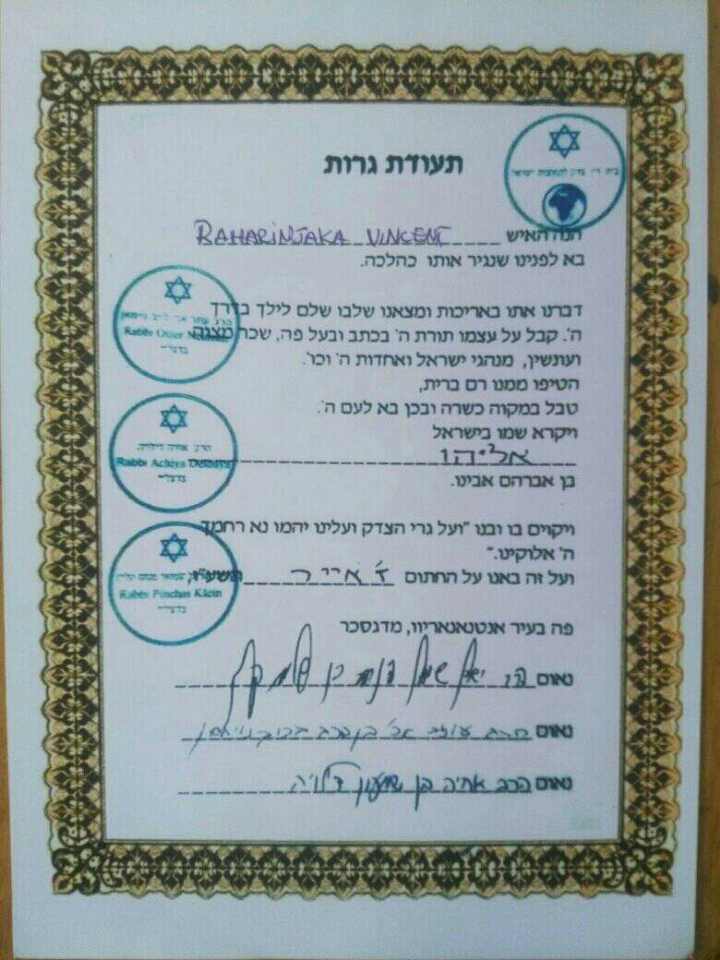
Madagascar conversion to Judaism

Modern Revival and Religious Practices of Jews of Madagascar

In recent years, there has been a resurgence of interest in Judaism among certain Malagasy communities. In 2016, with the assistance of the organization Kulanu, 121 individuals underwent Orthodox conversions to Judaism, marking a significant step in formalizing their religious identity. en.wikipedia.org+5jta.org+5jpost.com+5

Despite lacking established synagogues or Jewish schools, these communities have demonstrated a strong commitment to Jewish learning and practice. They observe Shabbat, study Torah, and maintain kosher dietary laws, often under challenging circumstances. jpost.com

Ongoing Needs and Support
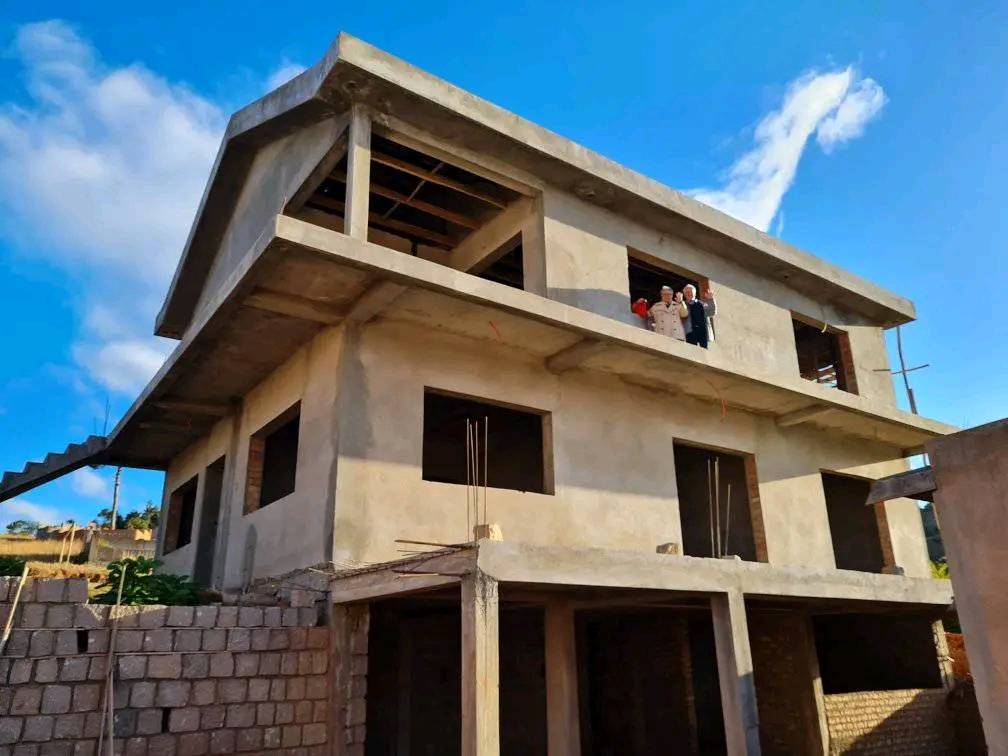
Madagascar synagogue construction

Mr. Raharinjaka highlighted the community’s need for religious texts, specifically Sephardic siddurim and volumes of the Talmud Bavli and Yerushalmi, to support their spiritual growth and education.

Those interested in supporting the Malagasy Jewish community can reach out to:

RAHARINJAKA Vincent
Lot III K 35 D Andavamamba Anjezika 1
Antananarivo 101, Madagascar
Email: yehoudim.malagashiyim@gmail.com


References

Back to Community

Resources

Mourner’s Kaddish (Kaddish Yatom), traditionally said by mourners––that is, those who have lost a parent during the previous eleven months or a child, sibling, or spuce during the last thirty days––and by those observing the anniversary of the death of those close relatives. (In many contemporary communities, the full congregation says it in support of the mourners, and in memory of the six million Jews who perished during the Holocaust, assuming that at least one died on any given day.) The mourners Kaddish omits lines 7 and 8 of the Full Kaddish that asks God to answer our prayers, because presumably, God did not grant the mourner’s prayers that the relative recover and live).
 
אבל: יִתְגַּדַּל וְיִתְקַדַּשׁ שְׁמֵהּ רַבָּא
[קהל: אמן]
בְּעָלְמָא דִּי בְרָא כִרְעוּתֵהּ וְיַמְלִיךְ מַלְכוּתֵהּ בְּחַיֵּיכון וּבְיומֵיכון וּבְחַיֵּי דְכָל בֵּית יִשרָאֵל בַּעֲגָלָא וּבִזְמַן קָרִיב, וְאִמְרוּ אָמֵן: [קהל: אמן]
קהל ואבל: יְהֵא שְׁמֵהּ רַבָּא מְבָרַךְ לְעָלַם וּלְעָלְמֵי עָלְמַיָּא
אבל: יִתְבָּרַךְ וְיִשְׁתַּבַּח וְיִתְפָּאַר וְיִתְרומַם וְיִתְנַשּא וְיִתְהַדָּר וְיִתְעַלֶּה וְיִתְהַלָּל שְׁמֵהּ דְּקֻדְשָׁא. בְּרִיךְ הוּא. [קהל: בריך הוא:]
לְעֵלָּא מִן כָּל בִּרְכָתָא בעשי”ת: לְעֵלָּא לְעֵלָּא מִכָּל וְשִׁירָתָא תֻּשְׁבְּחָתָא וְנֶחֱמָתָא דַּאֲמִירָן בְּעָלְמָא. וְאִמְרוּ אָמֵן: [קהל: אמן]
יְהֵא שְׁלָמָא רַבָּא מִן שְׁמַיָּא וְחַיִּים עָלֵינוּ וְעַל כָּל יִשרָאֵל. וְאִמְרוּ אָמֵן: [קהל: אמן]
עושה שָׁלום בִּמְרומָיו הוּא יַעֲשה שָׁלום עָלֵינוּ וְעַל כָּל יִשרָאֵל וְאִמְרוּ אָמֵן: [קהל: אמן]

וְזֹ֖את הַתּוֹרָ֑ה אֲשֶׁר־שָׂ֣ם מֹשֶׁ֔ה לִפְנֵ֖י בְּנֵ֥י יִשְׂרָאֵֽל׃ תּוֹרָ֥ה צִוָּה־לָ֖נוּ מֹשֶׁ֑ה מוֹרָשָׁ֖ה קְהִלַּ֥ת יַעֲקֹֽב׃ הָאֵל֮ תָּמִ֢ים דַּ֫רְכּ֥וֹ אִמְרַֽת־יְהֹוָ֥ה צְרוּפָ֑ה מָגֵ֥ן ה֝֗וּא לְכֹ֤ל ׀ הַחֹסִ֬ים בּֽוֹ׃

Before reading the Torah:
הַשֵּׁם עִמָּכֶם.
יְבָרֶכְךָ הַשֵּׁם.
 

 .בָּרְכוּ אֶת יְהֹוָה הַמְּבֹרָךְ
.בָּרוּךְ יְהֹוָה הַמְּבֹרָךְ לְעוֹלָם וָעֶד

בָּרוּךְ אַתָּה יְהֹוָה, אֱלֹהֵינוּ מֶלֶךְ הָעוֹלָם, אֲשֶׁר בָּחַר בָּנוּ מִכָּל הָעַמִּים וְנָתַן לָנוּ אֶת תּוֹרָתוֹ. בָּרוּךְ אַתָּה יְהֹוָה, נוֹתֵן הַתּוֹרָה:
 אמן.

After reading the Torah:

בָּרוּךְ אַתָּה יְהֹוָה, אֱלֹהֵינוּ מֶלֶךְ הָעוֹלָם, אֲשֶׁר נָתַן לָנוּ אֶת תּוֹרָתוֹ תּוֹרַת אֱמֶת, וְחַיֵּי עוֹלָם נָטַע בְּתוֹכֵנוּ. בָּרוּךְ אַתָּה יְהֹוָה, נוֹתֵן הַתּוֹרָה:
אמן.

Beracha recited before the reading of the Haftara:

Mi Sheberach, the Jewish prayer for healing, is one of the most meaningful prayers in Judaism. It is a public prayer or blessing for an individual or group, most often recited in synagogue when the Torah is being read. 

He who blessed our fathers Abraham, Isaac and Jacob, Moses and Aaron, David and Solomon, may he heal ___ who is ill. May the Holy One, blessed be he, have mercy and speedily restore him to perfect health, both spiritual and physical; and let us say, Amen.

מִי שֶׁבֵּרַךְ אֲבוֹתֵֽינוּ, אַבְרָהָם יִצְחָק וְיַעֲקֹב, משֶׁה וְאַהֲרֹן, דָּוִד וּשְׁלֹמֹה, הוּא יְבָרֵךְ וִירַפֵּא אֶת הַחוֹלֶה ___. הַקָּדוֹשׁ בָּרוּךְ הוּא יִמָּלֵא רַחֲמִים עָלָיו לְהַחֲלִימוֹ וּלְרַפֹּאתוֹ, לְהַחֲזִיקוֹ וּלְהַחֲיוֹתוֹ, וְיִשְׁלַח לוֹ מְהֵרָה רְפוּאָה שְׁלֵמָה, רְפוּאַת הַנֶּֽפֶשׁ וּרְפוּאַת הַגּוּף; וְנֹאמַר אָמֵן.

Tefilat HaDerech (Hebrew: תפילת הדרך), also known as the Traveler’s Prayer or Wayfarer’s Prayer in English, is a prayer for safe travel recited by Jews when traveling by air, sea, or long car trips. It is recited at the start of every journey, preferably standing, but this is not required. It is frequently inscribed on hamsas, which may also include the Shema or Birkat HaBayit prayer.

In the “Blessing of Thanksgiving” (Birkat HaGomel), persons in four different categories should express gratitude to God for His compassion toward them:
One who has done one of the following: a) traveled across the ocean (by an international flight, etc.); b) traversed the desert; c) recovered from a very serious illness; d) been released from prison.
All other potentially fatal circumstances that one escapes, such as a wall crumbling on him, an ox goring him, thieves, auto accidents, etc., fall under the category of desert.

The reader recites:

בָּרוּךְ אַתָּה ה’ אֱלֹהֵינוּ מֶלֶךְ הָעוֹלָם הַגּוֹמֵל לְחַיָּבִים טוֹבוֹת שֶׁגְּמָלַנִי כָּל טוֹב.

 
The congregations responds:

מִי שֶׁגְמַלְךָ כֹּל טוֹב הוּא יִגְמַלְךָ כֹּל טוֹב סֶלָה.

NameSymbolSephardi
Sof passukב׃‎סוֹף פָּסֽוּק‎
Sof pasuk
Etnachtaב֑‎אַתְנָ֑ח‎
Atnaḥ
Segolב֒‎סְגוֹלְתָּא֒‎
Segolta
Shalsheletב֓‎שַׁלְשֶׁ֓לֶת‎
Šalšeleþ
Zakef katanב֔‎זָקֵף קָט֔וֹן‎
Záqéf Qáţown
Zakef gadolב֕‎זָקֵף גָּד֕וֹל‎
Záqéf Ggádowl
Tifchaב֖‎טַרְחָ֖א‎
Tarḥa
Riviaב֗‎רְבִ֗יע‎
Revia
Zarkaב֮‎זַרְקָא֮‎
Zarqa
Pashtaב֙‎קַדְמָא֙‎
Qadma
Shene pashtinב֨‎ב֙‎תְּרֵ֨י קַדְמִין֙‎
Tere qadmin
Yetivב֚‎יְ֚תִיב‎
Yetiv
Tevirב֛‎תְּבִ֛יר‎
Tviyr
Pazerב֡‎פָּזֶר גָּד֡וֹל‎
Pazer gadol
Qarne farahב֟‎קַרְנֵי פָרָ֟ה‎
Qarne farah
Telisha gedolaב֠‎תִּ֠רְצָה‎
Tirtzah
Gereshב֜‎גְּרִ֜ישׁ‎
Gerish
Gershayimב֞‎שְׁנֵי גְרִישִׁ֞ין‎
Shene gerishin
Munachב׀‎פָּסֵ֣ק׀‎
Paseq
Merchaב֥‎מַאֲרִ֥יךְ‎
Maarich
Munachב֣‎שׁוֹפָר הוֹלֵ֣ךְ‎
Shofar holech
Mahpachב֤‎‏(שׁוֹפָר) מְהֻפָּ֤ךְ‎
(Shofar) mehuppach
Dargaב֧‎דַּרְגָּ֧א‎
Ddarggá
Kadmaב֨‎אַזְלָ֨א or קַדְמָ֨א‎
Azla or Qadma[18]
Telisha ketanaב֩‎תַּלְשָׁא֩‎
Talsha
Mercha kefulaב֦‎תְּרֵי טַעֲמֵ֦י‎
Tere ta’ame
Yerach ben yomoב֪‎יֵרֶח בֶּן יוֹמ֪וֹ‎
Yeraḥ ben yomo

Spanish-Portuguese custom

זַרְקָא֮ מַקַּף־שׁוֹפָר־הוֹלֵ֣ךְ סְגוֹלְתָּא֒ פָּזֵר גָּד֡וֹל
תַ֠לְשָׁא תִּ֩ילְשָׁא אַזְלָ֨א גֵּ֜רֵישׁ פָּסֵק  ׀  רָבִ֗יעַ שְׁנֵי־גֵרֵישִׁ֞ין
דַּרְגָ֧א תְּבִ֛יר מַאֲרִ֥יךְ טַרְחָ֖א אַתְנָ֑ח שׁוֹפָר־מְהֻפָּ֤ךְ
קַדְמָא֙ תְּרֵ֨י־קַדְמִין֙ זָקֵף־קָט֔וֹן זָקֵף־גָּד֕וֹל שַׁלְשֶׁ֓לֶת
תְּרֵי־טַעֲמֵ֦י יְ֚תִיב סוֹף־פָּסֽוּק׃

Sephardic U Calendar