

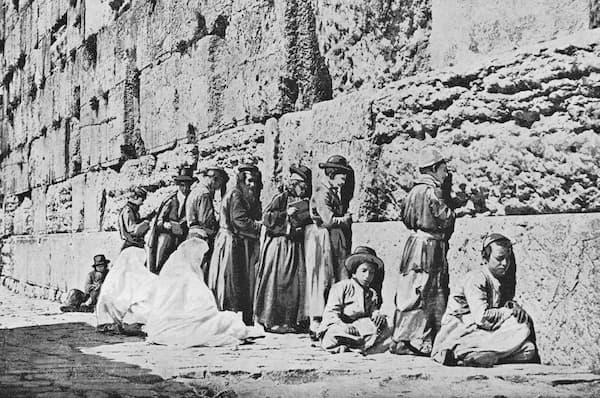
Explore the rich history, traditions, and cultures of Sephardic Jews across continents. From North Africa to the Middle East, Europe, Asia, and the Americas, these communities carry centuries of heritage, resilience, and unique customs.
North African Sephardim
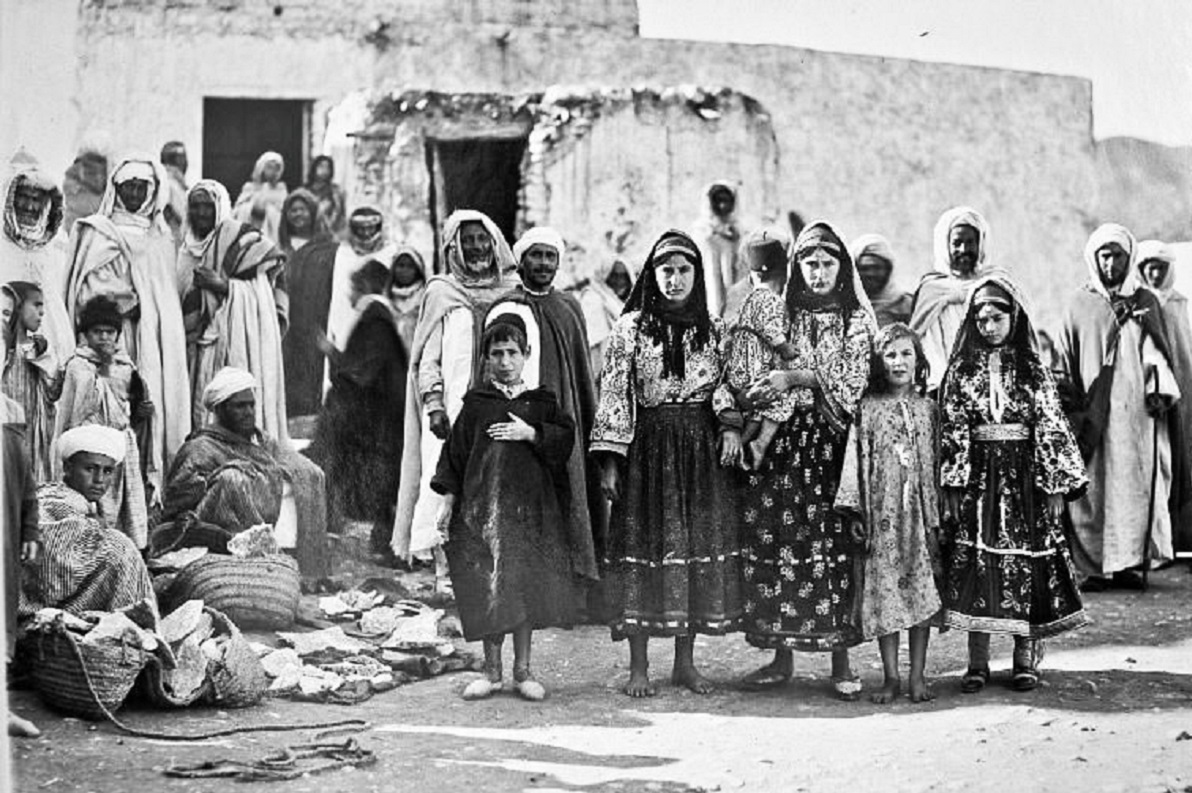
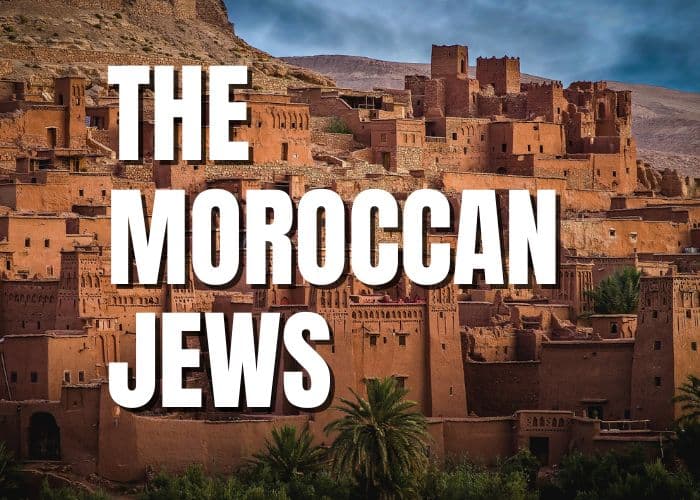
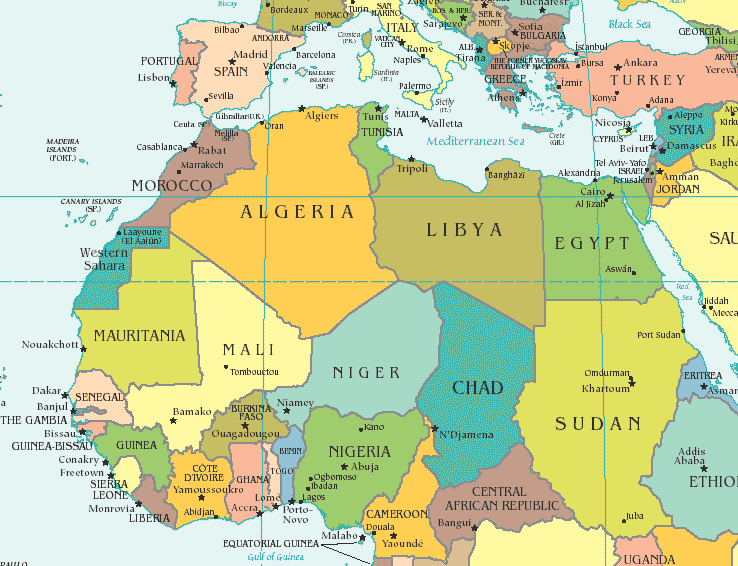
North African Sephardim are descendants of Jews expelled from Spain in 1492. They settled primarily in Morocco, Algeria, Tunisia, Libya, and Egypt, speaking Haketia and Judeo-Arabic while preserving Spanish Sephardic traditions.
- Cultural Highlights: Judeo-Spanish melodies, traditional cuisine, and unique holiday customs.
- Modern Presence: Most North African Sephardim now live in Israel, France, and the United States.
Explore More:
Western Sephardim
Western Sephardic communities emerged from Jews expelled from Spain and Portugal during the Inquisition. They established vibrant communities in Amsterdam, London, Italy, and the Americas, where they maintained dignified communal structures, synagogues, and trade networks.
- Cultural Highlights: Sephardic liturgy, legal traditions, and Spanish-Portuguese customs.
- Legacy Today: Western Sephardim contributed to Jewish scholarship, trade, and civic life in Europe and the New World.
Explore More:
Eastern & Middle Eastern Sephardim
Eastern Sephardim settled across the Middle East, Mesopotamia, Turkey, and Persia, often blending with local Mizrahi traditions while preserving Sephardic religious and cultural practices.
- Key Communities: Iraq, Syria, Iran, Yemen, Turkey.
- Cultural Highlights: Mystical teachings, urban community life, Sephardic Halacha, Ladino and Judeo-Arabic languages.
Explore More:
Bnei Anusim & Emerging Communities
Bnei Anusim are descendants of Jews forcibly converted during the Iberian Inquisition. Many today are reclaiming their Sephardic heritage in Spain, Latin America, and beyond.
- Cultural Revival: Rediscovery of Jewish traditions, customs, and ancestral connections.
- Significance: Highlights the resilience of Sephardic identity and continuity across generations.
Learn More:
What Unites Sephardic Communities?
Despite geographic differences, Sephardic communities share:
- Liturgical traditions: Sephardic melodies, piyutim, Edot HaMizrach prayer customs.
- Halachic rulings: Influences from Rabbi Yosef Karo and the Shulchan Aruch.
- Languages: Ladino, Judeo-Arabic, Hebrew, and more.
- Lifecycle customs: Weddings, brit milah, mourning rituals.
- Cultural expressions: Music, cuisine, textiles, and religious art.
These shared elements maintain a spiritual unity while celebrating regional uniqueness.
Why It Matters Today
Understanding the history and diversity of Sephardic communities strengthens identity, fosters connection, and bridges generations. Whether you are Moroccan, Syrian, Spanish-Portuguese, Iraqi, or exploring your heritage for the first time, SephardicU supports your journey.
Explore the Sephardic World:
Want to contribute? Share your story or photos and get involved in preserving Sephardic heritage.