
Sephardic Customs After Sukkot: Etrog and Lulav Traditions

After Sukkot, Sephardic Jews continue to honor the Four Species with symbolic traditions. Explore Moroccan lulav artistry, spiritual practices, and delicious etrog recipes that extend the joy and meaning of the festival into everyday life.
Clove-studded etrog next to a Havdalah candle and a Gefen cup

Relevant

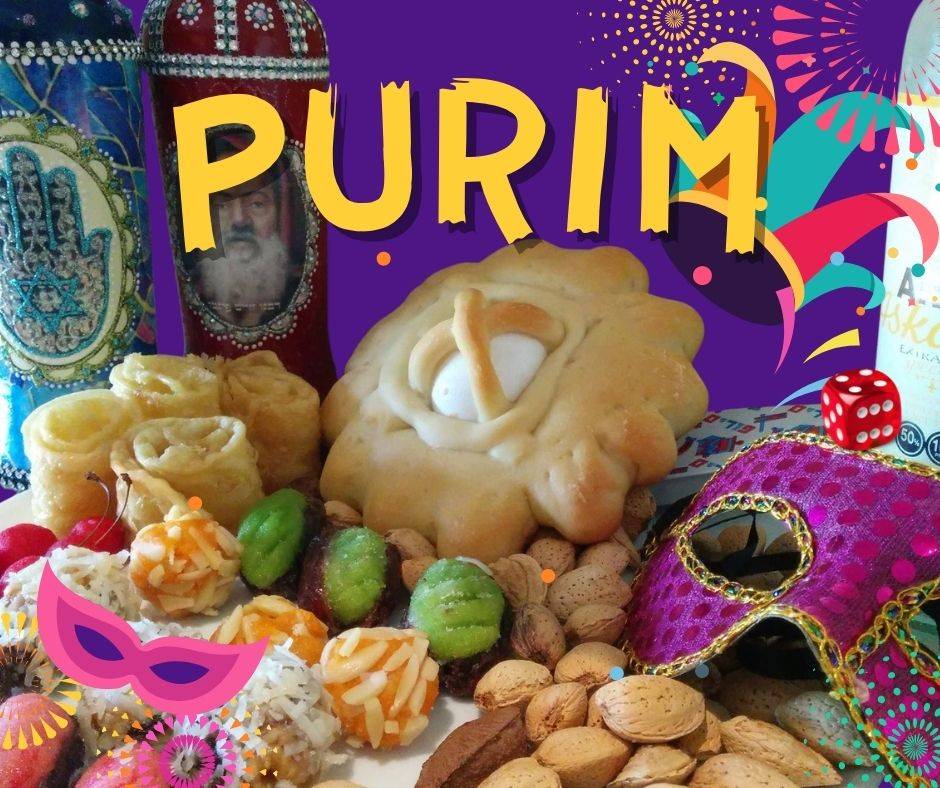
Discover the story, mitzvot, and joyous customs of Purim, from Megillah reading to festive meals, gifts, and celebrations.
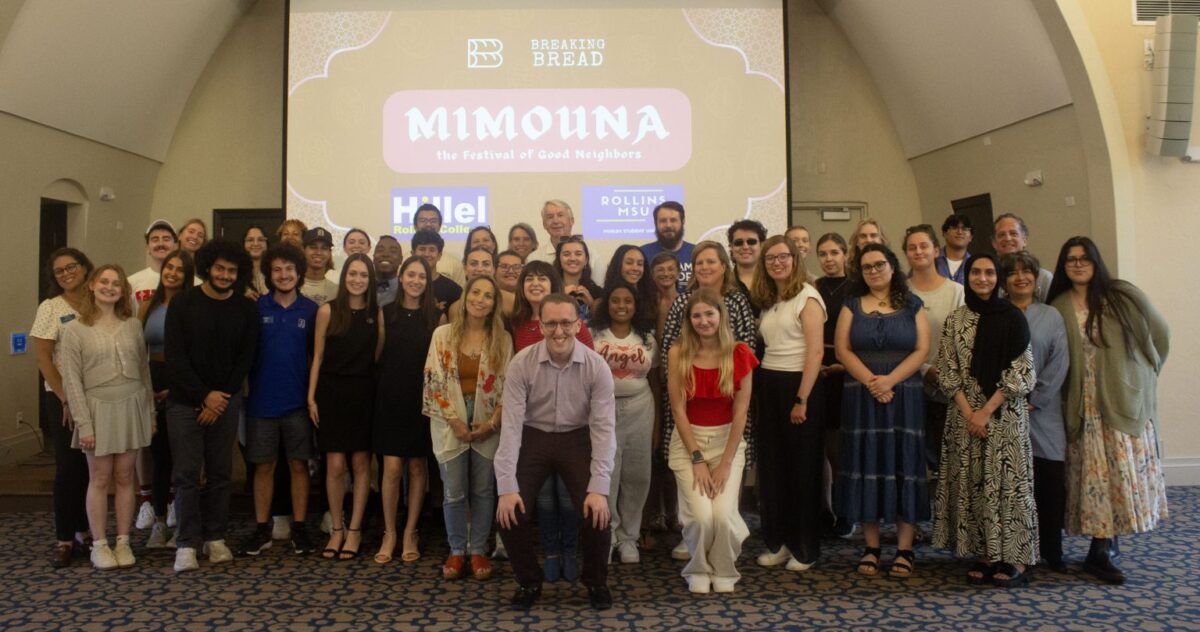
Across college campuses, Jewish and Muslim students are bonding over shared Sephardic traditions, language, and food — rediscovering a history of coexistence and connection.

When Sukkot ends, the sukkah comes down, and most Jews store their ritual items until next year. Among Sephardic Jews, however, the celebration and holiness of Sukkot continue long after the festival ends.

The sacred symbols of the lulav and etrog — waved joyfully during prayers — are never discarded casually. Instead, Sephardic communities honor them through artistic, spiritual, and culinary traditions, embodying the essence of Sephardic customs after Sukkot.

🕍 The Symbolism of the Four Species

The Arba’at Haminim — etrog (citron), lulav (palm), hadassim (myrtle), and aravot (willow) — each represent a human quality and spiritual dimension:

  • Etrog: the heart — sincerity, devotion, and good deeds
  • Lulav: the spine — uprightness and moral strength
  • Hadassim: the eyes — seeing beauty and compassion
  • Aravot: the lips — prayer, speech, and humility

Waving the four together symbolizes unity — among body and soul, people and community, and heaven and earth.

🎨 Moroccan Sephardic Artistry: Decorating the Lulav

A beautifully decorated Moroccan lulav

Among Moroccan Sephardic Jews, preparing the lulav is a cherished act of beauty and devotion.

Before Sukkot, families carefully wrap the lulav handle with colorful silk or cotton threads, creating geometric or diamond-shaped patterns in green, red, blue, or gold.

  • Threads symbolize joy, blessing, and divine light.
  • Matriarchs often perform the wrapping, offering silent prayers for health, prosperity, and peace.
  • After Sukkot, many families save or repurpose the threads as charms, keepsakes, or symbols of spiritual continuity.

This custom highlights the Sephardic principle of hiddur mitzvah — beautifying a commandment — turning ritual preparation into sacred artistry.

🌴 What Sephardic Jews Do With the Lulav After Sukkot

After the festival, the lulav continues to serve meaningful purposes:

1. Burning the Lulav With Ḥametz Before Pesach

Many Sephardic families dry the lulav and later use it as kindling for burning chametz before Passover. This links one mitzvah to the next, symbolizing the continuity of holiness from Sukkot to Pesach.
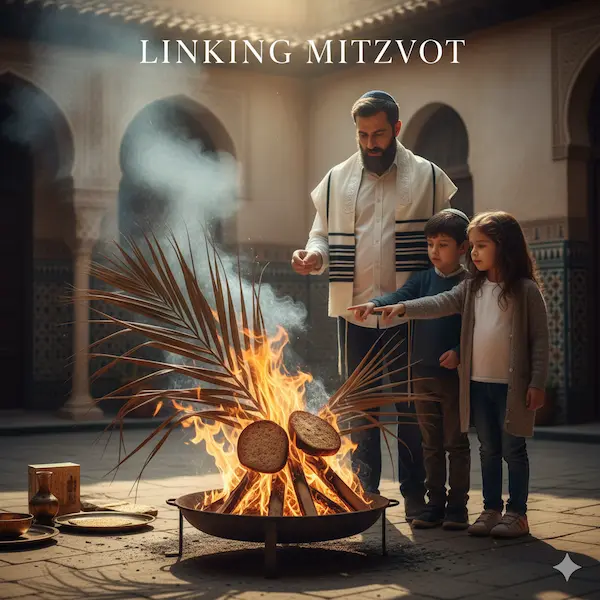
Sephardic custom of burning the lulav with the ḥametz before Pesach

2. Fuel for Baking Matzah

In Moroccan and Tunisian traditions, lulav leaves are sometimes used as fuel to bake matzah, again creating a spiritual bridge between the holidays.

custom of using lulav parts as fuel for baking matzah

3. Keepsake or Home Blessing

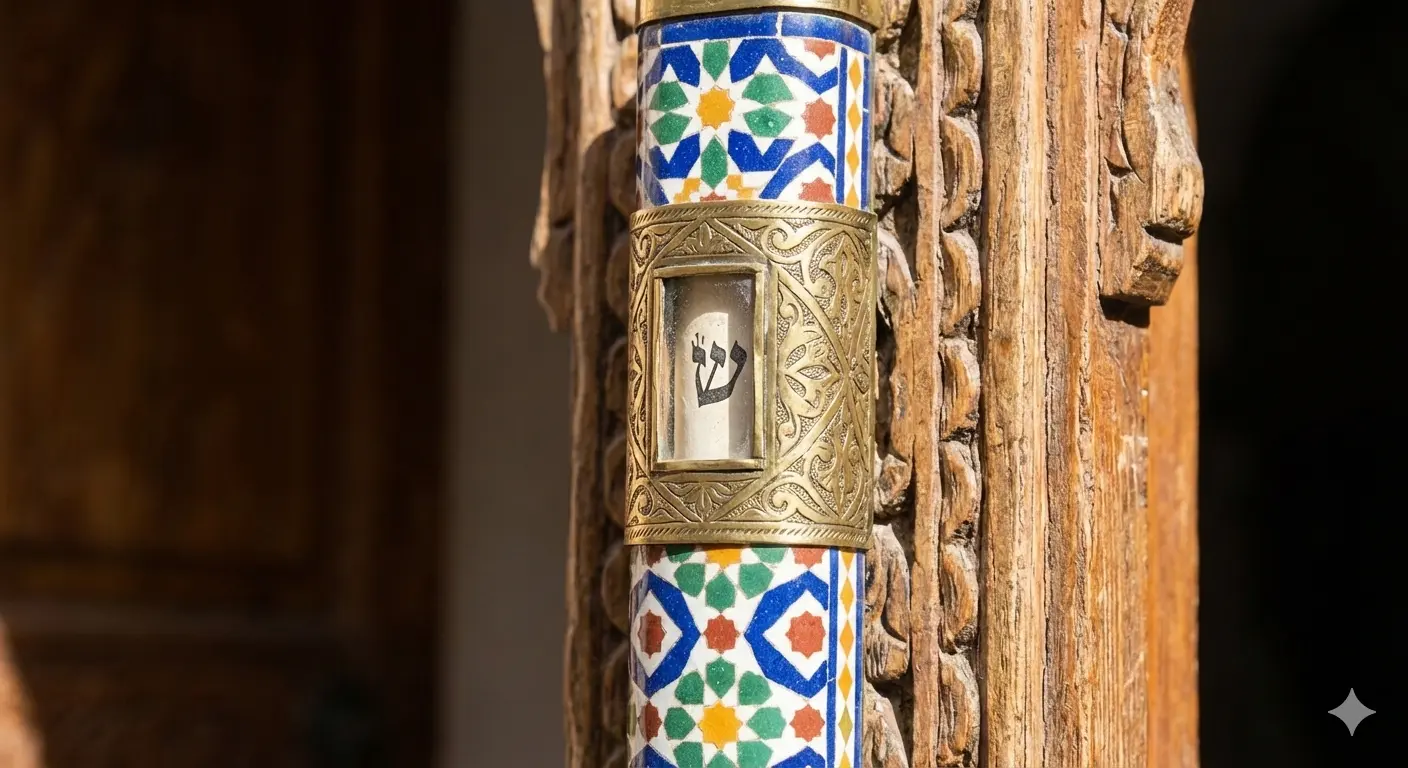
Some families display the lulav near bookshelves or mezuzot as a symbol of protection and divine blessing, reinforcing the message that the spiritual energy of Sukkot remains in the home year-round.
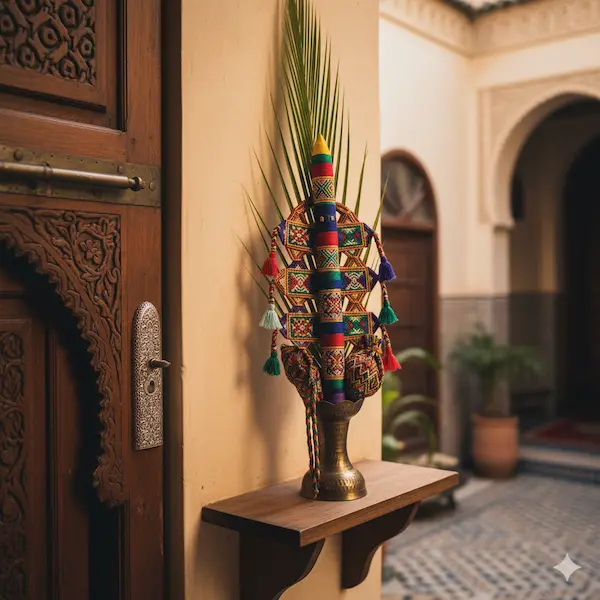
lulav in a decorative vase on a shelf, positioned next to a mezuzah by a door

🍋 The Etrog: From Sacred Symbol to Sweet Tradition

The etrog, golden and fragrant, is treasured beyond Sukkot. Sephardic Jews transform it into fragrant keepsakes, culinary delights, or symbols of blessing.

1. Fragrance for the Home and Havdalah

  • Dry the etrog or stud it with cloves.
  • Use it in Havdalah spice balls, evoking the aroma of Sukkot long after the holiday.

2. Blessings for Fertility and Joy

  • Eating a small piece of etrog jam is believed to bring fertility or spiritual blessing.
  • The etrog’s symbolism of life and fruitfulness continues in family rituals.

3. Preserving the Etrog as Food or Drink

  • Candies, jams, and liqueurs extend the joy and fragrance of the holiday through the winter months.
  • This also reflects the Sephardic value that nothing used in a mitzvah should be wasted.

🍯 Three Traditional Sephardic Etrog Recipes

1. Moroccan-Style Candied Etrog Peel
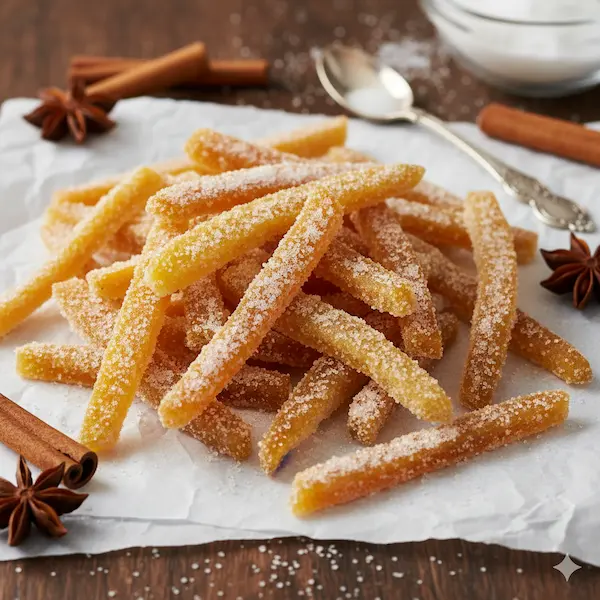
Moroccan-Style Candied Etrog Peel recipe

Ingredients:

  • 1 etrog
  • 2 cups sugar
  • 1½ cups water
  • Pinch of salt

Instructions:

  1. Slice peel thinly, removing white pith.
  2. Boil three times in water to reduce bitterness.
  3. Combine sugar, water, and salt; bring to a boil.
  4. Simmer peels until syrup thickens and becomes translucent.
  5. Dry on parchment and optionally roll in sugar.

Result:
Golden, aromatic candies perfect for Shabbat or Hanukkah gifts.

2. Italian-Livornese Etrog Jam
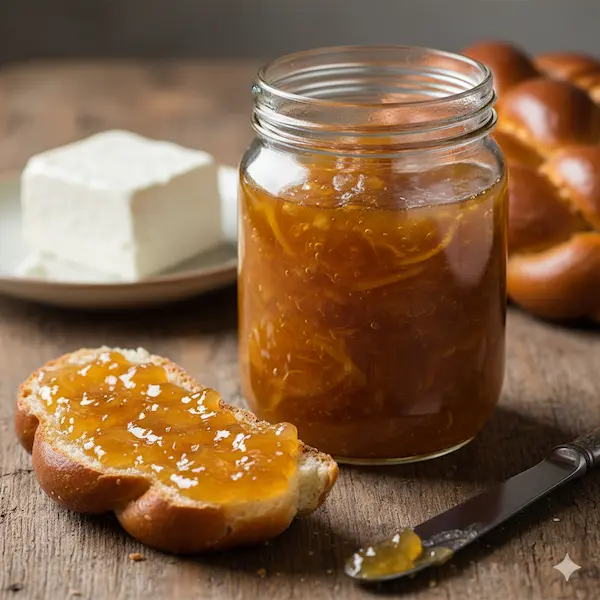
Italian-Livornese Etrog Jam recipe

Ingredients:

  • 1 large etrog, chopped and seeded
  • Juice of 1 lemon
  • 2 cups sugar
  • 2 cups water

Instructions:

  1. Soak chopped etrog overnight to remove bitterness.
  2. Drain, then cook with sugar, water, and lemon juice for 45–60 minutes until thickened.
  3. Pour into sterilized jars and seal.

Result:
Sweet, aromatic jam enjoyed on challah or with soft cheese — a traditional Livornese delight.

3. Turkish Etrog Liqueur (Licor de Etrog)
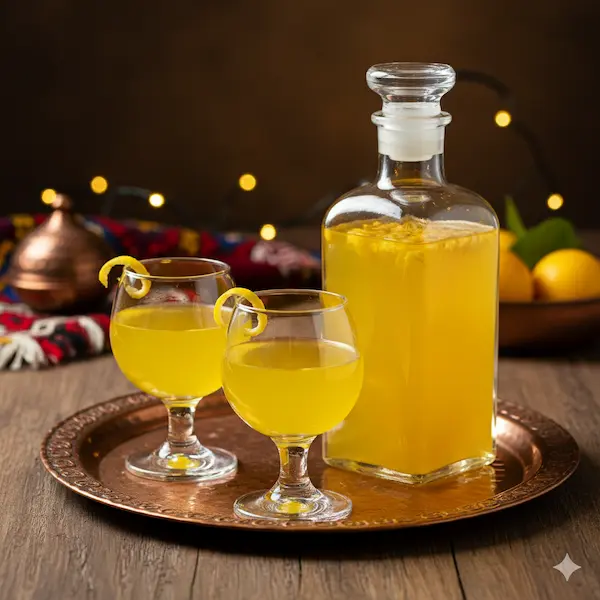
Turkish Etrog Liqueur

Ingredients:

  • 1 etrog, zested
  • 2 cups vodka or arak
  • 1 cup sugar
  • 1 cup water

Instructions:

  1. Infuse etrog zest in alcohol for two weeks, shaking occasionally.
  2. Strain, then mix with simple syrup (sugar + water).
  3. Store an additional week before serving.

Result:
Bright, citrusy liqueur for Tu BiShvat or family gatherings — preserving Sukkot’s essence.

🌅 Spiritual Reflections: Carrying Sukkot Forward

Sephardic customs after Sukkot reflect a philosophy that holiness is cyclical, not fleeting.

  • The lulav fuels the next festival.
  • The etrog sweetens the next season.
  • Moroccan artistry and family traditions ensure that beauty, joy, and blessings linger in daily life.

Rabbi Yosef Chaim of Baghdad (Ben Ish Hai) emphasizes:
“Do not put away the spirit of Sukkot — carry its joy through acts of kindness, gratitude, and remembrance.”

Through fragrant Havdalah spices, colorful lulav threads, and etrog preserves, Sephardic Jews extend Sukkot’s sacredness into the entire year, celebrating continuity, faith, and family heritage.

Resources

Mourner’s Kaddish (Kaddish Yatom), traditionally said by mourners––that is, those who have lost a parent during the previous eleven months or a child, sibling, or spuce during the last thirty days––and by those observing the anniversary of the death of those close relatives. (In many contemporary communities, the full congregation says it in support of the mourners, and in memory of the six million Jews who perished during the Holocaust, assuming that at least one died on any given day.) The mourners Kaddish omits lines 7 and 8 of the Full Kaddish that asks God to answer our prayers, because presumably, God did not grant the mourner’s prayers that the relative recover and live).
 
אבל: יִתְגַּדַּל וְיִתְקַדַּשׁ שְׁמֵהּ רַבָּא
[קהל: אמן]
בְּעָלְמָא דִּי בְרָא כִרְעוּתֵהּ וְיַמְלִיךְ מַלְכוּתֵהּ בְּחַיֵּיכון וּבְיומֵיכון וּבְחַיֵּי דְכָל בֵּית יִשרָאֵל בַּעֲגָלָא וּבִזְמַן קָרִיב, וְאִמְרוּ אָמֵן: [קהל: אמן]
קהל ואבל: יְהֵא שְׁמֵהּ רַבָּא מְבָרַךְ לְעָלַם וּלְעָלְמֵי עָלְמַיָּא
אבל: יִתְבָּרַךְ וְיִשְׁתַּבַּח וְיִתְפָּאַר וְיִתְרומַם וְיִתְנַשּא וְיִתְהַדָּר וְיִתְעַלֶּה וְיִתְהַלָּל שְׁמֵהּ דְּקֻדְשָׁא. בְּרִיךְ הוּא. [קהל: בריך הוא:]
לְעֵלָּא מִן כָּל בִּרְכָתָא בעשי”ת: לְעֵלָּא לְעֵלָּא מִכָּל וְשִׁירָתָא תֻּשְׁבְּחָתָא וְנֶחֱמָתָא דַּאֲמִירָן בְּעָלְמָא. וְאִמְרוּ אָמֵן: [קהל: אמן]
יְהֵא שְׁלָמָא רַבָּא מִן שְׁמַיָּא וְחַיִּים עָלֵינוּ וְעַל כָּל יִשרָאֵל. וְאִמְרוּ אָמֵן: [קהל: אמן]
עושה שָׁלום בִּמְרומָיו הוּא יַעֲשה שָׁלום עָלֵינוּ וְעַל כָּל יִשרָאֵל וְאִמְרוּ אָמֵן: [קהל: אמן]

וְזֹ֖את הַתּוֹרָ֑ה אֲשֶׁר־שָׂ֣ם מֹשֶׁ֔ה לִפְנֵ֖י בְּנֵ֥י יִשְׂרָאֵֽל׃ תּוֹרָ֥ה צִוָּה־לָ֖נוּ מֹשֶׁ֑ה מוֹרָשָׁ֖ה קְהִלַּ֥ת יַעֲקֹֽב׃ הָאֵל֮ תָּמִ֢ים דַּ֫רְכּ֥וֹ אִמְרַֽת־יְהֹוָ֥ה צְרוּפָ֑ה מָגֵ֥ן ה֝֗וּא לְכֹ֤ל ׀ הַחֹסִ֬ים בּֽוֹ׃

Before reading the Torah:
הַשֵּׁם עִמָּכֶם.
יְבָרֶכְךָ הַשֵּׁם.
 

 .בָּרְכוּ אֶת יְהֹוָה הַמְּבֹרָךְ
.בָּרוּךְ יְהֹוָה הַמְּבֹרָךְ לְעוֹלָם וָעֶד

בָּרוּךְ אַתָּה יְהֹוָה, אֱלֹהֵינוּ מֶלֶךְ הָעוֹלָם, אֲשֶׁר בָּחַר בָּנוּ מִכָּל הָעַמִּים וְנָתַן לָנוּ אֶת תּוֹרָתוֹ. בָּרוּךְ אַתָּה יְהֹוָה, נוֹתֵן הַתּוֹרָה:
 אמן.

After reading the Torah:

בָּרוּךְ אַתָּה יְהֹוָה, אֱלֹהֵינוּ מֶלֶךְ הָעוֹלָם, אֲשֶׁר נָתַן לָנוּ אֶת תּוֹרָתוֹ תּוֹרַת אֱמֶת, וְחַיֵּי עוֹלָם נָטַע בְּתוֹכֵנוּ. בָּרוּךְ אַתָּה יְהֹוָה, נוֹתֵן הַתּוֹרָה:
אמן.

Beracha recited before the reading of the Haftara:

Mi Sheberach, the Jewish prayer for healing, is one of the most meaningful prayers in Judaism. It is a public prayer or blessing for an individual or group, most often recited in synagogue when the Torah is being read. 

He who blessed our fathers Abraham, Isaac and Jacob, Moses and Aaron, David and Solomon, may he heal ___ who is ill. May the Holy One, blessed be he, have mercy and speedily restore him to perfect health, both spiritual and physical; and let us say, Amen.

מִי שֶׁבֵּרַךְ אֲבוֹתֵֽינוּ, אַבְרָהָם יִצְחָק וְיַעֲקֹב, משֶׁה וְאַהֲרֹן, דָּוִד וּשְׁלֹמֹה, הוּא יְבָרֵךְ וִירַפֵּא אֶת הַחוֹלֶה ___. הַקָּדוֹשׁ בָּרוּךְ הוּא יִמָּלֵא רַחֲמִים עָלָיו לְהַחֲלִימוֹ וּלְרַפֹּאתוֹ, לְהַחֲזִיקוֹ וּלְהַחֲיוֹתוֹ, וְיִשְׁלַח לוֹ מְהֵרָה רְפוּאָה שְׁלֵמָה, רְפוּאַת הַנֶּֽפֶשׁ וּרְפוּאַת הַגּוּף; וְנֹאמַר אָמֵן.

Tefilat HaDerech (Hebrew: תפילת הדרך), also known as the Traveler’s Prayer or Wayfarer’s Prayer in English, is a prayer for safe travel recited by Jews when traveling by air, sea, or long car trips. It is recited at the start of every journey, preferably standing, but this is not required. It is frequently inscribed on hamsas, which may also include the Shema or Birkat HaBayit prayer.

In the “Blessing of Thanksgiving” (Birkat HaGomel), persons in four different categories should express gratitude to God for His compassion toward them:
One who has done one of the following: a) traveled across the ocean (by an international flight, etc.); b) traversed the desert; c) recovered from a very serious illness; d) been released from prison.
All other potentially fatal circumstances that one escapes, such as a wall crumbling on him, an ox goring him, thieves, auto accidents, etc., fall under the category of desert.

The reader recites:

בָּרוּךְ אַתָּה ה’ אֱלֹהֵינוּ מֶלֶךְ הָעוֹלָם הַגּוֹמֵל לְחַיָּבִים טוֹבוֹת שֶׁגְּמָלַנִי כָּל טוֹב.

 
The congregations responds:

מִי שֶׁגְמַלְךָ כֹּל טוֹב הוּא יִגְמַלְךָ כֹּל טוֹב סֶלָה.

NameSymbolSephardi
Sof passukב׃‎סוֹף פָּסֽוּק‎
Sof pasuk
Etnachtaב֑‎אַתְנָ֑ח‎
Atnaḥ
Segolב֒‎סְגוֹלְתָּא֒‎
Segolta
Shalsheletב֓‎שַׁלְשֶׁ֓לֶת‎
Šalšeleþ
Zakef katanב֔‎זָקֵף קָט֔וֹן‎
Záqéf Qáţown
Zakef gadolב֕‎זָקֵף גָּד֕וֹל‎
Záqéf Ggádowl
Tifchaב֖‎טַרְחָ֖א‎
Tarḥa
Riviaב֗‎רְבִ֗יע‎
Revia
Zarkaב֮‎זַרְקָא֮‎
Zarqa
Pashtaב֙‎קַדְמָא֙‎
Qadma
Shene pashtinב֨‎ב֙‎תְּרֵ֨י קַדְמִין֙‎
Tere qadmin
Yetivב֚‎יְ֚תִיב‎
Yetiv
Tevirב֛‎תְּבִ֛יר‎
Tviyr
Pazerב֡‎פָּזֶר גָּד֡וֹל‎
Pazer gadol
Qarne farahב֟‎קַרְנֵי פָרָ֟ה‎
Qarne farah
Telisha gedolaב֠‎תִּ֠רְצָה‎
Tirtzah
Gereshב֜‎גְּרִ֜ישׁ‎
Gerish
Gershayimב֞‎שְׁנֵי גְרִישִׁ֞ין‎
Shene gerishin
Munachב׀‎פָּסֵ֣ק׀‎
Paseq
Merchaב֥‎מַאֲרִ֥יךְ‎
Maarich
Munachב֣‎שׁוֹפָר הוֹלֵ֣ךְ‎
Shofar holech
Mahpachב֤‎‏(שׁוֹפָר) מְהֻפָּ֤ךְ‎
(Shofar) mehuppach
Dargaב֧‎דַּרְגָּ֧א‎
Ddarggá
Kadmaב֨‎אַזְלָ֨א or קַדְמָ֨א‎
Azla or Qadma[18]
Telisha ketanaב֩‎תַּלְשָׁא֩‎
Talsha
Mercha kefulaב֦‎תְּרֵי טַעֲמֵ֦י‎
Tere ta’ame
Yerach ben yomoב֪‎יֵרֶח בֶּן יוֹמ֪וֹ‎
Yeraḥ ben yomo

Spanish-Portuguese custom

זַרְקָא֮ מַקַּף־שׁוֹפָר־הוֹלֵ֣ךְ סְגוֹלְתָּא֒ פָּזֵר גָּד֡וֹל
תַ֠לְשָׁא תִּ֩ילְשָׁא אַזְלָ֨א גֵּ֜רֵישׁ פָּסֵק  ׀  רָבִ֗יעַ שְׁנֵי־גֵרֵישִׁ֞ין
דַּרְגָ֧א תְּבִ֛יר מַאֲרִ֥יךְ טַרְחָ֖א אַתְנָ֑ח שׁוֹפָר־מְהֻפָּ֤ךְ
קַדְמָא֙ תְּרֵ֨י־קַדְמִין֙ זָקֵף־קָט֔וֹן זָקֵף־גָּד֕וֹל שַׁלְשֶׁ֓לֶת
תְּרֵי־טַעֲמֵ֦י יְ֚תִיב סוֹף־פָּסֽוּק׃

Sephardic U Calendar