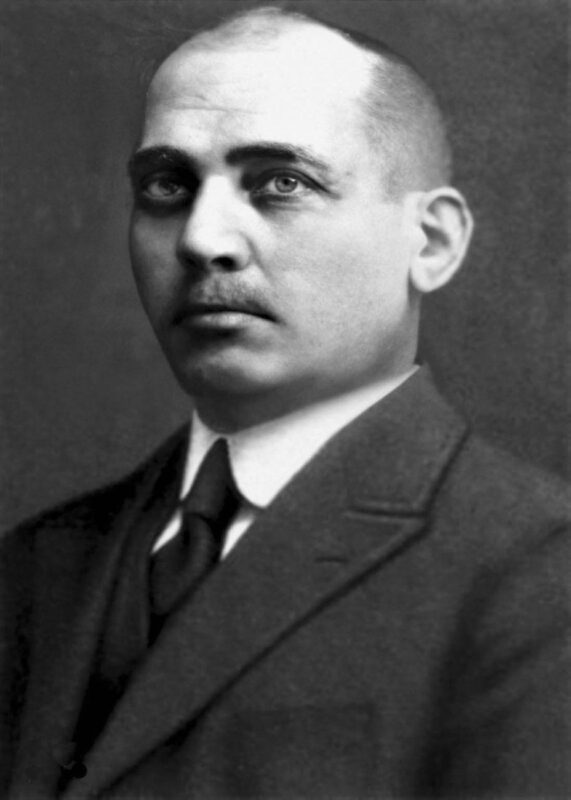
Composer and ethnomusicologist who collected the songs of Judeo-Spanish singers across Turkey, Rhodes, Salonica and Egypt. His ten volumes of Coplas Sefardíes preserved a repertoire that war and emigration nearly erased.
Life and legacy
Alberto Hemsi combined musical composition with one of the twentieth century’s most important documentation projects devoted to Sephardic song. Educated at Alliance Israélite Universelle schools and the Milan Conservatory, he returned to the eastern Mediterranean and began transcribing melodies and texts from Judeo-Spanish singers, particularly women. His fieldwork in Turkey, Rhodes, Salonica, Alexandria, and related communities preserved repertories threatened by migration, linguistic decline, and later wartime destruction. In Alexandria he directed synagogue music, taught at conservatories, founded musical institutions, and published the Coplas sefardíes, arranging traditional melodies for voice and piano. Although his harmonizations reflected European art-music conventions, his transcriptions became indispensable evidence for Sephardic musical scholarship. Hemsi’s archives unite composition, ethnography, liturgy, and cultural preservation.
Sephardic connection
Ottoman-born Sephardic musician who collected Judeo-Spanish songs in Turkey, Rhodes, Egypt, and other former Ottoman communities
Sources
- Israel J. Katz, Alberto Hemsi, Encyclopaedia Judaica
- Alberto Hemsi and Edwin Seroussi, Cancionero Sefardí