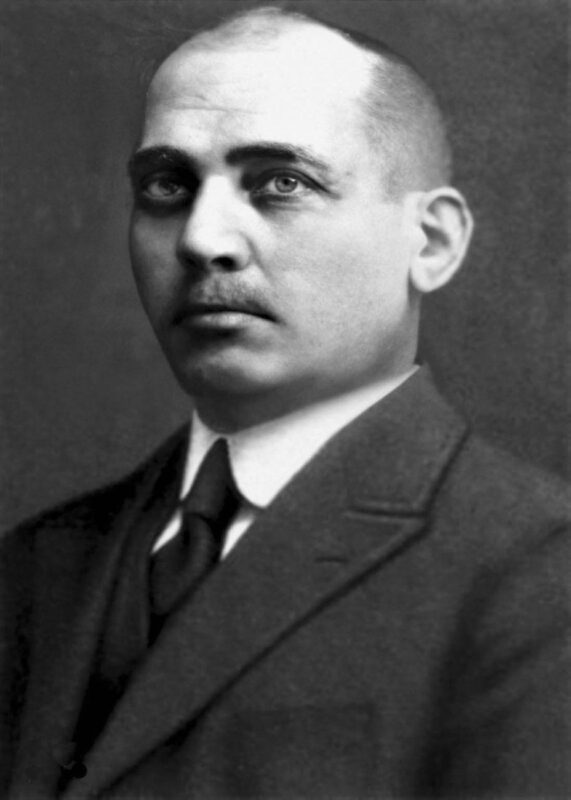
Chief rabbi of the Ottoman Empire after the Young Turk revolution and later chief rabbi of Egypt and a member of its senate. A scholar-diplomat, he navigated Sephardi life through the fall of the empire.
Life and legacy
Haim Nahum Effendi represented a model of Sephardic religious leadership closely engaged with modern state institutions. Educated in Ottoman schools, Paris, and Jewish seminaries, he became chief rabbi of the Ottoman Empire after the Young Turk Revolution. He advised political leaders, participated in diplomatic missions, and attempted to mediate between imperial citizenship, Jewish communal autonomy, and competing nationalist movements. After relocating to Egypt, he served as chief rabbi of that country and later as a senator, while promoting education and scholarship. His research included Karaite literature, Ethiopian Jewry, and the translation and annotation of Ottoman imperial decrees relating to Egypt. Nahum’s career illuminates the opportunities and contradictions faced by Sephardic elites during the transition from empire to nation-states.
Sephardic connection
Ottoman Sephardic rabbi educated in imperial and European institutions who later led Egyptian Jewry
Sources
- Aksel Erbahar, Nahoum, Haim, Encyclopedia of Jews in the Islamic World
- Esther Benbassa, Haim Nahum: A Sephardic Chief Rabbi in Politics, 1892–1923