Sephardic Mysticism: Amicable Numbers 220 and 284

Amicable numbers hold a mystical Sephardic secret.
Opened books showing the numbers 220 and 284 with golden, intertwining mathematical symbols, representing the amicable pair. In the background, there is a faded mural illustrating the biblical meeting of Jacob and Esau with Jacob's gift of goats.

Relevant

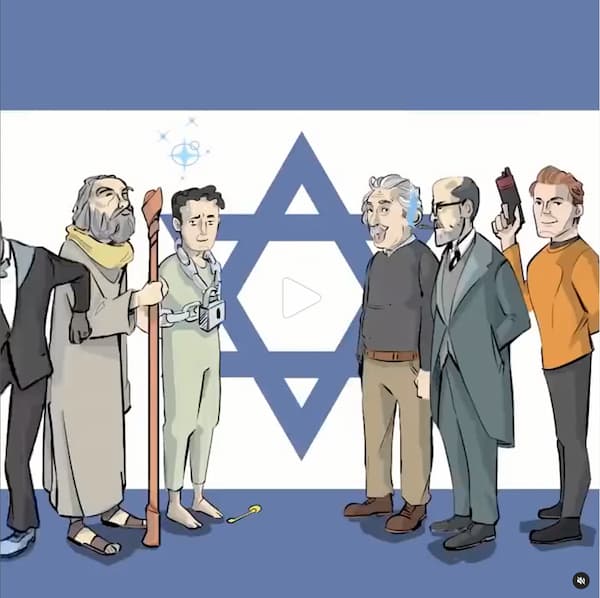
From Instagram: imtizionism – The REAL History of Israel #educateyourself #standwithisrael #standwiththetruth #learnhistory #israel🇮🇱
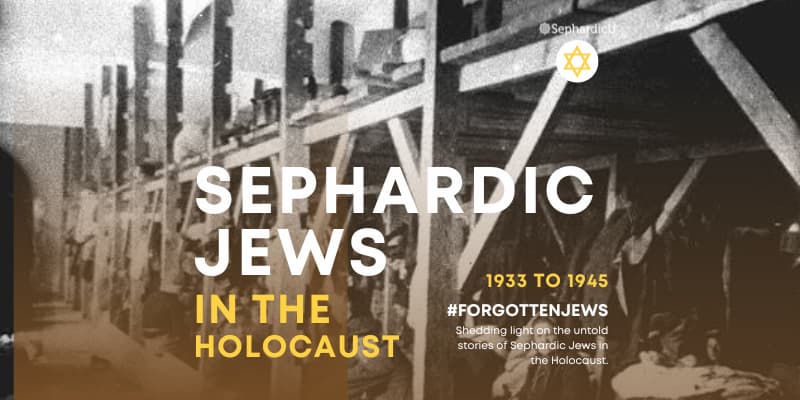
Explore the overlooked narratives of Sephardic Jews in the Holocaust, emphasizing resilience and honoring the legacy of those lost

🗝️ The Hidden Secret of 220 and 284: Amicable Numbers in Sephardic Kabbalah and Torah Interpretation

Within the rich tapestry of Jewish tradition and mysticism, particularly prominent in Sephardic commentary, numbers are more than mere quantities. They are windows into deeper spiritual truths. The ancient practice of Gematria (Hebrew numerology) reveals hidden connections in the text of the Torah. One of the most fascinating examples involves a unique mathematical curiosity known as amicable numbers and the dramatic meeting between the biblical brothers, Jacob and Esau.


📐 Defining Amicable Numbers: The Mathematical Foundation

Amicable numbers are two different positive integers in which the sum of the proper divisors of each number is equal to the other number. Proper divisors are all positive integer divisors of a number, excluding the number itself.

The smallest and most famous pair of amicable numbers is 220 and 284.

Example: The Pair (220, 284)

For the number 220:

Its proper divisors are 1, 2, 4, 5, 10, 11, 20, 22, 44, 55, and 110.

The sum of these divisors is:

1 + 2 + 4 + 5 + 10 + 11 + 20 + 22 + 44 + 55 + 110 = 284

For the number 284:

Its proper divisors are 1, 2, 4, 71, and 142.

The sum of these divisors is:

1 + 2 + 4 + 71 + 142 = 220

Because the sum of the proper divisors of 220 is 284, and the sum of the proper divisors of 284 is 220, they form a perfectly amicable pair.

Other Amicable Pairs and Open Questions

The pursuit of these “friendly numbers” is a topic in number theory that continues today. While (220, 284) is the first, many others have been discovered, often with much larger values.

Other known amicable pairs include:

  • (1184, 1210)
  • (2620, 2924)
  • (5020, 5564)
  • (6232, 6368)
  • (10744, 10856)

Despite centuries of searching, two fundamental questions remain unanswered:

  1. Are there infinitely many amicable pairs?
  2. Does an amicable pair exist where both numbers are odd?

📜 The Sephardic Connection: Jacob, Esau, and the Gift of 220

The primary connection in the Torah appears in the book of Genesis (Parashat Vayishlach), when Jacob is preparing to reunite with his brother Esau after many years of separation. Jacob is terrified that Esau is coming to attack him. To appease his brother and symbolize a desire for peace and reconciliation, Jacob sends a massive gift ahead of him: 200 ewes and 20 rams—a total of 220 animals (Genesis 32:14).

The esteemed Sephardic Kabbalist Abraham Azulai (d. 1643, Hebron) pointed to this specific number. He explained that Jacob intentionally chose 220 as a “hidden secret” to secure his brother’s affection. The number wasn’t arbitrary; it carried the mystical power of “amicable love.”

This interpretation was also acknowledged much earlier by the renowned Arab historian Ibn Khaldun (d. 1406), who noted the belief in the numbers’ power to foster friendship in a cultural context. Scholars within Sephardic Judaism applied this ancient symbolism directly to the biblical text, seeing a divine blueprint for human relations embedded in the numbers themselves.


🕊️ Gematria and the Deeper Meaning of Brotherly Love

The use of Gematria allows these scholars to see the mathematical structure as a foundation for deeper dimensions of the Torah. The 220 animals represent one half of the “love equation.” The hidden reciprocal number, 284, represents the reciprocal love Jacob hoped to elicit from Esau.

This powerful interpretation emphasizes several key themes relevant to the Sephardic worldview:

  • Peace and Reconciliation: Jacob, the ish tam (wholesome man), actively seeks peace with his brother, Esau. The use of the amicable number highlights the supreme importance of pursuing harmony, even with an adversary.
  • Hidden Wisdom (Sod): This interpretation falls into the Sod (secret/mystical) level of Torah interpretation, known by the acronym PaRDeS. It suggests that the Torah contains layers of meaning that only reveal themselves through mystical study.
  • Divine Providence: The numerical precision points to a belief that even the seemingly simple narrative details of the Torah are guided by divine hand, using the universal language of mathematics to convey moral lessons.

The story ultimately shows the power of a genuine gesture of peace. While the brothers’ relationship remained complex, the meeting was peaceful, and they parted ways without violence. The amicable numbers 220 and 284 remain a beautiful, if esoteric, symbol within Sephardic Jewish tradition of the potential for profound, reciprocal human connection.

Resources

Mourner’s Kaddish (Kaddish Yatom), traditionally said by mourners––that is, those who have lost a parent during the previous eleven months or a child, sibling, or spuce during the last thirty days––and by those observing the anniversary of the death of those close relatives. (In many contemporary communities, the full congregation says it in support of the mourners, and in memory of the six million Jews who perished during the Holocaust, assuming that at least one died on any given day.) The mourners Kaddish omits lines 7 and 8 of the Full Kaddish that asks God to answer our prayers, because presumably, God did not grant the mourner’s prayers that the relative recover and live).
 
אבל: יִתְגַּדַּל וְיִתְקַדַּשׁ שְׁמֵהּ רַבָּא
[קהל: אמן]
בְּעָלְמָא דִּי בְרָא כִרְעוּתֵהּ וְיַמְלִיךְ מַלְכוּתֵהּ בְּחַיֵּיכון וּבְיומֵיכון וּבְחַיֵּי דְכָל בֵּית יִשרָאֵל בַּעֲגָלָא וּבִזְמַן קָרִיב, וְאִמְרוּ אָמֵן: [קהל: אמן]
קהל ואבל: יְהֵא שְׁמֵהּ רַבָּא מְבָרַךְ לְעָלַם וּלְעָלְמֵי עָלְמַיָּא
אבל: יִתְבָּרַךְ וְיִשְׁתַּבַּח וְיִתְפָּאַר וְיִתְרומַם וְיִתְנַשּא וְיִתְהַדָּר וְיִתְעַלֶּה וְיִתְהַלָּל שְׁמֵהּ דְּקֻדְשָׁא. בְּרִיךְ הוּא. [קהל: בריך הוא:]
לְעֵלָּא מִן כָּל בִּרְכָתָא בעשי”ת: לְעֵלָּא לְעֵלָּא מִכָּל וְשִׁירָתָא תֻּשְׁבְּחָתָא וְנֶחֱמָתָא דַּאֲמִירָן בְּעָלְמָא. וְאִמְרוּ אָמֵן: [קהל: אמן]
יְהֵא שְׁלָמָא רַבָּא מִן שְׁמַיָּא וְחַיִּים עָלֵינוּ וְעַל כָּל יִשרָאֵל. וְאִמְרוּ אָמֵן: [קהל: אמן]
עושה שָׁלום בִּמְרומָיו הוּא יַעֲשה שָׁלום עָלֵינוּ וְעַל כָּל יִשרָאֵל וְאִמְרוּ אָמֵן: [קהל: אמן]

וְזֹ֖את הַתּוֹרָ֑ה אֲשֶׁר־שָׂ֣ם מֹשֶׁ֔ה לִפְנֵ֖י בְּנֵ֥י יִשְׂרָאֵֽל׃ תּוֹרָ֥ה צִוָּה־לָ֖נוּ מֹשֶׁ֑ה מוֹרָשָׁ֖ה קְהִלַּ֥ת יַעֲקֹֽב׃ הָאֵל֮ תָּמִ֢ים דַּ֫רְכּ֥וֹ אִמְרַֽת־יְהֹוָ֥ה צְרוּפָ֑ה מָגֵ֥ן ה֝֗וּא לְכֹ֤ל ׀ הַחֹסִ֬ים בּֽוֹ׃

Before reading the Torah:
הַשֵּׁם עִמָּכֶם.
יְבָרֶכְךָ הַשֵּׁם.
 

 .בָּרְכוּ אֶת יְהֹוָה הַמְּבֹרָךְ
.בָּרוּךְ יְהֹוָה הַמְּבֹרָךְ לְעוֹלָם וָעֶד

בָּרוּךְ אַתָּה יְהֹוָה, אֱלֹהֵינוּ מֶלֶךְ הָעוֹלָם, אֲשֶׁר בָּחַר בָּנוּ מִכָּל הָעַמִּים וְנָתַן לָנוּ אֶת תּוֹרָתוֹ. בָּרוּךְ אַתָּה יְהֹוָה, נוֹתֵן הַתּוֹרָה:
 אמן.

After reading the Torah:

בָּרוּךְ אַתָּה יְהֹוָה, אֱלֹהֵינוּ מֶלֶךְ הָעוֹלָם, אֲשֶׁר נָתַן לָנוּ אֶת תּוֹרָתוֹ תּוֹרַת אֱמֶת, וְחַיֵּי עוֹלָם נָטַע בְּתוֹכֵנוּ. בָּרוּךְ אַתָּה יְהֹוָה, נוֹתֵן הַתּוֹרָה:
אמן.

Beracha recited before the reading of the Haftara:

Mi Sheberach, the Jewish prayer for healing, is one of the most meaningful prayers in Judaism. It is a public prayer or blessing for an individual or group, most often recited in synagogue when the Torah is being read. 

He who blessed our fathers Abraham, Isaac and Jacob, Moses and Aaron, David and Solomon, may he heal ___ who is ill. May the Holy One, blessed be he, have mercy and speedily restore him to perfect health, both spiritual and physical; and let us say, Amen.

מִי שֶׁבֵּרַךְ אֲבוֹתֵֽינוּ, אַבְרָהָם יִצְחָק וְיַעֲקֹב, משֶׁה וְאַהֲרֹן, דָּוִד וּשְׁלֹמֹה, הוּא יְבָרֵךְ וִירַפֵּא אֶת הַחוֹלֶה ___. הַקָּדוֹשׁ בָּרוּךְ הוּא יִמָּלֵא רַחֲמִים עָלָיו לְהַחֲלִימוֹ וּלְרַפֹּאתוֹ, לְהַחֲזִיקוֹ וּלְהַחֲיוֹתוֹ, וְיִשְׁלַח לוֹ מְהֵרָה רְפוּאָה שְׁלֵמָה, רְפוּאַת הַנֶּֽפֶשׁ וּרְפוּאַת הַגּוּף; וְנֹאמַר אָמֵן.

Tefilat HaDerech (Hebrew: תפילת הדרך), also known as the Traveler’s Prayer or Wayfarer’s Prayer in English, is a prayer for safe travel recited by Jews when traveling by air, sea, or long car trips. It is recited at the start of every journey, preferably standing, but this is not required. It is frequently inscribed on hamsas, which may also include the Shema or Birkat HaBayit prayer.

In the “Blessing of Thanksgiving” (Birkat HaGomel), persons in four different categories should express gratitude to God for His compassion toward them:
One who has done one of the following: a) traveled across the ocean (by an international flight, etc.); b) traversed the desert; c) recovered from a very serious illness; d) been released from prison.
All other potentially fatal circumstances that one escapes, such as a wall crumbling on him, an ox goring him, thieves, auto accidents, etc., fall under the category of desert.

The reader recites:

בָּרוּךְ אַתָּה ה’ אֱלֹהֵינוּ מֶלֶךְ הָעוֹלָם הַגּוֹמֵל לְחַיָּבִים טוֹבוֹת שֶׁגְּמָלַנִי כָּל טוֹב.

 
The congregations responds:

מִי שֶׁגְמַלְךָ כֹּל טוֹב הוּא יִגְמַלְךָ כֹּל טוֹב סֶלָה.

NameSymbolSephardi
Sof passukב׃‎סוֹף פָּסֽוּק‎
Sof pasuk
Etnachtaב֑‎אַתְנָ֑ח‎
Atnaḥ
Segolב֒‎סְגוֹלְתָּא֒‎
Segolta
Shalsheletב֓‎שַׁלְשֶׁ֓לֶת‎
Šalšeleþ
Zakef katanב֔‎זָקֵף קָט֔וֹן‎
Záqéf Qáţown
Zakef gadolב֕‎זָקֵף גָּד֕וֹל‎
Záqéf Ggádowl
Tifchaב֖‎טַרְחָ֖א‎
Tarḥa
Riviaב֗‎רְבִ֗יע‎
Revia
Zarkaב֮‎זַרְקָא֮‎
Zarqa
Pashtaב֙‎קַדְמָא֙‎
Qadma
Shene pashtinב֨‎ב֙‎תְּרֵ֨י קַדְמִין֙‎
Tere qadmin
Yetivב֚‎יְ֚תִיב‎
Yetiv
Tevirב֛‎תְּבִ֛יר‎
Tviyr
Pazerב֡‎פָּזֶר גָּד֡וֹל‎
Pazer gadol
Qarne farahב֟‎קַרְנֵי פָרָ֟ה‎
Qarne farah
Telisha gedolaב֠‎תִּ֠רְצָה‎
Tirtzah
Gereshב֜‎גְּרִ֜ישׁ‎
Gerish
Gershayimב֞‎שְׁנֵי גְרִישִׁ֞ין‎
Shene gerishin
Munachב׀‎פָּסֵ֣ק׀‎
Paseq
Merchaב֥‎מַאֲרִ֥יךְ‎
Maarich
Munachב֣‎שׁוֹפָר הוֹלֵ֣ךְ‎
Shofar holech
Mahpachב֤‎‏(שׁוֹפָר) מְהֻפָּ֤ךְ‎
(Shofar) mehuppach
Dargaב֧‎דַּרְגָּ֧א‎
Ddarggá
Kadmaב֨‎אַזְלָ֨א or קַדְמָ֨א‎
Azla or Qadma[18]
Telisha ketanaב֩‎תַּלְשָׁא֩‎
Talsha
Mercha kefulaב֦‎תְּרֵי טַעֲמֵ֦י‎
Tere ta’ame
Yerach ben yomoב֪‎יֵרֶח בֶּן יוֹמ֪וֹ‎
Yeraḥ ben yomo

Spanish-Portuguese custom

זַרְקָא֮ מַקַּף־שׁוֹפָר־הוֹלֵ֣ךְ סְגוֹלְתָּא֒ פָּזֵר גָּד֡וֹל
תַ֠לְשָׁא תִּ֩ילְשָׁא אַזְלָ֨א גֵּ֜רֵישׁ פָּסֵק  ׀  רָבִ֗יעַ שְׁנֵי־גֵרֵישִׁ֞ין
דַּרְגָ֧א תְּבִ֛יר מַאֲרִ֥יךְ טַרְחָ֖א אַתְנָ֑ח שׁוֹפָר־מְהֻפָּ֤ךְ
קַדְמָא֙ תְּרֵ֨י־קַדְמִין֙ זָקֵף־קָט֔וֹן זָקֵף־גָּד֕וֹל שַׁלְשֶׁ֓לֶת
תְּרֵי־טַעֲמֵ֦י יְ֚תִיב סוֹף־פָּסֽוּק׃

Sephardic U Calendar