


The Story of Gedaliah: A Legacy of Hope and Tragedy

The story of Gedaliah and the fragile hope destroyed after Jerusalem.
Story of Gedaliah

Relevant

Today marks the Fast of Gedaliah (Tzom Gedaliah), a solemn day commemorating a pivotal and heartbreaking turning point in Jewish history.

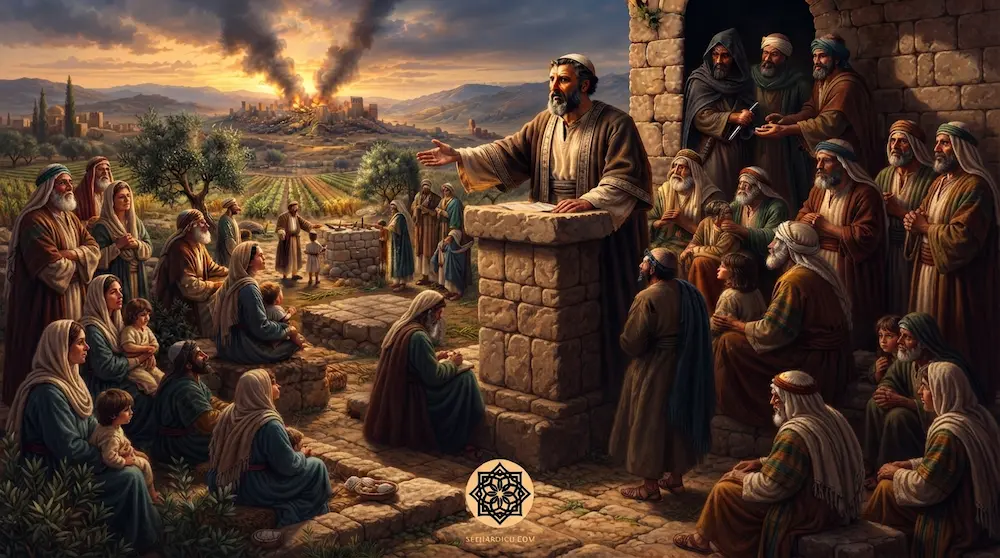
Following the destruction of Jerusalem and the First Temple, Nebuchadnezzar, king of Babylon, appointed Gedaliah ben Ahikam as governor over the Jewish remnant left in the land of Judah. Under his leadership, a fragile hope began to take root. Jews who had been scattered to surrounding lands returned to Judah, gathered around Gedaliah at Mizpah, and began once again to cultivate the land and rebuild their lives.

But that hope was tragically short-lived.

Gedaliah was warned that Ishmael ben Nethaniah, a man of royal descent, was plotting to assassinate him with the support of Baalis, king of Ammon. Gedaliah chose not to believe the warning. Soon afterward, Ishmael came to Mizpah and murdered Gedaliah, along with others who were with him.

The assassination shattered the fragile stability that had begun to emerge. Fearing Babylonian retaliation, the remaining Jews eventually fled the land for Egypt, bringing this brief chapter of rebuilding to a tragic end.

The Sages established the fast to remember Gedaliah’s death, teaching that the death of the righteous is comparable to the destruction of the Temple itself.

Tzom Gedaliah therefore reminds us not only of a tragedy from our past, but of how fragile peace can be—and how quickly violence and division can destroy what has taken so much effort to rebuild.

Yet the story also begins with something important: hope after destruction.

Even after Jerusalem had fallen and the Temple lay in ruins, the Jewish people began to return, plant, rebuild, and imagine a future in their land.

May we remember Gedaliah, mourn what was lost, and carry forward that same determination to rebuild—with unity, peace, and hope for the ultimate redemption.

Resources

Mourner’s Kaddish (Kaddish Yatom), traditionally said by mourners––that is, those who have lost a parent during the previous eleven months or a child, sibling, or spuce during the last thirty days––and by those observing the anniversary of the death of those close relatives. (In many contemporary communities, the full congregation says it in support of the mourners, and in memory of the six million Jews who perished during the Holocaust, assuming that at least one died on any given day.) The mourners Kaddish omits lines 7 and 8 of the Full Kaddish that asks God to answer our prayers, because presumably, God did not grant the mourner’s prayers that the relative recover and live).
 
אבל: יִתְגַּדַּל וְיִתְקַדַּשׁ שְׁמֵהּ רַבָּא
[קהל: אמן]
בְּעָלְמָא דִּי בְרָא כִרְעוּתֵהּ וְיַמְלִיךְ מַלְכוּתֵהּ בְּחַיֵּיכון וּבְיומֵיכון וּבְחַיֵּי דְכָל בֵּית יִשרָאֵל בַּעֲגָלָא וּבִזְמַן קָרִיב, וְאִמְרוּ אָמֵן: [קהל: אמן]
קהל ואבל: יְהֵא שְׁמֵהּ רַבָּא מְבָרַךְ לְעָלַם וּלְעָלְמֵי עָלְמַיָּא
אבל: יִתְבָּרַךְ וְיִשְׁתַּבַּח וְיִתְפָּאַר וְיִתְרומַם וְיִתְנַשּא וְיִתְהַדָּר וְיִתְעַלֶּה וְיִתְהַלָּל שְׁמֵהּ דְּקֻדְשָׁא. בְּרִיךְ הוּא. [קהל: בריך הוא:]
לְעֵלָּא מִן כָּל בִּרְכָתָא בעשי”ת: לְעֵלָּא לְעֵלָּא מִכָּל וְשִׁירָתָא תֻּשְׁבְּחָתָא וְנֶחֱמָתָא דַּאֲמִירָן בְּעָלְמָא. וְאִמְרוּ אָמֵן: [קהל: אמן]
יְהֵא שְׁלָמָא רַבָּא מִן שְׁמַיָּא וְחַיִּים עָלֵינוּ וְעַל כָּל יִשרָאֵל. וְאִמְרוּ אָמֵן: [קהל: אמן]
עושה שָׁלום בִּמְרומָיו הוּא יַעֲשה שָׁלום עָלֵינוּ וְעַל כָּל יִשרָאֵל וְאִמְרוּ אָמֵן: [קהל: אמן]

וְזֹ֖את הַתּוֹרָ֑ה אֲשֶׁר־שָׂ֣ם מֹשֶׁ֔ה לִפְנֵ֖י בְּנֵ֥י יִשְׂרָאֵֽל׃ תּוֹרָ֥ה צִוָּה־לָ֖נוּ מֹשֶׁ֑ה מוֹרָשָׁ֖ה קְהִלַּ֥ת יַעֲקֹֽב׃ הָאֵל֮ תָּמִ֢ים דַּ֫רְכּ֥וֹ אִמְרַֽת־יְהֹוָ֥ה צְרוּפָ֑ה מָגֵ֥ן ה֝֗וּא לְכֹ֤ל ׀ הַחֹסִ֬ים בּֽוֹ׃

Before reading the Torah:
הַשֵּׁם עִמָּכֶם.
יְבָרֶכְךָ הַשֵּׁם.
 

 .בָּרְכוּ אֶת יְהֹוָה הַמְּבֹרָךְ
.בָּרוּךְ יְהֹוָה הַמְּבֹרָךְ לְעוֹלָם וָעֶד

בָּרוּךְ אַתָּה יְהֹוָה, אֱלֹהֵינוּ מֶלֶךְ הָעוֹלָם, אֲשֶׁר בָּחַר בָּנוּ מִכָּל הָעַמִּים וְנָתַן לָנוּ אֶת תּוֹרָתוֹ. בָּרוּךְ אַתָּה יְהֹוָה, נוֹתֵן הַתּוֹרָה:
 אמן.

After reading the Torah:

בָּרוּךְ אַתָּה יְהֹוָה, אֱלֹהֵינוּ מֶלֶךְ הָעוֹלָם, אֲשֶׁר נָתַן לָנוּ אֶת תּוֹרָתוֹ תּוֹרַת אֱמֶת, וְחַיֵּי עוֹלָם נָטַע בְּתוֹכֵנוּ. בָּרוּךְ אַתָּה יְהֹוָה, נוֹתֵן הַתּוֹרָה:
אמן.

Beracha recited before the reading of the Haftara:

Mi Sheberach, the Jewish prayer for healing, is one of the most meaningful prayers in Judaism. It is a public prayer or blessing for an individual or group, most often recited in synagogue when the Torah is being read. 

He who blessed our fathers Abraham, Isaac and Jacob, Moses and Aaron, David and Solomon, may he heal ___ who is ill. May the Holy One, blessed be he, have mercy and speedily restore him to perfect health, both spiritual and physical; and let us say, Amen.

מִי שֶׁבֵּרַךְ אֲבוֹתֵֽינוּ, אַבְרָהָם יִצְחָק וְיַעֲקֹב, משֶׁה וְאַהֲרֹן, דָּוִד וּשְׁלֹמֹה, הוּא יְבָרֵךְ וִירַפֵּא אֶת הַחוֹלֶה ___. הַקָּדוֹשׁ בָּרוּךְ הוּא יִמָּלֵא רַחֲמִים עָלָיו לְהַחֲלִימוֹ וּלְרַפֹּאתוֹ, לְהַחֲזִיקוֹ וּלְהַחֲיוֹתוֹ, וְיִשְׁלַח לוֹ מְהֵרָה רְפוּאָה שְׁלֵמָה, רְפוּאַת הַנֶּֽפֶשׁ וּרְפוּאַת הַגּוּף; וְנֹאמַר אָמֵן.

Tefilat HaDerech (Hebrew: תפילת הדרך), also known as the Traveler’s Prayer or Wayfarer’s Prayer in English, is a prayer for safe travel recited by Jews when traveling by air, sea, or long car trips. It is recited at the start of every journey, preferably standing, but this is not required. It is frequently inscribed on hamsas, which may also include the Shema or Birkat HaBayit prayer.

In the “Blessing of Thanksgiving” (Birkat HaGomel), persons in four different categories should express gratitude to God for His compassion toward them:
One who has done one of the following: a) traveled across the ocean (by an international flight, etc.); b) traversed the desert; c) recovered from a very serious illness; d) been released from prison.
All other potentially fatal circumstances that one escapes, such as a wall crumbling on him, an ox goring him, thieves, auto accidents, etc., fall under the category of desert.

The reader recites:

בָּרוּךְ אַתָּה ה’ אֱלֹהֵינוּ מֶלֶךְ הָעוֹלָם הַגּוֹמֵל לְחַיָּבִים טוֹבוֹת שֶׁגְּמָלַנִי כָּל טוֹב.

 
The congregations responds:

מִי שֶׁגְמַלְךָ כֹּל טוֹב הוּא יִגְמַלְךָ כֹּל טוֹב סֶלָה.

[table id=6 /]

Spanish-Portuguese custom

זַרְקָא֮ מַקַּף־שׁוֹפָר־הוֹלֵ֣ךְ סְגוֹלְתָּא֒ פָּזֵר גָּד֡וֹל
תַ֠לְשָׁא תִּ֩ילְשָׁא אַזְלָ֨א גֵּ֜רֵישׁ פָּסֵק  ׀  רָבִ֗יעַ שְׁנֵי־גֵרֵישִׁ֞ין
דַּרְגָ֧א תְּבִ֛יר מַאֲרִ֥יךְ טַרְחָ֖א אַתְנָ֑ח שׁוֹפָר־מְהֻפָּ֤ךְ
קַדְמָא֙ תְּרֵ֨י־קַדְמִין֙ זָקֵף־קָט֔וֹן זָקֵף־גָּד֕וֹל שַׁלְשֶׁ֓לֶת
תְּרֵי־טַעֲמֵ֦י יְ֚תִיב סוֹף־פָּסֽוּק׃

Sephardic U Calendar