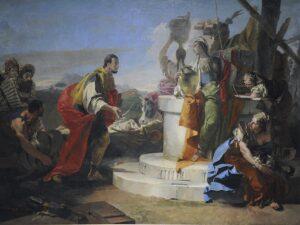
Genesis 23:1–25:18, with the seven aliyot and maftir.
Read Monday and Thursday mornings, and at Shabbat Minḥa the week before: Genesis 23:1–16.
Shabbat afternoon begins next week’s parasha, Toldot, in three aliyot.
Read on weekday Rosh Hodesh, after half Hallel (Sephardi custom: without a berakha): Bamidbar 28:1–15, in four aliyot. Ya’aleh VeYavo and Musaf are added today.
Sephardi haftarah: I Kings 1:1–31.
וַיִּהְיוּ֙ חַיֵּ֣י שָׂרָ֔ה מֵאָ֥ה שָׁנָ֛ה וְעֶשְׂרִ֥ים שָׁנָ֖ה וְשֶׁ֣בַע שָׁנִ֑ים שְׁנֵ֖י חַיֵּ֥י שָׂרָֽה׃
Sarah’s lifetime—the span of Sarah’s life—came to one hundred and twenty-seven years.
Los años de la vida de Sará fueron: cien años y veinte años y siete años.
וַתָּ֣מָת שָׂרָ֗ה בְּקִרְיַ֥ת אַרְבַּ֛ע הִ֥וא חֶבְר֖וֹן בְּאֶ֣רֶץ כְּנָ֑עַן וַיָּבֹא֙ אַבְרָהָ֔ם לִסְפֹּ֥ד לְשָׂרָ֖ה וְלִבְכֹּתָֽהּ׃
Sarah died in Kiriath-arba—now Hebron—in the land of Canaan; and Abraham proceeded to mourn for Sarah and to bewail her.
Sará murió en Kiriat Arbá, que es Jevrón, en la tierra de Kenaan. Avraham fue a hacer duelo por Sará y a llorarla.
וַיָּ֙קָם֙ אַבְרָהָ֔ם מֵעַ֖ל פְּנֵ֣י מֵת֑וֹ וַיְדַבֵּ֥ר אֶל־בְּנֵי־חֵ֖ת לֵאמֹֽר׃
Then Abraham rose from beside his dead, and spoke to the Hittites, saying,
Avraham se levantó de frente a su difunta y habló con los hijos de Jet, diciendo:
גֵּר־וְתוֹשָׁ֥ב אָנֹכִ֖י עִמָּכֶ֑ם תְּנ֨וּ לִ֤י אֲחֻזַּת־קֶ֙בֶר֙ עִמָּכֶ֔ם וְאֶקְבְּרָ֥ה מֵתִ֖י מִלְּפָנָֽי׃
“I am a resident alien among you; sell me a burial site among you, that I may remove my dead for burial.”
—Yo soy forastero y resido entre ustedes. Denme una propiedad para sepultura entre ustedes, para que sepulte allí a mi difunta.
וַיַּעֲנ֧וּ בְנֵי־חֵ֛ת אֶת־אַבְרָהָ֖ם לֵאמֹ֥ר לֽוֹ׃
And the Hittites replied to Abraham, saying to him,
Los hijos de Jet respondieron a Avraham diciéndole:
שְׁמָעֵ֣נוּ ׀ אֲדֹנִ֗י נְשִׂ֨יא אֱלֹהִ֤ים אַתָּה֙ בְּתוֹכֵ֔נוּ בְּמִבְחַ֣ר קְבָרֵ֔ינוּ קְבֹ֖ר אֶת־מֵתֶ֑ךָ אִ֣ישׁ מִמֶּ֔נּוּ אֶת־קִבְר֛וֹ לֹֽא־יִכְלֶ֥ה מִמְּךָ֖ מִקְּבֹ֥ר מֵתֶֽךָ׃
“Hear us, my lord: you are the elect of God among us. Bury your dead in the choicest of our burial places; none of us will withhold his burial place from you for burying your dead.”
—Escúchenos, mi señor. Tú eres un príncipe de Elohim entre nosotros. Sepulta a tu difunta en el mejor de nuestros sepulcros. Ninguno de nosotros te negará su sepulcro para que entierres a tu difunta.
וַיָּ֧קָם אַבְרָהָ֛ם וַיִּשְׁתַּ֥חוּ לְעַם־הָאָ֖רֶץ לִבְנֵי־חֵֽת׃
Thereupon Abraham bowed low to the landowning citizens, the Hittites,
Avraham se levantó y se inclinó ante la gente de la tierra, los hijos de Jet,
וַיְדַבֵּ֥ר אִתָּ֖ם לֵאמֹ֑ר אִם־יֵ֣שׁ אֶֽת־נַפְשְׁכֶ֗ם לִקְבֹּ֤ר אֶת־מֵתִי֙ מִלְּפָנַ֔י שְׁמָע֕וּנִי וּפִגְעוּ־לִ֖י בְּעֶפְר֥וֹן בֶּן־צֹֽחַר׃
and he said to them, “If it is your wish that I remove my dead for burial, you must agree to intercede for me with Ephron son of Zohar.
Les habló diciendo: —Si están de acuerdo en que yo sepulte allí a mi difunta, escúchenme e intercedan por mí ante Efrón hijo de Tzojar.
וְיִתֶּן־לִ֗י אֶת־מְעָרַ֤ת הַמַּכְפֵּלָה֙ אֲשֶׁר־ל֔וֹ אֲשֶׁ֖ר בִּקְצֵ֣ה שָׂדֵ֑הוּ בְּכֶ֨סֶף מָלֵ֜א יִתְּנֶ֥נָּה לִ֛י בְּתוֹכְכֶ֖ם לַאֲחֻזַּת־קָֽבֶר׃
Let him sell me the cave of Machpelah that he owns, which is at the edge of his land. Let him sell it to me, at the full price, for a burial site in your midst.”
para que me dé la cueva de Majpelá (Macpela) que está al extremo de su campo. Que me la ceda por su valor total como propiedad para sepultura entre ustedes.
וְעֶפְר֥וֹן יֹשֵׁ֖ב בְּת֣וֹךְ בְּנֵי־חֵ֑ת וַיַּעַן֩ עֶפְר֨וֹן הַחִתִּ֤י אֶת־אַבְרָהָם֙ בְּאָזְנֵ֣י בְנֵי־חֵ֔ת לְכֹ֛ל בָּאֵ֥י שַֽׁעַר־עִיר֖וֹ לֵאמֹֽר׃
Ephron was present among the Hittites; so Ephron the Hittite answered Abraham in the hearing of the Hittites, the assembly in his town’s gate, saying,
Efrón estaba sentado entre los hijos de Jet. Efrón el jeteo respondió a Avraham, a presencia de los hijos de Jet y de todos los que entraban por la puerta de la ciudad, diciendo:
לֹֽא־אֲדֹנִ֣י שְׁמָעֵ֔נִי הַשָּׂדֶה֙ נָתַ֣תִּי לָ֔ךְ וְהַמְּעָרָ֥ה אֲשֶׁר־בּ֖וֹ לְךָ֣ נְתַתִּ֑יהָ לְעֵינֵ֧י בְנֵי־עַמִּ֛י נְתַתִּ֥יהָ לָּ֖ךְ קְבֹ֥ר מֵתֶֽךָ׃
“No, my lord, hear me: I give you the field and I give you the cave that is in it; I give it to you in the presence of my people. Bury your dead.”
—No, mi señor. Escúchame: te doy el campo y te doy la cueva que está en él. A ojos de los hijos de mi pueblo te lo doy. Sepulta a tu difunta.
וַיִּשְׁתַּ֙חוּ֙ אַבְרָהָ֔ם לִפְנֵ֖י עַ֥ם הָאָֽרֶץ׃
Then Abraham bowed low before the landowning citizens,
Avraham se inclinó ante la gente de la tierra.
וַיְדַבֵּ֨ר אֶל־עֶפְר֜וֹן בְּאָזְנֵ֤י עַם־הָאָ֙רֶץ֙ לֵאמֹ֔ר אַ֛ךְ אִם־אַתָּ֥ה ל֖וּ שְׁמָעֵ֑נִי נָתַ֜תִּי כֶּ֤סֶף הַשָּׂדֶה֙ קַ֣ח מִמֶּ֔נִּי וְאֶקְבְּרָ֥ה אֶת־מֵתִ֖י שָֽׁמָּה׃
and spoke to Ephron in the hearing of the landowning citizens, saying, “If only you would hear me out! Let me pay the price of the land; accept it from me, that I may bury my dead there.”
Y habló a Efrón a presencia del pueblo de la tierra, diciendo: —Sin embargo, te pido que me escuches. Yo te pagaré el precio del campo. Tómalo de mí para que sepulte allí a mi difunta.
וַיַּ֧עַן עֶפְר֛וֹן אֶת־אַבְרָהָ֖ם לֵאמֹ֥ר לֽוֹ׃
And Ephron replied to Abraham, saying to him,
Efrón respondió a Avraham diciéndole:
אֲדֹנִ֣י שְׁמָעֵ֔נִי אֶרֶץ֩ אַרְבַּ֨ע מֵאֹ֧ת שֶֽׁקֶל־כֶּ֛סֶף בֵּינִ֥י וּבֵֽינְךָ֖ מַה־הִ֑וא וְאֶת־מֵתְךָ֖ קְבֹֽר׃
“My lord, do hear me! A piece of land worth four hundred shekels of silver—what is that between you and me? Go and bury your dead.”
—Mi señor, escúchame: la tierra vale cuatrocientos siclos de plata. ¿Qué es eso entre tú y yo? Sepulta, pues, a tu difunta.
וַיִּשְׁמַ֣ע אַבְרָהָם֮ אֶל־עֶפְרוֹן֒ וַיִּשְׁקֹ֤ל אַבְרָהָם֙ לְעֶפְרֹ֔ן אֶת־הַכֶּ֕סֶף אֲשֶׁ֥ר דִּבֶּ֖ר בְּאָזְנֵ֣י בְנֵי־חֵ֑ת אַרְבַּ֤ע מֵאוֹת֙ שֶׁ֣קֶל כֶּ֔סֶף עֹבֵ֖ר לַסֹּחֵֽר׃
Abraham accepted Ephron’s terms. Abraham paid out to Ephron the money that he had named in the hearing of the Hittites—four hundred shekels of silver at the going merchants’ rate.
Avraham escuchó a Efrón, y pesó para Efrón la plata que este había mencionado, a oídos de los hijos de Jet: cuatrocientos siclos de plata, de moneda corriente.
וַיָּ֣קָם ׀ שְׂדֵ֣ה עֶפְר֗וֹן אֲשֶׁר֙ בַּמַּכְפֵּלָ֔ה אֲשֶׁ֖ר לִפְנֵ֣י מַמְרֵ֑א הַשָּׂדֶה֙ וְהַמְּעָרָ֣ה אֲשֶׁר־בּ֔וֹ וְכָל־הָעֵץ֙ אֲשֶׁ֣ר בַּשָּׂדֶ֔ה אֲשֶׁ֥ר בְּכָל־גְּבֻל֖וֹ סָבִֽיב׃
So Ephron’s land in Machpelah, near Mamre—the field with its cave and all the trees anywhere within the confines of that field—passed
Así el campo de Efrón que estaba en Majpelá, frente a Mamré, tanto el campo como la cueva que había en él y todos los árboles dentro de los límites del campo,
לְאַבְרָהָ֥ם לְמִקְנָ֖ה לְעֵינֵ֣י בְנֵי־חֵ֑ת בְּכֹ֖ל בָּאֵ֥י שַֽׁעַר־עִירֽוֹ׃
to Abraham as his possession, in the presence of the Hittites, of the assembly in his town’s gate.
quedaron como propiedad de Avraham, a vista de los hijos de Jet y de todos los que entraban por la puerta de su ciudad.
וְאַחֲרֵי־כֵן֩ קָבַ֨ר אַבְרָהָ֜ם אֶת־שָׂרָ֣ה אִשְׁתּ֗וֹ אֶל־מְעָרַ֞ת שְׂדֵ֧ה הַמַּכְפֵּלָ֛ה עַל־פְּנֵ֥י מַמְרֵ֖א הִ֣וא חֶבְר֑וֹן בְּאֶ֖רֶץ כְּנָֽעַן׃
And then Abraham buried his wife Sarah in the cave of the field of Machpelah, facing Mamre—now Hebron—in the land of Canaan.
Después de esto, Avraham sepultó a Sará su mujer en la cueva del campo de Majpelá, frente a Mamré, que es Jevrón, en la tierra de Kenaan.
וַיָּ֨קָם הַשָּׂדֶ֜ה וְהַמְּעָרָ֧ה אֲשֶׁר־בּ֛וֹ לְאַבְרָהָ֖ם לַאֲחֻזַּת־קָ֑בֶר מֵאֵ֖ת בְּנֵי־חֵֽת׃ (ס)
Thus the field with its cave passed from the Hittites to Abraham, as a burial site.
Así el campo y la cueva que había en él pasaron a ser propiedad de Avraham como sepultura, de parte de los hijos de Jet.
וְאַבְרָהָ֣ם זָקֵ֔ן בָּ֖א בַּיָּמִ֑ים וַֽיהוָ֛ה בֵּרַ֥ךְ אֶת־אַבְרָהָ֖ם בַּכֹּֽל׃
Abraham was now old, advanced in years, and יהוה had blessed Abraham in all things.
Avraham era anciano y de edad muy avanzada, y Hashem había bendecido a Avraham en todo.
וַיֹּ֣אמֶר אַבְרָהָ֗ם אֶל־עַבְדּוֹ֙ זְקַ֣ן בֵּית֔וֹ הַמֹּשֵׁ֖ל בְּכָל־אֲשֶׁר־ל֑וֹ שִֽׂים־נָ֥א יָדְךָ֖ תַּ֥חַת יְרֵכִֽי׃
And Abraham said to the senior servant of his household, who had charge of all that he owned, “Put your hand under my thigh
Avraham dijo a su siervo, el más antiguo de su casa, que administraba todo lo que tenía: —Por favor, pon tu mano debajo de mi muslo,
וְאַשְׁבִּ֣יעֲךָ֔ בַּֽיהוָה֙ אֱלֹהֵ֣י הַשָּׁמַ֔יִם וֵֽאלֹהֵ֖י הָאָ֑רֶץ אֲשֶׁ֨ר לֹֽא־תִקַּ֤ח אִשָּׁה֙ לִבְנִ֔י מִבְּנוֹת֙ הַֽכְּנַעֲנִ֔י אֲשֶׁ֥ר אָנֹכִ֖י יוֹשֵׁ֥ב בְּקִרְבּֽוֹ׃
and I will make you swear by יהוה, the God of heaven and the God of the earth, that you will not take a wife for my son from the daughters of the Canaanites among whom I dwell,
y te haré jurar por Hashem, Elohim de los cielos y Elohim de la tierra, que no tomarás para mi hijo una mujer de las hijas de los kenaanitas, entre los cuales yo habito.
כִּ֧י אֶל־אַרְצִ֛י וְאֶל־מוֹלַדְתִּ֖י תֵּלֵ֑ךְ וְלָקַחְתָּ֥ אִשָּׁ֖ה לִבְנִ֥י לְיִצְחָֽק׃
but will go to the land of my birth and get a wife for my son Isaac.”
Sino que irás a mi tierra y a mi parentela, y tomarás una mujer para mi hijo Itzjac.
וַיֹּ֤אמֶר אֵלָיו֙ הָעֶ֔בֶד אוּלַי֙ לֹא־תֹאבֶ֣ה הָֽאִשָּׁ֔ה לָלֶ֥כֶת אַחֲרַ֖י אֶל־הָאָ֣רֶץ הַזֹּ֑את הֶֽהָשֵׁ֤ב אָשִׁיב֙ אֶת־בִּנְךָ֔ אֶל־הָאָ֖רֶץ אֲשֶׁר־יָצָ֥אתָ מִשָּֽׁם׃
And the servant said to him, “What if the woman does not consent to follow me to this land, shall I then take your son back to the land from which you came?”
Su siervo le respondió: —Quizás la mujer no quiera venir conmigo a esta tierra. ¿Debo hacer volver a tu hijo a la tierra de la que saliste?
וַיֹּ֥אמֶר אֵלָ֖יו אַבְרָהָ֑ם הִשָּׁ֣מֶר לְךָ֔ פֶּן־תָּשִׁ֥יב אֶת־בְּנִ֖י שָֽׁמָּה׃
Abraham answered him, “On no account must you take my son back there!
Avraham le dijo: —Cuídate de no llevar a mi hijo de regreso allá.
יְהוָ֣ה ׀ אֱלֹהֵ֣י הַשָּׁמַ֗יִם אֲשֶׁ֨ר לְקָחַ֜נִי מִבֵּ֣ית אָבִי֮ וּמֵאֶ֣רֶץ מֽוֹלַדְתִּי֒ וַאֲשֶׁ֨ר דִּבֶּר־לִ֜י וַאֲשֶׁ֤ר נִֽשְׁבַּֽע־לִי֙ לֵאמֹ֔ר לְזַ֨רְעֲךָ֔ אֶתֵּ֖ן אֶת־הָאָ֣רֶץ הַזֹּ֑את ה֗וּא יִשְׁלַ֤ח מַלְאָכוֹ֙ לְפָנֶ֔יךָ וְלָקַחְתָּ֥ אִשָּׁ֛ה לִבְנִ֖י מִשָּֽׁם׃
יהוה, the God of heaven—who took me from my father’s house and from my native land, who promised me on oath, saying, ‘I will assign this land to your offspring’—will send a messenger before you, and you will get a wife for my son from there.
Hashem, Elohim de los cielos, que me sacó de la casa de mi padre y de mi tierra natal, y que me habló y me juró diciendo: «A tu descendencia daré esta tierra». Él enviará a su emisario delante de ti, y de allí tomarás una mujer para mi hijo.
וְאִם־לֹ֨א תֹאבֶ֤ה הָֽאִשָּׁה֙ לָלֶ֣כֶת אַחֲרֶ֔יךָ וְנִקִּ֕יתָ מִשְּׁבֻעָתִ֖י זֹ֑את רַ֣ק אֶת־בְּנִ֔י לֹ֥א תָשֵׁ֖ב שָֽׁמָּה׃
And if the woman does not consent to follow you, you shall then be clear of this oath to me; but do not take my son back there.”
Pero si la mujer no está dispuesta a venir contigo, quedarás libre de este mi juramento. Solo asegúrate de no llevar a mi hijo de regreso allá.
וַיָּ֤שֶׂם הָעֶ֙בֶד֙ אֶת־יָד֔וֹ תַּ֛חַת יֶ֥רֶךְ אַבְרָהָ֖ם אֲדֹנָ֑יו וַיִּשָּׁ֣בַֽע ל֔וֹ עַל־הַדָּבָ֖ר הַזֶּֽה׃
So the servant put his hand under the thigh of his master Abraham and swore to him as bidden.
Pueso el siervo su mano debajo del muslo de Avraham su señor, y le juró sobre este asunto.
וַיִּקַּ֣ח הָ֠עֶבֶד עֲשָׂרָ֨ה גְמַלִּ֜ים מִגְּמַלֵּ֤י אֲדֹנָיו֙ וַיֵּ֔לֶךְ וְכָל־ט֥וּב אֲדֹנָ֖יו בְּיָד֑וֹ וַיָּ֗קָם וַיֵּ֛לֶךְ אֶל־אֲרַ֥ם נַֽהֲרַ֖יִם אֶל־עִ֥יר נָחֽוֹר׃
Then the servant took ten of his master’s camels and set out, taking with him all the bounty of his master; and he made his way to Aram-naharaim, to the city of Nahor.
Tomó el siervo diez de los camellos de su señor, y se fue llevando consigo toda clase de bienes de su señor. Partió y se fue a Aram mesopotámica, a la ciudad de Najor,
וַיַּבְרֵ֧ךְ הַגְּמַלִּ֛ים מִח֥וּץ לָעִ֖יר אֶל־בְּאֵ֣ר הַמָּ֑יִם לְעֵ֣ת עֶ֔רֶב לְעֵ֖ת צֵ֥את הַשֹּׁאֲבֹֽת׃
He made the camels kneel down by the well outside the city, at evening time, the time when women come out to draw water.
Hizo que se hincaran los camellos fuera de la ciudad, donde estaba a un pozo de agua, cuando atardecía, al tiempo cuando las jóvenes salían para sacar agua.
וַיֹּאמַ֓ר ׀ יְהוָ֗ה אֱלֹהֵי֙ אֲדֹנִ֣י אַבְרָהָ֔ם הַקְרֵה־נָ֥א לְפָנַ֖י הַיּ֑וֹם וַעֲשֵׂה־חֶ֕סֶד עִ֖ם אֲדֹנִ֥י אַבְרָהָֽם׃
And he said, “O יהוה, God of my master Abraham’s [house], grant me good fortune this day, and deal graciously with my master Abraham:
Y dijo: –Por favor Eterno, Elohim de mi señor Avraham, haz que suceda para mí hoy; haz una bondad para mi señor Avraham.
הִנֵּ֛ה אָנֹכִ֥י נִצָּ֖ב עַל־עֵ֣ין הַמָּ֑יִם וּבְנוֹת֙ אַנְשֵׁ֣י הָעִ֔יר יֹצְאֹ֖ת לִשְׁאֹ֥ב מָֽיִם׃
Here I stand by the spring as the daughters of the townspeople come out to draw water;
Aquí me encuentro junto al pozo de agua, y las hijas de los hombres de la ciudad salieron para extraer agua.
וְהָיָ֣ה הַֽנַּעֲרָ֗ אֲשֶׁ֨ר אֹמַ֤ר אֵלֶ֙יהָ֙ הַטִּי־נָ֤א כַדֵּךְ֙ וְאֶשְׁתֶּ֔ה וְאָמְרָ֣ה שְׁתֵ֔ה וְגַם־גְּמַלֶּ֖יךָ אַשְׁקֶ֑ה אֹתָ֤הּ הֹכַ֙חְתָּ֙ לְעַבְדְּךָ֣ לְיִצְחָ֔ק וּבָ֣הּ אֵדַ֔ע כִּי־עָשִׂ֥יתָ חֶ֖סֶד עִם־אֲדֹנִֽי׃
let the maiden to whom I say, ‘Please, lower your jar that I may drink,’ and who replies, ‘Drink, and I will also water your camels’—let her be the one whom You have decreed for Your servant Isaac. Thereby shall I know that You have dealt graciously with my master.”
Que la joven a quien yo diga: «Por favor, baja tu cántaro para que yo beba», y ella diga: «Bebe y también daré de beber a tus camellos»; sea ella la que tú has señalado para tu siervo, para Itzjac. Con ella yo sabré que hiciste una bondad con de mi señor.
וַֽיְהִי־ה֗וּא טֶרֶם֮ כִּלָּ֣ה לְדַבֵּר֒ וְהִנֵּ֧ה רִבְקָ֣ה יֹצֵ֗את אֲשֶׁ֤ר יֻלְּדָה֙ לִבְתוּאֵ֣ל בֶּן־מִלְכָּ֔ה אֵ֥שֶׁת נָח֖וֹר אֲחִ֣י אַבְרָהָ֑ם וְכַדָּ֖הּ עַל־שִׁכְמָֽהּ׃
He had scarcely finished speaking, when Rebekah, who was born to Bethuel, the son of Milcah the wife of Abraham’s brother Nahor, came out with her jar on her shoulder.
Resulta que, antes de que finalizara de hablar, he aquí salía Rivcá, la nacida a Betuel el hijo de Milcá, esposa de Najor, hermano de Avragam, con su cántaro al hombro.
וְהַֽנַּעֲרָ֗ טֹבַ֤ת מַרְאֶה֙ מְאֹ֔ד בְּתוּלָ֕ה וְאִ֖ישׁ לֹ֣א יְדָעָ֑הּ וַתֵּ֣רֶד הָעַ֔יְנָה וַתְּמַלֵּ֥א כַדָּ֖הּ וַתָּֽעַל׃
The maiden was very beautiful—[and] a virgin, no man having known her. She went down to the spring, filled her jar, and came up.
La joven era de muy buen ver; era virgen, a quien ningún hombre había conocido. Ella descendió al manantial, llenó su cántaro y subió.
וַיָּ֥רָץ הָעֶ֖בֶד לִקְרָאתָ֑הּ וַיֹּ֕אמֶר הַגְמִיאִ֥ינִי נָ֛א מְעַט־מַ֖יִם מִכַּדֵּֽךְ׃
The servant ran toward her and said, “Please, let me sip a little water from your jar.”
El siervo corrió hacia ella y le dijo: –Por favor, dame de beber un poco de agua de tu cántaro.
וַתֹּ֖אמֶר שְׁתֵ֣ה אֲדֹנִ֑י וַתְּמַהֵ֗ר וַתֹּ֧רֶד כַּדָּ֛הּ עַל־יָדָ֖הּ וַתַּשְׁקֵֽהוּ׃
“Drink, my lord,” she said, and she quickly lowered her jar upon her hand and let him drink.
Y ella dijo: –Bebe, señor mío. Se apuró para bajar su cántaro a su mano y le dio de beber.
וַתְּכַ֖ל לְהַשְׁקֹת֑וֹ וַתֹּ֗אמֶר גַּ֤ם לִגְמַלֶּ֙יךָ֙ אֶשְׁאָ֔ב עַ֥ד אִם־כִּלּ֖וּ לִשְׁתֹּֽת׃
When she had let him drink his fill, she said, “I will also draw for your camels, until they finish drinking.”
Cuando acabó de darle de beber, dijo: –También sacaré agua para tus camellos, hasta que acaben de beber.
וַתְּמַהֵ֗ר וַתְּעַ֤ר כַּדָּהּ֙ אֶל־הַשֹּׁ֔קֶת וַתָּ֥רָץ ע֛וֹד אֶֽל־הַבְּאֵ֖ר לִשְׁאֹ֑ב וַתִּשְׁאַ֖ב לְכָל־גְּמַלָּֽיו׃
Quickly emptying her jar into the trough, she ran back to the well to draw, and she drew for all his camels.
Se apuró, vació su cántaro en el bebedero y corrió otra vez al pozo para sacar agua. Y sacó para todos sus camellos.
וְהָאִ֥ישׁ מִשְׁתָּאֵ֖ה לָ֑הּ מַחֲרִ֕ישׁ לָדַ֗עַת הַֽהִצְלִ֧יחַ יְהוָ֛ה דַּרְכּ֖וֹ אִם־לֹֽא׃
The man, meanwhile, stood gazing at her, silently wondering whether יהוה had made his errand successful or not.
El hombre la observaba en silencio para saber si Hashem había dado éxito a su camino o no.
וַיְהִ֗י כַּאֲשֶׁ֨ר כִּלּ֤וּ הַגְּמַלִּים֙ לִשְׁתּ֔וֹת וַיִּקַּ֤ח הָאִישׁ֙ נֶ֣זֶם זָהָ֔ב בֶּ֖קַע מִשְׁקָל֑וֹ וּשְׁנֵ֤י צְמִידִים֙ עַל־יָדֶ֔יהָ עֲשָׂרָ֥ה זָהָ֖ב מִשְׁקָלָֽם׃
When the camels had finished drinking, the man took a gold nose-ring weighing a half-shekel, and two gold bands for her arms, ten shekels in weight.
Cuando los camellos acabaron de beber, el hombre tomó un pendiente de oro que pesaba medio siclo y dos brazaletes de oro para sus brazos, que pesaban diez siclos.
וַיֹּ֙אמֶר֙ בַּת־מִ֣י אַ֔תְּ הַגִּ֥ידִי נָ֖א לִ֑י הֲיֵ֧שׁ בֵּית־אָבִ֛יךְ מָק֥וֹם לָ֖נוּ לָלִֽין׃
“Pray tell me,” he said, “whose daughter are you? Is there room in your father’s house for us to spend the night?”
Y le dijo: –¿De quién eres hija? Dime, por favor, ¿hay lugar en la casa de tu padre donde podamos pasar la noche?
וַתֹּ֣אמֶר אֵלָ֔יו בַּת־בְּתוּאֵ֖ל אָנֹ֑כִי בֶּן־מִלְכָּ֕ה אֲשֶׁ֥ר יָלְדָ֖ה לְנָחֽוֹר׃
She replied, “I am the daughter of Bethuel the son of Milcah, whom she bore to Nahor.”
Ella le dijo: –Yo soy hija de Betuel, hijo de Milcá y Najor.
וַתֹּ֣אמֶר אֵלָ֔יו גַּם־תֶּ֥בֶן גַּם־מִסְפּ֖וֹא רַ֣ב עִמָּ֑נוּ גַּם־מָק֖וֹם לָלֽוּן׃
And she went on, “There is plenty of straw and feed at home, and also room to spend the night.”
Y le dijo–: Tenemos paja, mucho forraje y también lugar para que pernocten.
וַיִּקֹּ֣ד הָאִ֔ישׁ וַיִּשְׁתַּ֖חוּ לַֽיהוָֽה׃
The man bowed low in homage to יהוה
Inclinó su cabeza el hombre y se prosternó ante Hashem
וַיֹּ֗אמֶר בָּר֤וּךְ יְהוָה֙ אֱלֹהֵי֙ אֲדֹנִ֣י אַבְרָהָ֔ם אֲ֠שֶׁר לֹֽא־עָזַ֥ב חַסְדּ֛וֹ וַאֲמִתּ֖וֹ מֵעִ֣ם אֲדֹנִ֑י אָנֹכִ֗י בַּדֶּ֙רֶךְ֙ נָחַ֣נִי יְהוָ֔ה בֵּ֖ית אֲחֵ֥י אֲדֹנִֽי׃
and said, “Blessed be יהוה, the God of my master Abraham’s [house], who has not withheld steadfast faithfulness from my master. For I have been guided on my errand by יהוה, to the house of my master’s kin.”
Dijo: –¡Bendito es Hashem, Elohim de mi señor Avraham, que no apartó su bondad y su verdad de mi señor! Estando yo en camino, Hashem me condujo a la casa de los parientes de mi señor.
וַתָּ֙רָץ֙ הַֽנַּעֲרָ֔ וַתַּגֵּ֖ד לְבֵ֣ית אִמָּ֑הּ כַּדְּבָרִ֖ים הָאֵֽלֶּה׃
The maiden ran and told all this to her mother’s household.
La chica corrió y contó a la casa de su madre todos estos sucesos.
וּלְרִבְקָ֥ה אָ֖ח וּשְׁמ֣וֹ לָבָ֑ן וַיָּ֨רָץ לָבָ֧ן אֶל־הָאִ֛ישׁ הַח֖וּצָה אֶל־הָעָֽיִן׃
Now Rebekah had a brother whose name was Laban. Laban ran out to the man at the spring—
Rivcá tenía un hermano llamado Laván (Labán), corrió Laván fuera hacia el hombre, junto al manantial.
וַיְהִ֣י ׀ כִּרְאֹ֣ת אֶת־הַנֶּ֗זֶם וְֽאֶת־הַצְּמִדִים֮ עַל־יְדֵ֣י אֲחֹתוֹ֒ וּכְשָׁמְע֗וֹ אֶת־דִּבְרֵ֞י רִבְקָ֤ה אֲחֹתוֹ֙ לֵאמֹ֔ר כֹּֽה־דִבֶּ֥ר אֵלַ֖י הָאִ֑ישׁ וַיָּבֹא֙ אֶל־הָאִ֔ישׁ וְהִנֵּ֛ה עֹמֵ֥ד עַל־הַגְּמַלִּ֖ים עַל־הָעָֽיִן׃
when he saw the nose-ring and the bands on his sister’s arms, and when he heard his sister Rebekah say, “Thus the man spoke to me.” He went up to the man, who was still standing beside the camels at the spring.
Cuando vio el pendiente y los brazaletes en brazos de su hermana, y oyó las palabras de su hermana Rivcá que decía: «Así me dijo el hombre», vino al hombre y he aquí que él estaba junto a los camellos, junto al manantial.
וַיֹּ֕אמֶר בּ֖וֹא בְּר֣וּךְ יְהוָ֑ה לָ֤מָּה תַעֲמֹד֙ בַּח֔וּץ וְאָנֹכִי֙ פִּנִּ֣יתִי הַבַּ֔יִת וּמָק֖וֹם לַגְּמַלִּֽים׃
“Come in, O blessed of יהוה,” he said, “why do you remain outside, when I have made ready the house and a place for the camels?”
Y le dijo: –Ven, bendito Hashem. ¿Por qué te quedas fuera? Yo he preparado la casa y el lugar para los camellos.
וַיָּבֹ֤א הָאִישׁ֙ הַבַּ֔יְתָה וַיְפַתַּ֖ח הַגְּמַלִּ֑ים וַיִּתֵּ֨ן תֶּ֤בֶן וּמִסְפּוֹא֙ לַגְּמַלִּ֔ים וּמַ֙יִם֙ לִרְחֹ֣ץ רַגְלָ֔יו וְרַגְלֵ֥י הָאֲנָשִׁ֖ים אֲשֶׁ֥ר אִתּֽוֹ׃
So the man entered the house, and the camels were unloaded. The camels were given straw and feed, and water was brought to bathe his feet and the feet of the entourage under him.
Vino el hombre a la casa, desató los camellos y les dio paja y forraje. Luego trajo agua para lavar los pies de él y los pies de los hombres que le acompañaban.
ויישם [וַיּוּשַׂ֤ם] לְפָנָיו֙ לֶאֱכֹ֔ל וַיֹּ֙אמֶר֙ לֹ֣א אֹכַ֔ל עַ֥ד אִם־דִּבַּ֖רְתִּי דְּבָרָ֑י וַיֹּ֖אמֶר דַּבֵּֽר׃
But when food was set before him, he said, “I will not eat until I have told my tale.” He said, “Speak, then.”
También puso comida delante de él, pero él dijo: –No comeré hasta que diga lo que tengo que decir. Le dijo: –¡Habla!
וַיֹּאמַ֑ר עֶ֥בֶד אַבְרָהָ֖ם אָנֹֽכִי׃
“I am Abraham’s servant,” he began.
Le dijo: –Yo soy siervo de Avraham.
וַיהוָ֞ה בֵּרַ֧ךְ אֶת־אֲדֹנִ֛י מְאֹ֖ד וַיִּגְדָּ֑ל וַיִּתֶּן־ל֞וֹ צֹ֤אן וּבָקָר֙ וְכֶ֣סֶף וְזָהָ֔ב וַעֲבָדִם֙ וּשְׁפָחֹ֔ת וּגְמַלִּ֖ים וַחֲמֹרִֽים׃
“יהוה has greatly blessed my master, who has become rich—giving him sheep and cattle, silver and gold, male and female slaves, camels and asses.
El Eterno ha bendecido mucho a mi señor y ha prosperado. Le ha dado ovejas, vacas, plata, oro, siervos, siervas, camellos y asnos.
וַתֵּ֡לֶד שָׂרָה֩ אֵ֨שֶׁת אֲדֹנִ֥י בֵן֙ לַֽאדֹנִ֔י אַחֲרֵ֖י זִקְנָתָ֑הּ וַיִּתֶּן־לּ֖וֹ אֶת־כָּל־אֲשֶׁר־לֽוֹ׃
And Sarah, my master’s wife, bore my master a son in her old age, and he has assigned to him everything he owns.
Y Sará (Sarai), mujer de mi señor, parió en su vejez un hijo a mi señor, a quien le ha dado todo lo que tiene.
וַיַּשְׁבִּעֵ֥נִי אֲדֹנִ֖י לֵאמֹ֑ר לֹא־תִקַּ֤ח אִשָּׁה֙ לִבְנִ֔י מִבְּנוֹת֙ הַֽכְּנַעֲנִ֔י אֲשֶׁ֥ר אָנֹכִ֖י יֹשֵׁ֥ב בְּאַרְצֽוֹ׃
Now my master made me swear, saying, ‘You shall not get a wife for my son from the daughters of the Canaanites in whose land I dwell;
Y mi señor me hizo jurar diciendo: «No tomarás mujer para mi hijo de entre las hijas del cananeo en cuya tierra resido.»
אִם־לֹ֧א אֶל־בֵּית־אָבִ֛י תֵּלֵ֖ךְ וְאֶל־מִשְׁפַּחְתִּ֑י וְלָקַחְתָּ֥ אִשָּׁ֖ה לִבְנִֽי׃
but you shall go to my father’s house, to my kindred, and get a wife for my son.’
«Sino que irás a la casa de mi padre, a mi familia y tomarás mujer para mi hijo.»
וָאֹמַ֖ר אֶל־אֲדֹנִ֑י אֻלַ֛י לֹא־תֵלֵ֥ךְ הָאִשָּׁ֖ה אַחֲרָֽי׃
And I said to my master, ‘What if the woman does not follow me?’
Yo dije a mi señor: «Quizás la mujer no quiera venir conmigo.»
וַיֹּ֖אמֶר אֵלָ֑י יְהוָ֞ה אֲשֶׁר־הִתְהַלַּ֣כְתִּי לְפָנָ֗יו יִשְׁלַ֨ח מַלְאָכ֤וֹ אִתָּךְ֙ וְהִצְלִ֣יחַ דַּרְכֶּ֔ךָ וְלָקַחְתָּ֤ אִשָּׁה֙ לִבְנִ֔י מִמִּשְׁפַּחְתִּ֖י וּמִבֵּ֥ית אָבִֽי׃
He replied to me, ‘יהוה, whose ways I have followed, will send a messenger with you and make your errand successful; and you will get a wife for my son from my kindred, from my father’s house.
Entonces me dijo: «El Eterno, ante quien yo anduve, enviará su enviado contigo, y él dará éxito a tu emprendimiento. Tú tomarás una mujer para mi hijo, de mi familia, de la casa de mi padre.»
אָ֤ז תִּנָּקֶה֙ מֵאָ֣לָתִ֔י כִּ֥י תָב֖וֹא אֶל־מִשְׁפַּחְתִּ֑י וְאִם־לֹ֤א יִתְּנוּ֙ לָ֔ךְ וְהָיִ֥יתָ נָקִ֖י מֵאָלָתִֽי׃
Thus only shall you be freed from my adjuration: if, when you come to my kindred, they refuse you—only then shall you be freed from my adjuration.’
«Entonces, cuando hayas llegado a mi familia, quedarás libre de mi juramento; y aunque no te la den, también quedarás libre de mi juramento.»
וָאָבֹ֥א הַיּ֖וֹם אֶל־הָעָ֑יִן וָאֹמַ֗ר יְהוָה֙ אֱלֹהֵי֙ אֲדֹנִ֣י אַבְרָהָ֔ם אִם־יֶשְׁךָ־נָּא֙ מַצְלִ֣יחַ דַּרְכִּ֔י אֲשֶׁ֥ר אָנֹכִ֖י הֹלֵ֥ךְ עָלֶֽיהָ׃
“I came today to the spring, and I said: ‘O יהוה, God of my master Abraham’s [house], if You would indeed grant success to the errand on which I am engaged!
Llegué, pues, hoy al manantial y dije: «Hashem, Elohim de mi señor Avraham, por favor, si has de dar éxito a mi viaje en el cual ando,»
הִנֵּ֛ה אָנֹכִ֥י נִצָּ֖ב עַל־עֵ֣ין הַמָּ֑יִם וְהָיָ֤ה הָֽעַלְמָה֙ הַיֹּצֵ֣את לִשְׁאֹ֔ב וְאָמַרְתִּ֣י אֵלֶ֔יהָ הַשְׁקִֽינִי־נָ֥א מְעַט־מַ֖יִם מִכַּדֵּֽךְ׃
As I stand by the spring of water, let the young woman who comes out to draw and to whom I say, “Please, let me drink a little water from your jar,”
he aquí que yo estoy junto al manantial de agua. Que la joven que venga para sacar agua y a quien yo diga: «Por favor, dame de beber un poco de agua de tu cántaro»,
וְאָמְרָ֤ה אֵלַי֙ גַּם־אַתָּ֣ה שְׁתֵ֔ה וְגַ֥ם לִגְמַלֶּ֖יךָ אֶשְׁאָ֑ב הִ֣וא הָֽאִשָּׁ֔ה אֲשֶׁר־הֹכִ֥יחַ יְהוָ֖ה לְבֶן־אֲדֹנִֽי׃
and who answers, “You may drink, and I will also draw for your camels”—let her be the wife whom יהוה has decreed for my master’s son.’
«y ella me responda: «Bebe tú, y también sacaré agua para tus camellos», que sea ella la mujer que Hashem ha destinado para el hijo de mi señor.»
אֲנִי֩ טֶ֨רֶם אֲכַלֶּ֜ה לְדַבֵּ֣ר אֶל־לִבִּ֗י וְהִנֵּ֨ה רִבְקָ֤ה יֹצֵאת֙ וְכַדָּ֣הּ עַל־שִׁכְמָ֔הּ וַתֵּ֥רֶד הָעַ֖יְנָה וַתִּשְׁאָ֑ב וָאֹמַ֥ר אֵלֶ֖יהָ הַשְׁקִ֥ינִי נָֽא׃
I had scarcely finished praying in my heart, when Rebekah came out with her jar on her shoulder, and went down to the spring and drew. And I said to her, ‘Please give me a drink.’
Y antes que acabase de hablar en mi corazón, he aquí que Rivká (Rebeca) venía con su cántaro sobre su hombro. Luego descendió al manantial y sacó agua. Entonces le dije: «Por favor, dame de beber.»
וַתְּמַהֵ֗ר וַתּ֤וֹרֶד כַּדָּהּ֙ מֵֽעָלֶ֔יהָ וַתֹּ֣אמֶר שְׁתֵ֔ה וְגַם־גְּמַלֶּ֖יךָ אַשְׁקֶ֑ה וָאֵ֕שְׁתְּ וְגַ֥ם הַגְּמַלִּ֖ים הִשְׁקָֽתָה׃
She quickly lowered her jar and said, ‘Drink, and I will also water your camels.’ So I drank, and she also watered the camels.
Y ella bajó rápidamente su cántaro de encima de su hombro y dijo: «Bebe tú, y también daré de beber a tus camellos.» Yo bebí, y ella también dio de beber a mis camellos.
וָאֶשְׁאַ֣ל אֹתָ֗הּ וָאֹמַר֮ בַּת־מִ֣י אַתְּ֒ וַתֹּ֗אמֶר בַּת־בְּתוּאֵל֙ בֶּן־נָח֔וֹר אֲשֶׁ֥ר יָֽלְדָה־לּ֖וֹ מִלְכָּ֑ה וָאָשִׂ֤ם הַנֶּ֙זֶם֙ עַל־אַפָּ֔הּ וְהַצְּמִידִ֖ים עַל־יָדֶֽיהָ׃
I inquired of her, ‘Whose daughter are you?’ And she said, ‘The daughter of Bethuel, son of Nahor, whom Milcah bore to him.’ And I put the ring on her nose and the bands on her arms.
Entonces le pregunté: «¿De quién eres hija?» Y ella respondió: «Soy hija de Betuel hijo de Najor, que le dio a luz Milká (Milca).» Yo puse el pendiente en su nariz y los brazaletes en sus brazos.
וָאֶקֹּ֥ד וָֽאֶשְׁתַּחֲוֶ֖ה לַיהוָ֑ה וָאֲבָרֵ֗ךְ אֶת־יְהוָה֙ אֱלֹהֵי֙ אֲדֹנִ֣י אַבְרָהָ֔ם אֲשֶׁ֤ר הִנְחַ֙נִי֙ בְּדֶ֣רֶךְ אֱמֶ֔ת לָקַ֛חַת אֶת־בַּת־אֲחִ֥י אֲדֹנִ֖י לִבְנֽוֹ׃
Then I bowed low in homage to יהוה and blessed יהוה, the God of my master Abraham’s [house], who led me on the right way to get the daughter of my master’s brother for his son.
Y me incliné y adoré al Eterno. Bendije al Eterno, Elohim de mi señor Avraham, que me guió por el camino acertado para tomar la hija del hermano de mi señor, para su hijo.
וְ֠עַתָּה אִם־יֶשְׁכֶ֨ם עֹשִׂ֜ים חֶ֧סֶד וֶֽאֱמֶ֛ת אֶת־אֲדֹנִ֖י הַגִּ֣ידוּ לִ֑י וְאִם־לֹ֕א הַגִּ֣ידוּ לִ֔י וְאֶפְנֶ֥ה עַל־יָמִ֖ין א֥וֹ עַל־שְׂמֹֽאל׃
And now, if you mean to treat my master with true kindness, tell me; and if not, tell me also, that I may turn right or left.”
Ahora pues, si ustedes van a mostrar misericordia y verdad para con mi señor, declárenmelo. Si no, declárenmelo también, y yo me iré a la derecha o a la izquierda.
וַיַּ֨עַן לָבָ֤ן וּבְתוּאֵל֙ וַיֹּ֣אמְר֔וּ מֵיְהוָ֖ה יָצָ֣א הַדָּבָ֑ר לֹ֥א נוּכַ֛ל דַּבֵּ֥ר אֵלֶ֖יךָ רַ֥ע אוֹ־טֽוֹב׃
Then Laban and Bethuel answered, “The matter was decreed by יהוה; we cannot speak to you bad or good.
Entonces Laván (Labán) y Betuel respondieron diciendo: –¡De Hashem procede esto! No podemos decirte si es malo o si es bueno.
הִנֵּֽה־רִבְקָ֥ה לְפָנֶ֖יךָ קַ֣ח וָלֵ֑ךְ וּתְהִ֤י אִשָּׁה֙ לְבֶן־אֲדֹנֶ֔יךָ כַּאֲשֶׁ֖ר דִּבֶּ֥ר יְהוָֽה׃
Here is Rebekah before you; take her and go, and let her be a wife to your master’s son, as יהוה has spoken.”
He aquí que Rivká (Rebeca) está delante de ti; tómala y vete. Sea ella la mujer del hijo de tu señor, como ha dicho Hashem.
וַיְהִ֕י כַּאֲשֶׁ֥ר שָׁמַ֛ע עֶ֥בֶד אַבְרָהָ֖ם אֶת־דִּבְרֵיהֶ֑ם וַיִּשְׁתַּ֥חוּ אַ֖רְצָה לַֽיהוָֽה׃
When Abraham’s servant heard their words, he bowed low to the ground before יהוה.
Y aconteció que cuando el siervo de Avraham oyó sus palabras, se postró a tierra delante Hashem.
וַיּוֹצֵ֨א הָעֶ֜בֶד כְּלֵי־כֶ֨סֶף וּכְלֵ֤י זָהָב֙ וּבְגָדִ֔ים וַיִּתֵּ֖ן לְרִבְקָ֑ה וּמִ֨גְדָּנֹ֔ת נָתַ֥ן לְאָחִ֖יהָ וּלְאִמָּֽהּ׃
The servant brought out objects of silver and gold, and garments, and gave them to Rebekah; and he gave presents to her brother and her mother.
Luego sacó objetos de plata, objetos de oro y vestidos, y se los dio a Rivká (Rebeca). También dio obsequios preciosos a su hermano y a su madre.
וַיֹּאכְל֣וּ וַיִּשְׁתּ֗וּ ה֛וּא וְהָאֲנָשִׁ֥ים אֲשֶׁר־עִמּ֖וֹ וַיָּלִ֑ינוּ וַיָּק֣וּמוּ בַבֹּ֔קֶר וַיֹּ֖אמֶר שַׁלְּחֻ֥נִי לַֽאדֹנִֽי׃
Then he and the entourage under him ate and drank, and they spent the night. When they arose next morning, he said, “Give me leave to go to my master.”
Después comieron y bebieron él y los hombres que habían venido con él, y pasaron la noche. Y levantándose de mañana, dijo: –Permítanme regresar a mi señor.
וַיֹּ֤אמֶר אָחִ֙יהָ֙ וְאִמָּ֔הּ תֵּשֵׁ֨ב הַנַּעֲרָ֥ אִתָּ֛נוּ יָמִ֖ים א֣וֹ עָשׂ֑וֹר אַחַ֖ר תֵּלֵֽךְ׃
But her brother and her mother said, “Let the maiden remain with us some ten days; then you may go.”
Entonces respondieron su hermano y su madre: –Que la joven espere siquiera unos diez días más con nosotros, y después irá.
וַיֹּ֤אמֶר אֲלֵהֶם֙ אַל־תְּאַחֲר֣וּ אֹתִ֔י וַֽיהוָ֖ה הִצְלִ֣יחַ דַּרְכִּ֑י שַׁלְּח֕וּנִי וְאֵלְכָ֖ה לַֽאדֹנִֽי׃
He said to them, “Do not delay me, now that יהוה has made my errand successful. Give me leave that I may go to my master.”
Pero él les dijo: –No me hagan demorar; ya que Hashem ha dado éxito a mi viaje, déjenme ir para que vaya a mi señor.
וַיֹּאמְר֖וּ נִקְרָ֣א לַֽנַּעֲרָ֑ וְנִשְׁאֲלָ֖ה אֶת־פִּֽיהָ׃
And they said, “Let us call the girl and ask for her reply.”
Ellos le respondieron: –Llamemos a la joven y preguntémosle lo que piensa.
וַיִּקְרְא֤וּ לְרִבְקָה֙ וַיֹּאמְר֣וּ אֵלֶ֔יהָ הֲתֵלְכִ֖י עִם־הָאִ֣ישׁ הַזֶּ֑ה וַתֹּ֖אמֶר אֵלֵֽךְ׃
They called Rebekah and said to her, “Will you go with this man?” And she said, “I will.”
Llamaron a Rivká (Rebeca) y le preguntaron: –¿Irás tú con este hombre? Ella les respondió: –Sí, iré.
וַֽיְשַׁלְּח֛וּ אֶת־רִבְקָ֥ה אֲחֹתָ֖ם וְאֶת־מֵנִקְתָּ֑הּ וְאֶת־עֶ֥בֶד אַבְרָהָ֖ם וְאֶת־אֲנָשָֽׁיו׃
So they sent off their sister Rebekah and her nurse along with Abraham’s servant and his entourage.
Entonces dejaron ir a Rivká (Rebeca) su hermana, a su nodriza, al siervo de Avraham y a sus hombres.
וַיְבָרֲכ֤וּ אֶת־רִבְקָה֙ וַיֹּ֣אמְרוּ לָ֔הּ אֲחֹתֵ֕נוּ אַ֥תְּ הֲיִ֖י לְאַלְפֵ֣י רְבָבָ֑ה וְיִירַ֣שׁ זַרְעֵ֔ךְ אֵ֖ת שַׁ֥עַר שֹׂנְאָֽיו׃
And they blessed Rebekah and said to her,
“O sister!
May you grow
Into thousands of myriads;
May your descendants seize
The gates of their foes.”
Y bendijeron a Rivká (Rebeca) diciéndole: –Tú eres nuestra hermana. Que seas madre de millares de decenas de millares. Que tus descendientes posean las ciudades de sus enemigos.
וַתָּ֨קָם רִבְקָ֜ה וְנַעֲרֹתֶ֗יהָ וַתִּרְכַּ֙בְנָה֙ עַל־הַגְּמַלִּ֔ים וַתֵּלַ֖כְנָה אַחֲרֵ֣י הָאִ֑ישׁ וַיִּקַּ֥ח הָעֶ֛בֶד אֶת־רִבְקָ֖ה וַיֵּלַֽךְ׃
Then Rebekah and her maids arose, mounted the camels, and followed the man. So the servant took Rebekah and went his way.
Entonces se levantaron Rivká (Rebeca) y sus criadas, subieron a los camellos y siguieron al hombre. El siervo tomó a Rivká (Rebeca) y se fue.
וְיִצְחָק֙ בָּ֣א מִבּ֔וֹא בְּאֵ֥ר לַחַ֖י רֹאִ֑י וְה֥וּא יוֹשֵׁ֖ב בְּאֶ֥רֶץ הַנֶּֽגֶב׃
Isaac had just come back from the vicinity of Beer-lahai-roi, for he was settled in the region of the Negeb.
Aconteció que Itzjac venía del pozo Beer-lajai-roí, porque habitaba en el Néguev.
וַיֵּצֵ֥א יִצְחָ֛ק לָשׂ֥וּחַ בַּשָּׂדֶ֖ה לִפְנ֣וֹת עָ֑רֶב וַיִּשָּׂ֤א עֵינָיו֙ וַיַּ֔רְא וְהִנֵּ֥ה גְמַלִּ֖ים בָּאִֽים׃
And Isaac went out walking in the field toward evening and, looking up, he saw camels approaching.
Hacia el atardecer Itzjac había salido al campo para meditar, y alzando sus ojos miró, y he aquí unos camellos que venían.
וַתִּשָּׂ֤א רִבְקָה֙ אֶת־עֵינֶ֔יהָ וַתֵּ֖רֶא אֶת־יִצְחָ֑ק וַתִּפֹּ֖ל מֵעַ֥ל הַגָּמָֽל׃
Raising her eyes, Rebekah saw Isaac. She alighted from the camel
También Rivká (Rebeca) alzó sus ojos, vio a Itzjac y descendió del camello.
וַתֹּ֣אמֶר אֶל־הָעֶ֗בֶד מִֽי־הָאִ֤ישׁ הַלָּזֶה֙ הַהֹלֵ֤ךְ בַּשָּׂדֶה֙ לִקְרָאתֵ֔נוּ וַיֹּ֥אמֶר הָעֶ֖בֶד ה֣וּא אֲדֹנִ֑י וַתִּקַּ֥ח הַצָּעִ֖יף וַתִּתְכָּֽס׃
and said to the servant, “Who is that man walking in the field toward us?” And the servant said, “That is my master.” So she took her veil and covered herself.
Porque había preguntado al siervo: «¿Quién es ese hombre que viene por el campo hacia nosotros?», y el siervo había respondido: «Él es mi señor.» Entonces ella tomó el velo y se cubrió.
וַיְסַפֵּ֥ר הָעֶ֖בֶד לְיִצְחָ֑ק אֵ֥ת כָּל־הַדְּבָרִ֖ים אֲשֶׁ֥ר עָשָֽׂה׃
The servant told Isaac all the things that he had done.
El siervo contó a Itzjac todo lo que había hecho.
וַיְבִאֶ֣הָ יִצְחָ֗ק הָאֹ֙הֱלָה֙ שָׂרָ֣ה אִמּ֔וֹ וַיִּקַּ֧ח אֶת־רִבְקָ֛ה וַתְּהִי־ל֥וֹ לְאִשָּׁ֖ה וַיֶּאֱהָבֶ֑הָ וַיִּנָּחֵ֥ם יִצְחָ֖ק אַחֲרֵ֥י אִמּֽוֹ׃ (פ)
Isaac then brought her into the tent of his mother Sarah, and he took Rebekah as his wife. Isaac loved her, and thus found comfort after his mother’s death.
Luego Itzjac la introdujo en la tienda de Sará, su madre, y tomó a Rivká (Rebeca), que vino a ser su mujer; y él la amó. Así se consoló Itzjac después de la muerte de su madre.
וַיֹּ֧סֶף אַבְרָהָ֛ם וַיִּקַּ֥ח אִשָּׁ֖ה וּשְׁמָ֥הּ קְטוּרָֽה׃
Abraham took another wife, whose name was Keturah.
Avraham tomó otra mujer llamada Quetura.
וַתֵּ֣לֶד ל֗וֹ אֶת־זִמְרָן֙ וְאֶת־יָקְשָׁ֔ן וְאֶת־מְדָ֖ן וְאֶת־מִדְיָ֑ן וְאֶת־יִשְׁבָּ֖ק וְאֶת־שֽׁוּחַ׃
She bore him Zimran, Jokshan, Medan, Midian, Ishbak, and Shuah.
Ella le dio a luz a Zimrán, Jocsán, Medán, Midián (Madián), Ishbaj y Shúaj.
וְיָקְשָׁ֣ן יָלַ֔ד אֶת־שְׁבָ֖א וְאֶת־דְּדָ֑ן וּבְנֵ֣י דְדָ֔ן הָי֛וּ אַשּׁוּרִ֥ם וּלְטוּשִׁ֖ים וּלְאֻמִּֽים׃
Jokshan begot Sheba and Dedan. The descendants of Dedan were the Asshurim, the Letushim, and the Leummim.
Jocsán fue padre de Sheva y Dedán. Los hijos de Dedán fueron los ashurim, los letushim y los leumim.
וּבְנֵ֣י מִדְיָ֗ן עֵיפָ֤ה וָעֵ֙פֶר֙ וַחֲנֹ֔ךְ וַאֲבִידָ֖ע וְאֶלְדָּעָ֑ה כָּל־אֵ֖לֶּה בְּנֵ֥י קְטוּרָֽה׃
The descendants of Midian were Ephah, Epher, Enoch, Abida, and Eldaah. All these were descendants of Keturah.
Los hijos de Midián fueron: Efa, Efer, Hanok, Abida y Eldaa. Todos estos fueron hijos de Quetura.
וַיִּתֵּ֧ן אַבְרָהָ֛ם אֶת־כָּל־אֲשֶׁר־ל֖וֹ לְיִצְחָֽק׃
Abraham willed all that he owned to Isaac;
Avraham dio a Itzjac todo lo que tenía,
וְלִבְנֵ֤י הַפִּֽילַגְשִׁים֙ אֲשֶׁ֣ר לְאַבְרָהָ֔ם נָתַ֥ן אַבְרָהָ֖ם מַתָּנֹ֑ת וַֽיְשַׁלְּחֵ֞ם מֵעַ֨ל יִצְחָ֤ק בְּנוֹ֙ בְּעוֹדֶ֣נּוּ חַ֔י קֵ֖דְמָה אֶל־אֶ֥רֶץ קֶֽדֶם׃
but to Abraham’s sons by concubines Abraham gave gifts while he was still living, and he sent them away from his son Isaac eastward, to the land of the East.
Pero a los hijos de sus concubinas les dio regalos. Mientras él aún vivía, los envió lejos de su hijo Itzjac, hacia el oriente, a la tierra del este.
וְאֵ֗לֶּה יְמֵ֛י שְׁנֵֽי־חַיֵּ֥י אַבְרָהָ֖ם אֲשֶׁר־חָ֑י מְאַ֥ת שָׁנָ֛ה וְשִׁבְעִ֥ים שָׁנָ֖ה וְחָמֵ֥שׁ שָׁנִֽים׃
This was the total span of Abraham’s life: one hundred and seventy-five years.
Los años de la vida de Avraham fueron 175
וַיִּגְוַ֨ע וַיָּ֧מָת אַבְרָהָ֛ם בְּשֵׂיבָ֥ה טוֹבָ֖ה זָקֵ֣ן וְשָׂבֵ֑עַ וַיֵּאָ֖סֶף אֶל־עַמָּֽיו׃
And Abraham breathed his last, dying at a good ripe age, old and contented; and he was gathered to his kin.
Y falleció Avraham en buena vejez, anciano y lleno de años, y fue reunido a sus pueblos.
וַיִּקְבְּר֨וּ אֹת֜וֹ יִצְחָ֤ק וְיִשְׁמָעֵאל֙ בָּנָ֔יו אֶל־מְעָרַ֖ת הַמַּכְפֵּלָ֑ה אֶל־שְׂדֵ֞ה עֶפְרֹ֤ן בֶּן־צֹ֙חַר֙ הַֽחִתִּ֔י אֲשֶׁ֖ר עַל־פְּנֵ֥י מַמְרֵֽא׃
His sons Isaac and Ishmael buried him in the cave of Machpelah, in the field of Ephron son of Zohar the Hittite, facing Mamre,
Sus hijos Itzjac e Ishmael lo sepultaron en la cueva de Majpelá, en el campo que había comprado a Efrón hijo de Tzojar el jeteo, frente a Mamré,
הַשָּׂדֶ֛ה אֲשֶׁר־קָנָ֥ה אַבְרָהָ֖ם מֵאֵ֣ת בְּנֵי־חֵ֑ת שָׁ֛מָּה קֻבַּ֥ר אַבְרָהָ֖ם וְשָׂרָ֥ה אִשְׁתּֽוֹ׃
the field that Abraham had bought from the Hittites; there Abraham was buried, and Sarah his wife.
campo que Avraham había comprado a los hijos de Het. Allí fue sepultado Avraham con Sará su mujer.
וַיְהִ֗י אַחֲרֵי֙ מ֣וֹת אַבְרָהָ֔ם וַיְבָ֥רֶךְ אֱלֹהִ֖ים אֶת־יִצְחָ֣ק בְּנ֑וֹ וַיֵּ֣שֶׁב יִצְחָ֔ק עִם־בְּאֵ֥ר לַחַ֖י רֹאִֽי׃ (ס)
After the death of Abraham, God blessed his son Isaac. And Isaac settled near Beer-lahai-roi.
Después de la muerte de Avraham, Elohim bendijo a su hijo Itzjac. E Itzjac habitaba junto al pozo de Beer-lajai-roí.
וְאֵ֛לֶּה תֹּלְדֹ֥ת יִשְׁמָעֵ֖אל בֶּן־אַבְרָהָ֑ם אֲשֶׁ֨ר יָלְדָ֜ה הָגָ֧ר הַמִּצְרִ֛ית שִׁפְחַ֥ת שָׂרָ֖ה לְאַבְרָהָֽם׃
This is the line of Ishmael, Abraham’s son, whom Hagar the Egyptian, Sarah’s slave, bore to Abraham.
Estos son los descendientes de Ishmael hijo de Avraham, que le dio a luz Hagar la mitzrí, sierva de Sará.
וְאֵ֗לֶּה שְׁמוֹת֙ בְּנֵ֣י יִשְׁמָעֵ֔אל בִּשְׁמֹתָ֖ם לְתוֹלְדֹתָ֑ם בְּכֹ֤ר יִשְׁמָעֵאל֙ נְבָיֹ֔ת וְקֵדָ֥ר וְאַדְבְּאֵ֖ל וּמִבְשָֽׂם׃
These are the names of the sons of Ishmael, by their names, in the order of their birth: Nebaioth, the first-born of Ishmael, Kedar, Adbeel, Mibsam,
Estos son los nombres de los hijos de Ishmael, según sus generaciones: El primogénito de Ishmael fue Nebaiot, luego Quedar, Adbeel, Mibsam,
וּמִשְׁמָ֥ע וְדוּמָ֖ה וּמַשָּֽׂא׃
Mishma, Dumah, Massa,
Mishma, Dumá y Masá,
חֲדַ֣ד וְתֵימָ֔א יְט֥וּר נָפִ֖ישׁ וָקֵֽדְמָה׃
Hadad, Tema, Jetur, Naphish, and Kedmah.
Hadad, Tema, Jetur, Nafis y Quedema.
אֵ֣לֶּה הֵ֞ם בְּנֵ֤י יִשְׁמָעֵאל֙ וְאֵ֣לֶּה שְׁמֹתָ֔ם בְּחַצְרֵיהֶ֖ם וּבְטִֽירֹתָ֑ם שְׁנֵים־עָשָׂ֥ר נְשִׂיאִ֖ם לְאֻמֹּתָֽם׃
These are the sons of Ishmael and these are their names by their villages and by their encampments: twelve chieftains of as many tribes.—
Estos fueron los hijos de Ishmael, y estos son sus nombres según sus asentamientos y campamentos: doce príncipes según sus tribus.
וְאֵ֗לֶּה שְׁנֵי֙ חַיֵּ֣י יִשְׁמָעֵ֔אל מְאַ֥ת שָׁנָ֛ה וּשְׁלֹשִׁ֥ים שָׁנָ֖ה וְשֶׁ֣בַע שָׁנִ֑ים וַיִּגְוַ֣ע וַיָּ֔מָת וַיֵּאָ֖סֶף אֶל־עַמָּֽיו׃
These were the years of the life of Ishmael: one hundred and thirty-seven years; then he breathed his last and died, and was gathered to his kin.—
Los años de la vida de Ishmael fueron 137, y falleció y fue reunido a su pueblo.
וַיִּשְׁכְּנ֨וּ מֵֽחֲוִילָ֜ה עַד־שׁ֗וּר אֲשֶׁר֙ עַל־פְּנֵ֣י מִצְרַ֔יִם בֹּאֲכָ֖ה אַשּׁ֑וּרָה עַל־פְּנֵ֥י כָל־אֶחָ֖יו נָפָֽל׃ (פ)
They dwelt from Havilah, by Shur, which is close to Egypt, all the way to Asshur; they camped alongside all their kin.
Y sus descendientes habitaron desde Javila hasta Shur, que está frente a Mitzráim, en dirección de Ashur. Y se estableció frente a todos sus hermanos.
End of the Monday and Thursday reading.
אֵ֣לֶּה הֵ֞ם בְּנֵ֤י יִשְׁמָעֵאל֙ וְאֵ֣לֶּה שְׁמֹתָ֔ם בְּחַצְרֵיהֶ֖ם וּבְטִֽירֹתָ֑ם שְׁנֵים־עָשָׂ֥ר נְשִׂיאִ֖ם לְאֻמֹּתָֽם׃
These are the sons of Ishmael and these are their names by their villages and by their encampments: twelve chieftains of as many tribes.—
Estos fueron los hijos de Ishmael, y estos son sus nombres según sus asentamientos y campamentos: doce príncipes según sus tribus.
וְאֵ֗לֶּה שְׁנֵי֙ חַיֵּ֣י יִשְׁמָעֵ֔אל מְאַ֥ת שָׁנָ֛ה וּשְׁלֹשִׁ֥ים שָׁנָ֖ה וְשֶׁ֣בַע שָׁנִ֑ים וַיִּגְוַ֣ע וַיָּ֔מָת וַיֵּאָ֖סֶף אֶל־עַמָּֽיו׃
These were the years of the life of Ishmael: one hundred and thirty-seven years; then he breathed his last and died, and was gathered to his kin.—
Los años de la vida de Ishmael fueron 137, y falleció y fue reunido a su pueblo.
וַיִּשְׁכְּנ֨וּ מֵֽחֲוִילָ֜ה עַד־שׁ֗וּר אֲשֶׁר֙ עַל־פְּנֵ֣י מִצְרַ֔יִם בֹּאֲכָ֖ה אַשּׁ֑וּרָה עַל־פְּנֵ֥י כָל־אֶחָ֖יו נָפָֽל׃ (פ)
They dwelt from Havilah, by Shur, which is close to Egypt, all the way to Asshur; they camped alongside all their kin.
Y sus descendientes habitaron desde Javila hasta Shur, que está frente a Mitzráim, en dirección de Ashur. Y se estableció frente a todos sus hermanos.
וַיְדַבֵּ֥ר יְהוָ֖ה אֶל־מֹשֶׁ֥ה לֵּאמֹֽר׃
יהוה spoke to Moses, saying:
El Eterno habló a Moshé diciendo:
צַ֚ו אֶת־בְּנֵ֣י יִשְׂרָאֵ֔ל וְאָמַרְתָּ֖ אֲלֵהֶ֑ם אֶת־קָרְבָּנִ֨י לַחְמִ֜י לְאִשַּׁ֗י רֵ֚יחַ נִֽיחֹחִ֔י תִּשְׁמְר֕וּ לְהַקְרִ֥יב לִ֖י בְּמוֹעֲדֽוֹ׃
Command the Israelite people and say to them: Be punctilious in presenting to Me at stated times the offerings of food due Me, as offerings by fire of pleasing odor to Me.
«Manda a los Hijos de Israel y diles: «Cumplirán con mis sacrificios, mi pan, mis ofrendas quemadas de grato olor, ofreciéndomelos a su debido tiempo.»»
וְאָמַרְתָּ֣ לָהֶ֔ם זֶ֚ה הָֽאִשֶּׁ֔ה אֲשֶׁ֥ר תַּקְרִ֖יבוּ לַיהוָ֑ה כְּבָשִׂ֨ים בְּנֵֽי־שָׁנָ֧ה תְמִימִ֛ם שְׁנַ֥יִם לַיּ֖וֹם עֹלָ֥ה תָמִֽיד׃
Say to them: These are the offerings by fire that you are to present to יהוה: As a regular burnt offering every day, two yearling lambs without blemish.
Les dirás: «Ésta es la ofrenda quemada que ofrecerán al Eterno: cada día, dos corderos de un año, sin defecto, como holocausto continuo.»
וְאָמַרְתָּ֣ לָהֶ֔ם זֶ֚ה הָֽאִשֶּׁ֔ה אֲשֶׁ֥ר תַּקְרִ֖יבוּ לַיהוָ֑ה כְּבָשִׂ֨ים בְּנֵֽי־שָׁנָ֧ה תְמִימִ֛ם שְׁנַ֥יִם לַיּ֖וֹם עֹלָ֥ה תָמִֽיד׃
Say to them: These are the offerings by fire that you are to present to יהוה: As a regular burnt offering every day, two yearling lambs without blemish.
Les dirás: «Ésta es la ofrenda quemada que ofrecerán al Eterno: cada día, dos corderos de un año, sin defecto, como holocausto continuo.»
אֶת־הַכֶּ֥בֶשׂ אֶחָ֖ד תַּעֲשֶׂ֣ה בַבֹּ֑קֶר וְאֵת֙ הַכֶּ֣בֶשׂ הַשֵּׁנִ֔י תַּעֲשֶׂ֖ה בֵּ֥ין הָֽעַרְבָּֽיִם׃
You shall offer one lamb in the morning, and the other lamb you shall offer at twilight.
Ofrecerán uno de los corderos al amanecer y el otro cordero lo ofrecerán al atardecer.
וַעֲשִׂירִ֧ית הָאֵיפָ֛ה סֹ֖לֶת לְמִנְחָ֑ה בְּלוּלָ֛ה בְּשֶׁ֥מֶן כָּתִ֖ית רְבִיעִ֥ת הַהִֽין׃
And as a meal offering, there shall be a tenth of an ephah of choice flour with a quarter of a hin of beaten oil mixed in—
«La ofrenda vegetal será de la décima parte de un efa de harina fina amasada con la cuarta parte de un hin de aceite puro de olivas.»
עֹלַ֖ת תָּמִ֑יד הָעֲשֻׂיָה֙ בְּהַ֣ר סִינַ֔י לְרֵ֣יחַ נִיחֹ֔חַ אִשֶּׁ֖ה לַֽיהוָֽה׃
the regular burnt offering instituted at Mount Sinai —an offering by fire of pleasing odor to יהוה.
«Éste es el holocausto continuo que fue ofrecido en el monte Sinái (Sinaí) como grato olor, ofrenda quemada al Eterno.»
וְנִסְכּוֹ֙ רְבִיעִ֣ת הַהִ֔ין לַכֶּ֖בֶשׂ הָאֶחָ֑ד בַּקֹּ֗דֶשׁ הַסֵּ֛ךְ נֶ֥סֶךְ שֵׁכָ֖ר לַיהוָֽה׃
The libation with it shall be a quarter of a hin for each lamb, to be poured in the sacred precinct as an offering of fermented drink to יהוה.
Su libación será la cuarta parte de un hin por cada cordero. Derramarás para Hashem en el santuario una libación de licor.
וְאֵת֙ הַכֶּ֣בֶשׂ הַשֵּׁנִ֔י תַּעֲשֶׂ֖ה בֵּ֣ין הָֽעַרְבָּ֑יִם כְּמִנְחַ֨ת הַבֹּ֤קֶר וּכְנִסְכּוֹ֙ תַּעֲשֶׂ֔ה אִשֵּׁ֛ה רֵ֥יחַ נִיחֹ֖חַ לַיהוָֽה׃ (פ)
The other lamb you shall offer at twilight, preparing the same meal offering and libation as in the morning—an offering by fire of pleasing odor to יהוה.
«Ofrecerás el otro cordero al atardecer. Presentarás una ofrenda vegetal como la de la mañana, y del mismo modo su libación. Es una ofrenda quemada de grato olor al Eterno.»
וּבְיוֹם֙ הַשַּׁבָּ֔ת שְׁנֵֽי־כְבָשִׂ֥ים בְּנֵֽי־שָׁנָ֖ה תְּמִימִ֑ם וּשְׁנֵ֣י עֶשְׂרֹנִ֗ים סֹ֧לֶת מִנְחָ֛ה בְּלוּלָ֥ה בַשֶּׁ֖מֶן וְנִסְכּֽוֹ׃
On the sabbath day: two yearling lambs without blemish, together with two-tenths of a measure of choice flour with oil mixed in as a meal offering, and with the proper libation—
«El día del shabbat ofrecerás dos corderos de un año, sin defecto, y una ofrenda vegetal de dos décimas de un efa de harina fina amasada con aceite, con su libación.»
עֹלַ֥ת שַׁבַּ֖ת בְּשַׁבַּתּ֑וֹ עַל־עֹלַ֥ת הַתָּמִ֖יד וְנִסְכָּֽהּ׃ (ס)
a burnt offering for every sabbath, in addition to the regular burnt offering and its libation.
Éste es el holocausto de cada shabbat, además del holocausto continuo y de su libación.
וּבְרָאשֵׁי֙ חָדְשֵׁיכֶ֔ם תַּקְרִ֥יבוּ עֹלָ֖ה לַיהוָ֑ה פָּרִ֨ים בְּנֵֽי־בָקָ֤ר שְׁנַ֙יִם֙ וְאַ֣יִל אֶחָ֔ד כְּבָשִׂ֧ים בְּנֵי־שָׁנָ֛ה שִׁבְעָ֖ה תְּמִימִֽם׃
On your new moons you shall present a burnt offering to יהוה: two bulls of the herd, one ram, and seven yearling lambs, without blemish.
«Al principio de cada mes ofrecerás como holocausto al Eterno dos novillos, un carnero y siete corderos de un año, sin defecto.»
וּשְׁלֹשָׁ֣ה עֶשְׂרֹנִ֗ים סֹ֤לֶת מִנְחָה֙ בְּלוּלָ֣ה בַשֶּׁ֔מֶן לַפָּ֖ר הָאֶחָ֑ד וּשְׁנֵ֣י עֶשְׂרֹנִ֗ים סֹ֤לֶת מִנְחָה֙ בְּלוּלָ֣ה בַשֶּׁ֔מֶן לָאַ֖יִל הָֽאֶחָֽד׃
As meal offering for each bull: three-tenths of a measure of choice flour with oil mixed in. As meal offering for each ram: two-tenths of a measure of choice flour with oil mixed in.
Por cada novillo la ofrenda vegetal será de tres décimas de un efa de harina fina amasada con aceite; por el carnero, dos décimas de harina fina amasada con aceite.
וְעִשָּׂרֹ֣ן עִשָּׂר֗וֹן סֹ֤לֶת מִנְחָה֙ בְּלוּלָ֣ה בַשֶּׁ֔מֶן לַכֶּ֖בֶשׂ הָאֶחָ֑ד עֹלָה֙ רֵ֣יחַ נִיחֹ֔חַ אִשֶּׁ֖ה לַיהוָֽה׃
As meal offering for each lamb: a tenth of a measure of fine flour with oil mixed in. Such shall be the burnt offering of pleasing odor, an offering by fire to יהוה.
Y por cada cordero, una décima de harina fina amasada con aceite. Éste es el holocausto de grato olor, una ofrenda quemada al Eterno.
וְנִסְכֵּיהֶ֗ם חֲצִ֣י הַהִין֩ יִהְיֶ֨ה לַפָּ֜ר וּשְׁלִישִׁ֧ת הַהִ֣ין לָאַ֗יִל וּרְבִיעִ֥ת הַהִ֛ין לַכֶּ֖בֶשׂ יָ֑יִן זֹ֣את עֹלַ֥ת חֹ֙דֶשׁ֙ בְּחָדְשׁ֔וֹ לְחָדְשֵׁ֖י הַשָּׁנָֽה׃
Their libations shall be: half a hin of wine for a bull, a third of a hin for a ram, and a quarter of a hin for a lamb. That shall be the monthly burnt offering for each new moon of the year.
Sus libaciones serán de medio hin de vino por cada novillo, la tercera parte de un hin por el carnero y la cuarta parte de un hin por cada cordero. Éste es el holocausto de cada mes, todos los meses del año.
וּשְׂעִ֨יר עִזִּ֥ים אֶחָ֛ד לְחַטָּ֖את לַיהוָ֑ה עַל־עֹלַ֧ת הַתָּמִ֛יד יֵעָשֶׂ֖ה וְנִסְכּֽוֹ׃ (ס)
And there shall be one goat as a sin offering to יהוה, to be offered in addition to the regular burnt offering and its libation.
«También se ofrecerá al Eterno un macho cabrío como sacrificio por el pecado, además del holocausto continuo y de su libación.»
On Rosh Hodesh Tevet during Hanukkah, these verses are read in three aliyot (Kohen 1–5, Levi 6–10, Yisrael 11–15) and Revi’i reads from the Hanukkah portion. On Shabbat Rosh Hodesh, the weekly parasha is read and the maftir is 28:9–15.
וְאֵ֛לֶּה תּוֹלְדֹ֥ת יִצְחָ֖ק בֶּן־אַבְרָהָ֑ם אַבְרָהָ֖ם הוֹלִ֥יד אֶת־יִצְחָֽק׃
This is the story of Isaac, son of Abraham. Abraham begot Isaac.
Éstas son las descendencias de Itzjac hijo de Avraham. Avraham fue padre de Itzjac.
וַיְהִ֤י יִצְחָק֙ בֶּן־אַרְבָּעִ֣ים שָׁנָ֔ה בְּקַחְתּ֣וֹ אֶת־רִבְקָ֗ה בַּת־בְּתוּאֵל֙ הָֽאֲרַמִּ֔י מִפַּדַּ֖ן אֲרָ֑ם אֲח֛וֹת לָבָ֥ן הָאֲרַמִּ֖י ל֥וֹ לְאִשָּֽׁה׃
Isaac was forty years old when he took to wife Rebekah, daughter of Bethuel the Aramean of Paddan-aram, sister of Laban the Aramean.
Itzjac tenía cuarenta años cuando tomó por mujer a Rivká, hija de Betuel el arameo de Padan-aram, hermana de Laván el arameo.
וַיֶּעְתַּ֨ר יִצְחָ֤ק לַֽיהוָה֙ לְנֹ֣כַח אִשְׁתּ֔וֹ כִּ֥י עֲקָרָ֖ה הִ֑וא וַיֵּעָ֤תֶר לוֹ֙ יְהוָ֔ה וַתַּ֖הַר רִבְקָ֥ה אִשְׁתּֽוֹ׃
Isaac pleaded with יהוה on behalf of his wife, because she was barren; and יהוה responded to his plea, and his wife Rebekah conceived.
Itzjac suplicó a Hashem por su mujer, ya que ella era estéril. Hashem le respondió, y Rivká su mujer concibió.
וַיִּתְרֹֽצֲצ֤וּ הַבָּנִים֙ בְּקִרְבָּ֔הּ וַתֹּ֣אמֶר אִם־כֵּ֔ן לָ֥מָּה זֶּ֖ה אָנֹ֑כִי וַתֵּ֖לֶךְ לִדְרֹ֥שׁ אֶת־יְהוָֽה׃
But the children struggled in her womb, and she said, “If so, why do I exist?” She went to inquire of יהוה,
Como los niños se agitaban dentro de ella, ella dijo: —Si es así, ¿para qué vivo? Y fue a consultar a Hashem.
וַיֹּ֨אמֶר יְהוָ֜ה לָ֗הּ שְׁנֵ֤י גיים [גוֹיִם֙] בְּבִטְנֵ֔ךְ וּשְׁנֵ֣י לְאֻמִּ֔ים מִמֵּעַ֖יִךְ יִפָּרֵ֑דוּ וּלְאֹם֙ מִלְאֹ֣ם יֶֽאֱמָ֔ץ וְרַ֖ב יַעֲבֹ֥ד צָעִֽיר׃
and יהוה answered her,
“Two nations are in your womb,
Two separate peoples shall issue from your body;
One people shall be mightier than the other,
And the older shall serve the younger.”
Y Hashem le dijo: —Dos naciones hay en tu vientre, y dos pueblos se separarán desde tus entrañas. Un pueblo será más fuerte que el otro, y el mayor servirá al menor.
וַיִּמְלְא֥וּ יָמֶ֖יהָ לָלֶ֑דֶת וְהִנֵּ֥ה תוֹמִ֖ם בְּבִטְנָֽהּ׃
When her time to give birth was at hand, there were twins in her womb.
Cuando se cumplió el tiempo de dar a luz, he aquí que había mellizos en su vientre.
וַיֵּצֵ֤א הָרִאשׁוֹן֙ אַדְמוֹנִ֔י כֻּלּ֖וֹ כְּאַדֶּ֣רֶת שֵׂעָ֑ר וַיִּקְרְא֥וּ שְׁמ֖וֹ עֵשָֽׂו׃
The first one emerged red, like a hairy mantle all over; so they named him Esau.
Y salió el primero, rojizo y todo velludo como un manto de pelo, y le pusieron por nombre Esav (Esaú).
וְאַֽחֲרֵי־כֵ֞ן יָצָ֣א אָחִ֗יו וְיָד֤וֹ אֹחֶ֙זֶת֙ בַּעֲקֵ֣ב עֵשָׂ֔ו וַיִּקְרָ֥א שְׁמ֖וֹ יַעֲקֹ֑ב וְיִצְחָ֛ק בֶּן־שִׁשִּׁ֥ים שָׁנָ֖ה בְּלֶ֥דֶת אֹתָֽם׃
Then his brother emerged, holding on to the heel of Esau; so they named him Jacob. Isaac was sixty years old when they were born.
Después salió su hermano, con su mano agarrada al talón de Esav, y le pusieron por nombre Iaacov. Itzjac tenía sesenta años cuando ella los dio a luz.
וַֽיִּגְדְּלוּ֙ הַנְּעָרִ֔ים וַיְהִ֣י עֵשָׂ֗ו אִ֛ישׁ יֹדֵ֥עַ צַ֖יִד אִ֣ישׁ שָׂדֶ֑ה וְיַעֲקֹב֙ אִ֣ישׁ תָּ֔ם יֹשֵׁ֖ב אֹהָלִֽים׃
When the boys grew up, Esau became a skillful hunter, a man of the outdoors; but Jacob became a mild man, raising livestock.
Los jóvenes crecieron. Esav fue un hombre hábil en la caza, un hombre del campo; mientras que Iaacov era un hombre íntegro, que habitaba en las tiendas.
וַיֶּאֱהַ֥ב יִצְחָ֛ק אֶת־עֵשָׂ֖ו כִּי־צַ֣יִד בְּפִ֑יו וְרִבְקָ֖ה אֹהֶ֥בֶת אֶֽת־יַעֲקֹֽב׃
Isaac favored Esau because he had a taste for game; but Rebekah favored Jacob.
Itzjac amaba a Esav, porque le gustaba la caza; pero Rivká amaba a Iaacov.
וַיָּ֥זֶד יַעֲקֹ֖ב נָזִ֑יד וַיָּבֹ֥א עֵשָׂ֛ו מִן־הַשָּׂדֶ֖ה וְה֥וּא עָיֵֽף׃
Once when Jacob was cooking a stew, Esau came in from the open, famished.
Iaacov había preparado un guiso, cuando Esav llegó del campo, cansado.
וַיֹּ֨אמֶר עֵשָׂ֜ו אֶֽל־יַעֲקֹ֗ב הַלְעִיטֵ֤נִי נָא֙ מִן־הָאָדֹ֤ם הָאָדֹם֙ הַזֶּ֔ה כִּ֥י עָיֵ֖ף אָנֹ֑כִי עַל־כֵּ֥ן קָרָֽא־שְׁמ֖וֹ אֱדֽוֹם׃
And Esau said to Jacob, “Give me some of that red stuff to gulp down, for I am famished”—which is why he was named Edom.
Y Esav dijo a Iaacov: —Dame de comer de ese guiso rojo, porque estoy exhausto. Por eso le llamaron Edom.
וַיֹּ֖אמֶר יַעֲקֹ֑ב מִכְרָ֥ה כַיּ֛וֹם אֶת־בְּכֹֽרָתְךָ֖ לִֽי׃
Jacob said, “First sell me your birthright.”
E Iaacov respondió: –Véndeme primero tu primogenitura.
וַיֹּ֣אמֶר עֵשָׂ֔ו הִנֵּ֛ה אָנֹכִ֥י הוֹלֵ֖ךְ לָמ֑וּת וְלָמָּה־זֶּ֥ה לִ֖י בְּכֹרָֽה׃
And Esau said, “I am at the point of death, so of what use is my birthright to me?”
Entonces Esav dijo: —Mira, yo estoy a punto de morir, ¿de qué me sirve la primogenitura?
וַיֹּ֣אמֶר יַעֲקֹ֗ב הִשָּׁ֤בְעָה לִּי֙ כַּיּ֔וֹם וַיִּשָּׁבַ֖ע ל֑וֹ וַיִּמְכֹּ֥ר אֶת־בְּכֹרָת֖וֹ לְיַעֲקֹֽב׃
But Jacob said, “Swear to me first.” So he swore to him, and sold his birthright to Jacob.
Dijo Iaacov: –¡Júramelo ahora! Él se lo juró y vendió a Iaacov su primogenitura.
וְיַעֲקֹ֞ב נָתַ֣ן לְעֵשָׂ֗ו לֶ֚חֶם וּנְזִ֣יד עֲדָשִׁ֔ים וַיֹּ֣אכַל וַיֵּ֔שְׁתְּ וַיָּ֖קָם וַיֵּלַ֑ךְ וַיִּ֥בֶז עֵשָׂ֖ו אֶת־הַבְּכֹרָֽה׃ (ס)
Jacob then gave Esau bread and lentil stew; he ate and drank, and he rose and went away. Thus did Esau spurn the birthright.
Entonces Iaacov dio a Esav pan y guiso de lentejas. Él comió, bebió, se levantó y se fue. Así despreció Esav la primogenitura.
וַיְהִ֤י רָעָב֙ בָּאָ֔רֶץ מִלְּבַד֙ הָרָעָ֣ב הָרִאשׁ֔וֹן אֲשֶׁ֥ר הָיָ֖ה בִּימֵ֣י אַבְרָהָ֑ם וַיֵּ֧לֶךְ יִצְחָ֛ק אֶל־אֲבִימֶּ֥לֶךְ מֶֽלֶךְ־פְּלִשְׁתִּ֖ים גְּרָֽרָה׃
There was a famine in the land—aside from the previous famine that had occurred in the days of Abraham—and Isaac went to Abimelech, king of the Philistines, in Gerar.
Hubo hambre en la tierra, además de la primera que hubo en los días de Avraham. E Itzjac se fue a Abimélej, rey de los Plishtim, en Guerar.
וַיֵּרָ֤א אֵלָיו֙ יְהוָ֔ה וַיֹּ֖אמֶר אַל־תֵּרֵ֣ד מִצְרָ֑יְמָה שְׁכֹ֣ן בָּאָ֔רֶץ אֲשֶׁ֖ר אֹמַ֥ר אֵלֶֽיךָ׃
יהוה had appeared to him and said, “Do not go down to Egypt; stay in the land which I point out to you.
Y se le apareció Hashem y le dijo: —No desciendas a Mitzráim. Habita en la tierra que yo te diré.
גּ֚וּר בָּאָ֣רֶץ הַזֹּ֔את וְאֶֽהְיֶ֥ה עִמְּךָ֖ וַאֲבָרְכֶ֑ךָּ כִּֽי־לְךָ֣ וּֽלְזַרְעֲךָ֗ אֶתֵּן֙ אֶת־כָּל־הָֽאֲרָצֹ֣ת הָאֵ֔ל וַהֲקִֽמֹתִי֙ אֶת־הַשְּׁבֻעָ֔ה אֲשֶׁ֥ר נִשְׁבַּ֖עְתִּי לְאַבְרָהָ֥ם אָבִֽיךָ׃
Reside in this land, and I will be with you and bless you; I will assign all these lands to you and to your heirs, fulfilling the oath that I swore to your father Abraham.
Reside en esta tierra, y estaré contigo y te bendeciré, porque a ti y a tu descendencia les daré todas estas tierras, y cumpliré el juramento que hice a tu padre Avraham.
וְהִרְבֵּיתִ֤י אֶֽת־זַרְעֲךָ֙ כְּכוֹכְבֵ֣י הַשָּׁמַ֔יִם וְנָתַתִּ֣י לְזַרְעֲךָ֔ אֵ֥ת כָּל־הָאֲרָצֹ֖ת הָאֵ֑ל וְהִתְבָּרֲכ֣וּ בְזַרְעֲךָ֔ כֹּ֖ל גּוֹיֵ֥י הָאָֽרֶץ׃
I will make your heirs as numerous as the stars of heaven, and assign to your heirs all these lands, so that all the nations of the earth shall bless themselves by your heirs—
Multiplicaré tu descendencia como las estrellas del cielo, y daré a tu descendencia todas estas tierras. En tu descendencia serán benditas todas las naciones de la tierra,
עֵ֕קֶב אֲשֶׁר־שָׁמַ֥ע אַבְרָהָ֖ם בְּקֹלִ֑י וַיִּשְׁמֹר֙ מִשְׁמַרְתִּ֔י מִצְוֺתַ֖י חֻקּוֹתַ֥י וְתוֹרֹתָֽי׃
inasmuch as Abraham obeyed Me and kept My charge: My commandments, My laws, and My teachings.”
porque Avraham obedeció mi voz y guardó mi ordenanza, mis mandamientos, mis estatutos y mis instrucciones.
Listen to the English reading
Parashat Chaye Sarah - English reading
Listen to the weekday reading, chanted in Sephardi te’amim
Parashat Chaye Sara - Weekday Hebrew Torah Reading (Sephardic style)
Listen to the opening of Toldot
Parashat Toledot Weekday Hebrew Torah Reading Sephardic style
The regular haftarah for Chayei Sara, read in other years:
וְהַמֶּ֤לֶךְ דָּוִד֙ זָקֵ֔ן בָּ֖א בַּיָּמִ֑ים וַיְכַסֻּ֙הוּ֙ בַּבְּגָדִ֔ים וְלֹ֥א יִחַ֖ם לֽוֹ׃
King David was now old, advanced in years; and though they covered him with bedclothes, he never felt warm.
Cuando el rey David era anciano, de edad avanzada, lo cubrían con ropas, pero no se calentaba.
וַיֹּ֧אמְרוּ ל֣וֹ עֲבָדָ֗יו יְבַקְשׁ֞וּ לַאדֹנִ֤י הַמֶּ֙לֶךְ֙ נַעֲרָ֣ה בְתוּלָ֔ה וְעָֽמְדָה֙ לִפְנֵ֣י הַמֶּ֔לֶךְ וּתְהִי־ל֖וֹ סֹכֶ֑נֶת וְשָׁכְבָ֣ה בְחֵיקֶ֔ךָ וְחַ֖ם לַאדֹנִ֥י הַמֶּֽלֶךְ׃
His courtiers said to him, “Let a young virgin be sought for my lord the king, to wait upon Your Majesty and be his attendant; and let her lie in your bosom, and my lord the king will be warm.”
Por eso sus servidores le dijeron: «Que busquen para mi señor el rey una joven virgen, para que esté delante del rey, lo atienda y duerma en su regazo, y así dé calor a mi señor el rey».
וַיְבַקְשׁוּ֙ נַעֲרָ֣ה יָפָ֔ה בְּכֹ֖ל גְּב֣וּל יִשְׂרָאֵ֑ל וַֽיִּמְצְא֗וּ אֶת־אֲבִישַׁג֙ הַשּׁ֣וּנַמִּ֔ית וַיָּבִ֥אוּ אֹתָ֖הּ לַמֶּֽלֶךְ׃
So they looked for a beautiful girl throughout the territory of Israel. They found Abishag the Shunammite and brought her to the king.
Entonces buscaron por todo el territorio de Israel una joven bella, y encontraron a Avishag la shunamita y la llevaron al rey.
וְהַֽנַּעֲרָ֖ה יָפָ֣ה עַד־מְאֹ֑ד וַתְּהִ֨י לַמֶּ֤לֶךְ סֹכֶ֙נֶת֙ וַתְּשָׁ֣רְתֵ֔הוּ וְהַמֶּ֖לֶךְ לֹ֥א יְדָעָֽהּ׃
The girl was exceedingly beautiful. She became the king’s attendant and waited upon him; but the king was not intimate with her.
La joven era muy bella. Ella cuidaba al rey y lo servía, pero el rey no se unió a ella.
וַאֲדֹנִיָּ֧ה בֶן־חַגִּ֛ית מִתְנַשֵּׂ֥א לֵאמֹ֖ר אֲנִ֣י אֶמְלֹ֑ךְ וַיַּ֣עַשׂ ל֗וֹ רֶ֚כֶב וּפָ֣רָשִׁ֔ים וַחֲמִשִּׁ֥ים אִ֖ישׁ רָצִ֥ים לְפָנָֽיו׃
Now Adonijah son of Haggith went about boasting, “I will be king!” He provided himself with chariots and horses, and an escort of fifty outrunners.
Entonces Adoniáhu (Adonías), hijo de Jaguit, se creyó importante diciendo: «¡Yo reinaré!». Se procuró un carro, jinetes y cincuenta hombres que corrían delante de él.
וְלֹֽא־עֲצָב֨וֹ אָבִ֤יו מִיָּמָיו֙ לֵאמֹ֔ר מַדּ֖וּעַ כָּ֣כָה עָשִׂ֑יתָ וְגַם־ה֤וּא טֽוֹב־תֹּ֙אַר֙ מְאֹ֔ד וְאֹת֥וֹ יָלְדָ֖ה אַחֲרֵ֥י אַבְשָׁלֽוֹם׃
His father had never scolded him: “Why did you do that?” He was the one born after Absalom and, like him, was very handsome.
En toda su vida su padre nunca lo había reprendido, diciéndole: «¿Por qué actúas así?». Él también era muy apuesto, y había nacido después de Avshalom.
וַיִּהְי֣וּ דְבָרָ֔יו עִ֚ם יוֹאָ֣ב בֶּן־צְרוּיָ֔ה וְעִ֖ם אֶבְיָתָ֣ר הַכֹּהֵ֑ן וַֽיַּעְזְר֔וּ אַחֲרֵ֖י אֲדֹנִיָּֽה׃
He conferred with Joab son of Zeruiah and with the priest Abiathar, and they supported Adonijah;
Adoniáhu conspiraba con Ioav, hijo de Tzeruiá, y con el kohen Eviatar (Abiatar); ellos apoyaban a Adoniáhu.
וְצָד֣וֹק הַ֠כֹּהֵן וּבְנָיָ֨הוּ בֶן־יְהוֹיָדָ֜ע וְנָתָ֤ן הַנָּבִיא֙ וְשִׁמְעִ֣י וְרֵעִ֔י וְהַגִּבּוֹרִ֖ים אֲשֶׁ֣ר לְדָוִ֑ד לֹ֥א הָי֖וּ עִם־אֲדֹנִיָּֽהוּ׃
but the priest Zadok, Benaiah son of Jehoiada, the prophet Nathan, Shimei and Rei, and David’s own fighting men did not side with Adonijah.
Pero el kohen Tzadok (Sadoc), Benaiá hijo de Iehoiadá (Joiada), el profeta Natán, Shimei, Rei y los guerreros de David no seguían a Adoniáhu.
וַיִּזְבַּ֣ח אֲדֹנִיָּ֗הוּ צֹ֤אן וּבָקָר֙ וּמְרִ֔יא עִ֚ם אֶ֣בֶן הַזֹּחֶ֔לֶת אֲשֶׁר־אֵ֖צֶל עֵ֣ין רֹגֵ֑ל וַיִּקְרָ֗א אֶת־כָּל־אֶחָיו֙ בְּנֵ֣י הַמֶּ֔לֶךְ וּלְכָל־אַנְשֵׁ֥י יְהוּדָ֖ה עַבְדֵ֥י הַמֶּֽלֶךְ׃
Adonijah made a sacrificial feast of sheep, oxen, and fatlings at the Zoheleth stone which is near En-rogel; he invited all his brother princes and all the king’s courtiers of the tribe of Judah;
Adoniáhu sacrificó ovejas, vacas y ganado cebado cerca de la piedra de Zojélet, que está junto a Ein Roguel, e invitó a todos sus hermanos, los hijos del rey, y a todos los hombres de Yehudá que servían al rey.
וְֽאֶת־נָתָן֩ הַנָּבִ֨יא וּבְנָיָ֜הוּ וְאֶת־הַגִּבּוֹרִ֛ים וְאֶת־שְׁלֹמֹ֥ה אָחִ֖יו לֹ֥א קָרָֽא׃
but he did not invite the prophet Nathan, or Benaiah, or the fighting men, or his brother Solomon.
Pero no invitó al profeta Natán, ni a Benaiá, ni a los guerreros, ni a su hermano Shelomó.
וַיֹּ֣אמֶר נָתָ֗ן אֶל־בַּת־שֶׁ֤בַע אֵם־שְׁלֹמֹה֙ לֵאמֹ֔ר הֲל֣וֹא שָׁמַ֔עַתְּ כִּ֥י מָלַ֖ךְ אֲדֹנִיָּ֣הוּ בֶן־חַגִּ֑ית וַאֲדֹנֵ֥ינוּ דָוִ֖ד לֹ֥א יָדָֽע׃
Then Nathan said to Bathsheba, Solomon’s mother, “You must have heard that Adonijah son of Haggith has assumed the kingship without the knowledge of our lord David.
Entonces Natán le dijo a Bat Sheva (Seba), la madre de Shelomó: «¿No te has enterado de que Adoniáhu, hijo de Jaguit, se ha proclamado rey, sin que nuestro señor David lo sepa?»
וְעַתָּ֕ה לְכִ֛י אִיעָצֵ֥ךְ נָ֖א עֵצָ֑ה וּמַלְּטִי֙ אֶת־נַפְשֵׁ֔ךְ וְאֶת־נֶ֥פֶשׁ בְּנֵ֖ךְ שְׁלֹמֹֽה׃
Now take my advice, so that you may save your life and the life of your son Solomon.
Ahora, ven, déjame darte un consejo para salvar tu vida y la de tu hijo Shelomó.
לְכִ֞י וּבֹ֣אִי ׀ אֶל־הַמֶּ֣לֶךְ דָּוִ֗ד וְאָמַ֤רְתְּ אֵלָיו֙ הֲלֹֽא־אַתָּ֞ה אֲדֹנִ֣י הַמֶּ֗לֶךְ נִשְׁבַּ֤עְתָּ לַאֲמָֽתְךָ֙ לֵאמֹ֔ר כִּֽי־שְׁלֹמֹ֤ה בְנֵךְ֙ יִמְלֹ֣ךְ אַחֲרַ֔י וְה֖וּא יֵשֵׁ֣ב עַל־כִּסְאִ֑י וּמַדּ֖וּעַ מָלַ֥ךְ אֲדֹנִיָֽהוּ׃
Go immediately to King David and say to him, ‘Did not you, O lord king, swear to your maidservant: “Your son Solomon shall succeed me as king, and he shall sit upon my throne”? Then why has Adonijah become king?’
«Ve y preséntate ante el rey David y dile:»Mi señor el rey, ¿no juraste tú a tu sierva diciendo: »Tu hijo Shelomó reinará después de mí y se sentará en mi trono’? ¿Por qué entonces ha reinado Adoniáhu?”
הִנֵּ֗ה עוֹדָ֛ךְ מְדַבֶּ֥רֶת שָׁ֖ם עִם־הַמֶּ֑לֶךְ וַאֲנִי֙ אָב֣וֹא אַחֲרַ֔יִךְ וּמִלֵּאתִ֖י אֶת־דְּבָרָֽיִךְ׃
While you are still there talking with the king, I will come in after you and confirm your words.”
Mientras tú todavía estés hablando allí con el rey, yo entraré detrás de ti y confirmaré tus palabras”.
וַתָּבֹ֨א בַת־שֶׁ֤בֶע אֶל־הַמֶּ֙לֶךְ֙ הַחַ֔דְרָה וְהַמֶּ֖לֶךְ זָקֵ֣ן מְאֹ֑ד וַֽאֲבִישַׁג֙ הַשּׁ֣וּנַמִּ֔ית מְשָׁרַ֖ת אֶת־הַמֶּֽלֶךְ׃
So Bathsheba went to the king in his chamber.—The king was very old, and Abishag the Shunammite was waiting on the king.—
Entonces Bat Sheva entró en la alcoba del rey. El rey era muy anciano, y Avishag la shunamita lo atendía.
וַתִּקֹּ֣ד בַּת־שֶׁ֔בַע וַתִּשְׁתַּ֖חוּ לַמֶּ֑לֶךְ וַיֹּ֥אמֶר הַמֶּ֖לֶךְ מַה־לָּֽךְ׃
Bathsheba bowed low in homage to the king; and the king asked, “What troubles you?”
Bat Sheva se inclinó y se postró ante el rey, y el rey preguntó: «¿Qué deseas?»
וַתֹּ֣אמֶר ל֗וֹ אֲדֹנִי֙ אַתָּ֨ה נִשְׁבַּ֜עְתָּ בַּֽיהוָ֤ה אֱלֹהֶ֙יךָ֙ לַֽאֲמָתֶ֔ךָ כִּֽי־שְׁלֹמֹ֥ה בְנֵ֖ךְ יִמְלֹ֣ךְ אַחֲרָ֑י וְה֖וּא יֵשֵׁ֥ב עַל־כִּסְאִֽי׃
She answered him, “My lord, you yourself swore to your maidservant by the LORD your God: ‘Your son Solomon shall succeed me as king, and he shall sit upon my throne.’
Ella le respondió: «Mi señor, tú juraste a tu sierva por Hashem tu Elohim: »Tu hijo Shelomó reinará después de mí y se sentará en mi trono’.»
וְעַתָּ֕ה הִנֵּ֥ה אֲדֹנִיָּ֖ה מָלָ֑ךְ וְעַתָּ֛ה אֲדֹנִ֥י הַמֶּ֖לֶךְ לֹ֥א יָדָֽעְתָּ׃
Yet now Adonijah has become king, and you, my lord the king, know nothing about it.
«Pero ahora, mira: Adoniáhu ha reinado, y tú, mi señor el rey, no lo sabes».
וַ֠יִּזְבַּח שׁ֥וֹר וּֽמְרִיא־וְצֹאן֮ לָרֹב֒ וַיִּקְרָא֙ לְכָל־בְּנֵ֣י הַמֶּ֔לֶךְ וּלְאֶבְיָתָר֙ הַכֹּהֵ֔ן וּלְיֹאָ֖ב שַׂ֣ר הַצָּבָ֑א וְלִשְׁלֹמֹ֥ה עַבְדְּךָ֖ לֹ֥א קָרָֽא׃
He has prepared a sacrificial feast of a great many oxen, fatlings, and sheep, and he has invited all the king’s sons and Abiathar the priest and Joab commander of the army; but he has not invited your servant Solomon.
Ha sacrificado muchos bueyes, ganado cebado y ovejas, y ha invitado a todos los hijos del rey, al kohen Eviatar y a Ioav, jefe del ejército, pero a tu siervo Shelomó no lo ha invitado.
וְאַתָּה֙ אֲדֹנִ֣י הַמֶּ֔לֶךְ עֵינֵ֥י כָל־יִשְׂרָאֵ֖ל עָלֶ֑יךָ לְהַגִּ֣יד לָהֶ֔ם מִ֗י יֵשֵׁ֛ב עַל־כִּסֵּ֥א אֲדֹנִֽי־הַמֶּ֖לֶךְ אַחֲרָֽיו׃
And so the eyes of all Israel are upon you, O lord king, to tell them who shall succeed my lord the king on the throne.
Ahora, mi señor el rey, los ojos de todo Israel están sobre ti para que les digas quién se sentará en el trono de mi señor el rey después de él.
וְהָיָ֕ה כִּשְׁכַ֥ב אֲדֹנִֽי־הַמֶּ֖לֶךְ עִם־אֲבֹתָ֑יו וְהָיִ֗יתִי אֲנִ֛י וּבְנִ֥י שְׁלֹמֹ֖ה חַטָּאִֽים׃
Otherwise, when my lord the king lies down with his fathers, my son Solomon and I will be regarded as traitors.”
«De lo contrario, cuando mi señor el rey descanse con sus padres, mi hijo Shelomó y yo seremos considerados culpables».
וְהִנֵּ֛ה עוֹדֶ֥נָּה מְדַבֶּ֖רֶת עִם־הַמֶּ֑לֶךְ וְנָתָ֥ן הַנָּבִ֖יא בָּֽא׃
She was still talking to the king when the prophet Nathan arrived.
Y sucedió que mientras ella aún hablaba con el rey, llegó el profeta Natán.
וַיַּגִּ֤ידוּ לַמֶּ֙לֶךְ֙ לֵאמֹ֔ר הִנֵּ֖ה נָתָ֣ן הַנָּבִ֑יא וַיָּבֹא֙ לִפְנֵ֣י הַמֶּ֔לֶךְ וַיִּשְׁתַּ֧חוּ לַמֶּ֛לֶךְ עַל־אַפָּ֖יו אָֽרְצָה׃
They announced to the king, “The prophet Nathan is here,” and he entered the king’s presence. Bowing low to the king with his face to the ground,
Le avisaron al rey: «El profeta Natán está aquí». Él entró ante el rey y se postró rostro a tierra ante el rey.
וַיֹּאמֶר֮ נָתָן֒ אֲדֹנִ֣י הַמֶּ֔לֶךְ אַתָּ֣ה אָמַ֔רְתָּ אֲדֹנִיָּ֖הוּ יִמְלֹ֣ךְ אַחֲרָ֑י וְה֖וּא יֵשֵׁ֥ב עַל־כִּסְאִֽי׃
Nathan said, “O lord king, you must have said, ‘Adonijah shall succeed me as king and he shall sit upon my throne.’
Entonces Natán dijo: «Mi señor el rey, ¿fuiste tú quien dijo que Adoniáhu reinaría después de ti y se sentaría en tu trono?»
כִּ֣י ׀ יָרַ֣ד הַיּ֗וֹם וַ֠יִּזְבַּח שׁ֥וֹר וּֽמְרִיא־וְצֹאן֮ לָרֹב֒ וַיִּקְרָא֩ לְכָל־בְּנֵ֨י הַמֶּ֜לֶךְ וּלְשָׂרֵ֤י הַצָּבָא֙ וּלְאֶבְיָתָ֣ר הַכֹּהֵ֔ן וְהִנָּ֛ם אֹכְלִ֥ים וְשֹׁתִ֖ים לְפָנָ֑יו וַיֹּ֣אמְר֔וּ יְחִ֖י הַמֶּ֥לֶךְ אֲדֹנִיָּֽהוּ׃
For he has gone down today and prepared a sacrificial feast of a great many oxen, fatlings, and sheep. He invited all the king’s sons and the army officers and Abiathar the priest. At this very moment they are eating and drinking with him, and they are shouting, ‘Long live King Adonijah!’
«Porque hoy ha bajado, ha sacrificado muchos bueyes, ganado cebado y ovejas, y ha invitado a todos los hijos del rey, a los jefes del ejército y al kohen Eviatar; y ahí están comiendo y bebiendo frente a él, y dicen:»¡Viva el rey Adoniáhu!”
וְלִ֣י אֲנִֽי־עַ֠בְדֶּךָ וּלְצָדֹ֨ק הַכֹּהֵ֜ן וְלִבְנָיָ֧הוּ בֶן־יְהוֹיָדָ֛ע וְלִשְׁלֹמֹ֥ה עַבְדְּךָ֖ לֹ֥א קָרָֽא׃
But he did not invite me your servant, or the priest Zadok, or Benaiah son of Jehoiada, or your servant Solomon.
Pero a mí, tu siervo, no me ha invitado; ni al kohen Tzadok, ni a Benaiá hijo de Iehoiadá, ni a tu siervo Shelomó.
אִ֗ם מֵאֵת֙ אֲדֹנִ֣י הַמֶּ֔לֶךְ נִהְיָ֖ה הַדָּבָ֣ר הַזֶּ֑ה וְלֹ֤א הוֹדַ֙עְתָּ֙ אֶֽת־עבדיך [עַבְדְּךָ֔] מִ֗י יֵשֵׁ֛ב עַל־כִּסֵּ֥א אֲדֹנִֽי־הַמֶּ֖לֶךְ אַחֲרָֽיו׃ (ס)
Can this decision have come from my lord the king, without your telling your servant who is to succeed to the throne of my lord the king?”
«¿Fue esto ordenado por mi señor el rey sin haberle informado a tu siervo quién se sentaría en el trono de mi señor el rey después de él?»
וַיַּ֨עַן הַמֶּ֤לֶךְ דָּוִד֙ וַיֹּ֔אמֶר קִרְאוּ־לִ֖י לְבַת־שָׁ֑בַע וַתָּבֹא֙ לִפְנֵ֣י הַמֶּ֔לֶךְ וַֽתַּעֲמֹ֖ד לִפְנֵ֥י הַמֶּֽלֶךְ׃
King David’s response was: “Summon Bathsheba!” She entered the king’s presence and stood before the king.
El rey David respondió: «Llamen a Bat Sheva». Ella entró ante el rey y se quedó de pie frente a él.
וַיִּשָּׁבַ֥ע הַמֶּ֖לֶךְ וַיֹּאמַ֑ר חַי־יְהוָ֕ה אֲשֶׁר־פָּדָ֥ה אֶת־נַפְשִׁ֖י מִכָּל־צָרָֽה׃
And the king took an oath, saying, “As the LORD lives, who has rescued me from every trouble:
El rey juró diciendo: «¡Vive Hashem, que ha librado mi alma de toda angustia,»
כִּ֡י כַּאֲשֶׁר֩ נִשְׁבַּ֨עְתִּי לָ֜ךְ בַּיהוָ֨ה אֱלֹהֵ֤י יִשְׂרָאֵל֙ לֵאמֹ֔ר כִּֽי־שְׁלֹמֹ֤ה בְנֵךְ֙ יִמְלֹ֣ךְ אַחֲרַ֔י וְה֛וּא יֵשֵׁ֥ב עַל־כִּסְאִ֖י תַּחְתָּ֑י כִּ֛י כֵּ֥ן אֶעֱשֶׂ֖ה הַיּ֥וֹם הַזֶּֽה׃
The oath I swore to you by the LORD, the God of Israel, that your son Solomon should succeed me as king and that he should sit upon my throne in my stead, I will fulfill this very day!”
«que así como te juré por Hashem, Elohim de Israel, diciendo: »Tu hijo Shelomó reinará después de mí y se sentará en mi trono en mi lugar’, eso mismo haré hoy».
וַתִּקֹּ֨ד בַּת־שֶׁ֤בַע אַפַּ֙יִם֙ אֶ֔רֶץ וַתִּשְׁתַּ֖חוּ לַמֶּ֑לֶךְ וַתֹּ֕אמֶר יְחִ֗י אֲדֹנִ֛י הַמֶּ֥לֶךְ דָּוִ֖ד לְעֹלָֽם׃ (פ)
Bathsheba bowed low in homage to the king with her face to the ground, and she said, “May my lord King David live forever!”
Bat Sheva se inclinó rostro a tierra y se postró ante el rey, diciendo: «¡Viva para siempre mi señor el rey David!»
Hebrew: Tanach with Ta'amei Hamikra. English: The Contemporary Torah, Jewish Publication Society, 2006. Haftarah English: Tanakh: The Holy Scriptures, published by JPS. Texts from Sefaria. Aliyot and haftarot from Hebcal, following Sephardi custom for the haftarah. Español: Tanaj Español, trad. Rav Yehuda Ribco (serjudio.com), licencia CC BY-NC-ND 4.0.
Sarah dies at 127 in Hebron. Abraham negotiates with Ephron the Hittite and buys the Cave of Machpelah for four hundred shekels of silver, burying Sarah there. He sends his servant, traditionally identified as Eliezer, to his family's homeland to find a wife for Isaac. At the well, the servant prays for a sign: a young woman who offers water to him and to his camels. Rebecca does exactly that, and her family agrees to the match. Asked whether she will go, Rebecca answers, "I will go." Isaac, walking in the field at dusk, meets her, marries her and loves her, and is comforted after his mother's death. Abraham marries Keturah and has more children. He dies at 175 and is buried by Isaac and Ishmael beside Sarah. The parasha ends with the descendants of Ishmael.
וַיְבִאֶ֣הָ יִצְחָ֗ק הָאֹ֙הֱלָה֙ שָׂרָ֣ה אִמּ֔וֹ וַיִּקַּ֧ח אֶת־רִבְקָ֛ה וַתְּהִי־ל֥וֹ לְאִשָּׁ֖ה וַיֶּאֱהָבֶ֑הָ וַיִּנָּחֵ֥ם יִצְחָ֖ק אַחֲרֵ֥י אִמּֽוֹ׃ (פ)
Isaac then brought her into the tent of his mother Sarah, and he took Rebekah as his wife. Isaac loved her, and thus found comfort after his mother’s death.
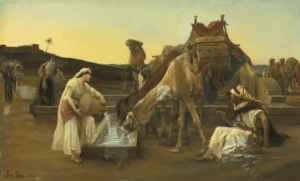 Parasha of the Week: Chaye SarahPrint this article We tend to think that Avraham sent his servant to Haran to find Yitzhak a woman from Avraham’s family. I would like to…By Rabbi Ovadia
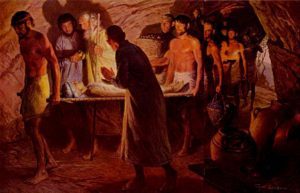 Wrestling a Piece of CanaanThe Burial of Sara [23:1] Sara lived a hundred years, and twenty years, and seven years. The repetition of the word “years” was interpreted by the…By Sephardic U
Comentarios sobre la parashá Chayei Sara, en español.
Parashat Chaye Sara - Weekday Hebrew Torah Reading (Sephardic style)
Parashat Chaye Sarah - English reading
Podcast: Parashat Chayei Sarah - Legacy, Kindness & Destiny
More in the Sephardic Media Library and on the Sephardic U podcast.