Genesis 25:19–28:9, with the seven aliyot and maftir.
Read Monday and Thursday mornings, and at Shabbat Minḥa the week before: Genesis 25:19–26:5.
Shabbat afternoon begins next week’s parasha, Vayetzei, in three aliyot.
Read on weekday Rosh Hodesh, after half Hallel (Sephardi custom: without a berakha): Bamidbar 28:1–15, in four aliyot. Ya’aleh VeYavo and Musaf are added today.
Sephardi haftarah: Malachi 1:1–2:7.
וְאֵ֛לֶּה תּוֹלְדֹ֥ת יִצְחָ֖ק בֶּן־אַבְרָהָ֑ם אַבְרָהָ֖ם הוֹלִ֥יד אֶת־יִצְחָֽק׃
This is the story of Isaac, son of Abraham. Abraham begot Isaac.
Éstas son las descendencias de Itzjac hijo de Avraham. Avraham fue padre de Itzjac.
וַיְהִ֤י יִצְחָק֙ בֶּן־אַרְבָּעִ֣ים שָׁנָ֔ה בְּקַחְתּ֣וֹ אֶת־רִבְקָ֗ה בַּת־בְּתוּאֵל֙ הָֽאֲרַמִּ֔י מִפַּדַּ֖ן אֲרָ֑ם אֲח֛וֹת לָבָ֥ן הָאֲרַמִּ֖י ל֥וֹ לְאִשָּֽׁה׃
Isaac was forty years old when he took to wife Rebekah, daughter of Bethuel the Aramean of Paddan-aram, sister of Laban the Aramean.
Itzjac tenía cuarenta años cuando tomó por mujer a Rivká, hija de Betuel el arameo de Padan-aram, hermana de Laván el arameo.
וַיֶּעְתַּ֨ר יִצְחָ֤ק לַֽיהוָה֙ לְנֹ֣כַח אִשְׁתּ֔וֹ כִּ֥י עֲקָרָ֖ה הִ֑וא וַיֵּעָ֤תֶר לוֹ֙ יְהוָ֔ה וַתַּ֖הַר רִבְקָ֥ה אִשְׁתּֽוֹ׃
Isaac pleaded with יהוה on behalf of his wife, because she was barren; and יהוה responded to his plea, and his wife Rebekah conceived.
Itzjac suplicó a Hashem por su mujer, ya que ella era estéril. Hashem le respondió, y Rivká su mujer concibió.
וַיִּתְרֹֽצֲצ֤וּ הַבָּנִים֙ בְּקִרְבָּ֔הּ וַתֹּ֣אמֶר אִם־כֵּ֔ן לָ֥מָּה זֶּ֖ה אָנֹ֑כִי וַתֵּ֖לֶךְ לִדְרֹ֥שׁ אֶת־יְהוָֽה׃
But the children struggled in her womb, and she said, “If so, why do I exist?” She went to inquire of יהוה,
Como los niños se agitaban dentro de ella, ella dijo: —Si es así, ¿para qué vivo? Y fue a consultar a Hashem.
וַיֹּ֨אמֶר יְהוָ֜ה לָ֗הּ שְׁנֵ֤י גיים [גוֹיִם֙] בְּבִטְנֵ֔ךְ וּשְׁנֵ֣י לְאֻמִּ֔ים מִמֵּעַ֖יִךְ יִפָּרֵ֑דוּ וּלְאֹם֙ מִלְאֹ֣ם יֶֽאֱמָ֔ץ וְרַ֖ב יַעֲבֹ֥ד צָעִֽיר׃
and יהוה answered her,
“Two nations are in your womb,
Two separate peoples shall issue from your body;
One people shall be mightier than the other,
And the older shall serve the younger.”
Y Hashem le dijo: —Dos naciones hay en tu vientre, y dos pueblos se separarán desde tus entrañas. Un pueblo será más fuerte que el otro, y el mayor servirá al menor.
וַיִּמְלְא֥וּ יָמֶ֖יהָ לָלֶ֑דֶת וְהִנֵּ֥ה תוֹמִ֖ם בְּבִטְנָֽהּ׃
When her time to give birth was at hand, there were twins in her womb.
Cuando se cumplió el tiempo de dar a luz, he aquí que había mellizos en su vientre.
וַיֵּצֵ֤א הָרִאשׁוֹן֙ אַדְמוֹנִ֔י כֻּלּ֖וֹ כְּאַדֶּ֣רֶת שֵׂעָ֑ר וַיִּקְרְא֥וּ שְׁמ֖וֹ עֵשָֽׂו׃
The first one emerged red, like a hairy mantle all over; so they named him Esau.
Y salió el primero, rojizo y todo velludo como un manto de pelo, y le pusieron por nombre Esav (Esaú).
וְאַֽחֲרֵי־כֵ֞ן יָצָ֣א אָחִ֗יו וְיָד֤וֹ אֹחֶ֙זֶת֙ בַּעֲקֵ֣ב עֵשָׂ֔ו וַיִּקְרָ֥א שְׁמ֖וֹ יַעֲקֹ֑ב וְיִצְחָ֛ק בֶּן־שִׁשִּׁ֥ים שָׁנָ֖ה בְּלֶ֥דֶת אֹתָֽם׃
Then his brother emerged, holding on to the heel of Esau; so they named him Jacob. Isaac was sixty years old when they were born.
Después salió su hermano, con su mano agarrada al talón de Esav, y le pusieron por nombre Iaacov. Itzjac tenía sesenta años cuando ella los dio a luz.
וַֽיִּגְדְּלוּ֙ הַנְּעָרִ֔ים וַיְהִ֣י עֵשָׂ֗ו אִ֛ישׁ יֹדֵ֥עַ צַ֖יִד אִ֣ישׁ שָׂדֶ֑ה וְיַעֲקֹב֙ אִ֣ישׁ תָּ֔ם יֹשֵׁ֖ב אֹהָלִֽים׃
When the boys grew up, Esau became a skillful hunter, a man of the outdoors; but Jacob became a mild man, raising livestock.
Los jóvenes crecieron. Esav fue un hombre hábil en la caza, un hombre del campo; mientras que Iaacov era un hombre íntegro, que habitaba en las tiendas.
וַיֶּאֱהַ֥ב יִצְחָ֛ק אֶת־עֵשָׂ֖ו כִּי־צַ֣יִד בְּפִ֑יו וְרִבְקָ֖ה אֹהֶ֥בֶת אֶֽת־יַעֲקֹֽב׃
Isaac favored Esau because he had a taste for game; but Rebekah favored Jacob.
Itzjac amaba a Esav, porque le gustaba la caza; pero Rivká amaba a Iaacov.
וַיָּ֥זֶד יַעֲקֹ֖ב נָזִ֑יד וַיָּבֹ֥א עֵשָׂ֛ו מִן־הַשָּׂדֶ֖ה וְה֥וּא עָיֵֽף׃
Once when Jacob was cooking a stew, Esau came in from the open, famished.
Iaacov había preparado un guiso, cuando Esav llegó del campo, cansado.
וַיֹּ֨אמֶר עֵשָׂ֜ו אֶֽל־יַעֲקֹ֗ב הַלְעִיטֵ֤נִי נָא֙ מִן־הָאָדֹ֤ם הָאָדֹם֙ הַזֶּ֔ה כִּ֥י עָיֵ֖ף אָנֹ֑כִי עַל־כֵּ֥ן קָרָֽא־שְׁמ֖וֹ אֱדֽוֹם׃
And Esau said to Jacob, “Give me some of that red stuff to gulp down, for I am famished”—which is why he was named Edom.
Y Esav dijo a Iaacov: —Dame de comer de ese guiso rojo, porque estoy exhausto. Por eso le llamaron Edom.
וַיֹּ֖אמֶר יַעֲקֹ֑ב מִכְרָ֥ה כַיּ֛וֹם אֶת־בְּכֹֽרָתְךָ֖ לִֽי׃
Jacob said, “First sell me your birthright.”
E Iaacov respondió: –Véndeme primero tu primogenitura.
וַיֹּ֣אמֶר עֵשָׂ֔ו הִנֵּ֛ה אָנֹכִ֥י הוֹלֵ֖ךְ לָמ֑וּת וְלָמָּה־זֶּ֥ה לִ֖י בְּכֹרָֽה׃
And Esau said, “I am at the point of death, so of what use is my birthright to me?”
Entonces Esav dijo: —Mira, yo estoy a punto de morir, ¿de qué me sirve la primogenitura?
וַיֹּ֣אמֶר יַעֲקֹ֗ב הִשָּׁ֤בְעָה לִּי֙ כַּיּ֔וֹם וַיִּשָּׁבַ֖ע ל֑וֹ וַיִּמְכֹּ֥ר אֶת־בְּכֹרָת֖וֹ לְיַעֲקֹֽב׃
But Jacob said, “Swear to me first.” So he swore to him, and sold his birthright to Jacob.
Dijo Iaacov: –¡Júramelo ahora! Él se lo juró y vendió a Iaacov su primogenitura.
וְיַעֲקֹ֞ב נָתַ֣ן לְעֵשָׂ֗ו לֶ֚חֶם וּנְזִ֣יד עֲדָשִׁ֔ים וַיֹּ֣אכַל וַיֵּ֔שְׁתְּ וַיָּ֖קָם וַיֵּלַ֑ךְ וַיִּ֥בֶז עֵשָׂ֖ו אֶת־הַבְּכֹרָֽה׃ (ס)
Jacob then gave Esau bread and lentil stew; he ate and drank, and he rose and went away. Thus did Esau spurn the birthright.
Entonces Iaacov dio a Esav pan y guiso de lentejas. Él comió, bebió, se levantó y se fue. Así despreció Esav la primogenitura.
וַיְהִ֤י רָעָב֙ בָּאָ֔רֶץ מִלְּבַד֙ הָרָעָ֣ב הָרִאשׁ֔וֹן אֲשֶׁ֥ר הָיָ֖ה בִּימֵ֣י אַבְרָהָ֑ם וַיֵּ֧לֶךְ יִצְחָ֛ק אֶל־אֲבִימֶּ֥לֶךְ מֶֽלֶךְ־פְּלִשְׁתִּ֖ים גְּרָֽרָה׃
There was a famine in the land—aside from the previous famine that had occurred in the days of Abraham—and Isaac went to Abimelech, king of the Philistines, in Gerar.
Hubo hambre en la tierra, además de la primera que hubo en los días de Avraham. E Itzjac se fue a Abimélej, rey de los Plishtim, en Guerar.
וַיֵּרָ֤א אֵלָיו֙ יְהוָ֔ה וַיֹּ֖אמֶר אַל־תֵּרֵ֣ד מִצְרָ֑יְמָה שְׁכֹ֣ן בָּאָ֔רֶץ אֲשֶׁ֖ר אֹמַ֥ר אֵלֶֽיךָ׃
יהוה had appeared to him and said, “Do not go down to Egypt; stay in the land which I point out to you.
Y se le apareció Hashem y le dijo: —No desciendas a Mitzráim. Habita en la tierra que yo te diré.
גּ֚וּר בָּאָ֣רֶץ הַזֹּ֔את וְאֶֽהְיֶ֥ה עִמְּךָ֖ וַאֲבָרְכֶ֑ךָּ כִּֽי־לְךָ֣ וּֽלְזַרְעֲךָ֗ אֶתֵּן֙ אֶת־כָּל־הָֽאֲרָצֹ֣ת הָאֵ֔ל וַהֲקִֽמֹתִי֙ אֶת־הַשְּׁבֻעָ֔ה אֲשֶׁ֥ר נִשְׁבַּ֖עְתִּי לְאַבְרָהָ֥ם אָבִֽיךָ׃
Reside in this land, and I will be with you and bless you; I will assign all these lands to you and to your heirs, fulfilling the oath that I swore to your father Abraham.
Reside en esta tierra, y estaré contigo y te bendeciré, porque a ti y a tu descendencia les daré todas estas tierras, y cumpliré el juramento que hice a tu padre Avraham.
וְהִרְבֵּיתִ֤י אֶֽת־זַרְעֲךָ֙ כְּכוֹכְבֵ֣י הַשָּׁמַ֔יִם וְנָתַתִּ֣י לְזַרְעֲךָ֔ אֵ֥ת כָּל־הָאֲרָצֹ֖ת הָאֵ֑ל וְהִתְבָּרֲכ֣וּ בְזַרְעֲךָ֔ כֹּ֖ל גּוֹיֵ֥י הָאָֽרֶץ׃
I will make your heirs as numerous as the stars of heaven, and assign to your heirs all these lands, so that all the nations of the earth shall bless themselves by your heirs—
Multiplicaré tu descendencia como las estrellas del cielo, y daré a tu descendencia todas estas tierras. En tu descendencia serán benditas todas las naciones de la tierra,
עֵ֕קֶב אֲשֶׁר־שָׁמַ֥ע אַבְרָהָ֖ם בְּקֹלִ֑י וַיִּשְׁמֹר֙ מִשְׁמַרְתִּ֔י מִצְוֺתַ֖י חֻקּוֹתַ֥י וְתוֹרֹתָֽי׃
inasmuch as Abraham obeyed Me and kept My charge: My commandments, My laws, and My teachings.”
porque Avraham obedeció mi voz y guardó mi ordenanza, mis mandamientos, mis estatutos y mis instrucciones.
וַיֵּ֥שֶׁב יִצְחָ֖ק בִּגְרָֽר׃
So Isaac stayed in Gerar.
Habitó, pues, Itzjac en Gerar.
וַֽיִּשְׁאֲל֞וּ אַנְשֵׁ֤י הַמָּקוֹם֙ לְאִשְׁתּ֔וֹ וַיֹּ֖אמֶר אֲחֹ֣תִי הִ֑וא כִּ֤י יָרֵא֙ לֵאמֹ֣ר אִשְׁתִּ֔י פֶּן־יַֽהַרְגֻ֜נִי אַנְשֵׁ֤י הַמָּקוֹם֙ עַל־רִבְקָ֔ה כִּֽי־טוֹבַ֥ת מַרְאֶ֖ה הִֽיא׃
When the local leaders asked him about his wife, he said, “She is my sister,” for he was afraid to say “my wife,” thinking, “The local leaders might kill me on account of Rebekah, for she is beautiful.”
Y los hombres del lugar le preguntaron sobre su mujer. Él dijo: —Es mi hermana, porque tuvo miedo de decir: —Es mi mujer, pensando: «No vaya a ser que los hombres del lugar me maten por causa de Rivká», pues ella era de hermosa apariencia.
וַיְהִ֗י כִּ֣י אָֽרְכוּ־ל֥וֹ שָׁם֙ הַיָּמִ֔ים וַיַּשְׁקֵ֗ף אֲבִימֶ֙לֶךְ֙ מֶ֣לֶךְ פְּלִשְׁתִּ֔ים בְּעַ֖ד הַֽחַלּ֑וֹן וַיַּ֗רְא וְהִנֵּ֤ה יִצְחָק֙ מְצַחֵ֔ק אֵ֖ת רִבְקָ֥ה אִשְׁתּֽוֹ׃
When some time had passed, Abimelech king of the Philistines, looking out of the window, saw Isaac fondling his wife Rebekah.
Y sucedió que después de estar allí muchos días, Abimélej, rey de los Plishtim, se asomó por la ventana y vio a Itzjac acariciando a Rivká su mujer.
וַיִּקְרָ֨א אֲבִימֶ֜לֶךְ לְיִצְחָ֗ק וַיֹּ֙אמֶר֙ אַ֣ךְ הִנֵּ֤ה אִשְׁתְּךָ֙ הִ֔וא וְאֵ֥יךְ אָמַ֖רְתָּ אֲחֹ֣תִי הִ֑וא וַיֹּ֤אמֶר אֵלָיו֙ יִצְחָ֔ק כִּ֣י אָמַ֔רְתִּי פֶּן־אָמ֖וּת עָלֶֽיהָ׃
Abimelech sent for Isaac and said, “So she is your wife! Why then did you say: ‘She is my sister’?” Isaac said to him, “Because I thought I might lose my life on account of her.”
Entonces Abimélej llamó a Itzjac y le dijo: —¡Mira, ella es tu mujer! ¿Por qué dijiste: «Es mi hermana»? Itzjac le respondió: —Porque pensé que quizás moriría por causa de ella.
וַיֹּ֣אמֶר אֲבִימֶ֔לֶךְ מַה־זֹּ֖את עָשִׂ֣יתָ לָּ֑נוּ כִּ֠מְעַט שָׁכַ֞ב אַחַ֤ד הָעָם֙ אֶת־אִשְׁתֶּ֔ךָ וְהֵבֵאתָ֥ עָלֵ֖ינוּ אָשָֽׁם׃
Abimelech said, “What have you done to us! One of the men might have lain with your wife, and you would have brought guilt upon us.”
Abimélej dijo: —¿Qué es esto que nos has hecho? Casi hubiera dormido alguien del pueblo con tu mujer, y habrías traído culpa sobre nosotros.
וַיְצַ֣ו אֲבִימֶ֔לֶךְ אֶת־כָּל־הָעָ֖ם לֵאמֹ֑ר הַנֹּגֵ֜עַ בָּאִ֥ישׁ הַזֶּ֛ה וּבְאִשְׁתּ֖וֹ מ֥וֹת יוּמָֽת׃
Abimelech then charged all the people, saying, “Anyone who molests this man or his wife shall be put to death.”
Entonces Abimélej ordenó a todo el pueblo, diciendo: —El que toque a este hombre o a su mujer, morirá sin remedio.
וַיִּזְרַ֤ע יִצְחָק֙ בָּאָ֣רֶץ הַהִ֔וא וַיִּמְצָ֛א בַּשָּׁנָ֥ה הַהִ֖וא מֵאָ֣ה שְׁעָרִ֑ים וַֽיְבָרֲכֵ֖הוּ יְהוָֽה׃
Isaac sowed in that land and reaped a hundredfold the same year. יהוה blessed him,
Itzjac sembró en aquella tierra, y ese año cosechó cien veces más. Hashem lo bendijo,
וַיִּגְדַּ֖ל הָאִ֑ישׁ וַיֵּ֤לֶךְ הָלוֹךְ֙ וְגָדֵ֔ל עַ֥ד כִּֽי־גָדַ֖ל מְאֹֽד׃
and the man grew richer and richer until he was very wealthy:
El hombre se enriqueció, y siguió prosperando hasta hacerse muy rico.
וַֽיְהִי־ל֤וֹ מִקְנֵה־צֹאן֙ וּמִקְנֵ֣ה בָקָ֔ר וַעֲבֻדָּ֖ה רַבָּ֑ה וַיְקַנְא֥וּ אֹת֖וֹ פְּלִשְׁתִּֽים׃
he acquired flocks and herds, and a large household, so that the Philistines envied him.
Tenía rebaños de ovejas y vacas, y mucha servidumbre, y los Plishtim lo envidiaban.
וְכָל־הַבְּאֵרֹ֗ת אֲשֶׁ֤ר חָֽפְרוּ֙ עַבְדֵ֣י אָבִ֔יו בִּימֵ֖י אַבְרָהָ֣ם אָבִ֑יו סִתְּמ֣וּם פְּלִשְׁתִּ֔ים וַיְמַלְא֖וּם עָפָֽר׃
And the Philistines stopped up all the wells which his father’s servants had dug in the days of his father Abraham, filling them with earth.
Y todos los pozos que los siervos de su padre Avraham habían cavado en sus días, los Plishtim los cegaron y los llenaron de tierra.
וַיֹּ֥אמֶר אֲבִימֶ֖לֶךְ אֶל־יִצְחָ֑ק לֵ֚ךְ מֵֽעִמָּ֔נוּ כִּֽי־עָצַֽמְתָּ־מִמֶּ֖נּוּ מְאֹֽד׃
And Abimelech said to Isaac, “Go away from us, for you have become far too big for us.”
Entonces Abimélej dijo a Itzjac: —Apártate de nosotros, porque te has hecho más poderoso que nosotros.
וַיֵּ֥לֶךְ מִשָּׁ֖ם יִצְחָ֑ק וַיִּ֥חַן בְּנַֽחַל־גְּרָ֖ר וַיֵּ֥שֶׁב שָֽׁם׃
So Isaac departed from there and encamped in the wadi of Gerar, where he settled.
Itzjac se fue de allí, asentó sus tiendas junto al arroyo de Gerar y habitó allí.
וַיָּ֨שָׁב יִצְחָ֜ק וַיַּחְפֹּ֣ר ׀ אֶת־בְּאֵרֹ֣ת הַמַּ֗יִם אֲשֶׁ֤ר חָֽפְרוּ֙ בִּימֵי֙ אַבְרָהָ֣ם אָבִ֔יו וַיְסַתְּמ֣וּם פְּלִשְׁתִּ֔ים אַחֲרֵ֖י מ֣וֹת אַבְרָהָ֑ם וַיִּקְרָ֤א לָהֶן֙ שֵׁמ֔וֹת כַּשֵּׁמֹ֕ת אֲשֶׁר־קָרָ֥א לָהֶ֖ן אָבִֽיו׃
Isaac dug anew the wells which had been dug in the days of his father Abraham and which the Philistines had stopped up after Abraham’s death; and he gave them the same names that his father had given them.
Itzjac volvió a abrir los pozos de agua que habían cavado en los días de su padre Avraham, y que los Plishtim habían cegado después de la muerte de Avraham. Y les puso los mismos nombres que su padre les había puesto.
וַיַּחְפְּר֥וּ עַבְדֵֽי־יִצְחָ֖ק בַּנָּ֑חַל וַיִּ֨מְצְאוּ־שָׁ֔ם בְּאֵ֖ר מַ֥יִם חַיִּֽים׃
But when Isaac’s servants, digging in the wadi, found there a well of spring water,
Después los siervos de Itzjac cavaron en el valle y descubrieron un pozo de aguas vivas.
וַיָּרִ֜יבוּ רֹעֵ֣י גְרָ֗ר עִם־רֹעֵ֥י יִצְחָ֛ק לֵאמֹ֖ר לָ֣נוּ הַמָּ֑יִם וַיִּקְרָ֤א שֵֽׁם־הַבְּאֵר֙ עֵ֔שֶׂק כִּ֥י הִֽתְעַשְּׂק֖וּ עִמּֽוֹ׃
the herdsmen of Gerar quarreled with Isaac’s herdsmen, saying, “The water is ours.” He named that well Esek, because they contended with him.
Y los pastores de Guerar riñeron con los pastores de Itzjac, diciendo: —El agua es nuestra. Por eso llamó el nombre del pozo Esek, porque contendieron con él.
וַֽיַּחְפְּרוּ֙ בְּאֵ֣ר אַחֶ֔רֶת וַיָּרִ֖יבוּ גַּם־עָלֶ֑יהָ וַיִּקְרָ֥א שְׁמָ֖הּ שִׂטְנָֽה׃
And when they dug another well, they disputed over that one also; so he named it Sitnah.
Abrieron otro pozo, y también riñeron por él. Y lo llamó Sitná.
וַיַּעְתֵּ֣ק מִשָּׁ֗ם וַיַּחְפֹּר֙ בְּאֵ֣ר אַחֶ֔רֶת וְלֹ֥א רָב֖וּ עָלֶ֑יהָ וַיִּקְרָ֤א שְׁמָהּ֙ רְחֹב֔וֹת וַיֹּ֗אמֶר כִּֽי־עַתָּ֞ה הִרְחִ֧יב יְהוָ֛ה לָ֖נוּ וּפָרִ֥ינוּ בָאָֽרֶץ׃
He moved from there and dug yet another well, and they did not quarrel over it; so he called it Rehoboth, saying, “Now at last יהוה has granted us ample space to increase in the land.”
Se apartó de allí y abrió otro pozo, y no riñeron por él. Y lo llamó Rejovot, diciendo: —Porque ahora Hashem nos ha dado espacio, y seremos fructíferos en la tierra.
וַיַּ֥עַל מִשָּׁ֖ם בְּאֵ֥ר שָֽׁבַע׃
From there he went up to Beer-sheba.
De allí fue a Beer Sheva.
וַיֵּרָ֨א אֵלָ֤יו יְהוָה֙ בַּלַּ֣יְלָה הַה֔וּא וַיֹּ֕אמֶר אָנֹכִ֕י אֱלֹהֵ֖י אַבְרָהָ֣ם אָבִ֑יךָ אַל־תִּירָא֙ כִּֽי־אִתְּךָ֣ אָנֹ֔כִי וּבֵֽרַכְתִּ֙יךָ֙ וְהִרְבֵּיתִ֣י אֶֽת־זַרְעֲךָ֔ בַּעֲב֖וּר אַבְרָהָ֥ם עַבְדִּֽי׃
That night יהוה appeared to him and said, “I am the God of your father Abraham’s [house]. Fear not, for I am with you, and I will bless you and increase your offspring for the sake of My servant Abraham.”
Y aquella noche se le apareció Hashem y dijo: —Yo soy el Elohim de tu padre Avraham. No temas, porque yo estoy contigo. Te bendeciré y multiplicaré tu descendencia por amor de mi siervo Avraham.
וַיִּ֧בֶן שָׁ֣ם מִזְבֵּ֗חַ וַיִּקְרָא֙ בְּשֵׁ֣ם יְהוָ֔ה וַיֶּט־שָׁ֖ם אָהֳל֑וֹ וַיִּכְרוּ־שָׁ֥ם עַבְדֵי־יִצְחָ֖ק בְּאֵֽר׃
So he built an altar there and invoked יהוה by name. Isaac pitched his tent there and his servants started digging a well.
Edificó allí un altar, e invocó el nombre de Hashem. Allí plantó su tienda, y los siervos de Itzjac cavaron un pozo.
וַאֲבִימֶ֕לֶךְ הָלַ֥ךְ אֵלָ֖יו מִגְּרָ֑ר וַאֲחֻזַּת֙ מֵֽרֵעֵ֔הוּ וּפִיכֹ֖ל שַׂר־צְבָאֽוֹ׃
And Abimelech came to him from Gerar, with Ahuzzath his councilor and Phicol chief of his troops.
Entonces Abimélej fue a él desde Guerar, con Ajuzat su amigo, y Fijol, el jefe de su ejército.
וַיֹּ֤אמֶר אֲלֵהֶם֙ יִצְחָ֔ק מַדּ֖וּעַ בָּאתֶ֣ם אֵלָ֑י וְאַתֶּם֙ שְׂנֵאתֶ֣ם אֹתִ֔י וַתְּשַׁלְּח֖וּנִי מֵאִתְּכֶֽם׃
Isaac said to them, “Why have you come to me, seeing that you have been hostile to me and have driven me away from you?”
E Itzjac les dijo: –¿Por qué vienen a mí, ustedes que me han aborrecido y me han echado de en medio de ustedes?
וַיֹּאמְר֗וּ רָא֣וֹ רָאִינוּ֮ כִּֽי־הָיָ֣ה יְהוָ֣ה ׀ עִמָּךְ֒ וַנֹּ֗אמֶר תְּהִ֨י נָ֥א אָלָ֛ה בֵּינוֹתֵ֖ינוּ בֵּינֵ֣ינוּ וּבֵינֶ֑ךָ וְנִכְרְתָ֥ה בְרִ֖ית עִמָּֽךְ׃
And they said, “We now see plainly that יהוה has been with you, and we thought: Let there be a sworn treaty between our two parties, between you and us. Let us make a pact with you
Y ellos respondieron: —Hemos visto claramente que Hashem está contigo, y dijimos: —Haya ahora un juramento entre nosotros, entre nosotros y tú. Hagamos un pacto contigo:
אִם־תַּעֲשֵׂ֨ה עִמָּ֜נוּ רָעָ֗ה כַּאֲשֶׁר֙ לֹ֣א נְגַֽעֲנ֔וּךָ וְכַאֲשֶׁ֨ר עָשִׂ֤ינוּ עִמְּךָ֙ רַק־ט֔וֹב וַנְּשַׁלֵּֽחֲךָ֖ בְּשָׁל֑וֹם אַתָּ֥ה עַתָּ֖ה בְּר֥וּךְ יְהוָֽה׃
that you will not do us harm, just as we have not molested you but have always dealt kindly with you and sent you away in peace. From now on, be you blessed of יהוה!”
Que no nos harás daño, como nosotros no te hemos tocado, y como solo te hemos hecho bien, y te hemos dejado ir en paz. Tú eres ahora el bendito de Hashem.
וַיַּ֤עַשׂ לָהֶם֙ מִשְׁתֶּ֔ה וַיֹּאכְל֖וּ וַיִּשְׁתּֽוּ׃
Then he made for them a feast, and they ate and drank.
Entonces él les hizo un banquete, y comieron y bebieron.
וַיַּשְׁכִּ֣ימוּ בַבֹּ֔קֶר וַיִּשָּׁבְע֖וּ אִ֣ישׁ לְאָחִ֑יו וַיְשַׁלְּחֵ֣ם יִצְחָ֔ק וַיֵּלְכ֥וּ מֵאִתּ֖וֹ בְּשָׁלֽוֹם׃
Early in the morning, they exchanged oaths. Isaac then bade them farewell, and they departed from him in peace.
Después se levantaron temprano, e hicieron juramento el uno al otro. Luego Itzjac los despidió, y ellos se alejaron de él en paz.
וַיְהִ֣י ׀ בַּיּ֣וֹם הַה֗וּא וַיָּבֹ֙אוּ֙ עַבְדֵ֣י יִצְחָ֔ק וַיַּגִּ֣דוּ ל֔וֹ עַל־אֹד֥וֹת הַבְּאֵ֖ר אֲשֶׁ֣ר חָפָ֑רוּ וַיֹּ֥אמְרוּ ל֖וֹ מָצָ֥אנוּ מָֽיִם׃
That same day Isaac’s servants came and told him about the well they had dug, and said to him, “We have found water!”
Y sucedió que el mismo día vinieron los siervos de Itzjac y le trajeron noticias sobre el pozo que habían cavado, y le dijeron: —¡Hemos encontrado agua!
וַיִּקְרָ֥א אֹתָ֖הּ שִׁבְעָ֑ה עַל־כֵּ֤ן שֵׁם־הָעִיר֙ בְּאֵ֣ר שֶׁ֔בַע עַ֖ד הַיּ֥וֹם הַזֶּֽה׃ (ס)
He named it Shibah; therefore the name of the city is Beer-sheba to this day.
Lo llamó Sheva. Por eso el nombre de la ciudad es Beer Sheva hasta el día de hoy.
וַיְהִ֤י עֵשָׂו֙ בֶּן־אַרְבָּעִ֣ים שָׁנָ֔ה וַיִּקַּ֤ח אִשָּׁה֙ אֶת־יְהוּדִ֔ית בַּת־בְּאֵרִ֖י הַֽחִתִּ֑י וְאֶת־בָּ֣שְׂמַ֔ת בַּת־אֵילֹ֖ן הַֽחִתִּֽי׃
When Esau was forty years old, he took to wife Judith daughter of Beeri the Hittite, and Basemath daughter of Elon the Hittite;
Cuando Esav tenía cuarenta años, tomó por mujer a Iehudit hija de Beeri el jeteo, y a Basemat hija de Elón el jeteo.
וַתִּהְיֶ֖יןָ מֹ֣רַת ר֑וּחַ לְיִצְחָ֖ק וּלְרִבְקָֽה׃ (ס)
and they were a source of bitterness to Isaac and Rebekah.
Y estas fueron amargura de espíritu para Itzjac y para Rivká.
וַיְהִי֙ כִּֽי־זָקֵ֣ן יִצְחָ֔ק וַתִּכְהֶ֥יןָ עֵינָ֖יו מֵרְאֹ֑ת וַיִּקְרָ֞א אֶת־עֵשָׂ֣ו ׀ בְּנ֣וֹ הַגָּדֹ֗ל וַיֹּ֤אמֶר אֵלָיו֙ בְּנִ֔י וַיֹּ֥אמֶר אֵלָ֖יו הִנֵּֽנִי׃
When Isaac was old and his eyes were too dim to see, he called his older son Esau and said to him, “My son.” He answered, “Here I am.”
Y sucedió que cuando Itzjac envejeció y sus ojos se debilitaron de modo que no podía ver, llamó a Esav su hijo mayor y le dijo: —Hijo mío. Y él respondió: —Estoy aquí.
וַיֹּ֕אמֶר הִנֵּה־נָ֖א זָקַ֑נְתִּי לֹ֥א יָדַ֖עְתִּי י֥וֹם מוֹתִֽי׃
And he said, “I am old now, and I do not know how soon I may die.
Y él dijo: —Mira, yo ya estoy viejo y no sé el día de mi muerte.
וְעַתָּה֙ שָׂא־נָ֣א כֵלֶ֔יךָ תֶּלְיְךָ֖ וְקַשְׁתֶּ֑ךָ וְצֵא֙ הַשָּׂדֶ֔ה וְצ֥וּדָה לִּ֖י צידה [צָֽיִד׃]
Take your gear, your quiver and bow, and go out into the open and hunt me some game.
Toma ahora tus instrumentos, tu aljaba y tu arco, y sal al campo y caz algo para mí.
וַעֲשֵׂה־לִ֨י מַטְעַמִּ֜ים כַּאֲשֶׁ֥ר אָהַ֛בְתִּי וְהָבִ֥יאָה לִּ֖י וְאֹכֵ֑לָה בַּעֲב֛וּר תְּבָרֶכְךָ֥ נַפְשִׁ֖י בְּטֶ֥רֶם אָמֽוּת׃
Then prepare a dish for me such as I like, and bring it to me to eat, so that I may give you my innermost blessing before I die.”
Y hazme platos sabrosos como me gustan, y tráemelos para que coma, para que te bendiga mi alma antes de que muera.
וְרִבְקָ֣ה שֹׁמַ֔עַת בְּדַבֵּ֣ר יִצְחָ֔ק אֶל־עֵשָׂ֖ו בְּנ֑וֹ וַיֵּ֤לֶךְ עֵשָׂו֙ הַשָּׂדֶ֔ה לָצ֥וּד צַ֖יִד לְהָבִֽיא׃
Rebekah had been listening as Isaac spoke to his son Esau. When Esau had gone out into the open to hunt game to bring home,
Rivká estaba escuchando cuando Itzjac hablaba a su hijo Esav. Y Esav salió al campo para cazar y traer algo.
וְרִבְקָה֙ אָֽמְרָ֔ה אֶל־יַעֲקֹ֥ב בְּנָ֖הּ לֵאמֹ֑ר הִנֵּ֤ה שָׁמַ֙עְתִּי֙ אֶת־אָבִ֔יךָ מְדַבֵּ֛ר אֶל־עֵשָׂ֥ו אָחִ֖יךָ לֵאמֹֽר׃
Rebekah said to her son Jacob, “I overheard your father speaking to your brother Esau, saying,
Rivká habló a su hijo Iaacov, diciendo: —Mira, he oído a tu padre hablando con tu hermano Esav, diciendo:
הָבִ֨יאָה לִּ֥י צַ֛יִד וַעֲשֵׂה־לִ֥י מַטְעַמִּ֖ים וְאֹכֵ֑לָה וַאֲבָרֶכְכָ֛ה לִפְנֵ֥י יְהוָ֖ה לִפְנֵ֥י מוֹתִֽי׃
‘Bring me some game and prepare a dish for me to eat, that I may bless you, with יהוה’s approval, before I die.’
«Tráeme caza y hazme platos sabrosos para que coma, y te bendeciré delante de Hashem antes de mi muerte.»
וְעַתָּ֥ה בְנִ֖י שְׁמַ֣ע בְּקֹלִ֑י לַאֲשֶׁ֥ר אֲנִ֖י מְצַוָּ֥ה אֹתָֽךְ׃
Now, my son, listen carefully as I instruct you.
Ahora pues, hijo mío, obedece mi voz en lo que te ordeno:
לֶךְ־נָא֙ אֶל־הַצֹּ֔אן וְקַֽח־לִ֣י מִשָּׁ֗ם שְׁנֵ֛י גְּדָיֵ֥י עִזִּ֖ים טֹבִ֑ים וְאֶֽעֱשֶׂ֨ה אֹתָ֧ם מַטְעַמִּ֛ים לְאָבִ֖יךָ כַּאֲשֶׁ֥ר אָהֵֽב׃
Go to the flock and fetch me two choice kids, and I will make of them a dish for your father, such as he likes.
Ve al rebaño y tráeme de allí dos buenos cabritos, y haré con ellos platos sabrosos para tu padre, como a él le gusta.
וְהֵבֵאתָ֥ לְאָבִ֖יךָ וְאָכָ֑ל בַּעֲבֻ֛ר אֲשֶׁ֥ר יְבָרֶכְךָ֖ לִפְנֵ֥י מוֹתֽוֹ׃
Then take it to your father to eat, in order that he may bless you before he dies.”
Y se lo llevarás a tu padre, y comerá, para que te bendiga antes de su muerte.
וַיֹּ֣אמֶר יַעֲקֹ֔ב אֶל־רִבְקָ֖ה אִמּ֑וֹ הֵ֣ן עֵשָׂ֤ו אָחִי֙ אִ֣ישׁ שָׂעִ֔ר וְאָנֹכִ֖י אִ֥ישׁ חָלָֽק׃
Jacob answered his mother Rebekah, “But my brother Esau is a hairy man and I am smooth-skinned.
Iaacov dijo a Rivká su madre: —Mira, Esav mi hermano es hombre velludo, y yo soy lampiño.
אוּלַ֤י יְמֻשֵּׁ֙נִי֙ אָבִ֔י וְהָיִ֥יתִי בְעֵינָ֖יו כִּמְתַעְתֵּ֑עַ וְהֵבֵאתִ֥י עָלַ֛י קְלָלָ֖ה וְלֹ֥א בְרָכָֽה׃
If my father touches me, I shall appear to him as a trickster and bring upon myself a curse, not a blessing.”
Quizás me toque mi padre, y parezca ante sus ojos como un engañador, y traiga sobre mí maldición y no bendición.
וַתֹּ֤אמֶר לוֹ֙ אִמּ֔וֹ עָלַ֥י קִלְלָתְךָ֖ בְּנִ֑י אַ֛ךְ שְׁמַ֥ע בְּקֹלִ֖י וְלֵ֥ךְ קַֽח־לִֽי׃
But his mother said to him, “Your curse, my son, be upon me! Just do as I say and go fetch them for me.”
Su madre le respondió: —Sobre mí sea tu maldición, hijo mío. Solo obedece mi voz y ve, tráemelos.
וַיֵּ֙לֶךְ֙ וַיִּקַּ֔ח וַיָּבֵ֖א לְאִמּ֑וֹ וַתַּ֤עַשׂ אִמּוֹ֙ מַטְעַמִּ֔ים כַּאֲשֶׁ֖ר אָהֵ֥ב אָבִֽיו׃
He got them and brought them to his mother, and his mother prepared a dish such as his father liked.
Entonces él fue, tomó los cabritos y los trajo a su madre, y su madre hizo platos sabrosos como a su padre le gustaba.
וַתִּקַּ֣ח רִ֠בְקָה אֶת־בִּגְדֵ֨י עֵשָׂ֜ו בְּנָ֤הּ הַגָּדֹל֙ הַחֲמֻדֹ֔ת אֲשֶׁ֥ר אִתָּ֖הּ בַּבָּ֑יִת וַתַּלְבֵּ֥שׁ אֶֽת־יַעֲקֹ֖ב בְּנָ֥הּ הַקָּטָֽן׃
Rebekah then took the best clothes of her older son Esau, which were there in the house, and had her younger son Jacob put them on;
Luego Rivká tomó las mejores vestiduras de Esav su hijo mayor, que tenía consigo en casa, y vistió a Iaacov su hijo menor.
וְאֵ֗ת עֹרֹת֙ גְּדָיֵ֣י הָֽעִזִּ֔ים הִלְבִּ֖ישָׁה עַל־יָדָ֑יו וְעַ֖ל חֶלְקַ֥ת צַוָּארָֽיו׃
and she covered his hands and the hairless part of his neck with the skins of the kids.
Y puso las pieles de los cabritos sobre sus manos y sobre la parte desnuda de su cuello.
וַתִּתֵּ֧ן אֶת־הַמַּטְעַמִּ֛ים וְאֶת־הַלֶּ֖חֶם אֲשֶׁ֣ר עָשָׂ֑תָה בְּיַ֖ד יַעֲקֹ֥ב בְּנָֽהּ׃
Then she put in the hands of her son Jacob the dish and the bread that she had prepared.
Luego puso los platos sabrosos y el pan que había preparado en manos de su hijo Iaacov.
וַיָּבֹ֥א אֶל־אָבִ֖יו וַיֹּ֣אמֶר אָבִ֑י וַיֹּ֣אמֶר הִנֶּ֔נִּי מִ֥י אַתָּ֖ה בְּנִֽי׃
He went to his father and said, “Father.” And he said, “Yes, which of my sons are you?”
Y él fue a su padre y dijo: —Padre mío. Y él respondió: —Estoy aquí. ¿Quién eres, hijo mío?
וַיֹּ֨אמֶר יַעֲקֹ֜ב אֶל־אָבִ֗יו אָנֹכִי֙ עֵשָׂ֣ו בְּכֹרֶ֔ךָ עָשִׂ֕יתִי כַּאֲשֶׁ֥ר דִּבַּ֖רְתָּ אֵלָ֑י קֽוּם־נָ֣א שְׁבָ֗ה וְאָכְלָה֙ מִצֵּידִ֔י בַּעֲב֖וּר תְּבָרֲכַ֥נִּי נַפְשֶֽׁךָ׃
Jacob said to his father, “I am Esau, your first-born; I have done as you told me. Pray sit up and eat of my game, that you may give me your innermost blessing.”
Iaacov respondió a su padre: —Soy Esav tu primogénito. He hecho como me dijiste. Levántate, por favor, siéntate y come de mi caza, para que me bendiga tu alma.
וַיֹּ֤אמֶר יִצְחָק֙ אֶל־בְּנ֔וֹ מַה־זֶּ֛ה מִהַ֥רְתָּ לִמְצֹ֖א בְּנִ֑י וַיֹּ֕אמֶר כִּ֥י הִקְרָ֛ה יְהוָ֥ה אֱלֹהֶ֖יךָ לְפָנָֽי׃
Isaac said to his son, “How did you succeed so quickly, my son?” And he said, “Because your God יהוה granted me good fortune.”
Entonces Itzjac dijo a su hijo: —¿Cómo es que la encontraste tan pronto, hijo mío? Y él respondió: —Porque Hashem tu Elohim hizo que me saliera al encuentro.
וַיֹּ֤אמֶר יִצְחָק֙ אֶֽל־יַעֲקֹ֔ב גְּשָׁה־נָּ֥א וַאֲמֻֽשְׁךָ֖ בְּנִ֑י הַֽאַתָּ֥ה זֶ֛ה בְּנִ֥י עֵשָׂ֖ו אִם־לֹֽא׃
Isaac said to Jacob, “Come closer that I may feel you, my son—whether you are really my son Esau or not.”
E Itzjac dijo a Iaacov: —Acércate, por favor, para que te palpe, hijo mío, si eres realmente mi hijo Esav o no.
וַיִּגַּ֧שׁ יַעֲקֹ֛ב אֶל־יִצְחָ֥ק אָבִ֖יו וַיְמֻשֵּׁ֑הוּ וַיֹּ֗אמֶר הַקֹּל֙ ק֣וֹל יַעֲקֹ֔ב וְהַיָּדַ֖יִם יְדֵ֥י עֵשָֽׂו׃
So Jacob drew close to his father Isaac, who felt him and wondered. “The voice is the voice of Jacob, yet the hands are the hands of Esau.”
Iaacov se acercó a su padre Itzjac, quien lo palpó y dijo: —La voz es la voz de Iaacov, pero las manos son las manos de Esav.
וְלֹ֣א הִכִּיר֔וֹ כִּֽי־הָי֣וּ יָדָ֗יו כִּידֵ֛י עֵשָׂ֥ו אָחִ֖יו שְׂעִרֹ֑ת וַֽיְבָרְכֵֽהוּ׃
He did not recognize him, because his hands were hairy like those of his brother Esau; and so he blessed him.
No lo reconoció, porque sus manos eran velludas como las manos de su hermano Esav, y lo bendijo.
וַיֹּ֕אמֶר אַתָּ֥ה זֶ֖ה בְּנִ֣י עֵשָׂ֑ו וַיֹּ֖אמֶר אָֽנִי׃
He asked, “Are you really my son Esau?” And when he said, “I am,”
Y dijo: —¿Eres tú mi hijo Esav? Y él respondió: —Yo soy.
וַיֹּ֗אמֶר הַגִּ֤שָׁה לִּי֙ וְאֹֽכְלָה֙ מִצֵּ֣יד בְּנִ֔י לְמַ֥עַן תְּבָֽרֶכְךָ֖ נַפְשִׁ֑י וַיַּגֶּשׁ־לוֹ֙ וַיֹּאכַ֔ל וַיָּ֧בֵא ל֦וֹ יַ֖יִן וַיֵּֽשְׁתְּ׃
he said, “Serve me and let me eat of my son’s game that I may give you my innermost blessing.” So he served him and he ate, and he brought him wine and he drank.
Él dijo: —Acércamela, y comeré de la caza de mi hijo, para que me bendiga tu alma. E Iaacov se la acercó, y él comió. También le trajo vino, y bebió.
וַיֹּ֥אמֶר אֵלָ֖יו יִצְחָ֣ק אָבִ֑יו גְּשָׁה־נָּ֥א וּשְׁקָה־לִּ֖י בְּנִֽי׃
Then his father Isaac said to him, “Come close and kiss me, my son”;
Entonces su padre Itzjac le dijo: —Acércate ahora y bésame, hijo mío.
וַיִּגַּשׁ֙ וַיִּשַּׁק־ל֔וֹ וַיָּ֛רַח אֶת־רֵ֥יחַ בְּגָדָ֖יו וַֽיְבָרֲכֵ֑הוּ וַיֹּ֗אמֶר רְאֵה֙ רֵ֣יחַ בְּנִ֔י כְּרֵ֣יחַ שָׂדֶ֔ה אֲשֶׁ֥ר בֵּרֲכ֖וֹ יְהוָֽה׃
and he went up and kissed him. And he smelled his clothes and he blessed him, saying, “Ah, the smell of my son is like the smell of the fields that יהוה has blessed.
Y él se acercó y lo besó. Y al percibir Itzjac el aroma de sus vestiduras, lo bendijo diciendo: —Mira, el aroma de mi hijo es como el aroma de un campo que Hashem ha bendecido.
וְיִֽתֶּן־לְךָ֙ הָאֱלֹהִ֔ים מִטַּל֙ הַשָּׁמַ֔יִם וּמִשְׁמַנֵּ֖י הָאָ֑רֶץ וְרֹ֥ב דָּגָ֖ן וְתִירֹֽשׁ׃
“May God give you
Of the dew of heaven and the fat of the earth,
Abundance of new grain and wine.
Elohim te dé del rocío del cielo y de lo más preciado de la tierra: trigo y vino en abundancia.
יַֽעַבְד֣וּךָ עַמִּ֗ים וישתחו [וְיִֽשְׁתַּחֲו֤וּ] לְךָ֙ לְאֻמִּ֔ים הֱוֵ֤ה גְבִיר֙ לְאַחֶ֔יךָ וְיִשְׁתַּחֲוּ֥וּ לְךָ֖ בְּנֵ֣י אִמֶּ֑ךָ אֹרְרֶ֣יךָ אָר֔וּר וּֽמְבָרֲכֶ֖יךָ בָּרֽוּךְ׃
Let peoples serve you,
And nations bow to you;
Be master over your brothers,
And let your mother’s sons bow to you.
Cursed be they who curse you,
Blessed they who bless you.”
Que los pueblos te sirvan, y las naciones se inclinen ante ti. Sé señor de tus hermanos, y se inclinen ante ti los hijos de tu madre. Malditos los que te maldigan, y benditos los que te bendigan.
וַיְהִ֗י כַּאֲשֶׁ֨ר כִּלָּ֣ה יִצְחָק֮ לְבָרֵ֣ךְ אֶֽת־יַעֲקֹב֒ וַיְהִ֗י אַ֣ךְ יָצֹ֤א יָצָא֙ יַעֲקֹ֔ב מֵאֵ֥ת פְּנֵ֖י יִצְחָ֣ק אָבִ֑יו וְעֵשָׂ֣ו אָחִ֔יו בָּ֖א מִצֵּידֽוֹ׃
No sooner had Jacob left the presence of his father Isaac—after Isaac had finished blessing Jacob—than his brother Esau came back from his hunt.
Y sucedió que apenas había Itzjac terminado de bendecir a Iaacov, y saliendo Iaacov de la presencia de su padre Itzjac, su hermano Esav volvió de su caza.
וַיַּ֤עַשׂ גַּם־הוּא֙ מַטְעַמִּ֔ים וַיָּבֵ֖א לְאָבִ֑יו וַיֹּ֣אמֶר לְאָבִ֗יו יָקֻ֤ם אָבִי֙ וְיֹאכַל֙ מִצֵּ֣יד בְּנ֔וֹ בַּעֲב֖וּר תְּבָרֲכַ֥נִּי נַפְשֶֽׁךָ׃
He too prepared a dish and brought it to his father. And he said to his father, “Let my father sit up and eat of his son’s game, so that you may give me your innermost blessing.”
Él también hizo platos sabrosos, los trajo a su padre y le dijo: —Levántate, padre mío, y come de la caza de tu hijo, para que me bendiga tu alma.
וַיֹּ֥אמֶר ל֛וֹ יִצְחָ֥ק אָבִ֖יו מִי־אָ֑תָּה וַיֹּ֕אמֶר אֲנִ֛י בִּנְךָ֥ בְכֹֽרְךָ֖ עֵשָֽׂו׃
His father Isaac said to him, “Who are you?” And he said, “I am your son, Esau, your first-born!”
Entonces su padre Itzjac le dijo: —¿Quién eres tú? Y él respondió: —Soy Esav tu hijo, tu primogénito.
וַיֶּחֱרַ֨ד יִצְחָ֣ק חֲרָדָה֮ גְּדֹלָ֣ה עַד־מְאֹד֒ וַיֹּ֡אמֶר מִֽי־אֵפ֡וֹא ה֣וּא הַצָּֽד־צַיִד֩ וַיָּ֨בֵא לִ֜י וָאֹכַ֥ל מִכֹּ֛ל בְּטֶ֥רֶם תָּב֖וֹא וָאֲבָרֲכֵ֑הוּ גַּם־בָּר֖וּךְ יִהְיֶֽה׃
Isaac was seized with very violent trembling. “Who was it then,” he demanded, “that hunted game and brought it to me? Moreover, I ate of it before you came, and I blessed him; now he must remain blessed!”
Itzjac se estremeció con gran estremecimiento y dijo: —¿Quién es, pues, el que cazó y me trajo, y yo comí de todo antes de que tú vinieras? Lo bendije, y bendito será.
כִּשְׁמֹ֤עַ עֵשָׂו֙ אֶת־דִּבְרֵ֣י אָבִ֔יו וַיִּצְעַ֣ק צְעָקָ֔ה גְּדֹלָ֥ה וּמָרָ֖ה עַד־מְאֹ֑ד וַיֹּ֣אמֶר לְאָבִ֔יו בָּרֲכֵ֥נִי גַם־אָ֖נִי אָבִֽי׃
When Esau heard his father’s words, he burst into wild and bitter sobbing, and said to his father, “Bless me too, Father!”
Cuando Esav escuchó las palabras de su padre, clamó con un grito grande y muy amargo, y dijo a su padre: —¡Bendíceme también a mí, padre mío!
וַיֹּ֕אמֶר בָּ֥א אָחִ֖יךָ בְּמִרְמָ֑ה וַיִּקַּ֖ח בִּרְכָתֶֽךָ׃
But he answered, “Your brother came with guile and took away your blessing.”
Y él dijo: —Tu hermano vino con engaño y tomó tu bendición.
וַיֹּ֡אמֶר הֲכִי֩ קָרָ֨א שְׁמ֜וֹ יַעֲקֹ֗ב וַֽיַּעְקְבֵ֙נִי֙ זֶ֣ה פַעֲמַ֔יִם אֶת־בְּכֹרָתִ֣י לָקָ֔ח וְהִנֵּ֥ה עַתָּ֖ה לָקַ֣ח בִּרְכָתִ֑י וַיֹּאמַ֕ר הֲלֹא־אָצַ֥לְתָּ לִּ֖י בְּרָכָֽה׃
[Esau] said, “Was he, then, named Jacob that he might supplant me these two times? First he took away my birthright and now he has taken away my blessing!” And he added, “Have you not reserved a blessing for me?”
Y él respondió: —¿No se llamaba su nombre Iaacov? Ya me ha suplantado estas dos veces: se apoderó de mi primogenitura, y ahora ha tomado mi bendición. Y añadió: —¿No has guardado una bendición para mí?
וַיַּ֨עַן יִצְחָ֜ק וַיֹּ֣אמֶר לְעֵשָׂ֗ו הֵ֣ן גְּבִ֞יר שַׂמְתִּ֥יו לָךְ֙ וְאֶת־כָּל־אֶחָ֗יו נָתַ֤תִּי לוֹ֙ לַעֲבָדִ֔ים וְדָגָ֥ן וְתִירֹ֖שׁ סְמַכְתִּ֑יו וּלְכָ֣ה אֵפ֔וֹא מָ֥ה אֶֽעֱשֶׂ֖ה בְּנִֽי׃
Isaac answered, saying to Esau, “But I have made him master over you: I have given him all his brothers for servants, and sustained him with grain and wine. What, then, can I still do for you, my son?”
Itzjac respondió y dijo a Esav: —Mira, lo he establecido como señor tuyo, y le he dado por servidores a todos sus hermanos. Le he provisto de grano y vino. ¿Qué haré por ti, hijo mío?
וַיֹּ֨אמֶר עֵשָׂ֜ו אֶל־אָבִ֗יו הַֽבְרָכָ֨ה אַחַ֤ת הִֽוא־לְךָ֙ אָבִ֔י בָּרֲכֵ֥נִי גַם־אָ֖נִי אָבִ֑י וַיִּשָּׂ֥א עֵשָׂ֛ו קֹל֖וֹ וַיֵּֽבְךְּ׃
And Esau said to his father, “Have you but one blessing, Father? Bless me too, Father!” And Esau wept aloud.
Esav dijo a su padre: —¿Tienes solo una bendición, padre mío? ¡Bendíceme también a mí, padre mío! Y Esav alzó su voz y lloró.
וַיַּ֛עַן יִצְחָ֥ק אָבִ֖יו וַיֹּ֣אמֶר אֵלָ֑יו הִנֵּ֞ה מִשְׁמַנֵּ֤י הָאָ֙רֶץ֙ יִהְיֶ֣ה מֽוֹשָׁבֶ֔ךָ וּמִטַּ֥ל הַשָּׁמַ֖יִם מֵעָֽל׃
And his father Isaac answered, saying to him,
“See, your abode shall enjoy the fat of the earth
And the dew of heaven above.
Entonces respondió Itzjac su padre y le dijo: –He aquí, será favorecido el lugar que habites con los más preciados productos de la tierra y con el rocío del cielo arriba.
וְעַל־חַרְבְּךָ֣ תִֽחְיֶ֔ה וְאֶת־אָחִ֖יךָ תַּעֲבֹ֑ד וְהָיָה֙ כַּאֲשֶׁ֣ר תָּרִ֔יד וּפָרַקְתָּ֥ עֻלּ֖וֹ מֵעַ֥ל צַוָּארֶֽךָ׃
Yet by your sword you shall live,
And you shall serve your brother;
But when you grow restive,
You shall break his yoke from your neck.”
De tu espada vivirás y a tu hermano servirás. Pero sucederá que cuando te angusties, bifurcarás su yugo de sobre tu cuello.
וַיִּשְׂטֹ֤ם עֵשָׂו֙ אֶֽת־יַעֲקֹ֔ב עַל־הַ֨בְּרָכָ֔ה אֲשֶׁ֥ר בֵּרֲכ֖וֹ אָבִ֑יו וַיֹּ֨אמֶר עֵשָׂ֜ו בְּלִבּ֗וֹ יִקְרְבוּ֙ יְמֵי֙ אֵ֣בֶל אָבִ֔י וְאַֽהַרְגָ֖ה אֶת־יַעֲקֹ֥ב אָחִֽי׃
Now Esau harbored a grudge against Jacob because of the blessing which his father had given him, and Esau said to himself, “Let but the mourning period of my father come, and I will kill my brother Jacob.”
Esav aborreció a Iaacov por la bendición con que le había bendecido su padre, y dijo en su corazón: «Se acercan los días de duelo por mi padre; entonces yo mataré a mi hermano Iaacov.»
וַיֻּגַּ֣ד לְרִבְקָ֔ה אֶת־דִּבְרֵ֥י עֵשָׂ֖ו בְּנָ֣הּ הַגָּדֹ֑ל וַתִּשְׁלַ֞ח וַתִּקְרָ֤א לְיַעֲקֹב֙ בְּנָ֣הּ הַקָּטָ֔ן וַתֹּ֣אמֶר אֵלָ֔יו הִנֵּה֙ עֵשָׂ֣ו אָחִ֔יךָ מִתְנַחֵ֥ם לְךָ֖ לְהָרְגֶֽךָ׃
When the words of her older son Esau were reported to Rebekah, she sent for her younger son Jacob and said to him, “Your brother Esau is consoling himself by planning to kill you.
Fueron dichas a Rivká (Rebeca) las palabras de Esav, su hijo mayor. Ella envió a llamar a Iaacov, su hijo menor, y le dijo: –He aquí que Esav tu hermano planea vengarse de ti, matándote.
וְעַתָּ֥ה בְנִ֖י שְׁמַ֣ע בְּקֹלִ֑י וְק֧וּם בְּרַח־לְךָ֛ אֶל־לָבָ֥ן אָחִ֖י חָרָֽנָה׃
Now, my son, listen to me. Flee at once to Haran, to my brother Laban.
Ahora pues, hijo mío, obedéceme: Levántate y huye a mi hermano Laván (Labán), en Jarán (Harán).
וְיָשַׁבְתָּ֥ עִמּ֖וֹ יָמִ֣ים אֲחָדִ֑ים עַ֥ד אֲשֶׁר־תָּשׁ֖וּב חֲמַ֥ת אָחִֽיךָ׃
Stay with him a while, until your brother’s fury subsides—
Pasa con él algún tiempo, hasta que el enojo de tu hermano se aplaque,
עַד־שׁ֨וּב אַף־אָחִ֜יךָ מִמְּךָ֗ וְשָׁכַח֙ אֵ֣ת אֲשֶׁר־עָשִׂ֣יתָ לּ֔וֹ וְשָׁלַחְתִּ֖י וּלְקַחְתִּ֣יךָ מִשָּׁ֑ם לָמָ֥ה אֶשְׁכַּ֛ל גַּם־שְׁנֵיכֶ֖ם י֥וֹם אֶחָֽד׃
until your brother’s anger against you subsides—and he forgets what you have done to him. Then I will fetch you from there. Let me not lose you both in one day!”
hasta que se aplaque la ira de tu hermano contra ti y se olvide de lo que le has hecho. Entonces yo mandaré a traerte de allá. ¿Por qué habré de ser privada de ustedes dos en un solo día?
וַתֹּ֤אמֶר רִבְקָה֙ אֶל־יִצְחָ֔ק קַ֣צְתִּי בְחַיַּ֔י מִפְּנֵ֖י בְּנ֣וֹת חֵ֑ת אִם־לֹקֵ֣חַ יַ֠עֲקֹב אִשָּׁ֨ה מִבְּנֽוֹת־חֵ֤ת כָּאֵ֙לֶּה֙ מִבְּנ֣וֹת הָאָ֔רֶץ לָ֥מָּה לִּ֖י חַיִּֽים׃
Rebekah said to Isaac, “I am disgusted with my life because of the Hittite women. If Jacob marries a Hittite woman like these, from among the native women, what good will life be to me?”
Rivká (Rebeca) dijo a Itzjac: –Estoy hastiada de vivir por causa de las mujeres heteas: Si Iaacov toma esposa de entre las mujeres heteas, de las mujeres de esta tierra, como estas, ¿para qué quiero la vida?
וַיִּקְרָ֥א יִצְחָ֛ק אֶֽל־יַעֲקֹ֖ב וַיְבָ֣רֶךְ אֹת֑וֹ וַיְצַוֵּ֙הוּ֙ וַיֹּ֣אמֶר ל֔וֹ לֹֽא־תִקַּ֥ח אִשָּׁ֖ה מִבְּנ֥וֹת כְּנָֽעַן׃
So Isaac sent for Jacob and blessed him. He instructed him, saying, “You shall not take a wife from among the Canaanite women.
Entonces Itzjac llamó a Iaacov, lo bendijo y le ordenó: —No tomes esposa de entre las mujeres de Kenaan.
ק֥וּם לֵךְ֙ פַּדֶּ֣נָֽה אֲרָ֔ם בֵּ֥יתָה בְתוּאֵ֖ל אֲבִ֣י אִמֶּ֑ךָ וְקַח־לְךָ֤ מִשָּׁם֙ אִשָּׁ֔ה מִבְּנ֥וֹת לָבָ֖ן אֲחִ֥י אִמֶּֽךָ׃
Up, go to Paddan-aram, to the house of Bethuel, your mother’s father, and take a wife there from among the daughters of Laban, your mother’s brother.
Levántate, ve a Padan-aram, a la casa de Betuel, padre de tu madre, y toma de allí una mujer de las hijas de Laván, hermano de tu madre.
וְאֵ֤ל שַׁדַּי֙ יְבָרֵ֣ךְ אֹֽתְךָ֔ וְיַפְרְךָ֖ וְיַרְבֶּ֑ךָ וְהָיִ֖יתָ לִקְהַ֥ל עַמִּֽים׃
May El Shaddai bless you, make you fertile and numerous, so that you become an assembly of peoples.
Que El Shaddai te bendiga, te haga fecundo y te multiplique hasta que llegues a ser una multitud de pueblos.
וְיִֽתֶּן־לְךָ֙ אֶת־בִּרְכַּ֣ת אַבְרָהָ֔ם לְךָ֖ וּלְזַרְעֲךָ֣ אִתָּ֑ךְ לְרִשְׁתְּךָ֙ אֶת־אֶ֣רֶץ מְגֻרֶ֔יךָ אֲשֶׁר־נָתַ֥ן אֱלֹהִ֖ים לְאַבְרָהָֽם׃
May you and your offspring be granted the blessing of Abraham, that you may possess the land where you are sojourning, which God assigned to Abraham.”
Que él te dé la bendición de Avraham, a ti y a tu descendencia, para que poseas la tierra en la que habitas, la cual Elohim le dio a Avraham.
וַיִּשְׁלַ֤ח יִצְחָק֙ אֶֽת־יַעֲקֹ֔ב וַיֵּ֖לֶךְ פַּדֶּ֣נָֽה אֲרָ֑ם אֶל־לָבָ֤ן בֶּן־בְּתוּאֵל֙ הָֽאֲרַמִּ֔י אֲחִ֣י רִבְקָ֔ה אֵ֥ם יַעֲקֹ֖ב וְעֵשָֽׂו׃
Then Isaac sent Jacob off, and he went to Paddan-aram, to Laban the son of Bethuel the Aramean, the brother of Rebekah, mother of Jacob and Esau.
Así envió Itzjac a Iaacov, quien fue a Padan-aram, a Laván hijo de Betuel el arameo, hermano de Rivká, madre de Iaacov y de Esav.
וַיַּ֣רְא עֵשָׂ֗ו כִּֽי־בֵרַ֣ךְ יִצְחָק֮ אֶֽת־יַעֲקֹב֒ וְשִׁלַּ֤ח אֹתוֹ֙ פַּדֶּ֣נָֽה אֲרָ֔ם לָקַֽחַת־ל֥וֹ מִשָּׁ֖ם אִשָּׁ֑ה בְּבָרֲכ֣וֹ אֹת֔וֹ וַיְצַ֤ו עָלָיו֙ לֵאמֹ֔ר לֹֽא־תִקַּ֥ח אִשָּׁ֖ה מִבְּנ֥וֹת כְּנָֽעַן׃
When Esau saw that Isaac had blessed Jacob and sent him off to Paddan-aram to take a wife from there, charging him, as he blessed him, “You shall not take a wife from among the Canaanite women,”
Esav vio que Itzjac había bendecido a Iaacov y lo había enviado a Padan-aram para tomar de allí una mujer. También vio que al bendecirlo le había ordenado: «No tomes esposa de entre las mujeres de Kenaan».
וַיִּשְׁמַ֣ע יַעֲקֹ֔ב אֶל־אָבִ֖יו וְאֶל־אִמּ֑וֹ וַיֵּ֖לֶךְ פַּדֶּ֥נָֽה אֲרָֽם׃
and that Jacob had obeyed his father and mother and gone to Paddan-aram,
Iaacov obedeció a su padre y a su madre, y se fue a Padan-aram.
וַיַּ֣רְא עֵשָׂ֔ו כִּ֥י רָע֖וֹת בְּנ֣וֹת כְּנָ֑עַן בְּעֵינֵ֖י יִצְחָ֥ק אָבִֽיו׃
Esau realized that the Canaanite women displeased his father Isaac.
Esav también vio que las mujeres de Kenaan le desagradaban a su padre Itzjac.
וַיֵּ֥לֶךְ עֵשָׂ֖ו אֶל־יִשְׁמָעֵ֑אל וַיִּקַּ֡ח אֶֽת־מָחֲלַ֣ת ׀ בַּת־יִשְׁמָעֵ֨אל בֶּן־אַבְרָהָ֜ם אֲח֧וֹת נְבָי֛וֹת עַל־נָשָׁ֖יו ל֥וֹ לְאִשָּֽׁה׃ (ס)
So Esau went to Ishmael and took to wife, in addition to the wives he had, Mahalath the daughter of Ishmael son of Abraham, sister of Nebaioth.
Entonces fue a Ishmael y tomó por mujer a Majalat, hija de Ishmael hijo de Avraham y hermana de Nebaiot, además de sus otras mujeres.
End of the Monday and Thursday reading.
וַיִּשְׁמַ֣ע יַעֲקֹ֔ב אֶל־אָבִ֖יו וְאֶל־אִמּ֑וֹ וַיֵּ֖לֶךְ פַּדֶּ֥נָֽה אֲרָֽם׃
and that Jacob had obeyed his father and mother and gone to Paddan-aram,
Iaacov obedeció a su padre y a su madre, y se fue a Padan-aram.
וַיַּ֣רְא עֵשָׂ֔ו כִּ֥י רָע֖וֹת בְּנ֣וֹת כְּנָ֑עַן בְּעֵינֵ֖י יִצְחָ֥ק אָבִֽיו׃
Esau realized that the Canaanite women displeased his father Isaac.
Esav también vio que las mujeres de Kenaan le desagradaban a su padre Itzjac.
וַיֵּ֥לֶךְ עֵשָׂ֖ו אֶל־יִשְׁמָעֵ֑אל וַיִּקַּ֡ח אֶֽת־מָחֲלַ֣ת ׀ בַּת־יִשְׁמָעֵ֨אל בֶּן־אַבְרָהָ֜ם אֲח֧וֹת נְבָי֛וֹת עַל־נָשָׁ֖יו ל֥וֹ לְאִשָּֽׁה׃ (ס)
So Esau went to Ishmael and took to wife, in addition to the wives he had, Mahalath the daughter of Ishmael son of Abraham, sister of Nebaioth.
Entonces fue a Ishmael y tomó por mujer a Majalat, hija de Ishmael hijo de Avraham y hermana de Nebaiot, además de sus otras mujeres.
וַיְדַבֵּ֥ר יְהוָ֖ה אֶל־מֹשֶׁ֥ה לֵּאמֹֽר׃
יהוה spoke to Moses, saying:
El Eterno habló a Moshé diciendo:
צַ֚ו אֶת־בְּנֵ֣י יִשְׂרָאֵ֔ל וְאָמַרְתָּ֖ אֲלֵהֶ֑ם אֶת־קָרְבָּנִ֨י לַחְמִ֜י לְאִשַּׁ֗י רֵ֚יחַ נִֽיחֹחִ֔י תִּשְׁמְר֕וּ לְהַקְרִ֥יב לִ֖י בְּמוֹעֲדֽוֹ׃
Command the Israelite people and say to them: Be punctilious in presenting to Me at stated times the offerings of food due Me, as offerings by fire of pleasing odor to Me.
«Manda a los Hijos de Israel y diles: «Cumplirán con mis sacrificios, mi pan, mis ofrendas quemadas de grato olor, ofreciéndomelos a su debido tiempo.»»
וְאָמַרְתָּ֣ לָהֶ֔ם זֶ֚ה הָֽאִשֶּׁ֔ה אֲשֶׁ֥ר תַּקְרִ֖יבוּ לַיהוָ֑ה כְּבָשִׂ֨ים בְּנֵֽי־שָׁנָ֧ה תְמִימִ֛ם שְׁנַ֥יִם לַיּ֖וֹם עֹלָ֥ה תָמִֽיד׃
Say to them: These are the offerings by fire that you are to present to יהוה: As a regular burnt offering every day, two yearling lambs without blemish.
Les dirás: «Ésta es la ofrenda quemada que ofrecerán al Eterno: cada día, dos corderos de un año, sin defecto, como holocausto continuo.»
אֶת־הַכֶּ֥בֶשׂ אֶחָ֖ד תַּעֲשֶׂ֣ה בַבֹּ֑קֶר וְאֵת֙ הַכֶּ֣בֶשׂ הַשֵּׁנִ֔י תַּעֲשֶׂ֖ה בֵּ֥ין הָֽעַרְבָּֽיִם׃
You shall offer one lamb in the morning, and the other lamb you shall offer at twilight.
Ofrecerán uno de los corderos al amanecer y el otro cordero lo ofrecerán al atardecer.
וַעֲשִׂירִ֧ית הָאֵיפָ֛ה סֹ֖לֶת לְמִנְחָ֑ה בְּלוּלָ֛ה בְּשֶׁ֥מֶן כָּתִ֖ית רְבִיעִ֥ת הַהִֽין׃
And as a meal offering, there shall be a tenth of an ephah of choice flour with a quarter of a hin of beaten oil mixed in—
«La ofrenda vegetal será de la décima parte de un efa de harina fina amasada con la cuarta parte de un hin de aceite puro de olivas.»
עֹלַ֖ת תָּמִ֑יד הָעֲשֻׂיָה֙ בְּהַ֣ר סִינַ֔י לְרֵ֣יחַ נִיחֹ֔חַ אִשֶּׁ֖ה לַֽיהוָֽה׃
the regular burnt offering instituted at Mount Sinai —an offering by fire of pleasing odor to יהוה.
«Éste es el holocausto continuo que fue ofrecido en el monte Sinái (Sinaí) como grato olor, ofrenda quemada al Eterno.»
וְנִסְכּוֹ֙ רְבִיעִ֣ת הַהִ֔ין לַכֶּ֖בֶשׂ הָאֶחָ֑ד בַּקֹּ֗דֶשׁ הַסֵּ֛ךְ נֶ֥סֶךְ שֵׁכָ֖ר לַיהוָֽה׃
The libation with it shall be a quarter of a hin for each lamb, to be poured in the sacred precinct as an offering of fermented drink to יהוה.
Su libación será la cuarta parte de un hin por cada cordero. Derramarás para Hashem en el santuario una libación de licor.
וְאֵת֙ הַכֶּ֣בֶשׂ הַשֵּׁנִ֔י תַּעֲשֶׂ֖ה בֵּ֣ין הָֽעַרְבָּ֑יִם כְּמִנְחַ֨ת הַבֹּ֤קֶר וּכְנִסְכּוֹ֙ תַּעֲשֶׂ֔ה אִשֵּׁ֛ה רֵ֥יחַ נִיחֹ֖חַ לַיהוָֽה׃ (פ)
The other lamb you shall offer at twilight, preparing the same meal offering and libation as in the morning—an offering by fire of pleasing odor to יהוה.
«Ofrecerás el otro cordero al atardecer. Presentarás una ofrenda vegetal como la de la mañana, y del mismo modo su libación. Es una ofrenda quemada de grato olor al Eterno.»
וּבְיוֹם֙ הַשַּׁבָּ֔ת שְׁנֵֽי־כְבָשִׂ֥ים בְּנֵֽי־שָׁנָ֖ה תְּמִימִ֑ם וּשְׁנֵ֣י עֶשְׂרֹנִ֗ים סֹ֧לֶת מִנְחָ֛ה בְּלוּלָ֥ה בַשֶּׁ֖מֶן וְנִסְכּֽוֹ׃
On the sabbath day: two yearling lambs without blemish, together with two-tenths of a measure of choice flour with oil mixed in as a meal offering, and with the proper libation—
«El día del shabbat ofrecerás dos corderos de un año, sin defecto, y una ofrenda vegetal de dos décimas de un efa de harina fina amasada con aceite, con su libación.»
עֹלַ֥ת שַׁבַּ֖ת בְּשַׁבַּתּ֑וֹ עַל־עֹלַ֥ת הַתָּמִ֖יד וְנִסְכָּֽהּ׃ (ס)
a burnt offering for every sabbath, in addition to the regular burnt offering and its libation.
Éste es el holocausto de cada shabbat, además del holocausto continuo y de su libación.
וּבְרָאשֵׁי֙ חָדְשֵׁיכֶ֔ם תַּקְרִ֥יבוּ עֹלָ֖ה לַיהוָ֑ה פָּרִ֨ים בְּנֵֽי־בָקָ֤ר שְׁנַ֙יִם֙ וְאַ֣יִל אֶחָ֔ד כְּבָשִׂ֧ים בְּנֵי־שָׁנָ֛ה שִׁבְעָ֖ה תְּמִימִֽם׃
On your new moons you shall present a burnt offering to יהוה: two bulls of the herd, one ram, and seven yearling lambs, without blemish.
«Al principio de cada mes ofrecerás como holocausto al Eterno dos novillos, un carnero y siete corderos de un año, sin defecto.»
וּשְׁלֹשָׁ֣ה עֶשְׂרֹנִ֗ים סֹ֤לֶת מִנְחָה֙ בְּלוּלָ֣ה בַשֶּׁ֔מֶן לַפָּ֖ר הָאֶחָ֑ד וּשְׁנֵ֣י עֶשְׂרֹנִ֗ים סֹ֤לֶת מִנְחָה֙ בְּלוּלָ֣ה בַשֶּׁ֔מֶן לָאַ֖יִל הָֽאֶחָֽד׃
As meal offering for each bull: three-tenths of a measure of choice flour with oil mixed in. As meal offering for each ram: two-tenths of a measure of choice flour with oil mixed in.
Por cada novillo la ofrenda vegetal será de tres décimas de un efa de harina fina amasada con aceite; por el carnero, dos décimas de harina fina amasada con aceite.
וְעִשָּׂרֹ֣ן עִשָּׂר֗וֹן סֹ֤לֶת מִנְחָה֙ בְּלוּלָ֣ה בַשֶּׁ֔מֶן לַכֶּ֖בֶשׂ הָאֶחָ֑ד עֹלָה֙ רֵ֣יחַ נִיחֹ֔חַ אִשֶּׁ֖ה לַיהוָֽה׃
As meal offering for each lamb: a tenth of a measure of fine flour with oil mixed in. Such shall be the burnt offering of pleasing odor, an offering by fire to יהוה.
Y por cada cordero, una décima de harina fina amasada con aceite. Éste es el holocausto de grato olor, una ofrenda quemada al Eterno.
וְנִסְכֵּיהֶ֗ם חֲצִ֣י הַהִין֩ יִהְיֶ֨ה לַפָּ֜ר וּשְׁלִישִׁ֧ת הַהִ֣ין לָאַ֗יִל וּרְבִיעִ֥ת הַהִ֛ין לַכֶּ֖בֶשׂ יָ֑יִן זֹ֣את עֹלַ֥ת חֹ֙דֶשׁ֙ בְּחָדְשׁ֔וֹ לְחָדְשֵׁ֖י הַשָּׁנָֽה׃
Their libations shall be: half a hin of wine for a bull, a third of a hin for a ram, and a quarter of a hin for a lamb. That shall be the monthly burnt offering for each new moon of the year.
Sus libaciones serán de medio hin de vino por cada novillo, la tercera parte de un hin por el carnero y la cuarta parte de un hin por cada cordero. Éste es el holocausto de cada mes, todos los meses del año.
וּשְׂעִ֨יר עִזִּ֥ים אֶחָ֛ד לְחַטָּ֖את לַיהוָ֑ה עַל־עֹלַ֧ת הַתָּמִ֛יד יֵעָשֶׂ֖ה וְנִסְכּֽוֹ׃ (ס)
And there shall be one goat as a sin offering to יהוה, to be offered in addition to the regular burnt offering and its libation.
«También se ofrecerá al Eterno un macho cabrío como sacrificio por el pecado, además del holocausto continuo y de su libación.»
On Rosh Hodesh Tevet during Hanukkah, these verses are read in three aliyot (Kohen 1–5, Levi 6–10, Yisrael 11–15) and Revi’i reads from the Hanukkah portion. On Shabbat Rosh Hodesh, the weekly parasha is read and the maftir is 28:9–15.
וַיֵּצֵ֥א יַעֲקֹ֖ב מִבְּאֵ֣ר שָׁ֑בַע וַיֵּ֖לֶךְ חָרָֽנָה׃
Jacob left Beer-sheba, and set out for Haran.
Iaacov partió de Beer Sheva y se fue hacia Jarán.
וַיִּפְגַּ֨ע בַּמָּק֜וֹם וַיָּ֤לֶן שָׁם֙ כִּי־בָ֣א הַשֶּׁ֔מֶשׁ וַיִּקַּח֙ מֵאַבְנֵ֣י הַמָּק֔וֹם וַיָּ֖שֶׂם מְרַֽאֲשֹׁתָ֑יו וַיִּשְׁכַּ֖ב בַּמָּק֥וֹם הַהֽוּא׃
He came upon a certain place and stopped there for the night, for the sun had set. Taking one of the stones of that place, he put it under his head and lay down in that place.
Llegó a un lugar y pasó allí la noche, porque el sol ya se había puesto. Tomó una de las piedras de aquel lugar, la puso de cabecera y se acostó en ese lugar.
וַֽיַּחֲלֹ֗ם וְהִנֵּ֤ה סֻלָּם֙ מֻצָּ֣ב אַ֔רְצָה וְרֹאשׁ֖וֹ מַגִּ֣יעַ הַשָּׁמָ֑יְמָה וְהִנֵּה֙ מַלְאֲכֵ֣י אֱלֹהִ֔ים עֹלִ֥ים וְיֹרְדִ֖ים בּֽוֹ׃
He had a dream; a stairway was set on the ground and its top reached to the sky, and messengers of God were going up and down on it.
Entonces soñó, y he aquí una escalera apoyada en la tierra, cuya cima llegaba al cielo. Y he aquí que los emisarios de Elohim subían y bajaban por ella.
וְהִנֵּ֨ה יְהוָ֜ה נִצָּ֣ב עָלָיו֮ וַיֹּאמַר֒ אֲנִ֣י יְהוָ֗ה אֱלֹהֵי֙ אַבְרָהָ֣ם אָבִ֔יךָ וֵאלֹהֵ֖י יִצְחָ֑ק הָאָ֗רֶץ אֲשֶׁ֤ר אַתָּה֙ שֹׁכֵ֣ב עָלֶ֔יהָ לְךָ֥ אֶתְּנֶ֖נָּה וּלְזַרְעֶֽךָ׃
And standing beside him was יהוה, who said, “I am יהוה, the God of your father Abraham’s [house] and the God of Isaac’s [house]: the ground on which you are lying I will assign to you and to your offspring.
Y he aquí que Hashem estaba de pie junto a él, y dijo: —Yo soy Hashem, el Elohim de tu padre Avraham y el Elohim de Itzjac. La tierra en la que estás acostado te la daré a ti y a tu descendencia.
וְהָיָ֤ה זַרְעֲךָ֙ כַּעֲפַ֣ר הָאָ֔רֶץ וּפָרַצְתָּ֛ יָ֥מָּה וָקֵ֖דְמָה וְצָפֹ֣נָה וָנֶ֑גְבָּה וְנִבְרֲכ֥וּ בְךָ֛ כָּל־מִשְׁפְּחֹ֥ת הָאֲדָמָ֖ה וּבְזַרְעֶֽךָ׃
Your descendants shall be as the dust of the earth; you shall spread out to the west and to the east, to the north and to the south. All the families of the earth shall bless themselves by you and your descendants.
Tu descendencia será como el polvo de la tierra. Te expandirás al occidente, al oriente, al norte y al sur, y en ti y en tu descendencia serán benditas todas las familias de la tierra.
וְהִנֵּ֨ה אָנֹכִ֜י עִמָּ֗ךְ וּשְׁמַרְתִּ֙יךָ֙ בְּכֹ֣ל אֲשֶׁר־תֵּלֵ֔ךְ וַהֲשִׁ֣בֹתִ֔יךָ אֶל־הָאֲדָמָ֖ה הַזֹּ֑את כִּ֚י לֹ֣א אֶֽעֱזָבְךָ֔ עַ֚ד אֲשֶׁ֣ר אִם־עָשִׂ֔יתִי אֵ֥ת אֲשֶׁר־דִּבַּ֖רְתִּי לָֽךְ׃
Remember, I am with you: I will protect you wherever you go and will bring you back to this land. I will not leave you until I have done what I have promised you.”
Mira, yo estoy contigo; te cuidaré por dondequiera que vayas y te haré volver a esta tierra. No te abandonaré hasta que haya hecho lo que te he dicho.
וַיִּיקַ֣ץ יַעֲקֹב֮ מִשְּׁנָתוֹ֒ וַיֹּ֕אמֶר אָכֵן֙ יֵ֣שׁ יְהוָ֔ה בַּמָּק֖וֹם הַזֶּ֑ה וְאָנֹכִ֖י לֹ֥א יָדָֽעְתִּי׃
Jacob awoke from his sleep and said, “Surely יהוה is present in this place, and I did not know it!”
Iaacov despertó de su sueño y dijo: —¡Ciertamente Hashem está en este lugar, y yo no lo sabía!
וַיִּירָא֙ וַיֹּאמַ֔ר מַה־נּוֹרָ֖א הַמָּק֣וֹם הַזֶּ֑ה אֵ֣ין זֶ֗ה כִּ֚י אִם־בֵּ֣ית אֱלֹהִ֔ים וְזֶ֖ה שַׁ֥עַר הַשָּׁמָֽיִם׃
Shaken, he said, “How awesome is this place! This is none other than the abode of God, and that is the gateway to heaven.”
Y tuvo miedo, y dijo: —¡Cuán temible es este lugar! No es otra cosa que la casa de Elohim y la puerta del cielo.
וַיַּשְׁכֵּ֨ם יַעֲקֹ֜ב בַּבֹּ֗קֶר וַיִּקַּ֤ח אֶת־הָאֶ֙בֶן֙ אֲשֶׁר־שָׂ֣ם מְרַֽאֲשֹׁתָ֔יו וַיָּ֥שֶׂם אֹתָ֖הּ מַצֵּבָ֑ה וַיִּצֹ֥ק שֶׁ֖מֶן עַל־רֹאשָֽׁהּ׃
Early in the morning, Jacob took the stone that he had put under his head and set it up as a pillar and poured oil on the top of it.
Iaacov se levantó muy de mañana, tomó la piedra que había puesto de cabecera, la erigió como monumento y derramó aceite sobre ella.
וַיִּקְרָ֛א אֶת־שֵֽׁם־הַמָּק֥וֹם הַה֖וּא בֵּֽית־אֵ֑ל וְאוּלָ֛ם ל֥וּז שֵׁם־הָעִ֖יר לָרִאשֹׁנָֽה׃
He named that site Bethel; but previously the name of the city had been Luz.
Y llamó el nombre de aquel lugar Bet-El, aunque el nombre anterior de la ciudad era Luz.
וַיִּדַּ֥ר יַעֲקֹ֖ב נֶ֣דֶר לֵאמֹ֑ר אִם־יִהְיֶ֨ה אֱלֹהִ֜ים עִמָּדִ֗י וּשְׁמָרַ֙נִי֙ בַּדֶּ֤רֶךְ הַזֶּה֙ אֲשֶׁ֣ר אָנֹכִ֣י הוֹלֵ֔ךְ וְנָֽתַן־לִ֥י לֶ֛חֶם לֶאֱכֹ֖ל וּבֶ֥גֶד לִלְבֹּֽשׁ׃
Jacob then made a vow, saying, “If God remains with me, protecting me on this journey that I am making, and giving me bread to eat and clothing to wear,
Iaacov hizo un voto, diciendo: —Si Elohim está conmigo y me cuida en este viaje que realizo, si me da pan para comer y ropa para vestir,
וְשַׁבְתִּ֥י בְשָׁל֖וֹם אֶל־בֵּ֣ית אָבִ֑י וְהָיָ֧ה יְהוָ֛ה לִ֖י לֵאלֹהִֽים׃
and I return safe to my father’s house— יהוה shall be my God.
y regreso en paz a la casa de mi padre, entonces Hashem será mi Elohim.
וְהָאֶ֣בֶן הַזֹּ֗את אֲשֶׁר־שַׂ֙מְתִּי֙ מַצֵּבָ֔ה יִהְיֶ֖ה בֵּ֣ית אֱלֹהִ֑ים וְכֹל֙ אֲשֶׁ֣ר תִּתֶּן־לִ֔י עַשֵּׂ֖ר אֲעַשְּׂרֶ֥נּוּ לָֽךְ׃
And this stone, which I have set up as a pillar, shall be God’s abode; and of all that You give me, I will set aside a tithe for You.”
Esta piedra que he erigido como monumento será casa de Elohim, y de todo lo que me des, te daré el diezmo.
Listen to the English reading
Parashat Toledot - English reading
Listen to the weekday reading, chanted in Sephardi te’amim
Parashat Toledot Weekday Hebrew Torah Reading Sephardic style
Listen to the opening of Vayetzei
Parashat Vayetze Weekday Hebrew Torah Reading Sephardic style
וַיֹּֽאמֶר־ל֥וֹ יְהוֹנָתָ֖ן מָחָ֣ר חֹ֑דֶשׁ וְנִפְקַ֕דְתָּ כִּ֥י יִפָּקֵ֖ד מוֹשָׁבֶֽךָ׃
Jonathan said to him, “Tomorrow will be the new moon; and you will be missed when your seat remains vacant.
Luego le dijo Iehonatán: –Mañana es luna nueva, y tú serás echado de menos, porque tu asiento quedará vacío.
וְשִׁלַּשְׁתָּ֙ תֵּרֵ֣ד מְאֹ֔ד וּבָאתָ֙ אֶל־הַמָּק֔וֹם אֲשֶׁר־נִסְתַּ֥רְתָּ שָּׁ֖ם בְּי֣וֹם הַֽמַּעֲשֶׂ֑ה וְיָ֣שַׁבְתָּ֔ אֵ֖צֶל הָאֶ֥בֶן הָאָֽזֶל׃
So the day after tomorrow, go down all the way to the place where you hid the other time, and stay close to the Ezel stone.
Al tercer día descenderás rápidamente y vendrás al lugar donde estabas escondido cuando empezó este problema. Esperarás junto a aquella piedra.
וַאֲנִ֕י שְׁלֹ֥שֶׁת הַחִצִּ֖ים צִדָּ֣ה אוֹרֶ֑ה לְשַֽׁלַּֽח־לִ֖י לְמַטָּרָֽה׃
Now I will shoot three arrows to one side of it, as though I were shooting at a mark,
Yo tiraré tres flechas en esa dirección, simulando tirar al blanco.
וְהִנֵּה֙ אֶשְׁלַ֣ח אֶת־הַנַּ֔עַר לֵ֖ךְ מְצָ֣א אֶת־הַחִצִּ֑ים אִם־אָמֹר֩ אֹמַ֨ר לַנַּ֜עַר הִנֵּ֥ה הַחִצִּ֣ים ׀ מִמְּךָ֣ וָהֵ֗נָּה קָחֶ֧נּוּ ׀ וָבֹ֛אָה כִּֽי־שָׁל֥וֹם לְךָ֛ וְאֵ֥ין דָּבָ֖ר חַי־יְהוָֽה׃
and I will order the boy to go and find the arrows. If I call to the boy, ‘Hey! the arrows are on this side of you,’ be reassured and come, for you are safe and there is no danger—as the LORD lives!
Y he aquí que enviaré al muchacho diciéndole: «¡Ve y busca las flechas!» Si digo al muchacho: «¡He aquí, las flechas están más acá de ti; tómalas!», tú vendrás; porque hay paz y no hay peligro. ¡Vive Hashem!
וְאִם־כֹּ֤ה אֹמַר֙ לָעֶ֔לֶם הִנֵּ֥ה הַחִצִּ֖ים מִמְּךָ֣ וָהָ֑לְאָה לֵ֕ךְ כִּ֥י שִֽׁלַּחֲךָ֖ יְהוָֽה׃
But if, instead, I call to the lad, ‘Hey! the arrows are beyond you,’ then leave, for the LORD has sent you away.
Pero si yo digo al muchacho: «¡He allí, las flechas están más allá de ti!», vete; porque Hashem te manda.
וְהַ֨דָּבָ֔ר אֲשֶׁ֥ר דִּבַּ֖רְנוּ אֲנִ֣י וָאָ֑תָּה הִנֵּ֧ה יְהוָ֛ה בֵּינִ֥י וּבֵינְךָ֖ עַד־עוֹלָֽם׃ (ס)
As for the promise we made to each other, may the LORD be [witness] between you and me forever.”
Y en cuanto a las palabras que tú y yo hemos hablado, he aquí que Hashem es testigo entre tú y yo para siempre.
וַיִּסָּתֵ֥ר דָּוִ֖ד בַּשָּׂדֶ֑ה וַיְהִ֣י הַחֹ֔דֶשׁ וַיֵּ֧שֶׁב הַמֶּ֛לֶךְ על־[אֶל־] הַלֶּ֖חֶם לֶאֱכֽוֹל׃
David hid in the field. The new moon came, and the king sat down to partake of the meal.
David se escondió en el campo. Y cuando llegó la luna nueva, el rey se sentó a la mesa para comer.
וַיֵּ֣שֶׁב הַ֠מֶּלֶךְ עַל־מ֨וֹשָׁב֜וֹ כְּפַ֣עַם ׀ בְּפַ֗עַם אֶל־מוֹשַׁב֙ הַקִּ֔יר וַיָּ֙קָם֙ יְה֣וֹנָתָ֔ן וַיֵּ֥שֶׁב אַבְנֵ֖ר מִצַּ֣ד שָׁא֑וּל וַיִּפָּקֵ֖ד מְק֥וֹם דָּוִֽד׃
When the king took his usual place on the seat by the wall, Jonathan rose and Abner sat down at Saul’s side; but David’s place remained vacant.
Como solía, el rey se sentó en su silla, la silla junto a la pared. Iehonatán se levantó, y Avnér se sentó al lado de Shaúl; pero el lugar de David quedó vacío.
וְלֹֽא־דִבֶּ֥ר שָׁא֛וּל מְא֖וּמָה בַּיּ֣וֹם הַה֑וּא כִּ֤י אָמַר֙ מִקְרֶ֣ה ה֔וּא בִּלְתִּ֥י טָה֛וֹר ה֖וּא כִּֽי־לֹ֥א טָהֽוֹר׃ (ס)
That day, however, Saul said nothing. “It’s accidental,” he thought. “He must be unclean and not yet cleansed.”
Aquel día Shaúl no dijo nada, pues pensó: «Algo le habrá acontecido, y no está purificado. Seguramente no está purificado.»
וַיְהִ֗י מִֽמָּחֳרַ֤ת הַחֹ֙דֶשׁ֙ הַשֵּׁנִ֔י וַיִּפָּקֵ֖ד מְק֣וֹם דָּוִ֑ד (ס) וַיֹּ֤אמֶר שָׁאוּל֙ אֶל־יְהוֹנָתָ֣ן בְּנ֔וֹ מַדּ֜וּעַ לֹא־בָ֧א בֶן־יִשַׁ֛י גַּם־תְּמ֥וֹל גַּם־הַיּ֖וֹם אֶל־הַלָּֽחֶם׃
But on the day after the new moon, the second day, David’s place was vacant again. So Saul said to his son Jonathan, “Why didn’t the son of Jesse come to the meal yesterday or today?”
Pero sucedió que al día siguiente, el segundo día después de la luna nueva, el asiento de David quedó vacío, por lo que Shaúl preguntó a su hijo Iehonatán: –¿Por qué no ha venido a comer el hijo de Ishái (Isaí), ni ayer ni hoy?
וַיַּ֥עַן יְהוֹנָתָ֖ן אֶת־שָׁא֑וּל נִשְׁאֹ֨ל נִשְׁאַ֥ל דָּוִ֛ד מֵעִמָּדִ֖י עַד־בֵּ֥ית לָֽחֶם׃
Jonathan answered Saul, “David begged leave of me to go to Bethlehem.
Iehonatán respondió a Shaúl: –David me pidió encarecidamente que le dejase ir a Bet Lejem (Belén).
וַיֹּ֡אמֶר שַׁלְּחֵ֣נִי נָ֡א כִּ֣י זֶבַח֩ מִשְׁפָּחָ֨ה לָ֜נוּ בָּעִ֗יר וְה֤וּא צִוָּֽה־לִי֙ אָחִ֔י וְעַתָּ֗ה אִם־מָצָ֤אתִי חֵן֙ בְּעֵינֶ֔יךָ אִמָּ֥לְטָה נָּ֖א וְאֶרְאֶ֣ה אֶת־אֶחָ֑י עַל־כֵּ֣ן לֹא־בָ֔א אֶל־שֻׁלְחַ֖ן הַמֶּֽלֶךְ׃ (ס)
He said, ‘Please let me go, for we are going to have a family feast in our town and my brother has summoned me to it. Do me a favor, let me slip away to see my kinsmen.’ That is why he has not come to the king’s table.”
Él me dijo: «Por favor, déjame ir, porque los de mi familia tenemos un sacrificio en la ciudad, y mi hermano me lo ha ordenado. Por eso, si he hallado gracia ante tus ojos, permite que me vaya y visite a mis hermanos.» Por eso no ha venido a la mesa del rey.
וַיִּֽחַר־אַ֤ף שָׁאוּל֙ בִּיה֣וֹנָתָ֔ן וַיֹּ֣אמֶר ל֔וֹ בֶּֽן־נַעֲוַ֖ת הַמַּרְדּ֑וּת הֲל֣וֹא יָדַ֗עְתִּי כִּֽי־בֹחֵ֤ר אַתָּה֙ לְבֶן־יִשַׁ֔י לְבָ֨שְׁתְּךָ֔ וּלְבֹ֖שֶׁת עֶרְוַ֥ת אִמֶּֽךָ׃
Saul flew into a rage against Jonathan. “You son of a perverse, rebellious woman!” he shouted. “I know that you side with the son of Jesse—to your shame, and to the shame of your mother’s nakedness!
Entonces Shaúl se enfureció contra Iehonatán y le dijo: –¡Hijo de la corrompida y rebelde! ¿Acaso no sé que tú has elegido al hijo de Ishái (Isaí), para vergüenza tuya y para vergüenza de la desnudez de tu madre?
כִּ֣י כָל־הַיָּמִ֗ים אֲשֶׁ֤ר בֶּן־יִשַׁי֙ חַ֣י עַל־הָאֲדָמָ֔ה לֹ֥א תִכּ֖וֹן אַתָּ֣ה וּמַלְכוּתֶ֑ךָ וְעַתָּ֗ה שְׁלַ֨ח וְקַ֤ח אֹתוֹ֙ אֵלַ֔י כִּ֥י בֶן־מָ֖וֶת הֽוּא׃ (ס)
For as long as the son of Jesse lives on earth, neither you nor your kingship will be secure. Now then, have him brought to me, for he is marked for death.”
Todo el tiempo que el hijo de Ishái (Isaí) viva sobre la tierra, ni tú estarás firme, ni tu reino. Manda, pues, a traérmelo, porque ha de morir.
וַיַּ֙עַן֙ יְה֣וֹנָתָ֔ן אֶת־שָׁא֖וּל אָבִ֑יו וַיֹּ֧אמֶר אֵלָ֛יו לָ֥מָּה יוּמַ֖ת מֶ֥ה עָשָֽׂה׃
But Jonathan spoke up and said to his father, “Why should he be put to death? What has he done?”
Iehonatán respondió a su padre Shaúl y le dijo: –¿Por qué tiene que morir? ¿Qué ha hecho?
וַיָּ֨טֶל שָׁא֧וּל אֶֽת־הַחֲנִ֛ית עָלָ֖יו לְהַכֹּת֑וֹ וַיֵּ֙דַע֙ יְה֣וֹנָתָ֔ן כִּֽי־כָ֥לָה הִ֛יא מֵעִ֥ם אָבִ֖יו לְהָמִ֥ית אֶת־דָּוִֽד׃ (ס)
At that, Saul threw his spear at him to strike him down; and Jonathan realized that his father was determined to do away with David.
Entonces Shaúl le arrojó una lanza para herirlo, por lo que Iehonatán entendió que estaba decidido de parte de su padre el dar muerte a David.
וַיָּ֧קָם יְהוֹנָתָ֛ן מֵעִ֥ם הַשֻּׁלְחָ֖ן בָּחֳרִי־אָ֑ף וְלֹא־אָכַ֞ל בְּיוֹם־הַחֹ֤דֶשׁ הַשֵּׁנִי֙ לֶ֔חֶם כִּ֤י נֶעְצַב֙ אֶל־דָּוִ֔ד כִּ֥י הִכְלִמ֖וֹ אָבִֽיו׃ (ס)
Jonathan rose from the table in a rage. He ate no food on the second day of the new moon, because he was grieved about David, and because his father had humiliated him.
Iehonatán se levantó de la mesa ardiendo en ira, y no comió el segundo día después de la luna nueva, pues estaba triste por causa de David; porque su padre le había afrentado.
וַיְהִ֣י בַבֹּ֔קֶר וַיֵּצֵ֧א יְהוֹנָתָ֛ן הַשָּׂדֶ֖ה לְמוֹעֵ֣ד דָּוִ֑ד וְנַ֥עַר קָטֹ֖ן עִמּֽוֹ׃
In the morning, Jonathan went out into the open for the meeting with David, accompanied by a young boy.
Sucedió que a la mañana siguiente Iehonatán salió al campo, según lo convenido con David; y un muchacho pequeño estaba con él.
וַיֹּ֣אמֶר לְנַעֲר֔וֹ רֻ֗ץ מְצָ֥א נָא֙ אֶת־הַ֣חִצִּ֔ים אֲשֶׁ֥ר אָנֹכִ֖י מוֹרֶ֑ה הַנַּ֣עַר רָ֔ץ וְהֽוּא־יָרָ֥ה הַחֵ֖צִי לְהַעֲבִרֽוֹ׃
He said to the boy, “Run ahead and find the arrows that I shoot.” And as the boy ran, he shot the arrows past him.
Entonces dijo al muchacho: –¡Por favor, corre y busca las flechas que yo tire! Cuando el muchacho iba corriendo, él tiraba la flecha de modo que pasara más allá de él.
וַיָּבֹ֤א הַנַּ֙עַר֙ עַד־מְק֣וֹם הַחֵ֔צִי אֲשֶׁ֥ר יָרָ֖ה יְהוֹנָתָ֑ן וַיִּקְרָ֨א יְהוֹנָתָ֜ן אַחֲרֵ֤י הַנַּ֙עַר֙ וַיֹּ֔אמֶר הֲל֥וֹא הַחֵ֖צִי מִמְּךָ֥ וָהָֽלְאָה׃
When the boy came to the place where the arrows shot by Jonathan had fallen, Jonathan called out to the boy, “Hey, the arrows are beyond you!”
Cuando el muchacho llegó a donde estaba la flecha que Iehonatán había tirado, este gritó al muchacho diciendo: –¿No está la flecha más allá de ti?
וַיִּקְרָ֤א יְהֽוֹנָתָן֙ אַחֲרֵ֣י הַנַּ֔עַר מְהֵרָ֥ה ח֖וּשָׁה אַֽל־תַּעֲמֹ֑ד וַיְלַקֵּ֞ט נַ֤עַר יְהֽוֹנָתָן֙ אֶת־החצי [הַ֣חִצִּ֔ים] וַיָּבֹ֖א אֶל־אֲדֹנָֽיו׃
And Jonathan called after the boy, “Quick, hurry up. Don’t stop!” So Jonathan’s boy gathered the arrows and came back to his master.—
E Iehonatán volvió a gritar tras el muchacho: –¡Date prisa, apresúrate, no te detengas! El muchacho de Iehonatán recogió las flechas y volvió a su señor.
וְהַנַּ֖עַר לֹֽא־יָדַ֣ע מְא֑וּמָה אַ֤ךְ יְהֽוֹנָתָן֙ וְדָוִ֔ד יָדְע֖וּ אֶת־הַדָּבָֽר׃
The boy suspected nothing; only Jonathan and David knew the arrangement.—
Pero el muchacho no entendió nada; solamente Iehonatán y David entendían el asunto.
וַיִּתֵּ֤ן יְהֽוֹנָתָן֙ אֶת־כֵּלָ֔יו אֶל־הַנַּ֖עַר אֲשֶׁר־ל֑וֹ וַיֹּ֣אמֶר ל֔וֹ לֵ֖ךְ הָבֵ֥יא הָעִֽיר׃
Jonathan handed the gear to his boy and told him, “Take these back to the town.”
Después Iehonatán entregó sus armas al muchacho y le dijo: –Ve y llévalas a la ciudad.
הַנַּעַר֮ בָּא֒ וְדָוִ֗ד קָ֚ם מֵאֵ֣צֶל הַנֶּ֔גֶב וַיִּפֹּ֨ל לְאַפָּ֥יו אַ֛רְצָה וַיִּשְׁתַּ֖חוּ שָׁלֹ֣שׁ פְּעָמִ֑ים וַֽיִּשְּׁק֣וּ ׀ אִ֣ישׁ אֶת־רֵעֵ֗הוּ וַיִּבְכּוּ֙ אִ֣ישׁ אֶת־רֵעֵ֔הוּ עַד־דָּוִ֖ד הִגְדִּֽיל׃
When the boy got there, David emerged from his concealment at the Negeb. He flung himself face down on the ground and bowed low three times. They kissed each other and wept together; David wept the longer.
Cuando el muchacho se fue, David se levantó del lado del sur y se inclinó tres veces postrándose en tierra. Luego, besándose el uno al otro, lloraron juntos; aunque David lloró más.
וַיֹּ֧אמֶר יְהוֹנָתָ֛ן לְדָוִ֖ד לֵ֣ךְ לְשָׁל֑וֹם אֲשֶׁר֩ נִשְׁבַּ֨עְנוּ שְׁנֵ֜ינוּ אֲנַ֗חְנוּ בְּשֵׁ֤ם יְהוָה֙ לֵאמֹ֔ר יְהוָ֞ה יִֽהְיֶ֣ה ׀ בֵּינִ֣י וּבֵינֶ֗ךָ וּבֵ֥ין זַרְעִ֛י וּבֵ֥ין זַרְעֲךָ֖ עַד־עוֹלָֽם׃ (פ)
Jonathan said to David, “Go in peace! For we two have sworn to each other in the name of the LORD: ‘May the LORD be [witness]
between you and me, and between your offspring and mine, forever!’”
Entonces Iehonatán dijo a David: –Vete en paz, porque ambos hemos jurado en el nombre de Hashem, diciendo: «Hashem sea testigo entre tú y yo, y entre mis descendientes y tus descendientes, para siempre.»
The regular haftarah for Toldot, read in other years:
מַשָּׂ֥א דְבַר־יְהוָ֖ה אֶל־יִשְׂרָאֵ֑ל בְּיַ֖ד מַלְאָכִֽי׃
A pronouncement: The word of the LORD to Israel through Malachi.
Profecía: La palabra de Hashem para Israel por medio de Malají.
אָהַ֤בְתִּי אֶתְכֶם֙ אָמַ֣ר יְהוָ֔ה וַאֲמַרְתֶּ֖ם בַּמָּ֣ה אֲהַבְתָּ֑נוּ הֲלוֹא־אָ֨ח עֵשָׂ֤ו לְיַֽעֲקֹב֙ נְאֻם־יְהוָ֔ה וָאֹהַ֖ב אֶֽת־יַעֲקֹֽב׃
I have shown you love, said the LORD. But you ask, “How have You shown us love?” After all—declares the LORD—Esau is Jacob’s brother; yet I have accepted Jacob
«Yo los he amado», ha dicho Hashem. Pero ustedes responden: «¿En qué nos has amado?» ¿Acaso Esav (Esaú) no era hermano de Iaacov?, dice Hashem. Sin embargo, amé a Iaacov,
וְאֶת־עֵשָׂ֖ו שָׂנֵ֑אתִי וָאָשִׂ֤ים אֶת־הָרָיו֙ שְׁמָמָ֔ה וְאֶת־נַחֲלָת֖וֹ לְתַנּ֥וֹת מִדְבָּֽר׃
and have rejected Esau. I have made his hills a desolation, his territory a home for beasts of the desert.
«y aborrecí a Esav. Convertí sus montes en desolación y entregué su territorio a los chacales del desierto.»
כִּֽי־תֹאמַ֨ר אֱד֜וֹם רֻשַּׁ֗שְׁנוּ וְנָשׁוּב֙ וְנִבְנֶ֣ה חֳרָב֔וֹת כֹּ֤ה אָמַר֙ יְהוָ֣ה צְבָא֔וֹת הֵ֥מָּה יִבְנ֖וּ וַאֲנִ֣י אֶהֱר֑וֹס וְקָרְא֤וּ לָהֶם֙ גְּב֣וּל רִשְׁעָ֔ה וְהָעָ֛ם אֲשֶׁר־זָעַ֥ם יְהוָ֖ה עַד־עוֹלָֽם׃
If Edom thinks, “Though crushed, we can build the ruins again,” thus said the LORD of Hosts: They may build, but I will tear down. And so they shall be known as the region of wickedness, the people damned forever of the LORD.
««Si Edom dice: «Hemos sido destruidos, pero reconstruiremos las ruinas», así ha dicho Hashem de los Ejércitos: «Ellos podrán reconstruir, pero yo destruiré. Los llamarán»Territorio de impiedad” y»Pueblo contra el cual Hashem está enojado para siempre”.»
וְעֵינֵיכֶ֖ם תִּרְאֶ֑ינָה וְאַתֶּ֤ם תֹּֽאמְרוּ֙ יִגְדַּ֣ל יְהוָ֔ה מֵעַ֖ל לִגְב֥וּל יִשְׂרָאֵֽל׃
Your eyes shall behold it, and you shall declare, “Great is the LORD beyond the borders of Israel!”
Sus propios ojos lo verán y dirán: «¡Hashem es grande más allá de las fronteras de Israel!»
בֵּ֛ן יְכַבֵּ֥ד אָ֖ב וְעֶ֣בֶד אֲדֹנָ֑יו וְאִם־אָ֣ב אָ֣נִי אַיֵּ֣ה כְבוֹדִ֡י וְאִם־אֲדוֹנִ֣ים אָנִי֩ אַיֵּ֨ה מוֹרָאִ֜י אָמַ֣ר ׀ יְהוָ֣ה צְבָא֗וֹת לָכֶם֙ הַכֹּֽהֲנִים֙ בּוֹזֵ֣י שְׁמִ֔י וַאֲמַרְתֶּ֕ם בַּמֶּ֥ה בָזִ֖ינוּ אֶת־שְׁמֶֽךָ׃
A son should honor his father, and a slave his master. Now if I am a father, where is the honor due Me? And if I am a master, where is the reverence due Me?—said the LORD of Hosts to you, O priests who scorn My name. But you ask, “How have we scorned Your name?”
«El hijo honra al padre, y el siervo a su señor. Si yo soy Padre, ¿dónde está mi honra? Y si soy Señor, ¿dónde está mi respeto?, oh sacerdotes que desprecian Mi nombre», dice Hashem de los Ejércitos. Ustedes dicen: «¿En qué hemos despreciado tu nombre?»
מַגִּישִׁ֤ים עַֽל־מִזְבְּחִי֙ לֶ֣חֶם מְגֹאָ֔ל וַאֲמַרְתֶּ֖ם בַּמֶּ֣ה גֵֽאַלְנ֑וּךָ בֶּאֱמָרְכֶ֕ם שֻׁלְחַ֥ן יְהוָ֖ה נִבְזֶ֥ה הֽוּא׃
You offer defiled food on My altar. But you ask, “How have we defiled You?” By saying, “The table of the LORD can be treated with scorn.”
En que presentan sobre Mi altar pan impuro. Y aún preguntan: «¿Cómo te hemos profanado?» Al pensar que la mesa de Hashem es despreciable.
וְכִֽי־תַגִּשׁ֨וּן עִוֵּ֤ר לִזְבֹּ֙חַ֙ אֵ֣ין רָ֔ע וְכִ֥י תַגִּ֛ישׁוּ פִּסֵּ֥חַ וְחֹלֶ֖ה אֵ֣ין רָ֑ע הַקְרִיבֵ֨הוּ נָ֜א לְפֶחָתֶ֗ךָ הֲיִּרְצְךָ֙ א֚וֹ הֲיִשָּׂ֣א פָנֶ֔יךָ אָמַ֖ר יְהוָ֥ה צְבָאֽוֹת׃
When you present a blind animal for sacrifice—it doesn’t matter! When you present a lame or sick one—it doesn’t matter! Just offer it to your governor: Will he accept you? Will he show you favor?—said the LORD of Hosts.
Porque cuando ofrecen un animal ciego para el sacrificio, ¿no es eso malo? Y cuando ofrecen un animal cojo o enfermo, ¿no es malo? ¡Preséntalo a tu gobernador! ¿Acaso te aceptará o te mirará con agrado?, dice Hashem de los Ejércitos.
וְעַתָּ֛ה חַלּוּ־נָ֥א פְנֵי־אֵ֖ל וִֽיחָנֵ֑נוּ מִיֶּדְכֶם֙ הָ֣יְתָה זֹּ֔את הֲיִשָּׂ֤א מִכֶּם֙ פָּנִ֔ים אָמַ֖ר יְהוָ֥ה צְבָאֽוֹת׃
And now implore the favor of God! Will He be gracious to us? This is what you have done—will He accept any of you?
The LORD of Hosts has said:
Ahora, pues, busquen el favor de Elohim para que tenga compasión de ustedes, dice Hashem de los Ejércitos. Con sus propias manos han hecho esto. ¿Me lo van a aceptar?
מִ֤י גַם־בָּכֶם֙ וְיִסְגֹּ֣ר דְּלָתַ֔יִם וְלֹֽא־תָאִ֥ירוּ מִזְבְּחִ֖י חִנָּ֑ם אֵֽין־לִ֨י חֵ֜פֶץ בָּכֶ֗ם אָמַר֙ יְהוָ֣ה צְבָא֔וֹת וּמִנְחָ֖ה לֹֽא־אֶרְצֶ֥ה מִיֶּדְכֶֽם׃
If only you would lock My doors, and not kindle fire on My altar to no purpose! I take no pleasure in you—said the LORD of Hosts—and I will accept no offering from you.
¿Quién de ustedes cerrará las puertas para que no enciendan Mi altar en vano? Yo no me complazco en ustedes ni aceptaré su ofrenda, dice Hashem de los Ejércitos.
כִּ֣י מִמִּזְרַח־שֶׁ֜מֶשׁ וְעַד־מְבוֹא֗וֹ גָּד֤וֹל שְׁמִי֙ בַּגּוֹיִ֔ם וּבְכָל־מָק֗וֹם מֻקְטָ֥ר מֻגָּ֛שׁ לִשְׁמִ֖י וּמִנְחָ֣ה טְהוֹרָ֑ה כִּֽי־גָד֤וֹל שְׁמִי֙ בַּגּוֹיִ֔ם אָמַ֖ר יְהוָ֥ה צְבָאֽוֹת׃
For from where the sun rises to where it sets, My name is honored among the nations, and everywhere incense and pure oblation are offered to My name; for My name is honored among the nations—said the LORD of Hosts.
Porque desde donde nace el sol hasta donde se pone, Mi nombre es grande entre las naciones. En todo lugar se ofrece incienso a Mi nombre, junto con ofrendas puras. Porque Mi nombre es grande entre las naciones, dice Hashem de los Ejércitos.
וְאַתֶּ֖ם מְחַלְּלִ֣ים אוֹת֑וֹ בֶּאֱמָרְכֶ֗ם שֻׁלְחַ֤ן אֲדֹנָי֙ מְגֹאָ֣ל ה֔וּא וְנִיב֖וֹ נִבְזֶ֥ה אָכְלֽוֹ׃
But you profane it when you say, “The table of the Lord is defiled and the meat, the food, can be treated with scorn.”
Pero ustedes lo profanan al decir que la mesa del Señor es despreciable y que su comida es despreciable.
וַאֲמַרְתֶּם֩ הִנֵּ֨ה מַתְּלָאָ֜ה וְהִפַּחְתֶּ֣ם אוֹת֗וֹ אָמַר֙ יְהוָ֣ה צְבָא֔וֹת וַהֲבֵאתֶ֣ם גָּז֗וּל וְאֶת־הַפִּסֵּ֙חַ֙ וְאֶת־הַ֣חוֹלֶ֔ה וַהֲבֵאתֶ֖ם אֶת־הַמִּנְחָ֑ה הַאֶרְצֶ֥ה אוֹתָ֛הּ מִיֶּדְכֶ֖ם אָמַ֥ר יְהוָֽה׃ (ס)
You say, “Oh, what a bother!” And so you degrade it—said the LORD of Hosts—and you bring the stolen, the lame, and the sick; and you offer such as an oblation. Will I accept it from you?—said the LORD.
Además, ustedes dicen: «¡Qué cansado esto!», y me ofenden, dice Hashem de los Ejércitos, al traer lo robado, lo cojo o lo enfermo como ofrenda. ¿Acaso he de aceptar eso de sus manos?, dice Hashem.
וְאָר֣וּר נוֹכֵ֗ל וְיֵ֤שׁ בְּעֶדְרוֹ֙ זָכָ֔ר וְנֹדֵ֛ר וְזֹבֵ֥חַ מָשְׁחָ֖ת לַֽאדֹנָ֑י כִּי֩ מֶ֨לֶךְ גָּד֜וֹל אָ֗נִי אָמַר֙ יְהוָ֣ה צְבָא֔וֹת וּשְׁמִ֖י נוֹרָ֥א בַגּוֹיִֽם׃
A curse on the cheat who has an [unblemished] male in his flock, but for his vow sacrifices a blemished animal to the Lord! For I am a great King—said the LORD of Hosts—and My name is revered among the nations.
¡Maldito el que engaña, teniendo un macho sano en su rebaño, y sin embargo promete sacrificar a Hashem un animal defectuoso! Porque yo soy el Gran Rey, y Mi nombre es temido entre las naciones, dice Hashem de los Ejércitos.
וְעַתָּ֗ה אֲלֵיכֶ֛ם הַמִּצְוָ֥ה הַזֹּ֖את הַכֹּהֲנִֽים׃
And now, O priests, this charge is for you:
Ahora, oh sacerdotes, esta advertencia es para ustedes:
אִם־לֹ֣א תִשְׁמְע֡וּ וְאִם־לֹא֩ תָשִׂ֨ימוּ עַל־לֵ֜ב לָתֵ֧ת כָּב֣וֹד לִשְׁמִ֗י אָמַר֙ יְהוָ֣ה צְבָא֔וֹת וְשִׁלַּחְתִּ֤י בָכֶם֙ אֶת־הַמְּאֵרָ֔ה וְאָרוֹתִ֖י אֶת־בִּרְכֽוֹתֵיכֶ֑ם וְגַם֙ אָרוֹתִ֔יהָ כִּ֥י אֵינְכֶ֖ם שָׂמִ֥ים עַל־לֵֽב׃
Unless you obey and unless you lay it to heart, and do honor to My name—said the LORD of Hosts—I will send a curse and turn your blessings into curses. (Indeed, I have turned them into curses, because you do not lay it to heart.)
Si no escuchan y no toman en serio honrar Mi nombre, enviaré maldición sobre ustedes y maldeciré sus bendiciones. Ya las he maldecido, porque no me toman en serio, dice Hashem de los Ejércitos.
הִנְנִ֨י גֹעֵ֤ר לָכֶם֙ אֶת־הַזֶּ֔רַע וְזֵרִ֤יתִי פֶ֙רֶשׁ֙ עַל־פְּנֵיכֶ֔ם פֶּ֖רֶשׁ חַגֵּיכֶ֑ם וְנָשָׂ֥א אֶתְכֶ֖ם אֵלָֽיו׃
I will put your seed under a ban, and I will strew dung upon your faces, the dung of your festal sacrifices, and you shall be carried out to its [heap].
Yo reprenderé a su descendencia y arrojaré estiércol sobre sus caras, el estiércol de sus festividades, y serán arrastrados junto con él.
וִֽידַעְתֶּ֕ם כִּ֚י שִׁלַּ֣חְתִּי אֲלֵיכֶ֔ם אֵ֖ת הַמִּצְוָ֣ה הַזֹּ֑את לִֽהְי֤וֹת בְּרִיתִי֙ אֶת־לֵוִ֔י אָמַ֖ר יְהוָ֥ה צְבָאֽוֹת׃
Know, then, that I have sent this charge to you that My covenant with Levi may endure—said the LORD of Hosts.
Así sabrán que les envié esta advertencia para que mantuvieran Mi pacto con Leví, dice Hashem de los Ejércitos.
בְּרִיתִ֣י ׀ הָיְתָ֣ה אִתּ֗וֹ הַֽחַיִּים֙ וְהַ֨שָּׁל֔וֹם וָאֶתְּנֵֽם־ל֥וֹ מוֹרָ֖א וַיִּֽירָאֵ֑נִי וּמִפְּנֵ֥י שְׁמִ֖י נִחַ֥ת הֽוּא׃
I had with him a covenant of life and well-being, which I gave to him, and of reverence, which he showed Me. For he stood in awe of My name.
Mi pacto con él fue de vida y de paz. Yo le di estas cosas para que Me temiera y respetara Mi nombre.
תּוֹרַ֤ת אֱמֶת֙ הָיְתָ֣ה בְּפִ֔יהוּ וְעַוְלָ֖ה לֹא־נִמְצָ֣א בִשְׂפָתָ֑יו בְּשָׁל֤וֹם וּבְמִישׁוֹר֙ הָלַ֣ךְ אִתִּ֔י וְרַבִּ֖ים הֵשִׁ֥יב מֵעָוֺֽן׃
Proper rulings were in his mouth,
And nothing perverse was on his lips;
He served Me with complete loyalty
And held the many back from iniquity.
La Torá verdadera estaba en su boca, y no se halló injusticia en sus labios. Caminó conmigo en paz y rectitud, y apartó a muchos del pecado.
כִּֽי־שִׂפְתֵ֤י כֹהֵן֙ יִשְׁמְרוּ־דַ֔עַת וְתוֹרָ֖ה יְבַקְשׁ֣וּ מִפִּ֑יהוּ כִּ֛י מַלְאַ֥ךְ יְהוָֽה־צְבָא֖וֹת הֽוּא׃
For the lips of a priest guard knowledge,
And men seek rulings from his mouth;
For he is a messenger of the LORD of Hosts.
Porque los labios del sacerdote deben guardar el conocimiento, y de su boca la gente debe buscar la Torá, ya que él es el mensajero de Hashem de los Ejércitos.
Hebrew: Tanach with Ta'amei Hamikra. English: The Contemporary Torah, Jewish Publication Society, 2006. Haftarah English: Tanakh: The Holy Scriptures, published by JPS. Texts from Sefaria. Aliyot and haftarot from Hebcal, following Sephardi custom for the haftarah. Español: Tanaj Español, trad. Rav Yehuda Ribco (serjudio.com), licencia CC BY-NC-ND 4.0.
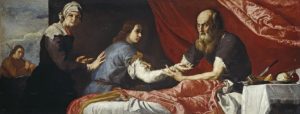
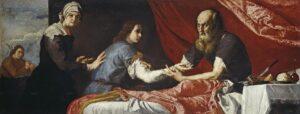
After twenty years without children, Rebecca conceives twins who struggle within her; God tells her that two nations are in her womb and the elder will serve the younger. Esau becomes a hunter, loved by Isaac, and Jacob a quiet dweller in tents, loved by Rebecca. Exhausted from the field, Esau sells his birthright to Jacob for a bowl of lentil stew. During a famine, Isaac settles in Gerar, where God renews Abraham's covenant with him; he reopens his father's wells and digs new ones until he finds room at Rehovot. In his old age, nearly blind, Isaac asks Esau to prepare a meal so he can bless him. Rebecca has Jacob go in disguised as Esau. "The voice is the voice of Jacob, but the hands are the hands of Esau," Isaac says, and he blesses Jacob. Esau vows revenge, and Jacob is sent to Rebecca's brother Laban in Haran.
וַיִּגַּ֧שׁ יַעֲקֹ֛ב אֶל־יִצְחָ֥ק אָבִ֖יו וַיְמֻשֵּׁ֑הוּ וַיֹּ֗אמֶר הַקֹּל֙ ק֣וֹל יַעֲקֹ֔ב וְהַיָּדַ֖יִם יְדֵ֥י עֵשָֽׂו׃
So Jacob drew close to his father Isaac, who felt him and wondered. “The voice is the voice of Jacob, yet the hands are the hands of Esau.”
Comentarios sobre la parashá Toldot, en español.
Parashat Toledot Weekday Hebrew Torah Reading Sephardic style
Parashat Toledot - English reading
More in the Sephardic Media Library and on the Sephardic U podcast.