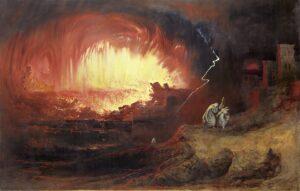
Genesis 18:1–22:24, with the seven aliyot and maftir.
Read Monday and Thursday mornings, and at Shabbat Minḥa the week before: Genesis 18:1–14.
Shabbat afternoon begins next week’s parasha, Chayei Sara, in three aliyot.
Read on weekday Rosh Hodesh, after half Hallel (Sephardi custom: without a berakha): Bamidbar 28:1–15, in four aliyot. Ya’aleh VeYavo and Musaf are added today.
Sephardi haftarah: II Kings 4:1–23.
וַיֵּרָ֤א אֵלָיו֙ יְהוָ֔ה בְּאֵלֹנֵ֖י מַמְרֵ֑א וְה֛וּא יֹשֵׁ֥ב פֶּֽתַח־הָאֹ֖הֶל כְּחֹ֥ם הַיּֽוֹם׃
יהוה appeared to him by the terebinths of Mamre; he was sitting at the entrance of the tent as the day grew hot.
Hashem se le apareció en los encinares de Mamré, mientras él estaba sentado a la entrada de su tienda, en el calor del día.
וַיִּשָּׂ֤א עֵינָיו֙ וַיַּ֔רְא וְהִנֵּה֙ שְׁלֹשָׁ֣ה אֲנָשִׁ֔ים נִצָּבִ֖ים עָלָ֑יו וַיַּ֗רְא וַיָּ֤רָץ לִקְרָאתָם֙ מִפֶּ֣תַח הָאֹ֔הֶל וַיִּשְׁתַּ֖חוּ אָֽרְצָה׃
Looking up, he saw three figures standing near him. Perceiving this, he ran from the entrance of the tent to greet them and, bowing to the ground,
Alzó los ojos y miró, y he aquí que tres hombres estaban de pie frente a él. Al verlos, corrió desde la entrada de la tienda a su encuentro y se postró en tierra.
וַיֹּאמַ֑ר אֲדֹנָ֗י אִם־נָ֨א מָצָ֤אתִי חֵן֙ בְּעֵינֶ֔יךָ אַל־נָ֥א תַעֲבֹ֖ר מֵעַ֥ל עַבְדֶּֽךָ׃
he said, “My lords! If it please you, do not go on past your servant.
Y dijo: «Hashem, si he hallado gracia ante Tus ojos, por favor, no pases de largo a Tu siervo.
יֻקַּֽח־נָ֣א מְעַט־מַ֔יִם וְרַחֲצ֖וּ רַגְלֵיכֶ֑ם וְהִֽשָּׁעֲנ֖וּ תַּ֥חַת הָעֵֽץ׃
Let a little water be brought; bathe your feet and recline under the tree.
Que se traiga un poco de agua para que se laven los pies y se reclinen debajo del árbol.
וְאֶקְחָ֨ה פַת־לֶ֜חֶם וְסַעֲד֤וּ לִבְּכֶם֙ אַחַ֣ר תַּעֲבֹ֔רוּ כִּֽי־עַל־כֵּ֥ן עֲבַרְתֶּ֖ם עַֽל־עַבְדְּכֶ֑ם וַיֹּ֣אמְר֔וּ כֵּ֥ן תַּעֲשֶׂ֖ה כַּאֲשֶׁ֥ר דִּבַּֽרְתָּ׃
And let me fetch a morsel of bread that you may refresh yourselves; then go on—seeing that you have come your servant’s way.” They replied, “Do as you have said.”
Yo traeré un trozo de pan para que se repongan, y después continuarán su camino, ya que han pasado cerca de su siervo.» Ellos le respondieron: »Haz bien como has dicho.»
וַיְמַהֵ֧ר אַבְרָהָ֛ם הָאֹ֖הֱלָה אֶל־שָׂרָ֑ה וַיֹּ֗אמֶר מַהֲרִ֞י שְׁלֹ֤שׁ סְאִים֙ קֶ֣מַח סֹ֔לֶת ל֖וּשִׁי וַעֲשִׂ֥י עֻגֽוֹת׃
Abraham hastened into the tent to Sarah, and said, “Quick, three seahs of choice flour! Knead and make cakes!”
Avraham se apresuró hacia la tienda donde estaba Sará y le dijo: «Da prisa, toma tres medidas de harina fina, amásala y haz unos panes redondos.»
וְאֶל־הַבָּקָ֖ר רָ֣ץ אַבְרָהָ֑ם וַיִּקַּ֨ח בֶּן־בָּקָ֜ר רַ֤ךְ וָטוֹב֙ וַיִּתֵּ֣ן אֶל־הַנַּ֔עַר וַיְמַהֵ֖ר לַעֲשׂ֥וֹת אֹתֽוֹ׃
Then Abraham ran to the herd, took a calf, tender and choice, and gave it to a servant-boy, who hastened to prepare it.
Corrió Avraham hacia el ganado vacuno, tomó un ternero tierno y bueno, y se lo dio a un joven, quien se apresuró a prepararlo.
וַיִּקַּ֨ח חֶמְאָ֜ה וְחָלָ֗ב וּבֶן־הַבָּקָר֙ אֲשֶׁ֣ר עָשָׂ֔ה וַיִּתֵּ֖ן לִפְנֵיהֶ֑ם וְהֽוּא־עֹמֵ֧ד עֲלֵיהֶ֛ם תַּ֥חַת הָעֵ֖ץ וַיֹּאכֵֽלוּ׃
He took curds and milk and the calf that had been prepared and set these before them; and he waited on them under the tree as they ate.
Tomó manteca, leche y el ternero que habían preparado, y lo puso delante de ellos. Y él se quedó de pie junto a ellos bajo el árbol mientras comían.
וַיֹּאמְר֣וּ אֵׄלָׄ֔יׄוׄ אַיֵּ֖ה שָׂרָ֣ה אִשְׁתֶּ֑ךָ וַיֹּ֖אמֶר הִנֵּ֥ה בָאֹֽהֶל׃
They said to him, “Where is your wife Sarah?” And he replied, “There, in the tent.”
Ellos le preguntaron: «¿Dónde está Sará, tu esposa?» Él respondió: «Está en la tienda.»
וַיֹּ֗אמֶר שׁ֣וֹב אָשׁ֤וּב אֵלֶ֙יךָ֙ כָּעֵ֣ת חַיָּ֔ה וְהִנֵּה־בֵ֖ן לְשָׂרָ֣ה אִשְׁתֶּ֑ךָ וְשָׂרָ֥ה שֹׁמַ֛עַת פֶּ֥תַח הָאֹ֖הֶל וְה֥וּא אַחֲרָֽיו׃
Then one said, “I will return to you next year, and your wife Sarah shall have a son!” Sarah was listening at the entrance of the tent, which was behind him.
Dijo: «Ciertamente volveré a ti a su debido tiempo, y he aquí que tu esposa Sará tendrá un hijo.» Sará estaba escuchando a la entrada de la tienda, detrás de él.
וְאַבְרָהָ֤ם וְשָׂרָה֙ זְקֵנִ֔ים בָּאִ֖ים בַּיָּמִ֑ים חָדַל֙ לִהְי֣וֹת לְשָׂרָ֔ה אֹ֖רַח כַּנָּשִֽׁים׃
Now Abraham and Sarah were old, advanced in years; Sarah had stopped having her periods.
Avraham y Sará eran ancianos, muy avanzados en edad. A Sará le había cesado la costumbre de las mujeres.
וַתִּצְחַ֥ק שָׂרָ֖ה בְּקִרְבָּ֣הּ לֵאמֹ֑ר אַחֲרֵ֤י בְלֹתִי֙ הָֽיְתָה־לִּ֣י עֶדְנָ֔ה וַֽאדֹנִ֖י זָקֵֽן׃
And Sarah laughed to herself, saying, “Now that I’ve lost the ability, am I to have enjoyment—with my husband so old?”
Sará se rio para sí misma, pensando: «¿Después de haber envejecido tendré placer, siendo mi señor ya un viejo?»
וַיֹּ֥אמֶר יְהוָ֖ה אֶל־אַבְרָהָ֑ם לָ֣מָּה זֶּה֩ צָחֲקָ֨ה שָׂרָ֜ה לֵאמֹ֗ר הַאַ֥ף אֻמְנָ֛ם אֵלֵ֖ד וַאֲנִ֥י זָקַֽנְתִּי׃
Then יהוה said to Abraham, “Why did Sarah laugh, saying, ‘Shall I in truth bear a child, old as I am?’
Hashem dijo a Avraham: «¿Por qué se rio Sará diciendo: ¿Realmente daré a luz ahora que soy tan vieja?
הֲיִפָּלֵ֥א מֵיְהוָ֖ה דָּבָ֑ר לַמּוֹעֵ֞ד אָשׁ֥וּב אֵלֶ֛יךָ כָּעֵ֥ת חַיָּ֖ה וּלְשָׂרָ֥ה בֵֽן׃
Is anything too wondrous for יהוה ? I will return to you at the same season next year, and Sarah shall have a son.”
¿Acaso hay algo imposible para Hashem? A su debido tiempo volveré a ti, y Sará tendrá un hijo.»
וַתְּכַחֵ֨שׁ שָׂרָ֧ה ׀ לֵאמֹ֛ר לֹ֥א צָחַ֖קְתִּי כִּ֣י ׀ יָרֵ֑אָה וַיֹּ֥אמֶר ׀ לֹ֖א כִּ֥י צָחָֽקְתְּ׃
Sarah lied, saying, “I did not laugh,” for she was frightened. Came the reply, “You did laugh.”
Sará lo negó diciendo: «No me he reído», porque tuvo miedo. Pero Él dijo: «No es así, sí te has reído.»
וַיָּקֻ֤מוּ מִשָּׁם֙ הָֽאֲנָשִׁ֔ים וַיַּשְׁקִ֖פוּ עַל־פְּנֵ֣י סְדֹ֑ם וְאַ֨בְרָהָ֔ם הֹלֵ֥ךְ עִמָּ֖ם לְשַׁלְּחָֽם׃
The agents set out from there and looked down toward Sodom, Abraham walking with them to see them off.
Los hombres se levantaron de allí y miraron en dirección a Sodoma, y Avraham iba con ellos para despedirlos.
וַֽיהֹוָ֖ה אָמָ֑ר הַֽמְכַסֶּ֤ה אֲנִי֙ מֵֽאַבְרָהָ֔ם אֲשֶׁ֖ר אֲנִ֥י עֹשֶֽׂה׃
Now יהוה had said, “Shall I hide from Abraham what I am about to do,
Hashem dijo: «¿Acaso ocultaré a Avraham lo que estoy por hacer?
וְאַ֨בְרָהָ֔ם הָי֧וֹ יִֽהְיֶ֛ה לְג֥וֹי גָּד֖וֹל וְעָצ֑וּם וְנִ֨בְרְכוּ ב֔וֹ כֹּ֖ל גּוֹיֵ֥י הָאָֽרֶץ׃
since Abraham is to become a great and populous nation and all the nations of the earth are to bless themselves by him?
Porque Avraham ciertamente se convertirá en una nación grande y poderosa, y en él serán benditas todas las naciones de la tierra.
כִּ֣י יְדַעְתִּ֗יו לְמַעַן֩ אֲשֶׁ֨ר יְצַוֶּ֜ה אֶת־בָּנָ֤יו וְאֶת־בֵּיתוֹ֙ אַחֲרָ֔יו וְשָֽׁמְרוּ֙ דֶּ֣רֶךְ יְהוָ֔ה לַעֲשׂ֥וֹת צְדָקָ֖ה וּמִשְׁפָּ֑ט לְמַ֗עַן הָבִ֤יא יְהוָה֙ עַל־אַבְרָהָ֔ם אֵ֥ת אֲשֶׁר־דִּבֶּ֖ר עָלָֽיו׃
For I have singled him out, that he may instruct his children and his posterity to keep the way of יהוה by doing what is just and right, in order that יהוה may bring about for Abraham what has been promised him.”
Porque yo lo he conocido, para que ordene a sus hijos y a su casa después de él que guarden el camino de Hashem, practicando la justicia y el derecho, a fin de que Hashem cumpla en Avraham lo que ha prometido sobre él.»
וַיֹּ֣אמֶר יְהוָ֔ה זַעֲקַ֛ת סְדֹ֥ם וַעֲמֹרָ֖ה כִּי־רָ֑בָּה וְחַ֨טָּאתָ֔ם כִּ֥י כָבְדָ֖ה מְאֹֽד׃
Then יהוה said, “The outrage of Sodom and Gomorrah is so great, and their sin so grave!
Hashem dijo: «El clamor contra Sodoma y Amorá es tan grande, y su pecado es tan grave,
אֵֽרֲדָה־נָּ֣א וְאֶרְאֶ֔ה הַכְּצַעֲקָתָ֛הּ הַבָּ֥אָה אֵלַ֖י עָשׂ֣וּ ׀ כָּלָ֑ה וְאִם־לֹ֖א אֵדָֽעָה׃
I will go down to see whether they have acted altogether according to the outcry that has reached Me; if not, I will take note.”
que descenderé ahora para ver si han hecho todo según el clamor que ha llegado hasta Mí; y si no, lo sabré.»
וַיִּפְנ֤וּ מִשָּׁם֙ הָֽאֲנָשִׁ֔ים וַיֵּלְכ֖וּ סְדֹ֑מָה וְאַ֨בְרָהָ֔ם עוֹדֶ֥נּוּ עֹמֵ֖ד לִפְנֵ֥י יְהוָֽה׃
The agents went on from there to Sodom, while Abraham remained standing before יהוה.
Los hombres partieron de allí y se dirigieron a Sodoma, pero Avraham permaneció de pie ante Hashem.
וַיִּגַּ֥שׁ אַבְרָהָ֖ם וַיֹּאמַ֑ר הַאַ֣ף תִּסְפֶּ֔ה צַדִּ֖יק עִם־רָשָֽׁע׃
Abraham came forward and said, “Will You sweep away the innocent along with the guilty?
Avraham se acercó y dijo: «¿Destruirás al justo junto con el malvado?
אוּלַ֥י יֵ֛שׁ חֲמִשִּׁ֥ים צַדִּיקִ֖ם בְּת֣וֹךְ הָעִ֑יר הַאַ֤ף תִּסְפֶּה֙ וְלֹא־תִשָּׂ֣א לַמָּק֔וֹם לְמַ֛עַן חֲמִשִּׁ֥ים הַצַּדִּיקִ֖ם אֲשֶׁ֥ר בְּקִרְבָּֽהּ׃
What if there should be fifty innocent within the city; will You then wipe out the place and not forgive it for the sake of the innocent fifty who are in it?
Quizás haya cincuenta justos dentro de la ciudad. ¿Destruirás la ciudad y no la perdonarás por causa de los cincuenta justos que estén en ella?
חָלִ֨לָה לְּךָ֜ מֵעֲשֹׂ֣ת ׀ כַּדָּבָ֣ר הַזֶּ֗ה לְהָמִ֤ית צַדִּיק֙ עִם־רָשָׁ֔ע וְהָיָ֥ה כַצַּדִּ֖יק כָּרָשָׁ֑ע חָלִ֣לָה לָּ֔ךְ הֲשֹׁפֵט֙ כָּל־הָאָ֔רֶץ לֹ֥א יַעֲשֶׂ֖ה מִשְׁפָּֽט׃
Far be it from You to do such a thing, to bring death upon the innocent as well as the guilty, so that innocent and guilty fare alike. Far be it from You! Shall not the Judge of all the earth deal justly?”
Lejos de Ti hacer tal cosa: hacer morir al justo junto con el malvado, de modo que el justo sea tratado igual que el malvado. Lejos de Ti. ¿El Juez de toda la tierra no hará justicia?»
וַיֹּ֣אמֶר יְהוָ֔ה אִם־אֶמְצָ֥א בִסְדֹ֛ם חֲמִשִּׁ֥ים צַדִּיקִ֖ם בְּת֣וֹךְ הָעִ֑יר וְנָשָׂ֥אתִי לְכָל־הַמָּק֖וֹם בַּעֲבוּרָֽם׃
And יהוה answered, “If I find within the city of Sodom fifty innocent ones, I will forgive the whole place for their sake.”
Hashem respondió: «Si encuentro en Sodoma cincuenta justos dentro de la ciudad, perdonaré a todo el lugar por amor a ellos.»
וַיַּ֥עַן אַבְרָהָ֖ם וַיֹּאמַ֑ר הִנֵּה־נָ֤א הוֹאַ֙לְתִּי֙ לְדַבֵּ֣ר אֶל־אֲדֹנָ֔י וְאָנֹכִ֖י עָפָ֥ר וָאֵֽפֶר׃
Abraham spoke up, saying, “Here I venture to speak to my lord, I who am but dust and ashes:
Avraham respondió y dijo: «Mira que me he atrevido a hablar a Hashem, aunque soy solo polvo y ceniza.
א֠וּלַי יַחְסְר֞וּן חֲמִשִּׁ֤ים הַצַּדִּיקִם֙ חֲמִשָּׁ֔ה הֲתַשְׁחִ֥ית בַּחֲמִשָּׁ֖ה אֶת־כָּל־הָעִ֑יר וַיֹּ֙אמֶר֙ לֹ֣א אַשְׁחִ֔ית אִם־אֶמְצָ֣א שָׁ֔ם אַרְבָּעִ֖ים וַחֲמִשָּֽׁה׃
What if the fifty innocent should lack five? Will You destroy the whole city for want of the five?” “I will not destroy if I find forty-five there.”
Quizás falten cinco para llegar a los cincuenta justos. ¿Destruirás toda la ciudad por falta de cinco?» Él respondió: »No la destruiré si encuentro allí cuarenta y cinco.»
וַיֹּ֨סֶף ע֜וֹד לְדַבֵּ֤ר אֵלָיו֙ וַיֹּאמַ֔ר אוּלַ֛י יִמָּצְא֥וּן שָׁ֖ם אַרְבָּעִ֑ים וַיֹּ֙אמֶר֙ לֹ֣א אֶֽעֱשֶׂ֔ה בַּעֲב֖וּר הָאַרְבָּעִֽים׃
But he spoke up again, and said, “What if forty should be found there?” “I will not do it, for the sake of the forty.”
Continuó hablándole y dijo: «Quizás se encuentren allí cuarenta.» Y Él dijo: «No lo haré por causa de los cuarenta.»
וַ֠יֹּאמֶר אַל־נָ֞א יִ֤חַר לַֽאדֹנָי֙ וַאֲדַבֵּ֔רָה אוּלַ֛י יִמָּצְא֥וּן שָׁ֖ם שְׁלֹשִׁ֑ים וַיֹּ֙אמֶר֙ לֹ֣א אֶֽעֱשֶׂ֔ה אִם־אֶמְצָ֥א שָׁ֖ם שְׁלֹשִֽׁים׃
And he said, “Let not my lord be angry if I go on: What if thirty should be found there?” “I will not do it if I find thirty there.”
Le dijo: «Que no se enoje Hashem si hablo otra vez: Quizás se encuentren allí treinta.» Y Él respondió: «No lo haré si encuentro allí treinta.»
וַיֹּ֗אמֶר הִנֵּֽה־נָ֤א הוֹאַ֙לְתִּי֙ לְדַבֵּ֣ר אֶל־אֲדֹנָ֔י אוּלַ֛י יִמָּצְא֥וּן שָׁ֖ם עֶשְׂרִ֑ים וַיֹּ֙אמֶר֙ לֹ֣א אַשְׁחִ֔ית בַּעֲב֖וּר הָֽעֶשְׂרִֽים׃
And he said, “I venture again to speak to my lord: What if twenty should be found there?” “I will not destroy, for the sake of the twenty.”
Y dijo: «Mira que me he atrevido a hablar a Hashem: Quizás se encuentren allí veinte.» Y Él respondió: «No la destruiré por causa de los veinte.»
וַ֠יֹּאמֶר אַל־נָ֞א יִ֤חַר לַֽאדֹנָי֙ וַאֲדַבְּרָ֣ה אַךְ־הַפַּ֔עַם אוּלַ֛י יִמָּצְא֥וּן שָׁ֖ם עֲשָׂרָ֑ה וַיֹּ֙אמֶר֙ לֹ֣א אַשְׁחִ֔ית בַּעֲב֖וּר הָעֲשָׂרָֽה׃
And he said, “Let not my lord be angry if I speak but this last time: What if ten should be found there?” “I will not destroy, for the sake of the ten.”
Dijo: «Que no se enoje Hashem si hablo solo esta vez: Quizás se encuentren allí diez.» Y Él respondió: «No la destruiré por causa de los diez.»
וַיֵּ֣לֶךְ יְהוָ֔ה כַּאֲשֶׁ֣ר כִּלָּ֔ה לְדַבֵּ֖ר אֶל־אַבְרָהָ֑ם וְאַבְרָהָ֖ם שָׁ֥ב לִמְקֹמֽוֹ׃
Having finished speaking to Abraham, יהוה departed; and Abraham returned to his place.
Hashem se fue cuando terminó de hablar con Avraham, y Avraham regresó a su lugar.
וַ֠יָּבֹאוּ שְׁנֵ֨י הַמַּלְאָכִ֤ים סְדֹ֙מָה֙ בָּעֶ֔רֶב וְל֖וֹט יֹשֵׁ֣ב בְּשַֽׁעַר־סְדֹ֑ם וַיַּרְא־לוֹט֙ וַיָּ֣קָם לִקְרָאתָ֔ם וַיִּשְׁתַּ֥חוּ אַפַּ֖יִם אָֽרְצָה׃
The two messengers arrived in Sodom in the evening, as Lot was sitting in the gate of Sodom. When Lot saw them, he rose to greet them and, bowing low with his face to the ground,
Los dos emisarios llegaron a Sodoma al atardecer. Lot estaba sentado a la puerta de Sodoma; al verlos, Lot se levantó a su encuentro y se postró rostro a tierra.
וַיֹּ֜אמֶר הִנֶּ֣ה נָּא־אֲדֹנַ֗י ס֣וּרוּ נָ֠א אֶל־בֵּ֨ית עַבְדְּכֶ֤ם וְלִ֙ינוּ֙ וְרַחֲצ֣וּ רַגְלֵיכֶ֔ם וְהִשְׁכַּמְתֶּ֖ם וַהֲלַכְתֶּ֣ם לְדַרְכְּכֶ֑ם וַיֹּאמְר֣וּ לֹּ֔א כִּ֥י בָרְח֖וֹב נָלִֽין׃
he said, “Please, my lords, turn aside to your servant’s house to spend the night, and bathe your feet; then you may be on your way early.” But they said, “No, we will spend the night in the square.”
Y dijo: «Aquí están, mis señores, por favor, diríjanse a la casa de su siervo, pasen la noche y lávense los pies; se levantarán temprano y seguirán su camino.» Pero ellos respondieron: «No, nos quedaremos en la calle.»
וַיִּפְצַר־בָּ֣ם מְאֹ֔ד וַיָּסֻ֣רוּ אֵלָ֔יו וַיָּבֹ֖אוּ אֶל־בֵּית֑וֹ וַיַּ֤עַשׂ לָהֶם֙ מִשְׁתֶּ֔ה וּמַצּ֥וֹת אָפָ֖ה וַיֹּאכֵֽלוּ׃
But he urged them strongly, so they turned his way and entered his house. He prepared a feast for them and baked unleavened bread, and they ate.
Él les insistió tanto que se fueron con él a su casa. Les preparó un banquete, hizo cocer panes sin levadura, y comieron.
טֶרֶם֮ יִשְׁכָּבוּ֒ וְאַנְשֵׁ֨י הָעִ֜יר אַנְשֵׁ֤י סְדֹם֙ נָסַ֣בּוּ עַל־הַבַּ֔יִת מִנַּ֖עַר וְעַד־זָקֵ֑ן כָּל־הָעָ֖ם מִקָּצֶֽה׃
They had not yet lain down, when the town council [and] the militia of Sodom —insignificant and influential alike, the whole assembly without exception—gathered about the house.
Antes de que se acostaran, los hombres de la ciudad, los hombres de Sodoma, rodearon la casa, desde el más joven hasta el más viejo, todo el pueblo sin excepción.
וַיִּקְרְא֤וּ אֶל־לוֹט֙ וַיֹּ֣אמְרוּ ל֔וֹ אַיֵּ֧ה הָאֲנָשִׁ֛ים אֲשֶׁר־בָּ֥אוּ אֵלֶ֖יךָ הַלָּ֑יְלָה הוֹצִיאֵ֣ם אֵלֵ֔ינוּ וְנֵדְעָ֖ה אֹתָֽם׃
And they shouted to Lot and said to him, “Where are the ones who came to you tonight? Bring them out to us, that we may be intimate with them.”
Y llamaron a Lot y le dijeron: «¿Dónde están los hombres que vinieron a tu casa esta noche? Sácalos para que los conozcamos.»
וַיֵּצֵ֧א אֲלֵהֶ֛ם ל֖וֹט הַפֶּ֑תְחָה וְהַדֶּ֖לֶת סָגַ֥ר אַחֲרָֽיו׃
So Lot went out to them to the entrance, shut the door behind him,
Entonces Lot salió hacia ellos, cerró la puerta detrás de él,
וַיֹּאמַ֑ר אַל־נָ֥א אַחַ֖י תָּרֵֽעוּ׃
and said, “I beg you, my friends, do not commit such a wrong.
y les dijo: «¡Por favor, hermanos míos, no hagan tal maldad!
הִנֵּה־נָ֨א לִ֜י שְׁתֵּ֣י בָנ֗וֹת אֲשֶׁ֤ר לֹֽא־יָדְעוּ֙ אִ֔ישׁ אוֹצִֽיאָה־נָּ֤א אֶתְהֶן֙ אֲלֵיכֶ֔ם וַעֲשׂ֣וּ לָהֶ֔ן כַּטּ֖וֹב בְּעֵינֵיכֶ֑ם רַ֠ק לָֽאֲנָשִׁ֤ים הָאֵל֙ אַל־תַּעֲשׂ֣וּ דָבָ֔ר כִּֽי־עַל־כֵּ֥ן בָּ֖אוּ בְּצֵ֥ל קֹרָתִֽי׃
Look, I have two daughters who have not known a man. Let me bring them out to you, and you may do to them as you please; but do not do anything to the others, since they have come under the shelter of my roof.”
Mira, tengo dos hijas que aún no han conocido a ningún hombre; se las sacaré a ustedes, y hagan con ellas como mejor les parezca, pero no le hagan nada a estos hombres, ya que vinieron a refugiarse bajo mi techo.»
וַיֹּאמְר֣וּ ׀ גֶּשׁ־הָ֗לְאָה וַיֹּֽאמְרוּ֙ הָאֶחָ֤ד בָּֽא־לָגוּר֙ וַיִּשְׁפֹּ֣ט שָׁפ֔וֹט עַתָּ֕ה נָרַ֥ע לְךָ֖ מֵהֶ֑ם וַיִּפְצְר֨וּ בָאִ֤ישׁ בְּלוֹט֙ מְאֹ֔ד וַֽיִּגְּשׁ֖וּ לִשְׁבֹּ֥ר הַדָּֽלֶת׃
But they said, “Stand back! The fellow,” they said, “came here as an alien, and already he acts the ruler! Now we will deal worse with you than with them.” And they pressed hard against that householder —against Lot—and moved forward to break the door.
Ellos respondieron: «¡Quítate de allí!» Y agregaron: «Este individuo vino como extranjero y ahora quiere actuar como juez. ¡Te trataremos a ti peor que a ellos!» Presionaron fuertemente al hombre, a Lot, y se acercaron para romper la puerta.
וַיִּשְׁלְח֤וּ הָֽאֲנָשִׁים֙ אֶת־יָדָ֔ם וַיָּבִ֧יאוּ אֶת־ל֛וֹט אֲלֵיהֶ֖ם הַבָּ֑יְתָה וְאֶת־הַדֶּ֖לֶת סָגָֽרוּ׃
But the agents stretched out their hands and pulled Lot into the house with them, and shut the door.
Los hombres extendieron su mano, hicieron entrar a Lot en la casa con ellos y cerraron la puerta.
וְֽאֶת־הָאֲנָשִׁ֞ים אֲשֶׁר־פֶּ֣תַח הַבַּ֗יִת הִכּוּ֙ בַּסַּנְוֵרִ֔ים מִקָּטֹ֖ן וְעַד־גָּד֑וֹל וַיִּלְא֖וּ לִמְצֹ֥א הַפָּֽתַח׃
And the people who were at the entrance of the house, low and high alike, they struck with blinding light, so that they were helpless to find the entrance.
Y a los hombres que estaban a la entrada de la casa los dejaron ciegos, desde el más joven hasta el más viejo, de modo que se cansaron buscando la puerta.
וַיֹּאמְר֨וּ הָאֲנָשִׁ֜ים אֶל־ל֗וֹט עֹ֚ד מִֽי־לְךָ֣ פֹ֔ה חָתָן֙ וּבָנֶ֣יךָ וּבְנֹתֶ֔יךָ וְכֹ֥ל אֲשֶׁר־לְךָ֖ בָּעִ֑יר הוֹצֵ֖א מִן־הַמָּקֽוֹם׃
Then the agents said to Lot, “Whom else have you here? Sons-in-law, your sons and daughters, or anyone else that you have in the city—bring them out of the place.
Los emisarios le dijeron a Lot: «¿Tienes aquí a alguien más? Yernos, hijos, hijas, o cualquier persona que tengas en la ciudad, sácalos de este lugar.
כִּֽי־מַשְׁחִתִ֣ים אֲנַ֔חְנוּ אֶת־הַמָּק֖וֹם הַזֶּ֑ה כִּֽי־גָֽדְלָ֤ה צַעֲקָתָם֙ אֶת־פְּנֵ֣י יְהוָ֔ה וַיְשַׁלְּחֵ֥נוּ יְהוָ֖ה לְשַׁחֲתָֽהּ׃
For we are about to destroy this place; because the outcry against them before יהוה has become so great that יהוה has sent us to destroy it.”
Porque vamos a destruir este lugar, ya que el clamor contra ellos ha llegado a ser grande ante Hashem, y Hashem nos ha enviado para destruirlo.»
וַיֵּצֵ֨א ל֜וֹט וַיְדַבֵּ֣ר ׀ אֶל־חֲתָנָ֣יו ׀ לֹקְחֵ֣י בְנֹתָ֗יו וַיֹּ֙אמֶר֙ ק֤וּמוּ צְּאוּ֙ מִן־הַמָּק֣וֹם הַזֶּ֔ה כִּֽי־מַשְׁחִ֥ית יְהוָ֖ה אֶת־הָעִ֑יר וַיְהִ֥י כִמְצַחֵ֖ק בְּעֵינֵ֥י חֲתָנָֽיו׃
So Lot went out and spoke to his sons-in-law, who had married his daughters, and said, “Up, get out of this place, for יהוה is about to destroy the city.” But he seemed to his sons-in-law as one who jests.
Salió Lot y habló con sus yernos, los que habían tomado a sus hijas, y les dijo: «¡Levántense, salgan de este lugar, porque Hashem va a destruir la ciudad!» Pero a sus yernos les pareció que estaba bromeando.
וּכְמוֹ֙ הַשַּׁ֣חַר עָלָ֔ה וַיָּאִ֥יצוּ הַמַּלְאָכִ֖ים בְּל֣וֹט לֵאמֹ֑ר קוּם֩ קַ֨ח אֶֽת־אִשְׁתְּךָ֜ וְאֶת־שְׁתֵּ֤י בְנֹתֶ֙יךָ֙ הַנִּמְצָאֹ֔ת פֶּן־תִּסָּפֶ֖ה בַּעֲוֺ֥ן הָעִֽיר׃
As dawn broke, the messengers urged Lot on, saying, “Up, take your wife and your two remaining daughters, lest you be swept away because of the iniquity of the city.”
Al rayar el alba, los emisarios apremiaron a Lot, diciendo: «¡Levántate, toma a tu esposa y a tus dos hijas que están aquí, para que no seas arrastrado por la maldad de la ciudad!»
וַֽיִּתְמַהְמָ֓הּ ׀ וַיַּחֲזִ֨קוּ הָאֲנָשִׁ֜ים בְּיָד֣וֹ וּבְיַד־אִשְׁתּ֗וֹ וּבְיַד֙ שְׁתֵּ֣י בְנֹתָ֔יו בְּחֶמְלַ֥ת יְהוָ֖ה עָלָ֑יו וַיֹּצִאֻ֥הוּ וַיַּנִּחֻ֖הוּ מִח֥וּץ לָעִֽיר׃
Still he delayed. So the agents seized his hand, and the hands of his wife and his two daughters—in יהוה’s mercy on him—and brought him out and left him outside the city.
Como él se demoraba, los hombres lo tomaron de la mano, a él, a su esposa y a sus dos hijas, por la misericordia que Hashem tuvo de él, y lo sacaron y lo dejaron fuera de la ciudad.
וַיְהִי֩ כְהוֹצִיאָ֨ם אֹתָ֜ם הַח֗וּצָה וַיֹּ֙אמֶר֙ הִמָּלֵ֣ט עַל־נַפְשֶׁ֔ךָ אַל־תַּבִּ֣יט אַחֲרֶ֔יךָ וְאַֽל־תַּעֲמֹ֖ד בְּכָל־הַכִּכָּ֑ר הָהָ֥רָה הִמָּלֵ֖ט פֶּן־תִּסָּפֶֽה׃
When they had brought them outside, one said, “Flee for your life! Do not look behind you, nor stop anywhere in the Plain; flee to the hills, lest you be swept away.”
Una vez que los sacaron fuera, le dijeron: «¡Escapa por tu vida! No mires atrás, ni te detengas en toda esta llanura. Escapa al monte, no sea que perezcas.»
וַיֹּ֥אמֶר ל֖וֹט אֲלֵהֶ֑ם אַל־נָ֖א אֲדֹנָֽי׃
But Lot said to them, “Oh no, my lord!
Lot les dijo: «¡Por favor, no, Hashem!
הִנֵּה־נָ֠א מָצָ֨א עַבְדְּךָ֣ חֵן֮ בְּעֵינֶיךָ֒ וַתַּגְדֵּ֣ל חַסְדְּךָ֗ אֲשֶׁ֤ר עָשִׂ֙יתָ֙ עִמָּדִ֔י לְהַחֲי֖וֹת אֶת־נַפְשִׁ֑י וְאָנֹכִ֗י לֹ֤א אוּכַל֙ לְהִמָּלֵ֣ט הָהָ֔רָה פֶּן־תִּדְבָּקַ֥נִי הָרָעָ֖ה וָמַֽתִּי׃
You have been so gracious to your servant, and have already shown me so much kindness in order to save my life; but I cannot flee to the hills, lest the disaster overtake me and I die.
Mira, tu siervo ha hallado gracia ante Tus ojos, y has sido grande en Tu misericordia al salvar mi vida. Pero yo no podré escapar al monte, no sea que el mal me alcance y muera.
הִנֵּה־נָ֠א הָעִ֨יר הַזֹּ֧את קְרֹבָ֛ה לָנ֥וּס שָׁ֖מָּה וְהִ֣יא מִצְעָ֑ר אִמָּלְטָ֨ה נָּ֜א שָׁ֗מָּה הֲלֹ֥א מִצְעָ֛ר הִ֖וא וּתְחִ֥י נַפְשִֽׁי׃
Look, that town there is near enough to flee to; it is such a little place! Let me flee there—it is such a little place—and let my life be saved.”
Mira, por favor, aquella ciudad está cerca para huir allá, y es pequeña. Permite que escape allá, ¿no es pequeña?, y así salvaré mi vida.»
וַיֹּ֣אמֶר אֵלָ֔יו הִנֵּה֙ נָשָׂ֣אתִי פָנֶ֔יךָ גַּ֖ם לַדָּבָ֣ר הַזֶּ֑ה לְבִלְתִּ֛י הָפְכִּ֥י אֶת־הָעִ֖יר אֲשֶׁ֥ר דִּבַּֽרְתָּ׃
He replied, “Very well, I will grant you this favor too, and I will not annihilate the town of which you have spoken.
Le respondió: «Mira, también te concedo esto: no destruiré la ciudad de la que has hablado.
מַהֵר֙ הִמָּלֵ֣ט שָׁ֔מָּה כִּ֣י לֹ֤א אוּכַל֙ לַעֲשׂ֣וֹת דָּבָ֔ר עַד־בֹּאֲךָ֖ שָׁ֑מָּה עַל־כֵּ֛ן קָרָ֥א שֵׁם־הָעִ֖יר צֽוֹעַר׃
Hurry, flee there, for I cannot do anything until you arrive there.” Hence the town came to be called Zoar.
Apúrate, escapa allá, porque no podré hacer nada hasta que llegues allí.» Por eso se llamó a esa ciudad Tzoar.
הַשֶּׁ֖מֶשׁ יָצָ֣א עַל־הָאָ֑רֶץ וְל֖וֹט בָּ֥א צֹֽעֲרָה׃
As the sun rose upon the earth and Lot entered Zoar,
El sol había salido sobre la tierra cuando Lot llegó a Tzoar.
וַֽיהוָ֗ה הִמְטִ֧יר עַל־סְדֹ֛ם וְעַל־עֲמֹרָ֖ה גָּפְרִ֣ית וָאֵ֑שׁ מֵאֵ֥ת יְהוָ֖ה מִן־הַשָּׁמָֽיִם׃
יהוה rained upon Sodom and Gomorrah sulfurous fire from יהוה out of heaven—
Entonces Hashem hizo llover sobre Sodoma y Amorá azufre y fuego desde los cielos, desde Hashem.
וַֽיַּהֲפֹךְ֙ אֶת־הֶעָרִ֣ים הָאֵ֔ל וְאֵ֖ת כָּל־הַכִּכָּ֑ר וְאֵת֙ כָּל־יֹשְׁבֵ֣י הֶעָרִ֔ים וְצֶ֖מַח הָאֲדָמָֽה׃
annihilating those cities and the entire Plain, and all the inhabitants of the cities and the vegetation of the ground.
Y destruyó aquellas ciudades, y toda la llanura, con todos los habitantes de las ciudades y la vegetación de la tierra.
וַתַּבֵּ֥ט אִשְׁתּ֖וֹ מֵאַחֲרָ֑יו וַתְּהִ֖י נְצִ֥יב מֶֽלַח׃
Lot’s wife looked back, and she thereupon turned into a pillar of salt.
Pero la mujer de Lot miró atrás y se convirtió en una columna de sal.
וַיַּשְׁכֵּ֥ם אַבְרָהָ֖ם בַּבֹּ֑קֶר אֶל־הַ֨מָּק֔וֹם אֲשֶׁר־עָ֥מַד שָׁ֖ם אֶת־פְּנֵ֥י יְהוָֽה׃
Next morning, Abraham hurried to the place where he had stood before יהוה,
Avraham se levantó muy temprano por la mañana y fue al lugar donde había estado delante de Hashem.
וַיַּשְׁקֵ֗ף עַל־פְּנֵ֤י סְדֹם֙ וַעֲמֹרָ֔ה וְעַֽל־כָּל־פְּנֵ֖י אֶ֣רֶץ הַכִּכָּ֑ר וַיַּ֗רְא וְהִנֵּ֤ה עָלָה֙ קִיטֹ֣ר הָאָ֔רֶץ כְּקִיטֹ֖ר הַכִּבְשָֽׁן׃
and, looking down toward Sodom and Gomorrah and all the land of the Plain, he saw the smoke of the land rising like the smoke of a kiln.
Miró hacia Sodoma y Amorá, y hacia toda la tierra de la llanura, y vio que el humo subía de la tierra como el humo de un horno.
וַיְהִ֗י בְּשַׁחֵ֤ת אֱלֹהִים֙ אֶת־עָרֵ֣י הַכִּכָּ֔ר וַיִּזְכֹּ֥ר אֱלֹהִ֖ים אֶת־אַבְרָהָ֑ם וַיְשַׁלַּ֤ח אֶת־לוֹט֙ מִתּ֣וֹךְ הַהֲפֵכָ֔ה בַּהֲפֹךְ֙ אֶת־הֶ֣עָרִ֔ים אֲשֶׁר־יָשַׁ֥ב בָּהֵ֖ן לֽוֹט׃
Thus it was that, when God destroyed the cities of the Plain and annihilated the cities where Lot dwelt, God was mindful of Abraham and removed Lot from the midst of the upheaval.
Cuando Elohim destruyó las ciudades de la llanura, Elohim se acordó de Avraham y envió a Lot de en medio de la destrucción, al derribar las ciudades donde Lot había habitado.
וַיַּעַל֩ ל֨וֹט מִצּ֜וֹעַר וַיֵּ֣שֶׁב בָּהָ֗ר וּשְׁתֵּ֤י בְנֹתָיו֙ עִמּ֔וֹ כִּ֥י יָרֵ֖א לָשֶׁ֣בֶת בְּצ֑וֹעַר וַיֵּ֙שֶׁב֙ בַּמְּעָרָ֔ה ה֖וּא וּשְׁתֵּ֥י בְנֹתָֽיו׃
Lot went up from Zoar and settled in the hill country with his two daughters, for he was afraid to dwell in Zoar; and he and his two daughters lived in a cave.
Lot subió desde Tzoar y se estableció en el monte junto con sus dos hijas, porque tenía miedo de quedarse en Tzoar. Así que habitó en una cueva, él y sus dos hijas.
וַתֹּ֧אמֶר הַבְּכִירָ֛ה אֶל־הַצְּעִירָ֖ה אָבִ֣ינוּ זָקֵ֑ן וְאִ֨ישׁ אֵ֤ין בָּאָ֙רֶץ֙ לָב֣וֹא עָלֵ֔ינוּ כְּדֶ֖רֶךְ כָּל־הָאָֽרֶץ׃
And the older one said to the younger, “Our father is old, and there is not a man on earth to consort with us in the way of all the world.
La mayor dijo a la menor: «Nuestro padre es anciano, y no queda ningún hombre en la tierra que se una a nosotras, como se hace en toda la tierra.
לְכָ֨ה נַשְׁקֶ֧ה אֶת־אָבִ֛ינוּ יַ֖יִן וְנִשְׁכְּבָ֣ה עִמּ֑וֹ וּנְחַיֶּ֥ה מֵאָבִ֖ינוּ זָֽרַע׃
Come, let us make our father drink wine, and let us lie with him, that we may maintain life through our father.”
Ven, démosle de beber vino a nuestro padre, acostémonos con él y así obtendremos descendencia de nuestro padre.»
וַתַּשְׁקֶ֧יןָ אֶת־אֲבִיהֶ֛ן יַ֖יִן בַּלַּ֣יְלָה ה֑וּא וַתָּבֹ֤א הַבְּכִירָה֙ וַתִּשְׁכַּ֣ב אֶת־אָבִ֔יהָ וְלֹֽא־יָדַ֥ע בְּשִׁכְבָ֖הּ וּבְקׄוּמָֽהּ׃
That night they made their father drink wine, and the older one went in and lay with her father; he did not know when she lay down or when she rose.
Aquella noche le dieron de beber vino a su padre. Luego entró la mayor y se acostó con su padre, pero él no se enteró de cuándo ella se acostó ni de cuándo se levantó.
וַֽיְהִי֙ מִֽמָּחֳרָ֔ת וַתֹּ֤אמֶר הַבְּכִירָה֙ אֶל־הַצְּעִירָ֔ה הֵן־שָׁכַ֥בְתִּי אֶ֖מֶשׁ אֶת־אָבִ֑י נַשְׁקֶ֨נּוּ יַ֜יִן גַּם־הַלַּ֗יְלָה וּבֹ֙אִי֙ שִׁכְבִ֣י עִמּ֔וֹ וּנְחַיֶּ֥ה מֵאָבִ֖ינוּ זָֽרַע׃
The next day the older one said to the younger, “See, I lay with Father last night; let us make him drink wine tonight also, and you go and lie with him, that we may maintain life through our father.”
Al día siguiente, la mayor le dijo a la menor: «Anoche me acosté con mi padre. Démosle de beber vino también esta noche, y entra tú a acostarte con él, para que obtengamos descendencia de nuestro padre.»
וַתַּשְׁקֶ֜יןָ גַּ֣ם בַּלַּ֧יְלָה הַה֛וּא אֶת־אֲבִיהֶ֖ן יָ֑יִן וַתָּ֤קָם הַצְּעִירָה֙ וַתִּשְׁכַּ֣ב עִמּ֔וֹ וְלֹֽא־יָדַ֥ע בְּשִׁכְבָ֖הּ וּבְקֻמָֽהּ׃
That night also they made their father drink wine, and the younger one went and lay with him; he did not know when she lay down or when she rose.
Aquella noche también le dieron de beber vino a su padre. Después se levantó la menor y se acostó con él, pero él no se enteró de cuándo ella se acostó ni de cuándo se levantó.
וַֽתַּהֲרֶ֛יןָ שְׁתֵּ֥י בְנֽוֹת־ל֖וֹט מֵאֲבִיהֶֽן׃
Thus the two daughters of Lot became pregnant by their father.
Así que las dos hijas de Lot quedaron embarazadas de su padre.
וַתֵּ֤לֶד הַבְּכִירָה֙ בֵּ֔ן וַתִּקְרָ֥א שְׁמ֖וֹ מוֹאָ֑ב ה֥וּא אֲבִֽי־מוֹאָ֖ב עַד־הַיּֽוֹם׃
The older one bore a son and named him Moab; he is the father of the Moabites of today.
La mayor dio a luz un hijo y lo llamó Moav (Moab); él es el padre de los moabitas, hasta el día de hoy.
וְהַצְּעִירָ֤ה גַם־הִוא֙ יָ֣לְדָה בֵּ֔ן וַתִּקְרָ֥א שְׁמ֖וֹ בֶּן־עַמִּ֑י ה֛וּא אֲבִ֥י בְנֵֽי־עַמּ֖וֹן עַד־הַיּֽוֹם׃ (ס)
And the younger also bore a son, and she called him Ben-ammi; he is the father of the Ammonites of today.
La menor también dio a luz un hijo y lo llamó Ben-Amí; él es el padre de los amonitas, hasta el día de hoy.
וַיִּסַּ֨ע מִשָּׁ֤ם אַבְרָהָם֙ אַ֣רְצָה הַנֶּ֔גֶב וַיֵּ֥שֶׁב בֵּין־קָדֵ֖שׁ וּבֵ֣ין שׁ֑וּר וַיָּ֖גָר בִּגְרָֽר׃
Abraham journeyed from there to the region of the Negeb and settled between Kadesh and Shur. While he was sojourning in Gerar,
Avraham partió de allí hacia la tierra del Néguev. Se asentó entre Cadesh y Shur y habitó en Guerar.
וַיֹּ֧אמֶר אַבְרָהָ֛ם אֶל־שָׂרָ֥ה אִשְׁתּ֖וֹ אֲחֹ֣תִי הִ֑וא וַיִּשְׁלַ֗ח אֲבִימֶ֙לֶךְ֙ מֶ֣לֶךְ גְּרָ֔ר וַיִּקַּ֖ח אֶת־שָׂרָֽה׃
Abraham said of Sarah his wife, “She is my sister.” So King Abimelech of Gerar had Sarah brought to him.
Avraham dijo acerca de Sará su mujer: «Ella es mi hermana.» Y Abimelej, rey de Guerar, envió y tomó a Sará.
וַיָּבֹ֧א אֱלֹהִ֛ים אֶל־אֲבִימֶ֖לֶךְ בַּחֲל֣וֹם הַלָּ֑יְלָה וַיֹּ֣אמֶר ל֗וֹ הִנְּךָ֥ מֵת֙ עַל־הָאִשָּׁ֣ה אֲשֶׁר־לָקַ֔חְתָּ וְהִ֖וא בְּעֻ֥לַת בָּֽעַל׃
But God came to Abimelech in a dream by night and said to him, “You are to die because of the woman that you have taken, for she is a married woman.”
Ten por cierto que morirás por causa de la mujer que tomaste, ya que es esposa de su marido.
וַאֲבִימֶ֕לֶךְ לֹ֥א קָרַ֖ב אֵלֶ֑יהָ וַיֹּאמַ֕ר אֲדֹנָ֕י הֲג֥וֹי גַּם־צַדִּ֖יק תַּהֲרֹֽג׃
Now Abimelech had not approached her. He said, “O lord, will You slay people even though innocent?
Abimélej (Abimelec) no se había acercado a ella, y le dijo: —Hashem, ¿acaso vas a matar a una nación justa?
הֲלֹ֨א ה֤וּא אָֽמַר־לִי֙ אֲחֹ֣תִי הִ֔וא וְהִֽיא־גַם־הִ֥וא אָֽמְרָ֖ה אָחִ֣י ה֑וּא בְּתָם־לְבָבִ֛י וּבְנִקְיֹ֥ן כַּפַּ֖י עָשִׂ֥יתִי זֹֽאת׃
He himself said to me, ‘She is my sister’! And she also said, ‘He is my brother.’ When I did this, my heart was blameless and my hands were clean.”
¿Acaso no me dijo él: «Ella es mi hermana», y ella misma también dijo: «Él es mi hermano»? Con integridad de mi corazón y con manos limpias he hecho esto.
וַיֹּאמֶר֩ אֵלָ֨יו הָֽאֱלֹהִ֜ים בַּחֲלֹ֗ם גַּ֣ם אָנֹכִ֤י יָדַ֙עְתִּי֙ כִּ֤י בְתָם־לְבָבְךָ֙ עָשִׂ֣יתָ זֹּ֔את וָאֶחְשֹׂ֧ךְ גַּם־אָנֹכִ֛י אֽוֹתְךָ֖ מֵחֲטוֹ־לִ֑י עַל־כֵּ֥ן לֹא־נְתַתִּ֖יךָ לִנְגֹּ֥עַ אֵלֶֽיהָ׃
And God said to him in the dream, “I knew that you did this with a blameless heart, and so I kept you from sinning against Me. That was why I did not let you touch her.
Elohim le dijo en sueños: —Yo también sé que con integridad de tu corazón hiciste esto. Te impedí pecar contra Mí, por eso no te permití tocarla.
וְעַתָּ֗ה הָשֵׁ֤ב אֵֽשֶׁת־הָאִישׁ֙ כִּֽי־נָבִ֣יא ה֔וּא וְיִתְפַּלֵּ֥ל בַּֽעַדְךָ֖ וֶֽחְיֵ֑ה וְאִם־אֵֽינְךָ֣ מֵשִׁ֗יב דַּ֚ע כִּי־מ֣וֹת תָּמ֔וּת אַתָּ֖ה וְכָל־אֲשֶׁר־לָֽךְ׃
Therefore, restore the man’s wife—since he is a prophet, he will intercede for you—to save your life. If you fail to restore her, know that you shall die, you and all that are yours.”
Ahora bien, devuelve la mujer a su marido, pues es profeta y orará por ti, y vivirás. Pero si no la devuelves, sabe que morirás, tú y todo lo tuyo.
וַיַּשְׁכֵּ֨ם אֲבִימֶ֜לֶךְ בַּבֹּ֗קֶר וַיִּקְרָא֙ לְכָל־עֲבָדָ֔יו וַיְדַבֵּ֛ר אֶת־כָּל־הַדְּבָרִ֥ים הָאֵ֖לֶּה בְּאָזְנֵיהֶ֑ם וַיִּֽירְא֥וּ הָאֲנָשִׁ֖ים מְאֹֽד׃
Early next morning, Abimelech called his servants and told them all that had happened; and they were greatly frightened.
Abimélej se levantó muy de mañana, llamó a todos sus servidores y les dijo todo esto ante ellos. Y los hombres temieron mucho.
וַיִּקְרָ֨א אֲבִימֶ֜לֶךְ לְאַבְרָהָ֗ם וַיֹּ֨אמֶר ל֜וֹ מֶֽה־עָשִׂ֤יתָ לָּ֙נוּ֙ וּמֶֽה־חָטָ֣אתִי לָ֔ךְ כִּֽי־הֵבֵ֧אתָ עָלַ֛י וְעַל־מַמְלַכְתִּ֖י חֲטָאָ֣ה גְדֹלָ֑ה מַעֲשִׂים֙ אֲשֶׁ֣ר לֹא־יֵֽעָשׂ֔וּ עָשִׂ֖יתָ עִמָּדִֽי׃
Then Abimelech summoned Abraham and said to him, “What have you done to us? What wrong have I done that you should bring so great a guilt upon me and my kingdom? You have done to me things that ought not to be done.
Abimélej llamó a Avraham y le dijo: —¿Qué nos has hecho? ¿En qué te ofendí para que traigas sobre mí y sobre mi reino un pecado tan grande? Has hecho conmigo cosas que no se deben hacer.
וַיֹּ֥אמֶר אֲבִימֶ֖לֶךְ אֶל־אַבְרָהָ֑ם מָ֣ה רָאִ֔יתָ כִּ֥י עָשִׂ֖יתָ אֶת־הַדָּבָ֥ר הַזֶּֽה׃
What, then,” Abimelech demanded of Abraham, “was your purpose in doing this thing?”
Abimélej dijo a Avraham: —¿Qué viste para hacer esto?
וַיֹּ֙אמֶר֙ אַבְרָהָ֔ם כִּ֣י אָמַ֗רְתִּי רַ֚ק אֵין־יִרְאַ֣ת אֱלֹהִ֔ים בַּמָּק֖וֹם הַזֶּ֑ה וַהֲרָג֖וּנִי עַל־דְּבַ֥ר אִשְׁתִּֽי׃
“I thought,” said Abraham, “surely there is no fear of God in this place, and they will kill me because of my wife.
Avraham respondió: —Porque pensé que seguro no hay temor de Elohim en este lugar, y me matarían por causa de mi mujer.
וְגַם־אָמְנָ֗ה אֲחֹתִ֤י בַת־אָבִי֙ הִ֔וא אַ֖ךְ לֹ֣א בַת־אִמִּ֑י וַתְּהִי־לִ֖י לְאִשָּֽׁה׃
And besides, she is in truth my sister, my father’s daughter though not my mother’s; and she became my wife.
Además, es cierto que es mi hermana, hija de mi padre pero no de mi madre, y la tomé por mujer.
וַיְהִ֞י כַּאֲשֶׁ֧ר הִתְע֣וּ אֹתִ֗י אֱלֹהִים֮ מִבֵּ֣ית אָבִי֒ וָאֹמַ֣ר לָ֔הּ זֶ֣ה חַסְדֵּ֔ךְ אֲשֶׁ֥ר תַּעֲשִׂ֖י עִמָּדִ֑י אֶ֤ל כָּל־הַמָּקוֹם֙ אֲשֶׁ֣ר נָב֣וֹא שָׁ֔מָּה אִמְרִי־לִ֖י אָחִ֥י הֽוּא׃
So when God made me wander from my father’s house, I said to her, ‘Let this be the kindness that you shall do me: whatever place we come to, say there of me: He is my brother.’”
Cuando Elohim me hizo salir de la casa de mi padre, le dije: «Esta es la bondad que me harás: en todo lugar al que lleguemos, dirás de mí: “Es mi hermano”».
וַיִּקַּ֨ח אֲבִימֶ֜לֶךְ צֹ֣אן וּבָקָ֗ר וַעֲבָדִים֙ וּשְׁפָחֹ֔ת וַיִּתֵּ֖ן לְאַבְרָהָ֑ם וַיָּ֣שֶׁב ל֔וֹ אֵ֖ת שָׂרָ֥ה אִשְׁתּֽוֹ׃
Abimelech took sheep and oxen, and male and female slaves, and gave them to Abraham; and he restored his wife Sarah to him.
Abimélej tomó ovejas y vacas, siervos y siervas, y se los dio a Avraham, y le devolvió a Sará, su mujer.
וַיֹּ֣אמֶר אֲבִימֶ֔לֶךְ הִנֵּ֥ה אַרְצִ֖י לְפָנֶ֑יךָ בַּטּ֥וֹב בְּעֵינֶ֖יךָ שֵֽׁב׃
And Abimelech said, “Here, my land is before you; settle wherever you please.”
Y le dijo Abimélej: —Mi tierra está ante ti, reside donde mejor te parezca.
וּלְשָׂרָ֣ה אָמַ֗ר הִנֵּ֨ה נָתַ֜תִּי אֶ֤לֶף כֶּ֙סֶף֙ לְאָחִ֔יךְ הִנֵּ֤ה הוּא־לָךְ֙ כְּס֣וּת עֵינַ֔יִם לְכֹ֖ל אֲשֶׁ֣ר אִתָּ֑ךְ וְאֵ֥ת כֹּ֖ל וְנֹכָֽחַת׃
And to Sarah he said, “I herewith give your brother a thousand pieces of silver; this will serve you as vindication before all who are with you, and you are cleared before everyone.”
A Sará le dijo: —He dado mil piezas de plata a tu hermano. Esto te servirá como un velo ante todos los que están contigo, y así quedarás totalmente vindicada.
וַיִּתְפַּלֵּ֥ל אַבְרָהָ֖ם אֶל־הָאֱלֹהִ֑ים וַיִּרְפָּ֨א אֱלֹהִ֜ים אֶת־אֲבִימֶ֧לֶךְ וְאֶת־אִשְׁתּ֛וֹ וְאַמְהֹתָ֖יו וַיֵּלֵֽדוּ׃
Abraham then prayed to God, and God healed Abimelech and his wife and his slave girls, so that they bore children;
Avraham oró a Elohim, y Elohim sanó a Abimélej, a su mujer y a sus siervas, y ellas pudieron tener hijos.
כִּֽי־עָצֹ֤ר עָצַר֙ יְהוָ֔ה בְּעַ֥ד כָּל־רֶ֖חֶם לְבֵ֣ית אֲבִימֶ֑לֶךְ עַל־דְּבַ֥ר שָׂרָ֖ה אֵ֥שֶׁת אַבְרָהָֽם׃ (ס)
for יהוה had closed fast every womb of the household of Abimelech because of Sarah, the wife of Abraham.
Porque Hashem había cerrado completamente toda matriz en la casa de Abimélej, a causa de Sará, mujer de Avraham.
וַֽיהוָ֛ה פָּקַ֥ד אֶת־שָׂרָ֖ה כַּאֲשֶׁ֣ר אָמָ֑ר וַיַּ֧עַשׂ יְהוָ֛ה לְשָׂרָ֖ה כַּאֲשֶׁ֥ר דִּבֵּֽר׃
יהוה took note of Sarah as promised, and יהוה did for Sarah what had been announced.
Hashem se acordó de Sará como lo había dicho. Hashem hizo con Sará como había prometido,
וַתַּהַר֩ וַתֵּ֨לֶד שָׂרָ֧ה לְאַבְרָהָ֛ם בֵּ֖ן לִזְקֻנָ֑יו לַמּוֹעֵ֕ד אֲשֶׁר־דִּבֶּ֥ר אֹת֖וֹ אֱלֹהִֽים׃
Sarah conceived and bore a son to Abraham in his old age, at the set time of which God had spoken.
Sará concibió y le dio a luz un hijo a Avraham en su vejez, en el tiempo que Elohim le había señalado.
וַיִּקְרָ֨א אַבְרָהָ֜ם אֶֽת־שֶׁם־בְּנ֧וֹ הַנּֽוֹלַד־ל֛וֹ אֲשֶׁר־יָלְדָה־לּ֥וֹ שָׂרָ֖ה יִצְחָֽק׃
Abraham gave his newborn son, whom Sarah had borne him, the name of Isaac.
Avraham llamó Itzjac al hijo que le nació, que Sará le había dado a luz.
וַיָּ֤מָל אַבְרָהָם֙ אֶת־יִצְחָ֣ק בְּנ֔וֹ בֶּן־שְׁמֹנַ֖ת יָמִ֑ים כַּאֲשֶׁ֛ר צִוָּ֥ה אֹת֖וֹ אֱלֹהִֽים׃
And when his son Isaac was eight days old, Abraham circumcised him, as God had commanded him.
Avraham circuncidó a su hijo Itzjac a los ocho días, como Elohim le había ordenado.
וְאַבְרָהָ֖ם בֶּן־מְאַ֣ת שָׁנָ֑ה בְּהִוָּ֣לֶד ל֔וֹ אֵ֖ת יִצְחָ֥ק בְּנֽוֹ׃
Now Abraham was a hundred years old when his son Isaac was born to him.
Avraham tenía cien años cuando le nació su hijo Itzjac.
וַתֹּ֣אמֶר שָׂרָ֔ה צְחֹ֕ק עָ֥שָׂה לִ֖י אֱלֹהִ֑ים כָּל־הַשֹּׁמֵ֖עַ יִֽצְחַק־לִֽי׃
Sarah said, “God has brought me laughter; everyone who hears will laugh with me.”
Entonces Sará dijo: —Elohim me ha hecho reír, y todo el que lo sepa se reirá conmigo.
וַתֹּ֗אמֶר מִ֤י מִלֵּל֙ לְאַבְרָהָ֔ם הֵינִ֥יקָה בָנִ֖ים שָׂרָ֑ה כִּֽי־יָלַ֥דְתִּי בֵ֖ן לִזְקֻנָֽיו׃
And she added,
“Who would have said to Abraham
That Sarah would suckle children!
Yet I have borne a son in his old age.”
Y añadió: —¿Quién le habría dicho a Avraham que Sará amamantaría hijos? Pues le he dado a luz un hijo en su vejez.
וַיִּגְדַּ֥ל הַיֶּ֖לֶד וַיִּגָּמַ֑ל וַיַּ֤עַשׂ אַבְרָהָם֙ מִשְׁתֶּ֣ה גָד֔וֹל בְּי֖וֹם הִגָּמֵ֥ל אֶת־יִצְחָֽק׃
The child grew up and was weaned, and Abraham held a great feast on the day that Isaac was weaned.
El niño creció y fue destetado, y Avraham hizo un gran banquete el día que destetaron a Itzjac.
וַתֵּ֨רֶא שָׂרָ֜ה אֶֽת־בֶּן־הָגָ֧ר הַמִּצְרִ֛ית אֲשֶׁר־יָלְדָ֥ה לְאַבְרָהָ֖ם מְצַחֵֽק׃
Sarah saw the son whom Hagar the Egyptian had borne to Abraham playing.
Sará vio al hijo de Hagar la egipcia, al que esta le había dado a luz a Avraham, burlándose.
וַתֹּ֙אמֶר֙ לְאַבְרָהָ֔ם גָּרֵ֛שׁ הָאָמָ֥ה הַזֹּ֖את וְאֶת־בְּנָ֑הּ כִּ֣י לֹ֤א יִירַשׁ֙ בֶּן־הָאָמָ֣ה הַזֹּ֔את עִם־בְּנִ֖י עִם־יִצְחָֽק׃
She said to Abraham, “Cast out that slave-woman and her son, for the son of that slave shall not share in the inheritance with my son Isaac.”
Le dijo a Avraham: —Expulsa a esta sierva y a su hijo, pues el hijo de esta sierva no heredará junto con mi hijo, junto con Itzjac.
וַיֵּ֧רַע הַדָּבָ֛ר מְאֹ֖ד בְּעֵינֵ֣י אַבְרָהָ֑ם עַ֖ל אוֹדֹ֥ת בְּנֽוֹ׃
The matter distressed Abraham greatly, for it concerned a son of his.
Esto le pareció muy grave a Avraham, por tratarse de su hijo.
וַיֹּ֨אמֶר אֱלֹהִ֜ים אֶל־אַבְרָהָ֗ם אַל־יֵרַ֤ע בְּעֵינֶ֙יךָ֙ עַל־הַנַּ֣עַר וְעַל־אֲמָתֶ֔ךָ כֹּל֩ אֲשֶׁ֨ר תֹּאמַ֥ר אֵלֶ֛יךָ שָׂרָ֖ה שְׁמַ֣ע בְּקֹלָ֑הּ כִּ֣י בְיִצְחָ֔ק יִקָּרֵ֥א לְךָ֖ זָֽרַע׃
But God said to Abraham, “Do not be distressed over the boy or your slave; whatever Sarah tells you, do as she says, for it is through Isaac that offspring shall be continued for you.
Elohim le dijo a Avraham: —No te angusties por el muchacho ni por tu sierva. Haz todo lo que Sará te diga, porque de Itzjac se considerará tu descendencia.
וְגַ֥ם אֶת־בֶּן־הָאָמָ֖ה לְג֣וֹי אֲשִׂימֶ֑נּוּ כִּ֥י זַרְעֲךָ֖ הֽוּא׃
As for the son of the slave-woman, I will make a nation of him, too, for he is your seed.”
Pero también al hijo de la sierva lo haré una gran nación, porque es tu descendiente.
וַיַּשְׁכֵּ֣ם אַבְרָהָ֣ם ׀ בַּבֹּ֡קֶר וַיִּֽקַּֽח־לֶחֶם֩ וְחֵ֨מַת מַ֜יִם וַיִּתֵּ֣ן אֶל־הָ֠גָר שָׂ֧ם עַל־שִׁכְמָ֛הּ וְאֶת־הַיֶּ֖לֶד וַֽיְשַׁלְּחֶ֑הָ וַתֵּ֣לֶךְ וַתֵּ֔תַע בְּמִדְבַּ֖ר בְּאֵ֥ר שָֽׁבַע׃
Early next morning Abraham took some bread and a skin of water, and gave them to Hagar. He placed them over her shoulder, together with the child, and sent her away. And she wandered about in the wilderness of Beer-sheba.
Al amanecer, Avraham tomó pan y un odre de agua, y se lo dio a Hagar, poniéndolo sobre su hombro, junto con el muchacho, y la despidió. Ella se fue y vagó por el desierto de Beer Sheva (Seba).
וַיִּכְל֥וּ הַמַּ֖יִם מִן־הַחֵ֑מֶת וַתַּשְׁלֵ֣ךְ אֶת־הַיֶּ֔לֶד תַּ֖חַת אַחַ֥ד הַשִּׂיחִֽם׃
When the water was gone from the skin, she left the child under one of the bushes,
Se acabó el agua del odre, entonces dejó al muchacho debajo de uno de los arbustos.
וַתֵּלֶךְ֩ וַתֵּ֨שֶׁב לָ֜הּ מִנֶּ֗גֶד הַרְחֵק֙ כִּמְטַחֲוֵ֣י קֶ֔שֶׁת כִּ֣י אָֽמְרָ֔ה אַל־אֶרְאֶ֖ה בְּמ֣וֹת הַיָּ֑לֶד וַתֵּ֣שֶׁב מִנֶּ֔גֶד וַתִּשָּׂ֥א אֶת־קֹלָ֖הּ וַתֵּֽבְךְּ׃
and went and sat down at a distance, a bowshot away; for she thought, “Let me not look on as the child dies.” And sitting thus afar, she burst into tears.
Ella se fue a sentarse enfrente, a distancia de un tiro de arco, pues pensaba: «No quiero ver morir al niño». Se sentó enfrente y se puso a llorar a gritos.
וַיִּשְׁמַ֣ע אֱלֹהִים֮ אֶת־ק֣וֹל הַנַּעַר֒ וַיִּקְרָא֩ מַלְאַ֨ךְ אֱלֹהִ֤ים ׀ אֶל־הָגָר֙ מִן־הַשָּׁמַ֔יִם וַיֹּ֥אמֶר לָ֖הּ מַה־לָּ֣ךְ הָגָ֑ר אַל־תִּ֣ירְאִ֔י כִּֽי־שָׁמַ֧ע אֱלֹהִ֛ים אֶל־ק֥וֹל הַנַּ֖עַר בַּאֲשֶׁ֥ר הוּא־שָֽׁם׃
God heard the cry of the boy, and a messenger of God called to Hagar from heaven and said to her, “What troubles you, Hagar? Fear not, for God has heeded the cry of the boy where he is.
Elohim escuchó la voz del muchacho, y un emisario de Elohim llamó a Hagar desde el cielo y le dijo: —¿Qué te pasa, Hagar? No temas, porque Elohim ha escuchado la voz del muchacho, justo donde está.
ק֚וּמִי שְׂאִ֣י אֶת־הַנַּ֔עַר וְהַחֲזִ֥יקִי אֶת־יָדֵ֖ךְ בּ֑וֹ כִּֽי־לְג֥וֹי גָּד֖וֹל אֲשִׂימֶֽנּוּ׃
Come, lift up the boy and hold him by the hand, for I will make a great nation of him.”
Levántate, toma al muchacho de la mano y sostenlo, porque de él haré una gran nación.
וַיִּפְקַ֤ח אֱלֹהִים֙ אֶת־עֵינֶ֔יהָ וַתֵּ֖רֶא בְּאֵ֣ר מָ֑יִם וַתֵּ֜לֶךְ וַתְּמַלֵּ֤א אֶת־הַחֵ֙מֶת֙ מַ֔יִם וַתַּ֖שְׁקְ אֶת־הַנָּֽעַר׃
Then God opened her eyes and she saw a well of water. She went and filled the skin with water, and let the boy drink.
Elohim le abrió los ojos, y vio un pozo de agua. Fue, llenó el odre y dio de beber al muchacho.
וַיְהִ֧י אֱלֹהִ֛ים אֶת־הַנַּ֖עַר וַיִּגְדָּ֑ל וַיֵּ֙שֶׁב֙ בַּמִּדְבָּ֔ר וַיְהִ֖י רֹבֶ֥ה קַשָּֽׁת׃
God was with the boy and he grew up; he dwelt in the wilderness and became skilled with a bow.
Elohim estaba con el muchacho, que creció y habitó en el desierto, y se convirtió en un arquero.
וַיֵּ֖שֶׁב בְּמִדְבַּ֣ר פָּארָ֑ן וַתִּֽקַּֽח־ל֥וֹ אִמּ֛וֹ אִשָּׁ֖ה מֵאֶ֥רֶץ מִצְרָֽיִם׃ (פ)
He lived in the wilderness of Paran; and his mother got a wife for him from the land of Egypt.
Habitó en el desierto de Parán, y su madre le consiguió una mujer de la tierra de Mitzráim.
וַֽיְהִי֙ בָּעֵ֣ת הַהִ֔וא וַיֹּ֣אמֶר אֲבִימֶ֗לֶךְ וּפִיכֹל֙ שַׂר־צְבָא֔וֹ אֶל־אַבְרָהָ֖ם לֵאמֹ֑ר אֱלֹהִ֣ים עִמְּךָ֔ בְּכֹ֥ל אֲשֶׁר־אַתָּ֖ה עֹשֶֽׂה׃
At that time Abimelech and Phicol, chief of his troops, said to Abraham, “God is with you in everything that you do.
En aquel tiempo, Abimélej y Fijol, el jefe de su ejército, le dijeron a Avraham: —Elohim está contigo en todo lo que haces.
וְעַתָּ֗ה הִשָּׁ֨בְעָה לִּ֤י בֵֽאלֹהִים֙ הֵ֔נָּה אִם־תִּשְׁקֹ֣ר לִ֔י וּלְנִינִ֖י וּלְנֶכְדִּ֑י כַּחֶ֜סֶד אֲשֶׁר־עָשִׂ֤יתִי עִמְּךָ֙ תַּעֲשֶׂ֣ה עִמָּדִ֔י וְעִם־הָאָ֖רֶץ אֲשֶׁר־גַּ֥רְתָּה בָּֽהּ׃
Therefore swear to me here by God that you will not deal falsely with me or with my kith and kin, but will deal with me and with the land in which you have sojourned as loyally as I have dealt with you.”
Júrame ahora aquí por Elohim que no me engañarás a mí, ni a mis hijos, ni a mis nietos. Que la misma bondad que yo he tenido contigo, la tengas conmigo y con la tierra en la que has residido.
וַיֹּ֙אמֶר֙ אַבְרָהָ֔ם אָנֹכִ֖י אִשָּׁבֵֽעַ׃
And Abraham said, “I swear it.”
Avraham dijo: —Lo juro.
וְהוֹכִ֥חַ אַבְרָהָ֖ם אֶת־אֲבִימֶ֑לֶךְ עַל־אֹדוֹת֙ בְּאֵ֣ר הַמַּ֔יִם אֲשֶׁ֥ר גָּזְל֖וּ עַבְדֵ֥י אֲבִימֶֽלֶךְ׃
Then Abraham reproached Abimelech for the well of water which the servants of Abimelech had seized.
Avraham reclamó a Abimélej por un pozo de agua que los siervos de Abimélej le habían arrebatado.
וַיֹּ֣אמֶר אֲבִימֶ֔לֶךְ לֹ֣א יָדַ֔עְתִּי מִ֥י עָשָׂ֖ה אֶת־הַדָּבָ֣ר הַזֶּ֑ה וְגַם־אַתָּ֞ה לֹא־הִגַּ֣דְתָּ לִּ֗י וְגַ֧ם אָנֹכִ֛י לֹ֥א שָׁמַ֖עְתִּי בִּלְתִּ֥י הַיּֽוֹם׃
But Abimelech said, “I do not know who did this; you did not tell me, nor have I heard of it until today.”
Abimélej respondió: —No sé quién hizo esto. Tampoco me lo habías informado, y yo no me había enterado hasta hoy.
וַיִּקַּ֤ח אַבְרָהָם֙ צֹ֣אן וּבָקָ֔ר וַיִּתֵּ֖ן לַאֲבִימֶ֑לֶךְ וַיִּכְרְת֥וּ שְׁנֵיהֶ֖ם בְּרִֽית׃
Abraham took sheep and oxen and gave them to Abimelech, and the two of them made a pact.
Avraham tomó ovejas y vacas, y se las dio a Abimélej, e hicieron un pacto ambos.
וַיַּצֵּ֣ב אַבְרָהָ֗ם אֶת־שֶׁ֛בַע כִּבְשֹׂ֥ת הַצֹּ֖אן לְבַדְּהֶֽן׃
Abraham then set seven ewes of the flock by themselves,
Avraham apartó siete corderos del rebaño.
וַיֹּ֥אמֶר אֲבִימֶ֖לֶךְ אֶל־אַבְרָהָ֑ם מָ֣ה הֵ֗נָּה שֶׁ֤בַע כְּבָשֹׂת֙ הָאֵ֔לֶּה אֲשֶׁ֥ר הִצַּ֖בְתָּ לְבַדָּֽנָה׃
and Abimelech said to Abraham, “What mean these seven ewes which you have set apart?”
Abimélej preguntó a Avraham: —¿Qué significan estas siete ovejas que has apartado?
וַיֹּ֕אמֶר כִּ֚י אֶת־שֶׁ֣בַע כְּבָשֹׂ֔ת תִּקַּ֖ח מִיָּדִ֑י בַּעֲבוּר֙ תִּֽהְיֶה־לִּ֣י לְעֵדָ֔ה כִּ֥י חָפַ֖רְתִּי אֶת־הַבְּאֵ֥ר הַזֹּֽאת׃
He replied, “You are to accept these seven ewes from me as proof that I dug this well.”
Él respondió: —Toma estas siete ovejas de mi mano, para que me sirvan de testimonio de que yo cavé este pozo.
עַל־כֵּ֗ן קָרָ֛א לַמָּק֥וֹם הַה֖וּא בְּאֵ֣ר שָׁ֑בַע כִּ֛י שָׁ֥ם נִשְׁבְּע֖וּ שְׁנֵיהֶֽם׃
Hence that place was called Beer-sheba, for there the two of them swore an oath.
Por eso llamó a aquel lugar Beer Sheva, porque allí juraron ambos.
וַיִּכְרְת֥וּ בְרִ֖ית בִּבְאֵ֣ר שָׁ֑בַע וַיָּ֣קָם אֲבִימֶ֗לֶךְ וּפִיכֹל֙ שַׂר־צְבָא֔וֹ וַיָּשֻׁ֖בוּ אֶל־אֶ֥רֶץ פְּלִשְׁתִּֽים׃
When they had concluded the pact at Beer-sheba, Abimelech and Phicol, chief of his troops, departed and returned to the land of the Philistines.
Hicieron un pacto en Beer Sheva. Luego se levantaron Abimélej y Fijol, jefe de su ejército, y regresaron a la tierra de los Plishtim.
וַיִּטַּ֥ע אֶ֖שֶׁל בִּבְאֵ֣ר שָׁ֑בַע וַיִּ֨קְרָא־שָׁ֔ם בְּשֵׁ֥ם יְהוָ֖ה אֵ֥ל עוֹלָֽם׃
[Abraham] planted a tamarisk at Beer-sheba, and invoked there the name of יהוה, the Everlasting God.
Avraham plantó un tamarisco en Beer Sheva, e invocó allí el nombre de Hashem, el Elohim eterno.
וַיָּ֧גָר אַבְרָהָ֛ם בְּאֶ֥רֶץ פְּלִשְׁתִּ֖ים יָמִ֥ים רַבִּֽים׃ (פ)
And Abraham resided in the land of the Philistines a long time.
Y Avraham residió en la tierra de los Plishtim por mucho tiempo.
וַיְהִ֗י אַחַר֙ הַדְּבָרִ֣ים הָאֵ֔לֶּה וְהָ֣אֱלֹהִ֔ים נִסָּ֖ה אֶת־אַבְרָהָ֑ם וַיֹּ֣אמֶר אֵלָ֔יו אַבְרָהָ֖ם וַיֹּ֥אמֶר הִנֵּֽנִי׃
Some time afterward, God put Abraham to the test, saying to him, “Abraham.” He answered, “Here I am.”
Sucedió después de estas cosas que Elohim puso a prueba a Avraham, y le dijo: —Avraham. Él respondió: —Aquí estoy.
וַיֹּ֡אמֶר קַח־נָ֠א אֶת־בִּנְךָ֨ אֶת־יְחִֽידְךָ֤ אֲשֶׁר־אָהַ֙בְתָּ֙ אֶת־יִצְחָ֔ק וְלֶךְ־לְךָ֔ אֶל־אֶ֖רֶץ הַמֹּרִיָּ֑ה וְהַעֲלֵ֤הוּ שָׁם֙ לְעֹלָ֔ה עַ֚ל אַחַ֣ד הֶֽהָרִ֔ים אֲשֶׁ֖ר אֹמַ֥ר אֵלֶֽיךָ׃
“Take your son, your favored one, Isaac, whom you love, and go to the land of Moriah, and offer him there as a burnt offering on one of the heights that I will point out to you.”
Le dijo: —Por favor, toma a tu hijo, a tu único, a quien amas, a Itzjac, y ve a la tierra de Moriá. Ofrécelo allí como holocausto sobre uno de los montes que yo te indicaré.
וַיַּשְׁכֵּ֨ם אַבְרָהָ֜ם בַּבֹּ֗קֶר וַֽיַּחֲבֹשׁ֙ אֶת־חֲמֹר֔וֹ וַיִּקַּ֞ח אֶת־שְׁנֵ֤י נְעָרָיו֙ אִתּ֔וֹ וְאֵ֖ת יִצְחָ֣ק בְּנ֑וֹ וַיְבַקַּע֙ עֲצֵ֣י עֹלָ֔ה וַיָּ֣קָם וַיֵּ֔לֶךְ אֶל־הַמָּק֖וֹם אֲשֶׁר־אָֽמַר־ל֥וֹ הָאֱלֹהִֽים׃
So early next morning, Abraham saddled his ass and took with him two of his servants and his son Isaac. He split the wood for the burnt offering, and he set out for the place of which God had told him.
Avraham se levantó muy de mañana, aparejó su asno, tomó consigo a dos de sus jóvenes y a Itzjac su hijo, partió la leña para el holocausto, y se fue al lugar que Elohim le había dicho.
בַּיּ֣וֹם הַשְּׁלִישִׁ֗י וַיִּשָּׂ֨א אַבְרָהָ֧ם אֶת־עֵינָ֛יו וַיַּ֥רְא אֶת־הַמָּק֖וֹם מֵרָחֹֽק׃
On the third day Abraham looked up and saw the place from afar.
Al tercer día, Avraham alzó sus ojos y vio el lugar desde lejos.
וַיֹּ֨אמֶר אַבְרָהָ֜ם אֶל־נְעָרָ֗יו שְׁבוּ־לָכֶ֥ם פֹּה֙ עִֽם־הַחֲמ֔וֹר וַאֲנִ֣י וְהַנַּ֔עַר נֵלְכָ֖ה עַד־כֹּ֑ה וְנִֽשְׁתַּחֲוֶ֖ה וְנָשׁ֥וּבָה אֲלֵיכֶֽם׃
Then Abraham said to his servants, “You stay here with the ass. The boy and I will go up there; we will worship and we will return to you.”
Avraham dijo a sus jóvenes: —Quédense aquí con el asno. Yo y el muchacho iremos hasta allá, nos postraremos y volveremos a ustedes.
וַיִּקַּ֨ח אַבְרָהָ֜ם אֶת־עֲצֵ֣י הָעֹלָ֗ה וַיָּ֙שֶׂם֙ עַל־יִצְחָ֣ק בְּנ֔וֹ וַיִּקַּ֣ח בְּיָד֔וֹ אֶת־הָאֵ֖שׁ וְאֶת־הַֽמַּאֲכֶ֑לֶת וַיֵּלְכ֥וּ שְׁנֵיהֶ֖ם יַחְדָּֽו׃
Abraham took the wood for the burnt offering and put it on his son Isaac. He himself took the firestone and the knife; and the two walked off together.
Avraham tomó la leña del holocausto y la puso sobre Itzjac su hijo, y tomó en su mano el fuego y el cuchillo; y caminaron los dos juntos.
וַיֹּ֨אמֶר יִצְחָ֜ק אֶל־אַבְרָהָ֤ם אָבִיו֙ וַיֹּ֣אמֶר אָבִ֔י וַיֹּ֖אמֶר הִנֶּ֣נִּֽי בְנִ֑י וַיֹּ֗אמֶר הִנֵּ֤ה הָאֵשׁ֙ וְהָ֣עֵצִ֔ים וְאַיֵּ֥ה הַשֶּׂ֖ה לְעֹלָֽה׃
Then Isaac said to his father Abraham, “Father!” And he answered, “Yes, my son.” And he said, “Here are the firestone and the wood; but where is the sheep for the burnt offering?”
Dijo Itzjac a Avraham su padre: –¡Padre mío! Y respondió: –Aquí estoy, hijo mío. Y dijo: –Acá está el fuego y la leña, pero ¿dónde está el cordero para el holocausto?
וַיֹּ֙אמֶר֙ אַבְרָהָ֔ם אֱלֹהִ֞ים יִרְאֶה־לּ֥וֹ הַשֶּׂ֛ה לְעֹלָ֖ה בְּנִ֑י וַיֵּלְכ֥וּ שְׁנֵיהֶ֖ם יַחְדָּֽו׃
And Abraham said, “It is God who will see to the sheep for this burnt offering, my son.” And the two of them walked on together.
Avraham dijo: –Elohim se proveerá el cordero para el holocausto, hijo mío. Y caminaron los dos juntos.
וַיָּבֹ֗אוּ אֶֽל־הַמָּקוֹם֮ אֲשֶׁ֣ר אָֽמַר־ל֣וֹ הָאֱלֹהִים֒ וַיִּ֨בֶן שָׁ֤ם אַבְרָהָם֙ אֶת־הַמִּזְבֵּ֔חַ וַֽיַּעֲרֹ֖ךְ אֶת־הָעֵצִ֑ים וַֽיַּעֲקֹד֙ אֶת־יִצְחָ֣ק בְּנ֔וֹ וַיָּ֤שֶׂם אֹתוֹ֙ עַל־הַמִּזְבֵּ֔חַ מִמַּ֖עַל לָעֵצִֽים׃
They arrived at the place of which God had told him. Abraham built an altar there; he laid out the wood; he bound his son Isaac; he laid him on the altar, on top of the wood.
Llegaron al lugar que Elohim le había dicho, allí edificó Avraham un altar, acomodó la leña, ató a Itzjac su hijo y lo puso sobre el altar, encima de la leña.
וַיִּשְׁלַ֤ח אַבְרָהָם֙ אֶת־יָד֔וֹ וַיִּקַּ֖ח אֶת־הַֽמַּאֲכֶ֑לֶת לִשְׁחֹ֖ט אֶת־בְּנֽוֹ׃
And Abraham picked up the knife to slay his son.
Avraham extendió su mano y tomó el cuchillo para degollar a su hijo.
וַיִּקְרָ֨א אֵלָ֜יו מַלְאַ֤ךְ יְהוָה֙ מִן־הַשָּׁמַ֔יִם וַיֹּ֖אמֶר אַבְרָהָ֣ם ׀ אַבְרָהָ֑ם וַיֹּ֖אמֶר הִנֵּֽנִי׃
Then a messenger of יהוה called to him from heaven: “Abraham! Abraham!” And he answered, “Here I am.”
Entonces lo llamó el emisario de Hashem desde el cielo, diciendo: —¡Avraham! ¡Avraham! Él respondió: —Aquí estoy.
וַיֹּ֗אמֶר אַל־תִּשְׁלַ֤ח יָֽדְךָ֙ אֶל־הַנַּ֔עַר וְאַל־תַּ֥עַשׂ ל֖וֹ מְא֑וּמָּה כִּ֣י ׀ עַתָּ֣ה יָדַ֗עְתִּי כִּֽי־יְרֵ֤א אֱלֹהִים֙ אַ֔תָּה וְלֹ֥א חָשַׂ֛כְתָּ אֶת־בִּנְךָ֥ אֶת־יְחִידְךָ֖ מִמֶּֽנִּי׃
“Do not raise your hand against the boy, or do anything to him. For now I know that you fear God, since you have not withheld your son, your favored one, from Me.”
Y dijo: —No extiendas tu mano sobre el muchacho ni le hagas nada. Ahora sé que temes a Elohim, ya que no me has rehusado a tu hijo, a tu único.
וַיִּשָּׂ֨א אַבְרָהָ֜ם אֶת־עֵינָ֗יו וַיַּרְא֙ וְהִנֵּה־אַ֔יִל אַחַ֕ר נֶאֱחַ֥ז בַּסְּבַ֖ךְ בְּקַרְנָ֑יו וַיֵּ֤לֶךְ אַבְרָהָם֙ וַיִּקַּ֣ח אֶת־הָאַ֔יִל וַיַּעֲלֵ֥הוּ לְעֹלָ֖ה תַּ֥חַת בְּנֽוֹ׃
When Abraham looked up, his eye fell upon a ram, caught in the thicket by its horns. So Abraham went and took the ram and offered it up as a burnt offering in place of his son.
Avraham alzó sus ojos y vio un carnero enredado por los cuernos en un matorral. Avraham fue, tomó el carnero y lo ofreció como holocausto en lugar de su hijo.
וַיִּקְרָ֧א אַבְרָהָ֛ם שֵֽׁם־הַמָּק֥וֹם הַה֖וּא יְהוָ֣ה ׀ יִרְאֶ֑ה אֲשֶׁר֙ יֵאָמֵ֣ר הַיּ֔וֹם בְּהַ֥ר יְהוָ֖ה יֵרָאֶֽה׃
And Abraham named that site Adonai-yireh, whence the present saying, “On the mount of יהוה there is vision.”
Avraham llamó a aquel lugar «Hashem Iré», por lo que se dice hasta el día de hoy: «En el monte de Hashem se proveerá».
וַיִּקְרָ֛א מַלְאַ֥ךְ יְהוָ֖ה אֶל־אַבְרָהָ֑ם שֵׁנִ֖ית מִן־הַשָּׁמָֽיִם׃
The messenger of יהוה called to Abraham a second time from heaven,
El emisario de Hashem llamó a Avraham por segunda vez desde el cielo,
וַיֹּ֕אמֶר בִּ֥י נִשְׁבַּ֖עְתִּי נְאֻם־יְהוָ֑ה כִּ֗י יַ֚עַן אֲשֶׁ֤ר עָשִׂ֙יתָ֙ אֶת־הַדָּבָ֣ר הַזֶּ֔ה וְלֹ֥א חָשַׂ֖כְתָּ אֶת־בִּנְךָ֥ אֶת־יְחִידֶֽךָ׃
and said, “By Myself I swear, יהוה declares: Because you have done this and have not withheld your son, your favored one,
y dijo: —He jurado por mí mismo, dice Hashem, que por haber hecho esto y no haberme rehusado tu hijo, tu único,
כִּֽי־בָרֵ֣ךְ אֲבָרֶכְךָ֗ וְהַרְבָּ֨ה אַרְבֶּ֤ה אֶֽת־זַרְעֲךָ֙ כְּכוֹכְבֵ֣י הַשָּׁמַ֔יִם וְכַח֕וֹל אֲשֶׁ֖ר עַל־שְׂפַ֣ת הַיָּ֑ם וְיִרַ֣שׁ זַרְעֲךָ֔ אֵ֖ת שַׁ֥עַר אֹיְבָֽיו׃
I will bestow My blessing upon you and make your descendants as numerous as the stars of heaven and the sands on the seashore; and your descendants shall seize the gates of their foes.
ciertamente, te bendeciré y multiplicaré tu descendencia enormemente, como las estrellas del cielo y como la arena que está a la orilla del mar. Tu descendencia conquistará las ciudades de sus enemigos.
וְהִתְבָּרֲכ֣וּ בְזַרְעֲךָ֔ כֹּ֖ל גּוֹיֵ֣י הָאָ֑רֶץ עֵ֕קֶב אֲשֶׁ֥ר שָׁמַ֖עְתָּ בְּקֹלִֽי׃
All the nations of the earth shall bless themselves by your descendants, because you have obeyed My command.”
Todas las naciones de la tierra serán bendecidas en tu descendencia, porque obedeciste mi voz.
וַיָּ֤שָׁב אַבְרָהָם֙ אֶל־נְעָרָ֔יו וַיָּקֻ֛מוּ וַיֵּלְכ֥וּ יַחְדָּ֖ו אֶל־בְּאֵ֣ר שָׁ֑בַע וַיֵּ֥שֶׁב אַבְרָהָ֖ם בִּבְאֵ֥ר שָֽׁבַע׃ (פ)
Abraham then returned to his servants, and they departed together for Beer-sheba; and Abraham stayed in Beer-sheba.
Avraham regresó con sus jóvenes, y se levantaron y caminaron juntos hacia Beer Sheva. Y Avraham habitó en Beer Sheva.
וַיְהִ֗י אַחֲרֵי֙ הַדְּבָרִ֣ים הָאֵ֔לֶּה וַיֻּגַּ֥ד לְאַבְרָהָ֖ם לֵאמֹ֑ר הִ֠נֵּה יָלְדָ֨ה מִלְכָּ֥ה גַם־הִ֛וא בָּנִ֖ים לְנָח֥וֹר אָחִֽיךָ׃
Some time later, Abraham was told, “Milcah too has borne sons to your brother Nahor:
Después de estas cosas, le informaron a Avraham: —Milcá también ha dado a luz hijos a Najor tu hermano:
אֶת־ע֥וּץ בְּכֹר֖וֹ וְאֶת־בּ֣וּז אָחִ֑יו וְאֶת־קְמוּאֵ֖ל אֲבִ֥י אֲרָֽם׃
Uz the first-born, and Buz his brother, and Kemuel the father of Aram;
A su primogénito Utz, a su hermano Buz, a Quemuel padre de Aram,
וְאֶת־כֶּ֣שֶׂד וְאֶת־חֲז֔וֹ וְאֶת־פִּלְדָּ֖שׁ וְאֶת־יִדְלָ֑ף וְאֵ֖ת בְּתוּאֵֽל׃
and Chesed, Hazo, Pildash, Jidlaph, and Bethuel”—
Y a Quesed, Jazó, Pildash, Idlaf y Betuel.
וּבְתוּאֵ֖ל יָלַ֣ד אֶת־רִבְקָ֑ה שְׁמֹנָ֥ה אֵ֙לֶּה֙ יָלְדָ֣ה מִלְכָּ֔ה לְנָח֖וֹר אֲחִ֥י אַבְרָהָֽם׃
Bethuel being the father of Rebekah. These eight Milcah bore to Nahor, Abraham’s brother.
A Betuel le nació Rivká (Rebeca). Estos ocho le dio a luz Milcá a Najor, hermano de Avraham.
וּפִֽילַגְשׁ֖וֹ וּשְׁמָ֣הּ רְאוּמָ֑ה וַתֵּ֤לֶד גַּם־הִוא֙ אֶת־טֶ֣בַח וְאֶת־גַּ֔חַם וְאֶת־תַּ֖חַשׁ וְאֶֽת־מַעֲכָֽה׃ (ס)
And his concubine, whose name was Reumah, also bore [sons]—Tebah, Gaham, and Tahash—and [a daughter,] Maacah.
Y su concubina, llamada Reumá, también ella parió a Tébaj, a Gajam, a Tájash y a Maajá (Maaca).
End of the Monday and Thursday reading.
וַיְהִ֗י אַחֲרֵי֙ הַדְּבָרִ֣ים הָאֵ֔לֶּה וַיֻּגַּ֥ד לְאַבְרָהָ֖ם לֵאמֹ֑ר הִ֠נֵּה יָלְדָ֨ה מִלְכָּ֥ה גַם־הִ֛וא בָּנִ֖ים לְנָח֥וֹר אָחִֽיךָ׃
Some time later, Abraham was told, “Milcah too has borne sons to your brother Nahor:
Después de estas cosas, le informaron a Avraham: —Milcá también ha dado a luz hijos a Najor tu hermano:
אֶת־ע֥וּץ בְּכֹר֖וֹ וְאֶת־בּ֣וּז אָחִ֑יו וְאֶת־קְמוּאֵ֖ל אֲבִ֥י אֲרָֽם׃
Uz the first-born, and Buz his brother, and Kemuel the father of Aram;
A su primogénito Utz, a su hermano Buz, a Quemuel padre de Aram,
וְאֶת־כֶּ֣שֶׂד וְאֶת־חֲז֔וֹ וְאֶת־פִּלְדָּ֖שׁ וְאֶת־יִדְלָ֑ף וְאֵ֖ת בְּתוּאֵֽל׃
and Chesed, Hazo, Pildash, Jidlaph, and Bethuel”—
Y a Quesed, Jazó, Pildash, Idlaf y Betuel.
וּבְתוּאֵ֖ל יָלַ֣ד אֶת־רִבְקָ֑ה שְׁמֹנָ֥ה אֵ֙לֶּה֙ יָלְדָ֣ה מִלְכָּ֔ה לְנָח֖וֹר אֲחִ֥י אַבְרָהָֽם׃
Bethuel being the father of Rebekah. These eight Milcah bore to Nahor, Abraham’s brother.
A Betuel le nació Rivká (Rebeca). Estos ocho le dio a luz Milcá a Najor, hermano de Avraham.
וּפִֽילַגְשׁ֖וֹ וּשְׁמָ֣הּ רְאוּמָ֑ה וַתֵּ֤לֶד גַּם־הִוא֙ אֶת־טֶ֣בַח וְאֶת־גַּ֔חַם וְאֶת־תַּ֖חַשׁ וְאֶֽת־מַעֲכָֽה׃ (ס)
And his concubine, whose name was Reumah, also bore [sons]—Tebah, Gaham, and Tahash—and [a daughter,] Maacah.
Y su concubina, llamada Reumá, también ella parió a Tébaj, a Gajam, a Tájash y a Maajá (Maaca).
וַיְדַבֵּ֥ר יְהוָ֖ה אֶל־מֹשֶׁ֥ה לֵּאמֹֽר׃
יהוה spoke to Moses, saying:
El Eterno habló a Moshé diciendo:
צַ֚ו אֶת־בְּנֵ֣י יִשְׂרָאֵ֔ל וְאָמַרְתָּ֖ אֲלֵהֶ֑ם אֶת־קָרְבָּנִ֨י לַחְמִ֜י לְאִשַּׁ֗י רֵ֚יחַ נִֽיחֹחִ֔י תִּשְׁמְר֕וּ לְהַקְרִ֥יב לִ֖י בְּמוֹעֲדֽוֹ׃
Command the Israelite people and say to them: Be punctilious in presenting to Me at stated times the offerings of food due Me, as offerings by fire of pleasing odor to Me.
«Manda a los Hijos de Israel y diles: «Cumplirán con mis sacrificios, mi pan, mis ofrendas quemadas de grato olor, ofreciéndomelos a su debido tiempo.»»
וְאָמַרְתָּ֣ לָהֶ֔ם זֶ֚ה הָֽאִשֶּׁ֔ה אֲשֶׁ֥ר תַּקְרִ֖יבוּ לַיהוָ֑ה כְּבָשִׂ֨ים בְּנֵֽי־שָׁנָ֧ה תְמִימִ֛ם שְׁנַ֥יִם לַיּ֖וֹם עֹלָ֥ה תָמִֽיד׃
Say to them: These are the offerings by fire that you are to present to יהוה: As a regular burnt offering every day, two yearling lambs without blemish.
Les dirás: «Ésta es la ofrenda quemada que ofrecerán al Eterno: cada día, dos corderos de un año, sin defecto, como holocausto continuo.»
אֶת־הַכֶּ֥בֶשׂ אֶחָ֖ד תַּעֲשֶׂ֣ה בַבֹּ֑קֶר וְאֵת֙ הַכֶּ֣בֶשׂ הַשֵּׁנִ֔י תַּעֲשֶׂ֖ה בֵּ֥ין הָֽעַרְבָּֽיִם׃
You shall offer one lamb in the morning, and the other lamb you shall offer at twilight.
Ofrecerán uno de los corderos al amanecer y el otro cordero lo ofrecerán al atardecer.
וַעֲשִׂירִ֧ית הָאֵיפָ֛ה סֹ֖לֶת לְמִנְחָ֑ה בְּלוּלָ֛ה בְּשֶׁ֥מֶן כָּתִ֖ית רְבִיעִ֥ת הַהִֽין׃
And as a meal offering, there shall be a tenth of an ephah of choice flour with a quarter of a hin of beaten oil mixed in—
«La ofrenda vegetal será de la décima parte de un efa de harina fina amasada con la cuarta parte de un hin de aceite puro de olivas.»
עֹלַ֖ת תָּמִ֑יד הָעֲשֻׂיָה֙ בְּהַ֣ר סִינַ֔י לְרֵ֣יחַ נִיחֹ֔חַ אִשֶּׁ֖ה לַֽיהוָֽה׃
the regular burnt offering instituted at Mount Sinai —an offering by fire of pleasing odor to יהוה.
«Éste es el holocausto continuo que fue ofrecido en el monte Sinái (Sinaí) como grato olor, ofrenda quemada al Eterno.»
וְנִסְכּוֹ֙ רְבִיעִ֣ת הַהִ֔ין לַכֶּ֖בֶשׂ הָאֶחָ֑ד בַּקֹּ֗דֶשׁ הַסֵּ֛ךְ נֶ֥סֶךְ שֵׁכָ֖ר לַיהוָֽה׃
The libation with it shall be a quarter of a hin for each lamb, to be poured in the sacred precinct as an offering of fermented drink to יהוה.
Su libación será la cuarta parte de un hin por cada cordero. Derramarás para Hashem en el santuario una libación de licor.
וְאֵת֙ הַכֶּ֣בֶשׂ הַשֵּׁנִ֔י תַּעֲשֶׂ֖ה בֵּ֣ין הָֽעַרְבָּ֑יִם כְּמִנְחַ֨ת הַבֹּ֤קֶר וּכְנִסְכּוֹ֙ תַּעֲשֶׂ֔ה אִשֵּׁ֛ה רֵ֥יחַ נִיחֹ֖חַ לַיהוָֽה׃ (פ)
The other lamb you shall offer at twilight, preparing the same meal offering and libation as in the morning—an offering by fire of pleasing odor to יהוה.
«Ofrecerás el otro cordero al atardecer. Presentarás una ofrenda vegetal como la de la mañana, y del mismo modo su libación. Es una ofrenda quemada de grato olor al Eterno.»
וּבְיוֹם֙ הַשַּׁבָּ֔ת שְׁנֵֽי־כְבָשִׂ֥ים בְּנֵֽי־שָׁנָ֖ה תְּמִימִ֑ם וּשְׁנֵ֣י עֶשְׂרֹנִ֗ים סֹ֧לֶת מִנְחָ֛ה בְּלוּלָ֥ה בַשֶּׁ֖מֶן וְנִסְכּֽוֹ׃
On the sabbath day: two yearling lambs without blemish, together with two-tenths of a measure of choice flour with oil mixed in as a meal offering, and with the proper libation—
«El día del shabbat ofrecerás dos corderos de un año, sin defecto, y una ofrenda vegetal de dos décimas de un efa de harina fina amasada con aceite, con su libación.»
עֹלַ֥ת שַׁבַּ֖ת בְּשַׁבַּתּ֑וֹ עַל־עֹלַ֥ת הַתָּמִ֖יד וְנִסְכָּֽהּ׃ (ס)
a burnt offering for every sabbath, in addition to the regular burnt offering and its libation.
Éste es el holocausto de cada shabbat, además del holocausto continuo y de su libación.
וּבְרָאשֵׁי֙ חָדְשֵׁיכֶ֔ם תַּקְרִ֥יבוּ עֹלָ֖ה לַיהוָ֑ה פָּרִ֨ים בְּנֵֽי־בָקָ֤ר שְׁנַ֙יִם֙ וְאַ֣יִל אֶחָ֔ד כְּבָשִׂ֧ים בְּנֵי־שָׁנָ֛ה שִׁבְעָ֖ה תְּמִימִֽם׃
On your new moons you shall present a burnt offering to יהוה: two bulls of the herd, one ram, and seven yearling lambs, without blemish.
«Al principio de cada mes ofrecerás como holocausto al Eterno dos novillos, un carnero y siete corderos de un año, sin defecto.»
וּשְׁלֹשָׁ֣ה עֶשְׂרֹנִ֗ים סֹ֤לֶת מִנְחָה֙ בְּלוּלָ֣ה בַשֶּׁ֔מֶן לַפָּ֖ר הָאֶחָ֑ד וּשְׁנֵ֣י עֶשְׂרֹנִ֗ים סֹ֤לֶת מִנְחָה֙ בְּלוּלָ֣ה בַשֶּׁ֔מֶן לָאַ֖יִל הָֽאֶחָֽד׃
As meal offering for each bull: three-tenths of a measure of choice flour with oil mixed in. As meal offering for each ram: two-tenths of a measure of choice flour with oil mixed in.
Por cada novillo la ofrenda vegetal será de tres décimas de un efa de harina fina amasada con aceite; por el carnero, dos décimas de harina fina amasada con aceite.
וְעִשָּׂרֹ֣ן עִשָּׂר֗וֹן סֹ֤לֶת מִנְחָה֙ בְּלוּלָ֣ה בַשֶּׁ֔מֶן לַכֶּ֖בֶשׂ הָאֶחָ֑ד עֹלָה֙ רֵ֣יחַ נִיחֹ֔חַ אִשֶּׁ֖ה לַיהוָֽה׃
As meal offering for each lamb: a tenth of a measure of fine flour with oil mixed in. Such shall be the burnt offering of pleasing odor, an offering by fire to יהוה.
Y por cada cordero, una décima de harina fina amasada con aceite. Éste es el holocausto de grato olor, una ofrenda quemada al Eterno.
וְנִסְכֵּיהֶ֗ם חֲצִ֣י הַהִין֩ יִהְיֶ֨ה לַפָּ֜ר וּשְׁלִישִׁ֧ת הַהִ֣ין לָאַ֗יִל וּרְבִיעִ֥ת הַהִ֛ין לַכֶּ֖בֶשׂ יָ֑יִן זֹ֣את עֹלַ֥ת חֹ֙דֶשׁ֙ בְּחָדְשׁ֔וֹ לְחָדְשֵׁ֖י הַשָּׁנָֽה׃
Their libations shall be: half a hin of wine for a bull, a third of a hin for a ram, and a quarter of a hin for a lamb. That shall be the monthly burnt offering for each new moon of the year.
Sus libaciones serán de medio hin de vino por cada novillo, la tercera parte de un hin por el carnero y la cuarta parte de un hin por cada cordero. Éste es el holocausto de cada mes, todos los meses del año.
וּשְׂעִ֨יר עִזִּ֥ים אֶחָ֛ד לְחַטָּ֖את לַיהוָ֑ה עַל־עֹלַ֧ת הַתָּמִ֛יד יֵעָשֶׂ֖ה וְנִסְכּֽוֹ׃ (ס)
And there shall be one goat as a sin offering to יהוה, to be offered in addition to the regular burnt offering and its libation.
«También se ofrecerá al Eterno un macho cabrío como sacrificio por el pecado, además del holocausto continuo y de su libación.»
On Rosh Hodesh Tevet during Hanukkah, these verses are read in three aliyot (Kohen 1–5, Levi 6–10, Yisrael 11–15) and Revi’i reads from the Hanukkah portion. On Shabbat Rosh Hodesh, the weekly parasha is read and the maftir is 28:9–15.
וַיִּהְיוּ֙ חַיֵּ֣י שָׂרָ֔ה מֵאָ֥ה שָׁנָ֛ה וְעֶשְׂרִ֥ים שָׁנָ֖ה וְשֶׁ֣בַע שָׁנִ֑ים שְׁנֵ֖י חַיֵּ֥י שָׂרָֽה׃
Sarah’s lifetime—the span of Sarah’s life—came to one hundred and twenty-seven years.
Los años de la vida de Sará fueron: cien años y veinte años y siete años.
וַתָּ֣מָת שָׂרָ֗ה בְּקִרְיַ֥ת אַרְבַּ֛ע הִ֥וא חֶבְר֖וֹן בְּאֶ֣רֶץ כְּנָ֑עַן וַיָּבֹא֙ אַבְרָהָ֔ם לִסְפֹּ֥ד לְשָׂרָ֖ה וְלִבְכֹּתָֽהּ׃
Sarah died in Kiriath-arba—now Hebron—in the land of Canaan; and Abraham proceeded to mourn for Sarah and to bewail her.
Sará murió en Kiriat Arbá, que es Jevrón, en la tierra de Kenaan. Avraham fue a hacer duelo por Sará y a llorarla.
וַיָּ֙קָם֙ אַבְרָהָ֔ם מֵעַ֖ל פְּנֵ֣י מֵת֑וֹ וַיְדַבֵּ֥ר אֶל־בְּנֵי־חֵ֖ת לֵאמֹֽר׃
Then Abraham rose from beside his dead, and spoke to the Hittites, saying,
Avraham se levantó de frente a su difunta y habló con los hijos de Jet, diciendo:
גֵּר־וְתוֹשָׁ֥ב אָנֹכִ֖י עִמָּכֶ֑ם תְּנ֨וּ לִ֤י אֲחֻזַּת־קֶ֙בֶר֙ עִמָּכֶ֔ם וְאֶקְבְּרָ֥ה מֵתִ֖י מִלְּפָנָֽי׃
“I am a resident alien among you; sell me a burial site among you, that I may remove my dead for burial.”
—Yo soy forastero y resido entre ustedes. Denme una propiedad para sepultura entre ustedes, para que sepulte allí a mi difunta.
וַיַּעֲנ֧וּ בְנֵי־חֵ֛ת אֶת־אַבְרָהָ֖ם לֵאמֹ֥ר לֽוֹ׃
And the Hittites replied to Abraham, saying to him,
Los hijos de Jet respondieron a Avraham diciéndole:
שְׁמָעֵ֣נוּ ׀ אֲדֹנִ֗י נְשִׂ֨יא אֱלֹהִ֤ים אַתָּה֙ בְּתוֹכֵ֔נוּ בְּמִבְחַ֣ר קְבָרֵ֔ינוּ קְבֹ֖ר אֶת־מֵתֶ֑ךָ אִ֣ישׁ מִמֶּ֔נּוּ אֶת־קִבְר֛וֹ לֹֽא־יִכְלֶ֥ה מִמְּךָ֖ מִקְּבֹ֥ר מֵתֶֽךָ׃
“Hear us, my lord: you are the elect of God among us. Bury your dead in the choicest of our burial places; none of us will withhold his burial place from you for burying your dead.”
—Escúchenos, mi señor. Tú eres un príncipe de Elohim entre nosotros. Sepulta a tu difunta en el mejor de nuestros sepulcros. Ninguno de nosotros te negará su sepulcro para que entierres a tu difunta.
וַיָּ֧קָם אַבְרָהָ֛ם וַיִּשְׁתַּ֥חוּ לְעַם־הָאָ֖רֶץ לִבְנֵי־חֵֽת׃
Thereupon Abraham bowed low to the landowning citizens, the Hittites,
Avraham se levantó y se inclinó ante la gente de la tierra, los hijos de Jet,
וַיְדַבֵּ֥ר אִתָּ֖ם לֵאמֹ֑ר אִם־יֵ֣שׁ אֶֽת־נַפְשְׁכֶ֗ם לִקְבֹּ֤ר אֶת־מֵתִי֙ מִלְּפָנַ֔י שְׁמָע֕וּנִי וּפִגְעוּ־לִ֖י בְּעֶפְר֥וֹן בֶּן־צֹֽחַר׃
and he said to them, “If it is your wish that I remove my dead for burial, you must agree to intercede for me with Ephron son of Zohar.
Les habló diciendo: —Si están de acuerdo en que yo sepulte allí a mi difunta, escúchenme e intercedan por mí ante Efrón hijo de Tzojar.
וְיִתֶּן־לִ֗י אֶת־מְעָרַ֤ת הַמַּכְפֵּלָה֙ אֲשֶׁר־ל֔וֹ אֲשֶׁ֖ר בִּקְצֵ֣ה שָׂדֵ֑הוּ בְּכֶ֨סֶף מָלֵ֜א יִתְּנֶ֥נָּה לִ֛י בְּתוֹכְכֶ֖ם לַאֲחֻזַּת־קָֽבֶר׃
Let him sell me the cave of Machpelah that he owns, which is at the edge of his land. Let him sell it to me, at the full price, for a burial site in your midst.”
para que me dé la cueva de Majpelá (Macpela) que está al extremo de su campo. Que me la ceda por su valor total como propiedad para sepultura entre ustedes.
וְעֶפְר֥וֹן יֹשֵׁ֖ב בְּת֣וֹךְ בְּנֵי־חֵ֑ת וַיַּעַן֩ עֶפְר֨וֹן הַחִתִּ֤י אֶת־אַבְרָהָם֙ בְּאָזְנֵ֣י בְנֵי־חֵ֔ת לְכֹ֛ל בָּאֵ֥י שַֽׁעַר־עִיר֖וֹ לֵאמֹֽר׃
Ephron was present among the Hittites; so Ephron the Hittite answered Abraham in the hearing of the Hittites, the assembly in his town’s gate, saying,
Efrón estaba sentado entre los hijos de Jet. Efrón el jeteo respondió a Avraham, a presencia de los hijos de Jet y de todos los que entraban por la puerta de la ciudad, diciendo:
לֹֽא־אֲדֹנִ֣י שְׁמָעֵ֔נִי הַשָּׂדֶה֙ נָתַ֣תִּי לָ֔ךְ וְהַמְּעָרָ֥ה אֲשֶׁר־בּ֖וֹ לְךָ֣ נְתַתִּ֑יהָ לְעֵינֵ֧י בְנֵי־עַמִּ֛י נְתַתִּ֥יהָ לָּ֖ךְ קְבֹ֥ר מֵתֶֽךָ׃
“No, my lord, hear me: I give you the field and I give you the cave that is in it; I give it to you in the presence of my people. Bury your dead.”
—No, mi señor. Escúchame: te doy el campo y te doy la cueva que está en él. A ojos de los hijos de mi pueblo te lo doy. Sepulta a tu difunta.
וַיִּשְׁתַּ֙חוּ֙ אַבְרָהָ֔ם לִפְנֵ֖י עַ֥ם הָאָֽרֶץ׃
Then Abraham bowed low before the landowning citizens,
Avraham se inclinó ante la gente de la tierra.
וַיְדַבֵּ֨ר אֶל־עֶפְר֜וֹן בְּאָזְנֵ֤י עַם־הָאָ֙רֶץ֙ לֵאמֹ֔ר אַ֛ךְ אִם־אַתָּ֥ה ל֖וּ שְׁמָעֵ֑נִי נָתַ֜תִּי כֶּ֤סֶף הַשָּׂדֶה֙ קַ֣ח מִמֶּ֔נִּי וְאֶקְבְּרָ֥ה אֶת־מֵתִ֖י שָֽׁמָּה׃
and spoke to Ephron in the hearing of the landowning citizens, saying, “If only you would hear me out! Let me pay the price of the land; accept it from me, that I may bury my dead there.”
Y habló a Efrón a presencia del pueblo de la tierra, diciendo: —Sin embargo, te pido que me escuches. Yo te pagaré el precio del campo. Tómalo de mí para que sepulte allí a mi difunta.
וַיַּ֧עַן עֶפְר֛וֹן אֶת־אַבְרָהָ֖ם לֵאמֹ֥ר לֽוֹ׃
And Ephron replied to Abraham, saying to him,
Efrón respondió a Avraham diciéndole:
אֲדֹנִ֣י שְׁמָעֵ֔נִי אֶרֶץ֩ אַרְבַּ֨ע מֵאֹ֧ת שֶֽׁקֶל־כֶּ֛סֶף בֵּינִ֥י וּבֵֽינְךָ֖ מַה־הִ֑וא וְאֶת־מֵתְךָ֖ קְבֹֽר׃
“My lord, do hear me! A piece of land worth four hundred shekels of silver—what is that between you and me? Go and bury your dead.”
—Mi señor, escúchame: la tierra vale cuatrocientos siclos de plata. ¿Qué es eso entre tú y yo? Sepulta, pues, a tu difunta.
וַיִּשְׁמַ֣ע אַבְרָהָם֮ אֶל־עֶפְרוֹן֒ וַיִּשְׁקֹ֤ל אַבְרָהָם֙ לְעֶפְרֹ֔ן אֶת־הַכֶּ֕סֶף אֲשֶׁ֥ר דִּבֶּ֖ר בְּאָזְנֵ֣י בְנֵי־חֵ֑ת אַרְבַּ֤ע מֵאוֹת֙ שֶׁ֣קֶל כֶּ֔סֶף עֹבֵ֖ר לַסֹּחֵֽר׃
Abraham accepted Ephron’s terms. Abraham paid out to Ephron the money that he had named in the hearing of the Hittites—four hundred shekels of silver at the going merchants’ rate.
Avraham escuchó a Efrón, y pesó para Efrón la plata que este había mencionado, a oídos de los hijos de Jet: cuatrocientos siclos de plata, de moneda corriente.
Listen to the English reading
Parashat Vayera - English reading
Listen to the weekday reading, chanted in Sephardi te’amim
Parashat Vayera - Weekday Hebrew Torah Reading (Sephardic style)
Listen to the opening of Chayei Sara
Parashat Chaye Sara - Weekday Hebrew Torah Reading (Sephardic style)
The regular haftarah for Vayera, read in other years:
וְאִשָּׁ֣ה אַחַ֣ת מִנְּשֵׁ֣י בְנֵֽי־הַ֠נְּבִיאִים צָעֲקָ֨ה אֶל־אֱלִישָׁ֜ע לֵאמֹ֗ר עַבְדְּךָ֤ אִישִׁי֙ מֵ֔ת וְאַתָּ֣ה יָדַ֔עְתָּ כִּ֣י עַבְדְּךָ֔ הָיָ֥ה יָרֵ֖א אֶת־יְהוָ֑ה וְהַ֨נֹּשֶׁ֔ה בָּ֗א לָקַ֜חַת אֶת־שְׁנֵ֧י יְלָדַ֛י ל֖וֹ לַעֲבָדִֽים׃
A certain woman, the wife of one of the disciples of the prophets, cried out to Elisha: “Your servant my husband is dead, and you know how your servant revered the LORD. And now a creditor is coming to seize my two children as slaves.”
Una mujer, esposa de uno de los hijos de los profetas, clamó a Elishá diciendo: —Tu siervo, mi esposo, ha muerto. Tú sabes que tu siervo era temeroso de Hashem, pero ahora un acreedor ha venido para llevarse a mis dos hijos como esclavos.
וַיֹּ֨אמֶר אֵלֶ֤יהָ אֱלִישָׁע֙ מָ֣ה אֶֽעֱשֶׂה־לָּ֔ךְ הַגִּ֣ידִי לִ֔י מַה־יֶּשׁ־לכי [לָ֖ךְ] בַּבָּ֑יִת וַתֹּ֗אמֶר אֵ֣ין לְשִׁפְחָתְךָ֥ כֹל֙ בַּבַּ֔יִת כִּ֖י אִם־אָס֥וּךְ שָֽׁמֶן׃
Elisha said to her, “What can I do for you? Tell me, what have you in the house?” She replied, “Your maidservant has nothing at all in the house, except a jug of oil.”
Elishá le preguntó: —¿Qué puedo hacer por ti? Dime qué tienes en casa. Ella respondió: —Tu sierva no tiene nada en casa, salvo una botella de aceite.
וַיֹּ֗אמֶר לְכִ֨י שַׁאֲלִי־לָ֤ךְ כֵּלִים֙ מִן־הַח֔וּץ מֵאֵ֖ת כָּל־שכנכי [שְׁכֵנָ֑יִךְ] כֵּלִ֥ים רֵקִ֖ים אַל־תַּמְעִֽיטִי׃
“Go,” he said, “and borrow vessels outside, from all your neighbors, empty vessels, as many as you can.
Él le dijo: —Ve y pide prestados recipientes a tus vecinas, recipientes vacíos; no pidas pocos.
וּבָ֗את וְסָגַ֤רְתְּ הַדֶּ֙לֶת֙ בַּעֲדֵ֣ךְ וּבְעַד־בָּנַ֔יִךְ וְיָצַ֕קְתְּ עַ֥ל כָּל־הַכֵּלִ֖ים הָאֵ֑לֶּה וְהַמָּלֵ֖א תַּסִּֽיעִי׃
Then go in and shut the door behind you and your children, and pour [oil] into all those vessels, removing each one as it is filled.”
Luego entra, cierra la puerta detrás de ti y de tus hijos, y vierte el aceite en todos esos recipientes. Cuando uno se llene, apártalo a un lado.
וַתֵּ֙לֶךְ֙ מֵֽאִתּ֔וֹ וַתִּסְגֹּ֣ר הַדֶּ֔לֶת בַּעֲדָ֖הּ וּבְעַ֣ד בָּנֶ֑יהָ הֵ֛ם מַגִּשִׁ֥ים אֵלֶ֖יהָ וְהִ֥יא מיצקת [מוֹצָֽקֶת׃]
She went away and shut the door behind her and her children. They kept bringing [vessels] to her and she kept pouring.
Ella se apartó de él, cerró la puerta detrás de sí y de sus hijos. Ellos le iban trayendo los recipientes, y ella iba vertiendo el aceite.
וַיְהִ֣י ׀ כִּמְלֹ֣את הַכֵּלִ֗ים וַתֹּ֤אמֶר אֶל־בְּנָהּ֙ הַגִּ֨ישָׁה אֵלַ֥י עוֹד֙ כֶּ֔לִי וַיֹּ֣אמֶר אֵלֶ֔יהָ אֵ֥ין ע֖וֹד כֶּ֑לִי וַֽיַּעֲמֹ֖ד הַשָּֽׁמֶן׃
When the vessels were full, she said to her son, “Bring me another vessel.” He answered her, “There are no more vessels”; and the oil stopped.
Cuando se llenaron los recipientes, ella le dijo a uno de sus hijos: —Tráeme otro recipiente. Pero él respondió: —Ya no hay más. Entonces el aceite dejó de fluir.
וַתָּבֹ֗א וַתַּגֵּד֙ לְאִ֣ישׁ הָאֱלֹהִ֔ים וַיֹּ֗אמֶר לְכִי֙ מִכְרִ֣י אֶת־הַשֶּׁ֔מֶן וְשַׁלְּמִ֖י אֶת־נשיכי [נִשְׁיֵ֑ךְ] וְאַ֣תְּ בניכי [וּבָנַ֔יִךְ] תִֽחְיִ֖י בַּנּוֹתָֽר׃ (פ)
She came and told the man of God, and he said, “Go sell the oil and pay your debt, and you and your children can live on the rest.”
Ella fue y se lo contó al hombre de Elohim, quien le dijo: —Ve, vende el aceite, paga tu deuda, y tú y tus hijos pueden vivir de lo que sobra.
וַיְהִ֨י הַיּ֜וֹם וַיַּעֲבֹ֧ר אֱלִישָׁ֣ע אֶל־שׁוּנֵ֗ם וְשָׁם֙ אִשָּׁ֣ה גְדוֹלָ֔ה וַתַּחֲזֶק־בּ֖וֹ לֶאֱכָל־לָ֑חֶם וַֽיְהִי֙ מִדֵּ֣י עָבְר֔וֹ יָסֻ֥ר שָׁ֖מָּה לֶאֱכָל־לָֽחֶם׃
One day Elisha visited Shunem. A wealthy woman lived there, and she urged him to have a meal; and whenever he passed by, he would stop there for a meal.
Cierto día Elishá pasó por Shunem. Había allí una mujer distinguida, que lo insistió en que fuera a comer. Y sucedía que cada vez que él pasaba por ahí, iba a comer a su casa.
וַתֹּ֙אמֶר֙ אֶל־אִישָׁ֔הּ הִנֵּה־נָ֣א יָדַ֔עְתִּי כִּ֛י אִ֥ישׁ אֱלֹהִ֖ים קָד֣וֹשׁ ה֑וּא עֹבֵ֥ר עָלֵ֖ינוּ תָּמִֽיד׃
Once she said to her husband, “I am sure it is a holy man of God who comes this way regularly.
Entonces ella le dijo a su esposo: —Me he dado cuenta de que este hombre, que siempre pasa por nuestra casa, es un santo hombre de Elohim.
נַֽעֲשֶׂה־נָּ֤א עֲלִיַּת־קִיר֙ קְטַנָּ֔ה וְנָשִׂ֨ים ל֥וֹ שָׁ֛ם מִטָּ֥ה וְשֻׁלְחָ֖ן וְכִסֵּ֣א וּמְנוֹרָ֑ה וְהָיָ֛ה בְּבֹא֥וֹ אֵלֵ֖ינוּ יָס֥וּר שָֽׁמָּה׃
Let us make a small enclosed upper chamber and place a bed, a table, a chair, and a lampstand there for him, so that he can stop there whenever he comes to us.”
Construyamos un pequeño cuarto en la azotea, y pongámos allí una cama, una mesa, una silla y una lámpara. Así, cuando venga a visitarnos, podrá quedarse allí.
וַיְהִ֥י הַיּ֖וֹם וַיָּ֣בֹא שָׁ֑מָּה וַיָּ֥סַר אֶל־הָעֲלִיָּ֖ה וַיִּשְׁכַּב־שָֽׁמָּה׃
One day he came there; he retired to the upper chamber and lay down there.
Un día llegó por allí, subió al cuarto y se acostó.
וַיֹּ֙אמֶר֙ אֶל־גֵּחֲזִ֣י נַעֲר֔וֹ קְרָ֖א לַשּׁוּנַמִּ֣ית הַזֹּ֑את וַיִּקְרָא־לָ֔הּ וַֽתַּעֲמֹ֖ד לְפָנָֽיו׃
He said to his servant Gehazi, “Call that Shunammite woman.” He called her, and she stood before him.
Entonces le dijo a Guejazí (Giezi), su sirviente: —Llama a esta mujer de Shunem. Cuando la llamaron, se presentó ante él.
וַיֹּ֣אמֶר ל֗וֹ אֱמָר־נָ֣א אֵלֶיהָ֮ הִנֵּ֣ה חָרַ֣דְתְּ ׀ אֵלֵינוּ֮ אֶת־כָּל־הַחֲרָדָ֣ה הַזֹּאת֒ מֶ֚ה לַעֲשׂ֣וֹת לָ֔ךְ הֲיֵ֤שׁ לְדַבֶּר־לָךְ֙ אֶל־הַמֶּ֔לֶךְ א֖וֹ אֶל־שַׂ֣ר הַצָּבָ֑א וַתֹּ֕אמֶר בְּת֥וֹךְ עַמִּ֖י אָנֹכִ֥י יֹשָֽׁבֶת׃
He said to him, “Tell her, ‘You have gone to all this trouble for us. What can we do for you? Can we speak in your behalf to the king or to the army commander?’” She replied, “I live among my own people.”
Y Elishá le dijo a Guejazí: —Dile: «Mira, te has tomado todo este trabajo por nosotros. ¿Qué podemos hacer por ti? ¿Quieres que hable por ti ante el rey o ante el comandante del ejército?» Pero ella respondió: —Yo vivo tranquila entre mi pueblo.
וַיֹּ֕אמֶר וּמֶ֖ה לַעֲשׂ֣וֹת לָ֑הּ וַיֹּ֣אמֶר גֵּיחֲזִ֗י אֲבָ֛ל בֵּ֥ן אֵֽין־לָ֖הּ וְאִישָׁ֥הּ זָקֵֽן׃
“What then can be done for her?” he asked. “The fact is,” said Gehazi, “she has no son, and her husband is old.”
Elishá preguntó: —¿Qué le podemos hacer entonces? Guejazí respondió: —Bueno, ella no tiene hijos, y su esposo ya es anciano.
וַיֹּ֖אמֶר קְרָא־לָ֑הּ וַיִּקְרָא־לָ֔הּ וַֽתַּעֲמֹ֖ד בַּפָּֽתַח׃
“Call her,” he said. He called her, and she stood in the doorway.
Elishá dijo: —Llámala. La llamaron, y ella se detuvo en la puerta.
וַיֹּ֗אמֶר לַמּוֹעֵ֤ד הַזֶּה֙ כָּעֵ֣ת חַיָּ֔ה אתי [אַ֖תְּ] חֹבֶ֣קֶת בֵּ֑ן וַתֹּ֗אמֶר אַל־אֲדֹנִי֙ אִ֣ישׁ הָאֱלֹהִ֔ים אַל־תְּכַזֵּ֖ב בְּשִׁפְחָתֶֽךָ׃
And Elisha said, “At this season next year, you will be embracing a son.” She replied, “Please, my lord, man of God, do not delude your maidservant.”
Entonces él le dijo: —El año que viene, por esta misma época, estarás abrazando a un hijo. Pero ella replicó: —No, señor mío, hombre de Elohim, ¡no engañes a tu sierva!
וַתַּ֥הַר הָאִשָּׁ֖ה וַתֵּ֣לֶד בֵּ֑ן לַמּוֹעֵ֤ד הַזֶּה֙ כָּעֵ֣ת חַיָּ֔ה אֲשֶׁר־דִּבֶּ֥ר אֵלֶ֖יהָ אֱלִישָֽׁע׃
The woman conceived and bore a son at the same season the following year, as Elisha had assured her.
La mujer concibió y dio a luz un hijo al año siguiente, en la misma época en que Elishá se lo había anunciado.
וַיִּגְדַּ֖ל הַיָּ֑לֶד וַיְהִ֣י הַיּ֔וֹם וַיֵּצֵ֥א אֶל־אָבִ֖יו אֶל־הַקֹּצְרִֽים׃
The child grew up. One day, he went out to his father among the reapers.
Cuando el niño creció, un día fue al campo donde estaba su padre con los segadores.
וַיֹּ֥אמֶר אֶל־אָבִ֖יו רֹאשִׁ֣י ׀ רֹאשִׁ֑י וַיֹּ֙אמֶר֙ אֶל־הַנַּ֔עַר שָׂאֵ֖הוּ אֶל־אִמּֽוֹ׃
[Suddenly] he cried to his father, “Oh, my head, my head!” He said to a servant, “Carry him to his mother.”
Y le dijo a su padre: —¡Me duele la cabeza, me duele la cabeza! Su padre le dijo a un sirviente: —Llévalo a su madre.
וַיִּשָּׂאֵ֔הוּ וַיְבִיאֵ֖הוּ אֶל־אִמּ֑וֹ וַיֵּ֧שֶׁב עַל־בִּרְכֶּ֛יהָ עַד־הַֽצָּהֳרַ֖יִם וַיָּמֹֽת׃
He picked him up and brought him to his mother. And the child sat on her lap until noon; and he died.
Lo tomó y lo llevó a su madre. El niño se quedó sobre las rodillas de ella hasta el mediodía, y entonces falleció.
וַתַּ֙עַל֙ וַתַּשְׁכִּבֵ֔הוּ עַל־מִטַּ֖ת אִ֣ישׁ הָאֱלֹהִ֑ים וַתִּסְגֹּ֥ר בַּעֲד֖וֹ וַתֵּצֵֽא׃
She took him up and laid him on the bed of the man of God, and left him and closed the door.
Ella subió, lo acostó sobre la cama del hombre de Elohim, cerró la puerta y salió.
וַתִּקְרָא֮ אֶל־אִישָׁהּ֒ וַתֹּ֗אמֶר שִׁלְחָ֨ה נָ֥א לִי֙ אֶחָ֣ד מִן־הַנְּעָרִ֔ים וְאַחַ֖ת הָאֲתֹנ֑וֹת וְאָר֛וּצָה עַד־אִ֥ישׁ הָאֱלֹהִ֖ים וְאָשֽׁוּבָה׃
Then she called to her husband: “Please, send me one of the servants and one of the she-asses, so I can hurry to the man of God and back.”
Luego llamó a su esposo y le dijo: —Te pido que me envíes a uno de los sirvientes con una de las asnas, para que corra donde está el hombre de Elohim y vuelva.
וַיֹּ֗אמֶר מַ֠דּוּעַ אתי [אַ֣תְּ] הלכתי [הֹלֶ֤כֶת] אֵלָיו֙ הַיּ֔וֹם לֹֽא־חֹ֖דֶשׁ וְלֹ֣א שַׁבָּ֑ת וַתֹּ֖אמֶר שָׁלֽוֹם׃
But he said, “Why are you going to him today? It is neither new moon nor sabbath.” She answered, “It’s all right.”
Él le preguntó: —¿Por qué vas a verlo hoy? No es ni luna nueva ni Shabat. Ella respondió: —Estoy bien.
Hebrew: Tanach with Ta'amei Hamikra. English: The Contemporary Torah, Jewish Publication Society, 2006. Haftarah English: Tanakh: The Holy Scriptures, published by JPS. Texts from Sefaria. Aliyot and haftarot from Hebcal, following Sephardi custom for the haftarah. Español: Tanaj Español, trad. Rav Yehuda Ribco (serjudio.com), licencia CC BY-NC-ND 4.0.
Recovering from his circumcision, Abraham runs to welcome three travelers, who announce that Sarah will have a son within the year. Told of Sodom's coming destruction, Abraham pleads with God to spare the city for the sake of even ten righteous people. Angels rescue Lot and his daughters, Sodom and Gomorrah are destroyed, and Lot's wife becomes a pillar of salt. In Gerar, King Avimelech takes Sarah but returns her after a warning in a dream. Isaac is born to Abraham at one hundred and Sarah at ninety. Hagar and Ishmael are sent away, and God saves them in the desert. Abraham makes a treaty with Avimelech at Be'er Sheva. Then God tests Abraham, telling him to offer Isaac on Mount Moriah; an angel stops his hand, and a ram is offered instead. The parasha closes with the birth of Rebecca.
כִּ֣י יְדַעְתִּ֗יו לְמַעַן֩ אֲשֶׁ֨ר יְצַוֶּ֜ה אֶת־בָּנָ֤יו וְאֶת־בֵּיתוֹ֙ אַחֲרָ֔יו וְשָֽׁמְרוּ֙ דֶּ֣רֶךְ יְהוָ֔ה לַעֲשׂ֥וֹת צְדָקָ֖ה וּמִשְׁפָּ֑ט לְמַ֗עַן הָבִ֤יא יְהוָה֙ עַל־אַבְרָהָ֔ם אֵ֥ת אֲשֶׁר־דִּבֶּ֖ר עָלָֽיו׃
For I have singled him out, that he may instruct his children and his posterity to keep the way of יהוה by doing what is just and right, in order that יהוה may bring about for Abraham what has been promised him.”
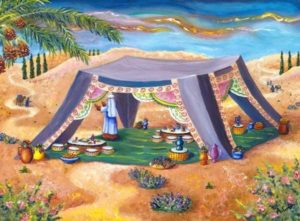 VaYera – Parasha PointersIn his commentary, both on this and on the previous Parasha, Rashi quotes Midrashim which suggest that Avraham questioned the importance of the circumcision and whether…By Rabbi Ovadia
 Selfish SodomMany believe that the sin of Sodom was Sodomy. That word was coined after the events described in Genesis (19:1-10): The messengers came to Sodom and…By Rabbi Ovadia
Comentarios sobre la parashá Vayera, en español.
Parashat Vayera - Weekday Hebrew Torah Reading (Sephardic style)
Parashat Vayera - English reading
Podcast: Parashat Vayera - The Power of Sephardic Hospitality and Avraham’s Open Tent
More in the Sephardic Media Library and on the Sephardic U podcast.