Sephardic Jews are the descendants of Jewish communities from the Iberian Peninsula. Following the expulsions from Spain in 1492 and Portugal in 1497, they spread across North Africa, the Ottoman Empire, and eventually to Europe and the Americas. Today, Sephardic Jews preserve centuries-old traditions in religious practice, language, music, and cuisine while contributing to the modern global Jewish community.
The word Sepharad appears in the Hebrew Bible and has long been associated with Spain. Jewish communities in Iberia flourished for centuries, creating a “Golden Age” of Jewish culture during which philosophy, poetry, medicine, and trade thrived. These communities were known for their scholarship, synagogues, and vibrant urban life.
The expulsions of 1492 (Spain) and 1497 (Portugal) forced Sephardic Jews to leave their ancestral homes. This watershed moment shaped Sephardic identity, creating a diaspora that spread across the Mediterranean and beyond, carrying traditions that continue to this day.
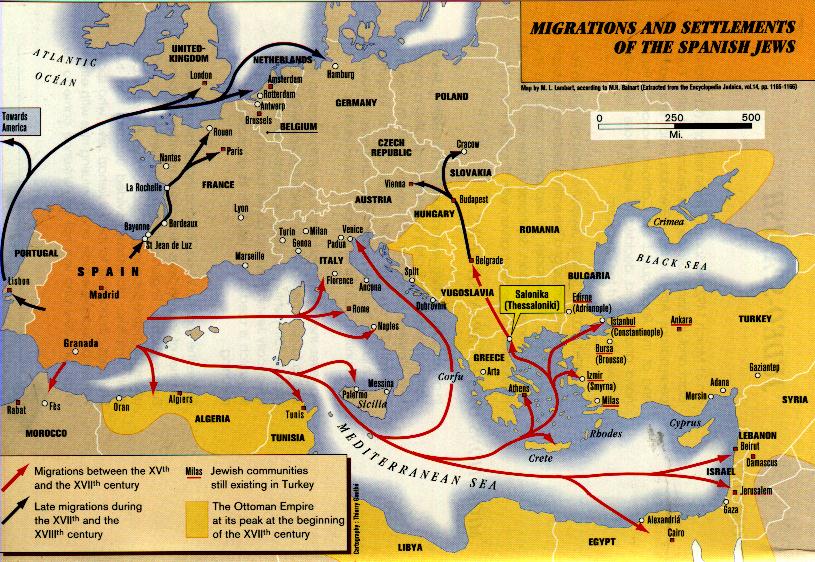
After leaving Iberia, Sephardic Jews settled in multiple regions:
North Africa: Morocco, Algeria, Tunisia, Libya — thriving communities in coastal cities.
Ottoman Empire: Turkey, the Balkans, Greece, and the Levant.
Western Europe: Italy, France, and the Netherlands.
Modern diaspora: Israel, France, the United States, Latin America, and other countries.
In each location, Sephardic Jews maintained their liturgy, culture, and languages while adapting to local customs. This adaptability helped preserve a strong sense of community across centuries and continents.
Sephardic Jews follow a distinct nusach (prayer rite), which differs from Ashkenazi rites in melody, order, and certain customs. These traditions are strongly influenced by rabbinic authorities such as Rabbi Yosef Karo, author of the Shulchan Aruch, whose codification of Jewish law shaped Sephardic practice worldwide.
Holiday observances, Torah chanting, and life-cycle rituals often include unique melodies called piyutim. Even as communities migrated and adapted, these liturgical traditions remained a unifying feature of Sephardic identity.

Language is central to Sephardic culture. Many communities historically spoke Ladino (Judeo-Spanish), a blend of medieval Spanish, Hebrew, and local languages. Other groups spoke Judeo-Arabic or unique regional dialects.
Music, food, and everyday customs also reflect this rich heritage. Traditional melodies combine Mediterranean, North African, and Iberian influences, while dishes like couscous, borekas, and sweet pastries connect families to their history. Storytelling, proverbs, and poetry further preserve Sephardic identity.
Modern terminology can be confusing. While “Sephardic” originally referred to Iberian-descended Jews, some use it broadly to include Jews from the Middle East and North Africa (Mizrahi).
Sephardic and Mizrahi practices often overlap, particularly in Israel, in areas such as liturgy, music, and communal holidays. Recognizing both distinctions and shared traditions helps preserve the richness of global Jewish culture.
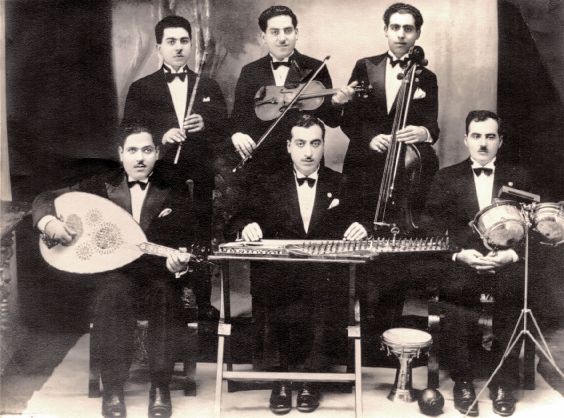
Sephardic Jews continue to celebrate their heritage worldwide. Synagogues, cultural organizations, educational programs, and community centers keep traditions alive. Families pass down recipes, music, and storytelling from generation to generation.
Descendants of Jews from Spain and Portugal who spread across North Africa, the Ottoman Empire, and beyond after the 15th-century expulsions.
Differences are mainly cultural and liturgical: prayer melodies, customs, and historical languages. Both share core Jewish law.
Historically many did. Today, Ladino survives in certain communities and cultural revival efforts.
Not exactly. Sephardic Jews descend from Iberian Jews, while Mizrahi Jews are from Middle Eastern/North African lands. Many practices overlap.