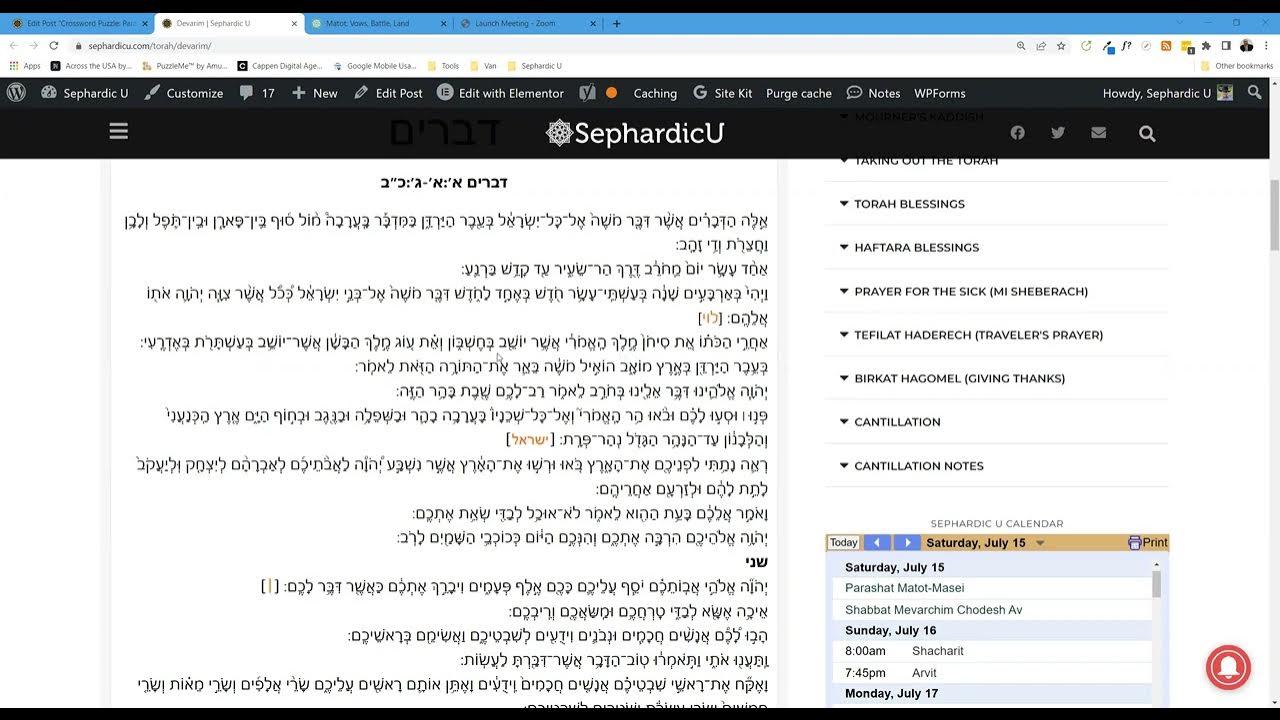
Weekday Torah Reading Parashat Devarim Sephardic style
[ad_1] Weekday Torah Reading Parashat Devarim Sephardic style [ad_2] Source link

[ad_1] Weekday Torah Reading Parashat Devarim Sephardic style [ad_2] Source link
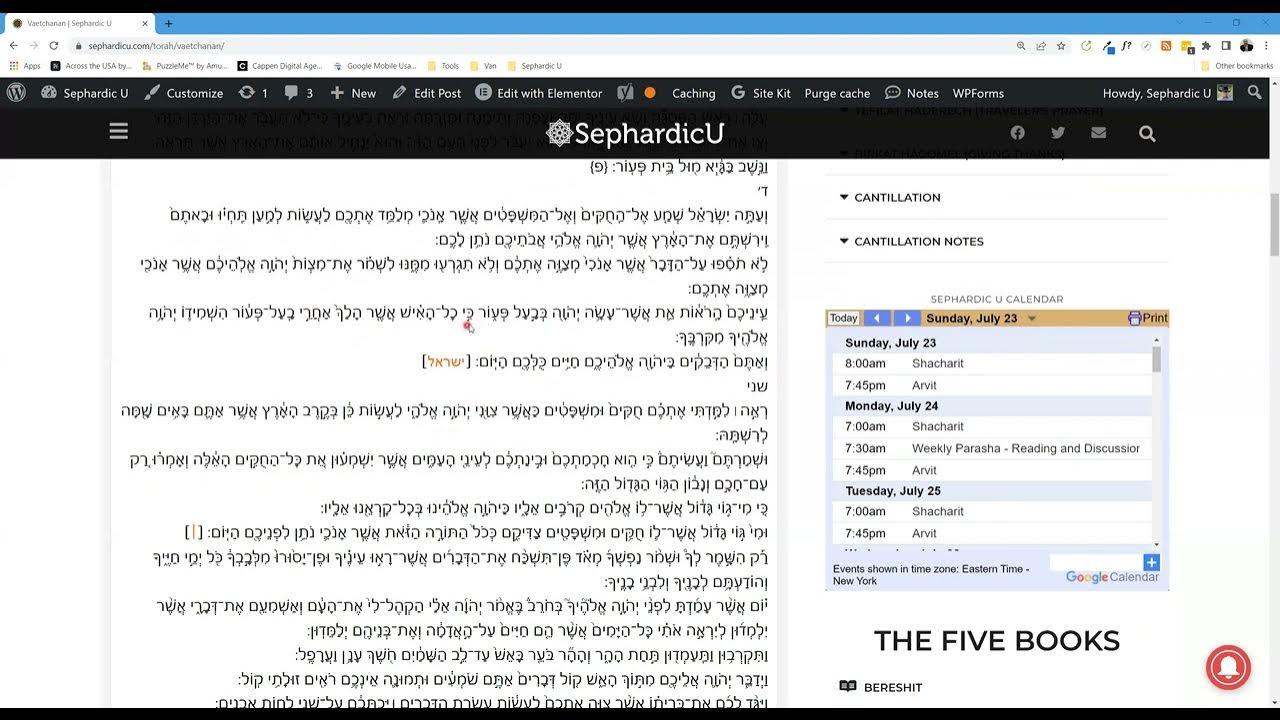
[ad_1] Weekday Torah Reading Parashat VaEtchanan Sephardic style [ad_2] Source link
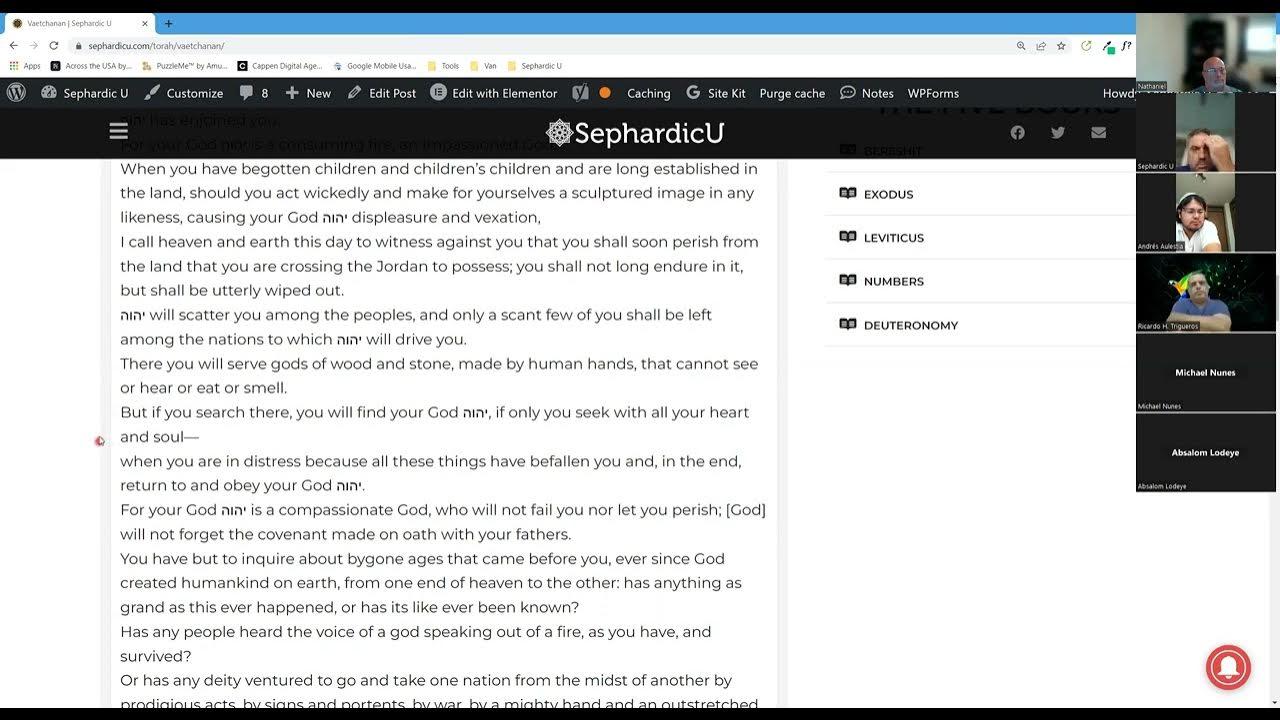
[ad_1] Parashat Vaetchanan: Weekly Torah Reading (English) [ad_2] Source link
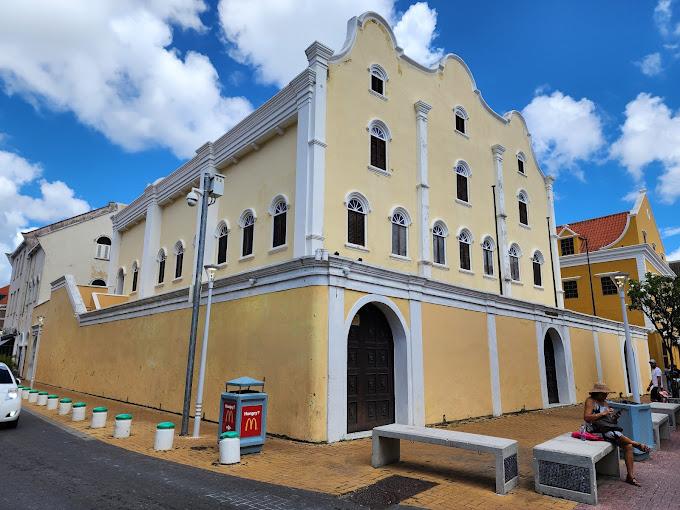
The Mikvé Israel-Emanuel Synagogue (Hebrew: בית הכנסת מקווה ישראל-עמנואל; English: The Hope of Israel-Emanuel Synagogue), in Willemstad, Curaçao, is the oldest surviving synagogue in the Americas.
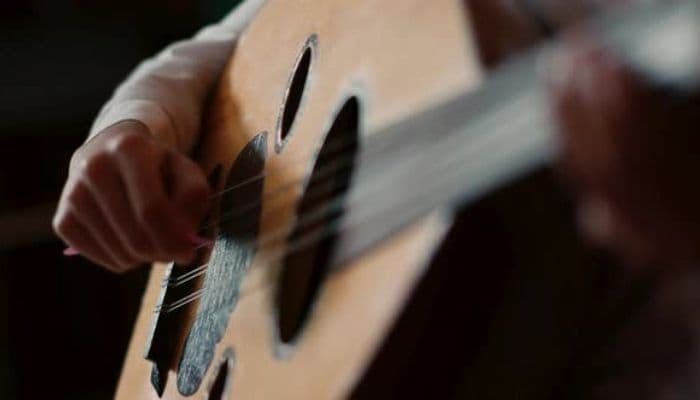
The majority of the Sephardic Jews’ extensive repertory has its origins in the Mediterranean area. In the secular tradition, material is often performed in Judeo-Spanish dialects.
At a time when the Jewish people in Israel and the Diaspora desperately need intellectually sophisticated rabbinic leadership, the current trends in Orthodox—Ashkenazic and Sephardic—rabbinic circles are moving in the wrong direction.
Sephardic U would like to thank AJC, the American Jewish Committee, for their efforts in bringing to light a series

Discover the foundational elements of Sephardic law and custom, tracing the historical and religious roots that define Sephardic halacha.
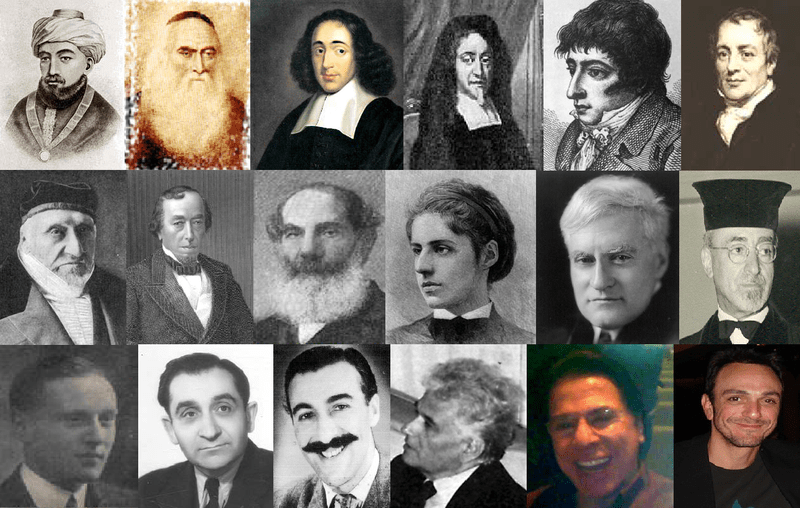
Meet influential figures who shaped Sephardic history, culture, and identity.
At first sight the laws of Nazir, detailed in Parashat Nasso, seem to suggest that the Torah encourages people to