Torah

The law of God as revealed to Moses and recorded in the first five books of the Hebrew scriptures (the Pentateuch). The Torah includes the first five books of the Hebrew Bible, namely: Genesis, Exodus, Leviticus, Numbers and Deuteronomy.

parashat emor

Parashat Emor: Priestly Rules

Emor (“Say”) opens with laws regulating priestly behavior, working in the Mishkan (Tabernacle), and consuming sacrifices and priestly food. It describes the biblical holidays of Passover, Shavuot, Rosh Hashanah, Yom Kippur, and Sukkot, and ends with a story about a blasphemer and his punishment.
Read More »
Kedoshim Learning the Laws of Holiness and the Concept of being Holy Art Station

Parashat Kedoshim: Holiness Code

Kedoshim (“Holy”) opens by instructing the Israelites to be holy. It details dozens of laws regulating all aspects of life, including observing Shabbat, loving one’s neighbor, and leaving portions of a field for the poor. It ends by detailing punishments for certain types of idolatry and sexual misconduct.

Read More »

Parashat Acharei Mot: Holiness & Atonement

Aharei Mot (“After The Death”) opens by describing the ritual service of Yom Kippur, the Day of Atonement. It then details the prohibitions of offering sacrifices outside of the Mishkan (Tabernacle) and of eating animal blood, and ends with a list of forbidden sexual relations.

Read More »

Parashat Metzora: Cleansing Rituals

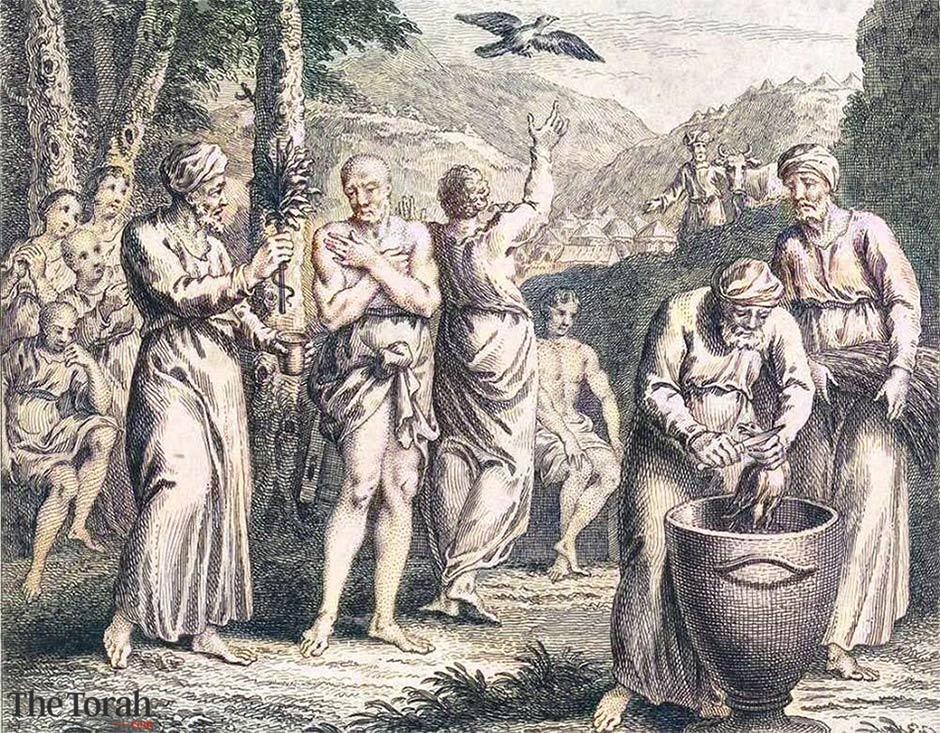
Metzora opens by describing the purification process and accompanying sacrifices for one infected with tzaraat, a discoloration condition on the skin. It then describes the process of treating a house infected with tzaraat and the ritual impurity generated by certain bodily discharges.

Read More »

Parashat Tazria: Laws of Purification

Tazria (“She Bears Seed”) opens by describing the purification process for a woman after childbirth. It then describes different forms of tzaraat, a discoloration condition on skin or clothing, and the requirement of an infected person to dwell alone outside the camp and be inspected by a priest.

Read More »
Parashat Shemini

Parashat Shemini: Tabernacle Sanctified

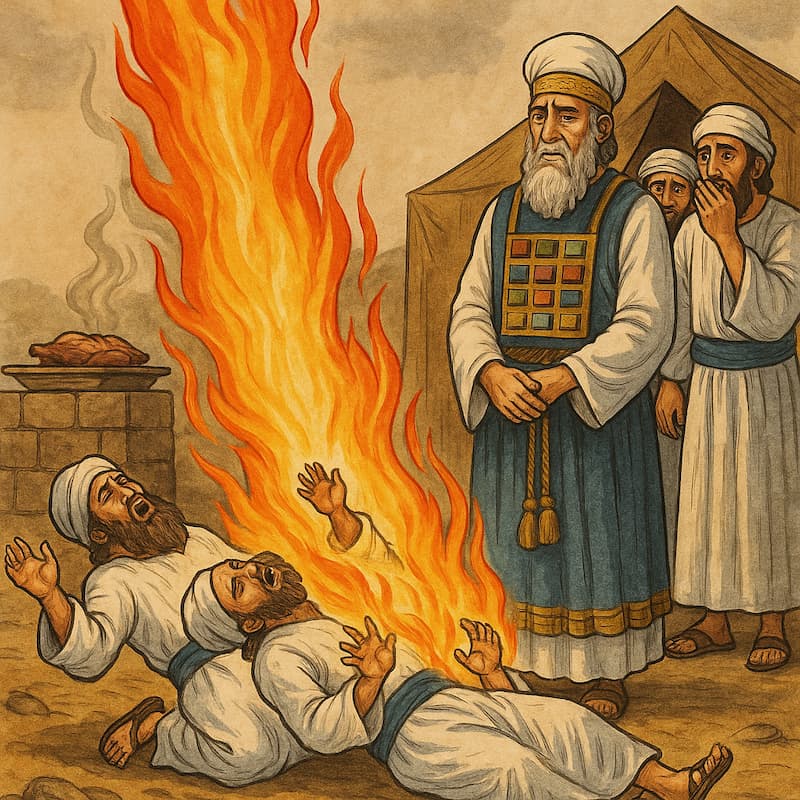
Shemini (“Eighth”) opens with the consecration of the Mishkan (Tabernacle). Two of Aaron’s sons are consumed by a fire sent from God when they attempt to offer a “strange fire.” God describes the animals, birds, and fish that are permissible and prohibited for consumption, as well as some laws of ritual purity.

Read More »
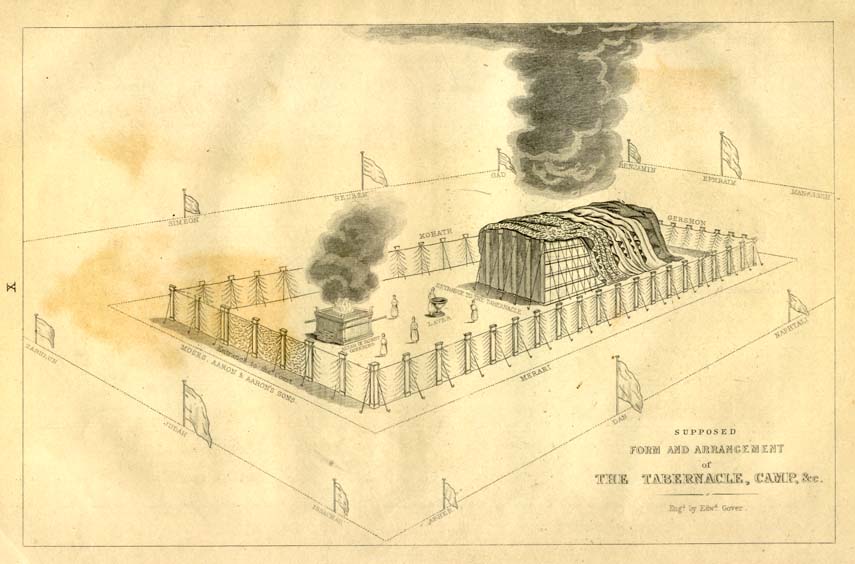
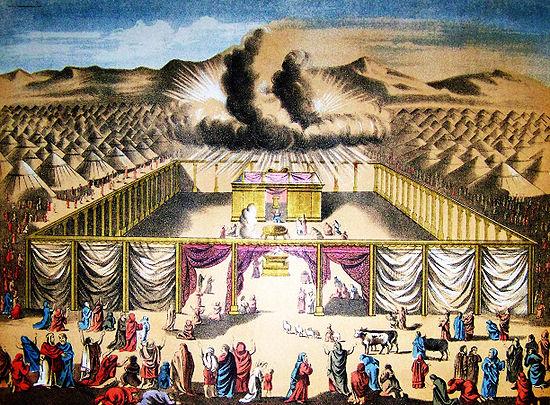
Parashat Tzav The Tabernacle and the Camp (19th Century drawing)

Parashat Tzav: Priestly Duties

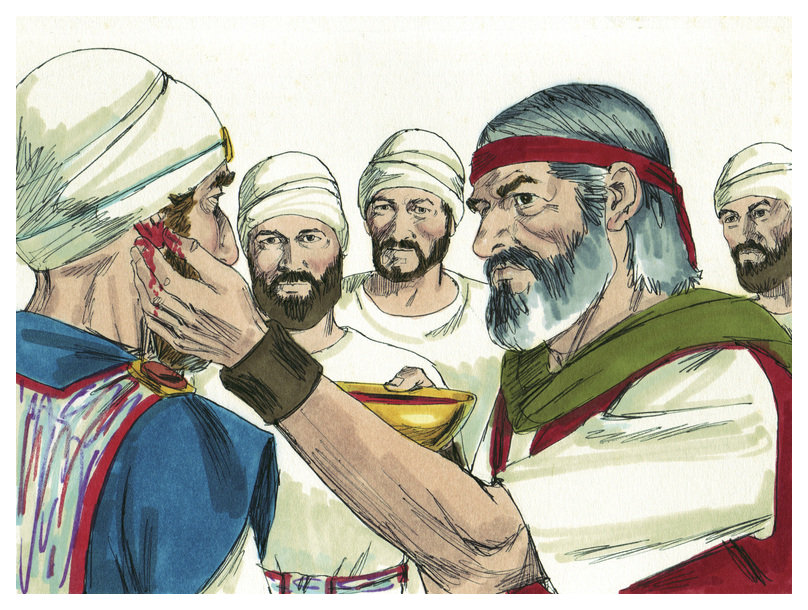
In Tzav (“Command”), God tells Moses about the sacrifices offered in the Mishkan (Tabernacle), including a meal offering brought by the high priest, guilt offerings, and offerings of thanks. Moses initiates Aaron and Aaron’s sons for priestly service in the Mishkan.

Read More »

Parashat Vayikra: Laws of Sacrifice

In Vayikra (“He Called”), the first Torah portion in the Book of Leviticus, God tells Moses about the sacrifices offered in the Mishkan (Tabernacle). Among these are sacrifices entirely burnt on the altar, meal offerings made of flour and oil, peace offerings, and sacrifices brought for sinning inadvertently.

Read More »
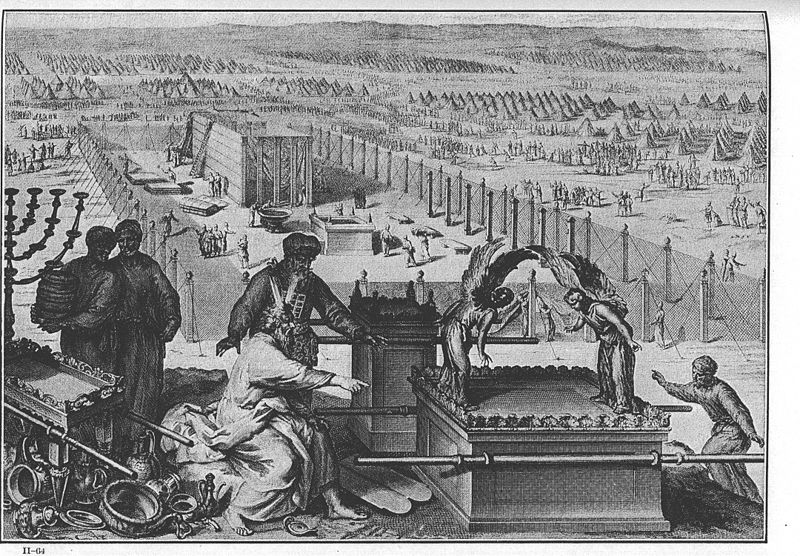
The Erection of the Tabernacle and the Sacred Vessels illustration from the 1728 Figures de la Bible

Parashat Vayakhel: Tabernacle Built

Vayakhel (“He Assembled”) opens as God commands the Israelites to observe the Sabbath. Moses asks for material donations for the building of the Mishkan (Tabernacle), and the people donate. A group of artisans designated by God begin building the Mishkan and its vessels.

Read More »
Browse Categories

Related