Mufleta
Thin crepes made from the first dough after Pesah, cooked one on top of another and served hot with butter and honey.

HolidaysThe night Pesah ends
Open doors, mufleta with honey and butter, tables of sweets, and the blessing "Terbhu u-tess'du."
NextBegins at nightfall Thursday, April 29, 2027, as Pesah ends
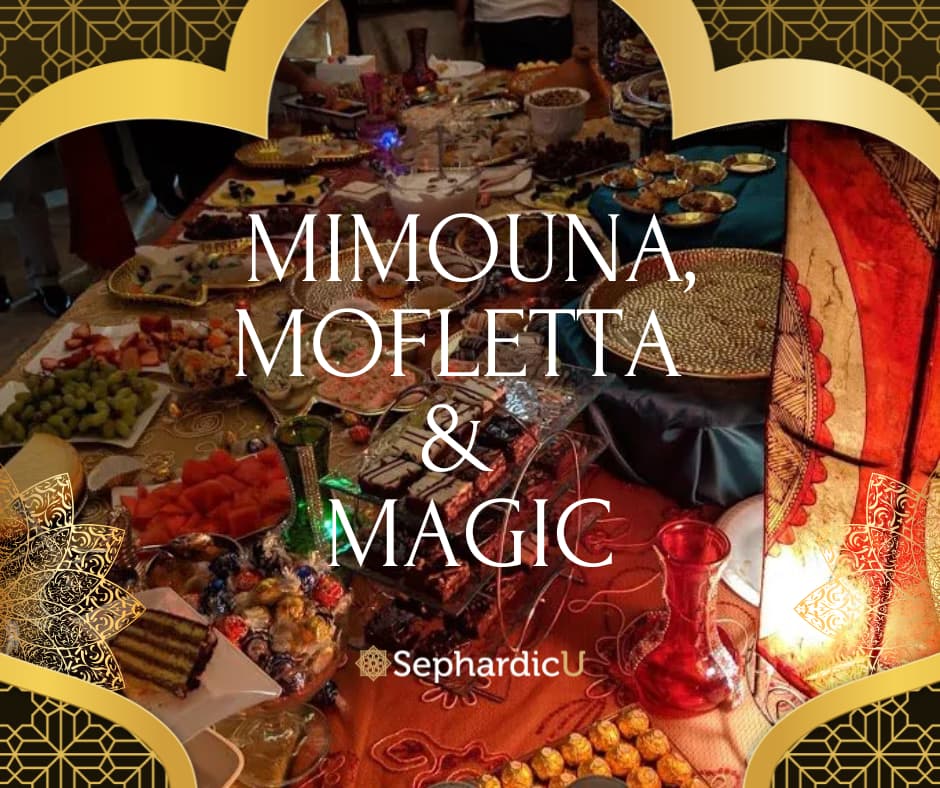
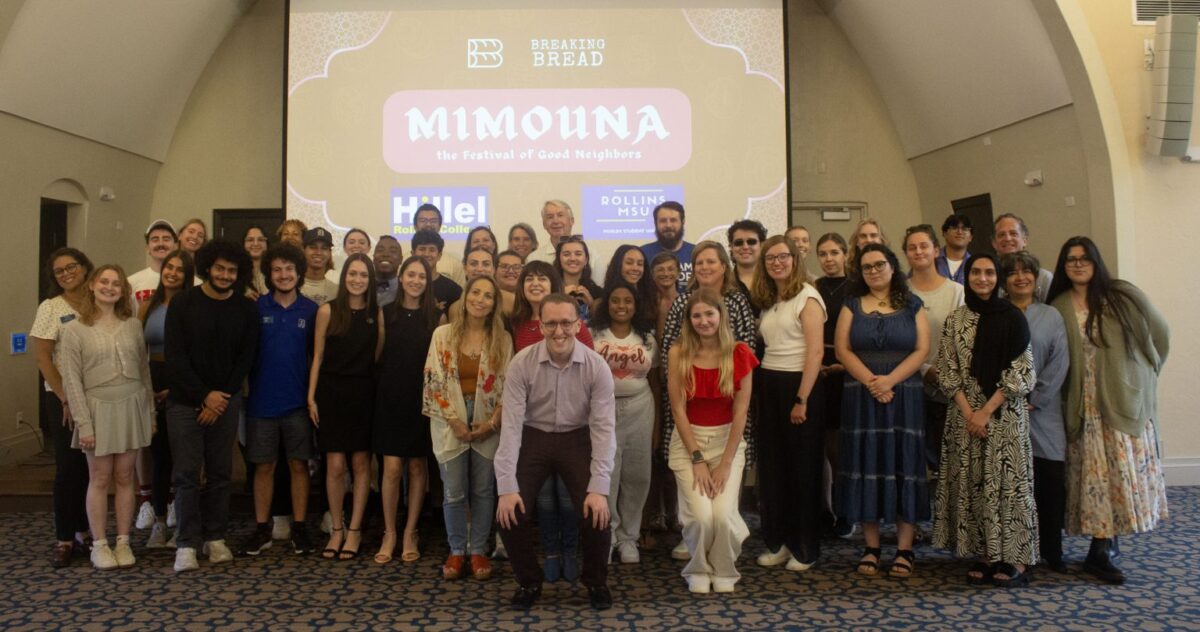
As soon as Pesah ends, Moroccan Jewish homes open their doors. Tables are set with sweets and symbols of blessing, and families walk from house to house wishing each other a year of plenty.
The origin of the name is debated: some connect it to the passing of Rabbi Maimon, the father of the Rambam; others to "emunah," faith, as Nisan is the month of the redemption; others to "mamon," prosperity.
In Morocco, Muslim neighbors often brought the first flour, yeast and milk after Pesah. The Mimouna is a festival of brotherhood, between Jews and with neighbors.
Symbols of blessing
Thin crepes made from the first dough after Pesah, cooked one on top of another and served hot with butter and honey.
The first leaven after Pesah, and white foods for a pure, sweet year.
Marzipan, jams of quince and orange, dates stuffed with almond paste, nuts and dried fruit.
Stalks of wheat, fava beans and green leaves for growth; sometimes a live fish, for fertility and blessing.
Coins or gold jewelry on the table, for prosperity.
The night and the day
The Judeo-Arabic blessing exchanged all night: "may you prosper and succeed." Many dress in traditional caftans.
Families visit relatives, neighbors and friends, and young people visit their elders for blessings.
In Morocco the next day was spent outdoors, by springs and in gardens. In Israel it became a day of picnics and large public celebrations.
The Mimouna was a traditional night for young people to meet, and for engagements.
Sephardic U media
Keep learning
Questions
On the night Pesah ends: after the eighth day outside Israel, after the seventh day in Israel.
A thin crepe made from the first dough after Pesah, stacked and served warm with butter and honey.
No one knows for certain. Explanations connect it to Rabbi Maimon, the Rambam's father, to emunah (faith), or to mamon (prosperity).
It began among Moroccan Jews; Algerian Jews held a similar night, and in Israel it is now celebrated by many communities.