
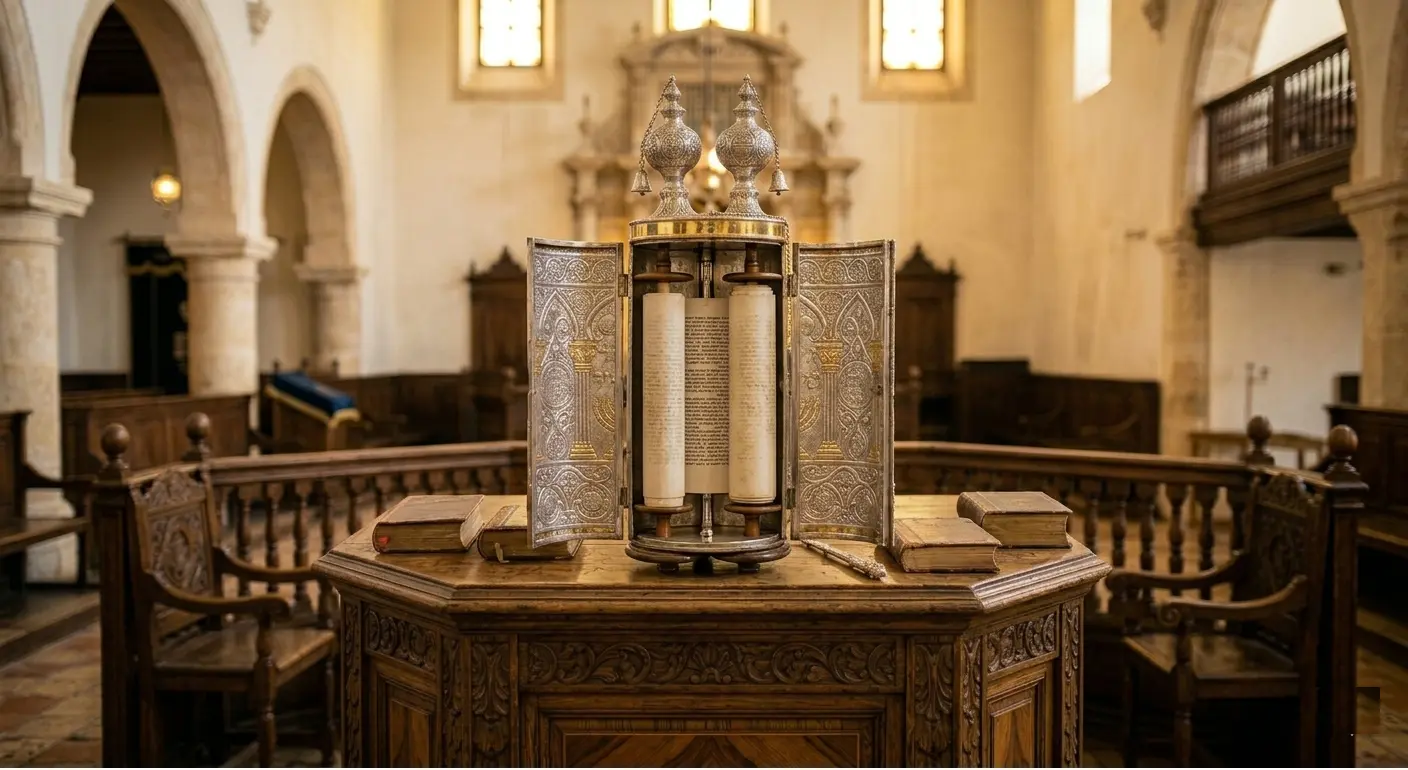


In the Sephardic tradition, the reading of the Torah (Keriat HaTorah) is the heartbeat of our communal prayer. It is not merely a rote repetition of texts, but a rhythmic engagement with the holiness of the calendar. To understand the weekday Torah service, we must look to the Halakha that guides our sacred service and the customs that bind our community together.
The Halakhic Structure of the Weekday Torah Service
The public reading of the Torah on Mondays and Thursdays is a foundational takanah (enactment). During these weekday services, we read three aliyot. In accordance with Sephardic practice, these three portions collectively represent the section that would constitute the first aliyah on Shabbat. By parsing this first portion into three parts, we maintain the continuity of the Parashah while adhering to the structure of the weekday prayer. [Explore our full repository of Torah readings and texts.
When Do We Read from the Torah on Weekdays?
Beyond the standard Monday and Thursday enactment, the Torah is brought out on days deemed significant by Halakha:
- Rosh Hodesh: When a new month occurs on a weekday, we read the specific sacrificial passages related to the day, which takes precedence over the standard weekday portion.
- Hol HaMoed: During the intermediate days of Sukkot and Pesach, the Torah is read daily to mark the holiness of the festival period.
- Hanukkah and Purim: These days mandate specific readings to commemorate the historical miracles of our people.
- Public Fast Days: On days such as Ta’anit Esther, Tzom Gedaliah, and Asara B’Tevet, we read from the Torah during both the morning and afternoon services. Visit our Learn hub for more on service structures and customs.
The Role of the Haftarah in Our Tradition
The Haftarah is a distinct takanah reserved for times of heightened sanctity, specifically Shabbat, Yom Tov, and specific fast days. It serves as a prophetic mirror to the Torah reading, providing spiritual context and moral instruction. On a typical weekday, the service is condensed to focus on the essential reading of the Torah; therefore, the Haftarah is not recited, as it is intrinsically linked to the fuller, seven-aliyah service of Shabbat or the specific obligations of a Festival.
Viduy Insertions: A Sephardic Path to Repentance
A crucial Sephardic custom that distinguishes our weekday service, particularly on Mondays and Thursdays, is the inclusion of Viduy (confessional prayers) within the Tachanun section following the Torah reading.
Viduy is a profound expression of communal humility and teshuva (repentance). When we recite these prayers, we are acknowledging our limitations and asking for divine favor. While the Torah reading itself connects us to the wisdom of the past, the Viduy connects us to the reality of the present, ensuring that our intellectual engagement with the text is balanced by a sincere spiritual awakening. Read more about our heritage and spiritual practices in our Customs section.
Conclusion
This structure—the disciplined weekday reading, the expansive Shabbat service, and the humble admission of our shortcomings through Viduy—is what defines the Sephardic rhythm. It is a system designed to keep us grounded in our heritage while providing the necessary spiritual markers to navigate our daily lives.