
Explore Sephardic Torah wisdom, weekly podcasts, and rich commentary.
Welcome to the central hub for Sephardic Torah study. Explore the current weekly portion through our unique lens of Halachic insights, traditional commentary, and timeless reflections.
Dive into the rich world of Sephardic heritage with our weekly podcast discussions. Each episode explores the Parasha of the Week, connecting timeless Torah lessons to modern life. We also delve into the unique customs and traditions of Sephardic communities in Morocco and beyond, offering real stories, voices, and occasional guest interviews that bring our culture to life.
🎙️ Live Episodes: Sundays at 8 AM Eastern Time
Quick Audio Resources:
Shabbat Times
Enhance your understanding of our daily and weekly communal services through Sephardic tradition and practice.
Understanding the Weekday Torah Service: Customs & Halakha
An authoritative guide on the structure of weekday aliyot, why we omit the Haftarah during the week, and the spiritual significance of our Viduy insertions.
Explore all 54 Torah studies and access specialized categories for in-depth learning, presented through a distinct Sephardic lens.
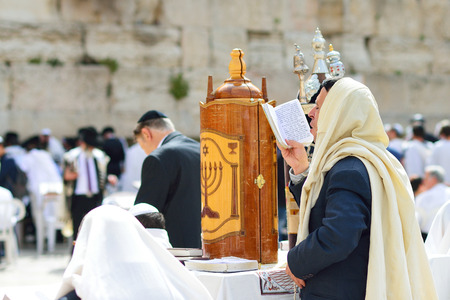
Uncover the profound wisdom of the Torah, constructed of five books—Genesis, Exodus, Leviticus, Numbers, and Deuteronomy—each comprising a collection of parashot, or weekly portions. These parashot delve into divine teachings, moral principles, historical accounts, and timeless guidance, forming a comprehensive framework for Jewish life. Through its compilation of narratives, laws, and poetry, the Torah inspires generations to seek wisdom, embrace spirituality, and uphold the values of justice, compassion, and holiness. Delve deeper into this profound text by selecting a Parasha from the full list here or explore specific themes and insights by selecting a tab below. Discover a treasury of wisdom that resonates across generations and illuminates the path of a meaningful Jewish journey.
| Genesis | Exodus | Leviticus | Numbers | Deuteronomy |
|---|---|---|---|---|
| Bereshit(1:1-6:8) | Shemot(1:1-6:1) | Vayikra(1:1-5:26) | Bemidbar(1:1-4:20) | Devarim(1:1-3:22) |
| Noach(6:9-11:32) | Va'era(6:2-9:35) | Tzav(6:1-8:36) | Naso(4:21-7:89) | Va'etchanan(3:23-7:11) |
| Lech Lecha(12:1-17:27) | Bo(10:1-13:16) | Shemini(9:1-11:47) | Behaalotecha(8:1-12:16) | Ekev(7:12-11:25) |
| Vayera(18:1-22:24) | Beshalach(13:17-17:16) | Tazria(12:1-13:59) | Shelach(13:1-15:41) | Re'eh(11:26-16:17) |
| Chaye Sarah(23:1-25:18) | Yitro(18:1-20:23) | Metzora(14:1-15:33) | Korach(16:1-18:32) | Shoftim(16:18-21:9) |
| Toledot(25:19-28:9) | Mishpatim(21:1-24:18) | Achare Mot(16:1-18:30) | Chukat(19:1-22:1) | Ki Tetze(21:10-25:19) |
| Vayetze(28:10-32:3) | Teruma(25:1-27:19) | Kedoshim(19:1-20:27) | Balak(22:2-25:9) | Ki Tavo(26:1-29:8) |
| Vayishlach(32:4-36:43) | Tetzave(27:20-30:10) | Emor(21:1-24:23) | Pinchas(25:10-30:1) | Nitzavim(29:9-30:20) |
| Vayeshev(37:1-40:23) | Ki Tisa(30:11-34:35) | Behar(25:1-26:2) | Matot(30:2-32:42) | Vayelech(31:1-30) |
| Miketz(41:1-44:17) | Vayakhel(35:1-38:20) | Bechukotai(26:3-27:34) | Masei(33:1-36:13) | Haazinu(32:1-52) |
| Vayigash(44:18-47:27) | Pekude(38:21-40:38) | V'Zot HaBeracha(33:1-34:12) | ||
| Vayechi(47:28-50:26) |
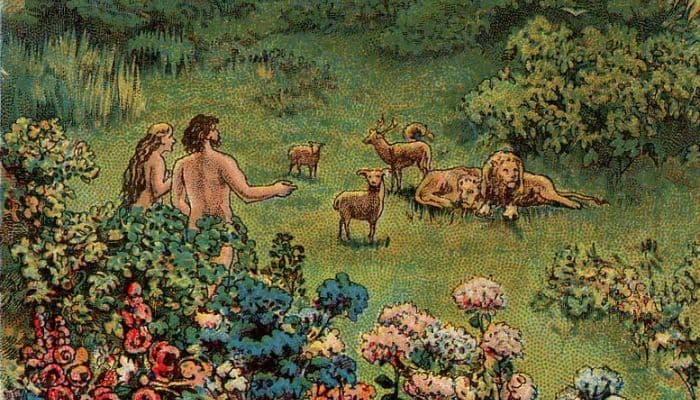
Genesis (“Bereshit”) is the first book of the Torah, Judaism’s foundational text, and the only one consisting almost entirely of stories, with just three explicit laws. It tells of the origins of mankind and the Israelites, with stories on creation, Adam and Eve, Noah’s ark, the patriarchs and matriarchs – Abraham and Sarah, Isaac and Rebecca, Jacob, Leah and Rachel – and Joseph and his brothers. Its narratives depict figures as they encounter God, face wandering and exile, and grapple with conflict in family relationships.
| Parasha | Summary |
|---|---|
| Bereshit (1:1-6:8) |
Excerpt: In the beginning, God created the heavens and the earth... Highlights:
|
| Noach (6:9-11:32) |
Excerpt: These are the generations of Noah... Highlights:
|
| Lech Lecha (12:1-17:27) |
Excerpt: Now the Lord said to Abram, "Go from your country..." Highlights:
|
| Vayera (18:1-22:24) |
Excerpt: And the Lord appeared to him by the oaks of Mamre... Highlights:
|
| Chaye Sarah (23:1-25:18) |
Excerpt: Sarah lived 127 years; these were the years of the life of Sarah... Highlights:
|
| Toledot (25:19-28:9) |
Excerpt: These are the generations of Isaac, Abraham's son... Highlights:
|
| Vayetze (28:10-32:3) |
Excerpt: Jacob left Beersheba and went toward Haran... Highlights:
|
| Vayishlach (32:4-36:43) |
Excerpt: Jacob sent messengers before him to Esau his brother... Highlights:
|
| Vayeshev (37:1-40:23) |
Excerpt: Jacob settled in the land of Canaan... Highlights:
|
| Miketz (41:1-44:17) |
Excerpt: At the end of two full years, Pharaoh had a dream... Highlights:
|
| Vayigash (44:18-47:27) |
Excerpt: Then Judah went up to him and said... Highlights:
|
| Vayechi (47:28-50:26) |
Excerpt: Jacob lived in the land of Egypt seventeen years... Highlights:
|
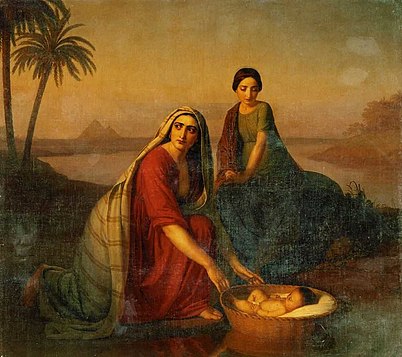
Exodus (“Shemot”) is the second book of the Torah, Judaism’s foundational text. It describes the Israelites’ enslavement in Egypt and their miraculous redemption through ten plagues and the splitting of the Red Sea. Under the leadership of Moses, they begin their travels in the desert, where they experience God’s revelation and receive the Ten Commandments at Mount Sinai, and build the Mishkan (Tabernacle). Interspersed throughout the book are more than 100 commandments.
| Parasha | Summary |
|---|---|
| Shemot (1:1-6:1) |
Excerpt: These are the names of the sons of Israel who came to Egypt with Jacob... Highlights:
|
| Va'era (6:2-9:35) |
Excerpt: God spoke to Moses and said to him, "I am the Lord. I appeared to Abraham..." Highlights:
|
| Bo (10:1-13:16) |
Excerpt: Then the Lord said to Moses, "Go to Pharaoh, for I have hardened his heart..." Highlights:
|
| Beshalach (13:17-17:16) |
Excerpt: And it came to pass when Pharaoh let the people go, that God led them... Highlights:
|
| Yitro (18:1-20:23) |
Excerpt: Now Jethro, the priest of Midian and father-in-law of Moses, heard of everything... Highlights:
|
| Mishpatim (21:1-24:18) |
Excerpt: These are the laws you are to set before them... Highlights:
|
| Teruma (25:1-27:19) |
Excerpt: The Lord said to Moses, "Tell the Israelites to bring me an offering..." Highlights:
|
| Tetzave (27:20-30:10) |
Excerpt: "Command the Israelites to bring you clear oil of pressed olives..." Highlights:
|
| Ki Tisa (30:11-34:35) |
Excerpt: Then the Lord said to Moses, "When you take a census..." Highlights:
|
| Vayakhel (35:1-38:20) |
Excerpt: Moses assembled the whole Israelite community and said to them... Highlights:
|
| Pekude (38:21-40:38) |
Excerpt: These are the accounts of the Tabernacle... Highlights:
|
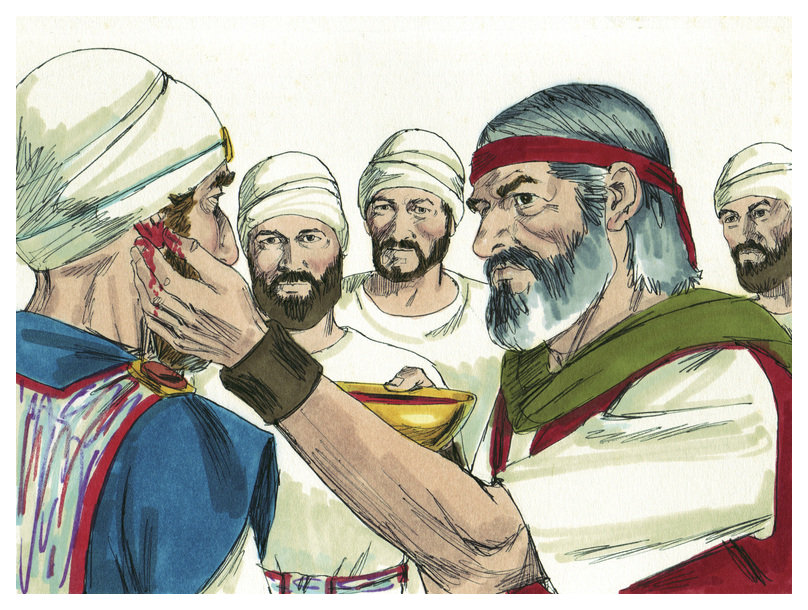
Leviticus (“Vayikra”) is the third book of the Torah. It primarily delineates the details of sacrificial worship in the Mishkan (Tabernacle), a temporary and portable sanctuary built to serve God in the desert. It also discusses impurity and purification, Yom Kippur, the festivals, forbidden relationships, dietary laws, and various ethical and agricultural laws. Though its topics are diverse, the book is unified by the theme of holiness in people, time, and space.
| Parasha | Summary |
|---|---|
| Vayikra (1:1-5:26) |
Excerpt: The Lord called to Moses and spoke to him from the tent of meeting... Highlights:
|
| Tzav (6:1-8:36) |
Excerpt: The Lord said to Moses, "Give Aaron and his sons this command..." Highlights:
|
| Shemini (9:1–11:47) |
Excerpt: On the eighth day Moses summoned Aaron and his sons and the elders... Highlights:
|
| Tazria (12:1-13:59) |
Excerpt: The Lord said to Moses, "Say to the Israelites: 'A woman who...'" Highlights:
|
| Metzora (14:1–15:33) |
Excerpt: The Lord said to Moses and Aaron, "When anyone has a swelling..." Highlights:
|
| Achare Mot (16:1–18:30) |
Excerpt: The Lord spoke to Moses after the death of Aaron's two sons... Highlights:
|
| Kedoshim (19:1–20:27) |
Excerpt: The Lord said to Moses, "Speak to the entire assembly of..." Highlights:
|
| Emor (21:1–24:23) |
Excerpt: The Lord said to Moses, "Speak to the priests, the sons..." Highlights:
|
| Behar (25:1-26:2) |
Excerpt: The Lord said to Moses on Mount Sinai, "Speak to the..." Highlights:
|
| Bechukotai (26:3-27:34) |
Excerpt: If you follow my decrees and are careful to obey... Highlights:
|
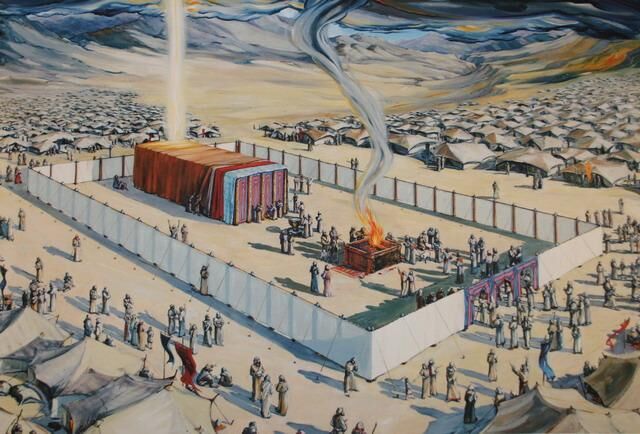
Numbers (“Bemidbar”) is the fourth book of the Torah, Judaism’s foundational text. It describes events from 40 years of the Israelites’ wanderings in the desert, beginning with a census and preparations for entering Israel. The book continues to detail a series of complaints, sins, punishments, and an attempted rebellion. Commandments are interspersed throughout, and the book ends by listing places that the Israelites traveled and delineating Israel’s boundaries.
| Parasha | Summary |
|---|---|
| Bemidbar (1:1–4:20) |
Excerpt: The Lord spoke to Moses in the Tent of Meeting... Highlights:
|
| Naso (4:21–7:89) |
Excerpt: The Lord said to Moses, "Take a census of the..." Highlights:
|
| Behaalotecha (8:1–12:16) |
Excerpt: The Lord said to Moses, "Speak to Aaron and say..." Highlights:
|
| Shelach (13:1–15:41) |
Excerpt: The Lord said to Moses, "Send some men to explore..." Highlights:
|
| Korach (16:1–18:32) |
Excerpt: Korah son of Izhar, the son of Kohath, the son... Highlights:
|
| Chukat (19:1–22:1) |
Excerpt: The Lord said to Moses and Aaron, "This is a..." Highlights:
|
| Balak (22:2–25:9) |
Excerpt: Balak son of Zippor saw all that Israel had... Highlights:
|
| Pinchas (25:10–30:1) |
Excerpt: The Lord said to Moses, "Phinehas son of Eleazar..." Highlights:
|
| Matot (30:2–32:42) |
Excerpt: Moses said to the heads of the tribes of... Highlights:
|
| Masei (33:1–36:13) |
Excerpt: These are the stages in the journey of the... Highlights:
|
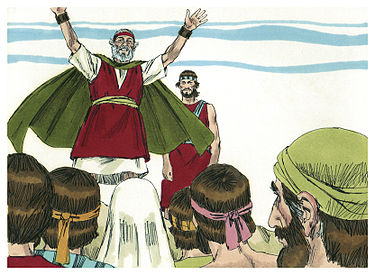
Deuteronomy (“Devarim”) is the fifth and last book of the Torah, primarily consisting of Moses’ final speeches ahead of his death. He reminds the Israelites of seminal events that happened in the desert, like the sin of the spies, the giving of the Torah, and the sin of the Golden Calf. He also reviews old laws, introduces new laws to follow as the Israelites enter Israel, and emphasizes the importance of faithfulness to God.
| Parasha | Summary |
|---|---|
| Devarim (1:1–3:22) |
Excerpt: These are the words that Moses spoke to all... Highlights:
|
| Va'etchanan (3:23–7:11) |
Excerpt: I pleaded with the Lord at that time, saying,... Highlights:
|
| Ekev (7:12–11:25) |
Excerpt: If you pay attention to these laws and are... Highlights:
|
| Re'eh (11:26–16:17) |
Excerpt: See, I am setting before you today a... Highlights:
|
| Shoftim (16:18–21:9) |
Excerpt: Appoint judges and officials for each of your... Highlights:
|
| Ki Tetze (21:10–25:19) |
Excerpt: When you go to war against your enemies... Highlights:
|
| Ki Tavo (26:1-29:8) |
Excerpt: When you have entered the land the Lord... Highlights:
|
| Nitzavim (29:9-30:20) |
Excerpt: You are standing here in order to enter... Highlights:
|
| Vayelech (31:1-30) |
Excerpt: Then Moses went out and spoke these words... Highlights:
|
| Haazinu (32:1-52) |
Excerpt: Give ear, O heavens, and I will speak;... Highlights:
|
| V'Zot HaBeracha (33:1-34:12) |
Excerpt: This is the blessing with which Moses... Highlights:
|
Uncover the profound wisdom of the Torah, constructed of five books—Genesis, Exodus, Leviticus, Numbers, and Deuteronomy—each comprising a collection of parashot, or weekly portions. These parashot delve into divine teachings, moral principles, historical accounts, and timeless guidance, forming a comprehensive framework for Jewish life. Through its compilation of narratives, laws, and poetry, the Torah inspires generations to seek wisdom, embrace spirituality, and uphold the values of justice, compassion, and holiness. Delve deeper into this profound text by selecting a Parasha from the full list here or explore specific themes and insights by selecting a tab below. Discover a treasury of wisdom that resonates across generations and illuminates the path of a meaningful Jewish journey.
| Genesis | Exodus | Leviticus | Numbers | Deuteronomy |
|---|---|---|---|---|
| Bereshit (1:1-6:8) |
Shemot (1:1-6:1) |
Vayikra (1:1-5:26) |
Bemidbar (1:1-4:20) |
Devarim (1:1-3:22) |
| Noach (6:9-11:32) |
Va'era (6:2-9:35) |
Tzav (6:1-8:36) |
Naso (4:21-7:89) |
Va'etchanan (3:23-7:11) |
| Lech Lecha (12:1-17:27) |
Bo (10:1-13:16) |
Shemini (9:1-11:47) |
Behaalotecha (8:1-12:16) |
Ekev (7:12-11:25) |
| Vayera (18:1-22:24) |
Beshalach (13:17-17:16) |
Tazria (12:1-13:59) |
Shelach (13:1-15:41) |
Re'eh (11:26-16:17) |
| Chaye Sarah (23:1-25:18) |
Yitro (18:1-20:23) |
Metzora (14:1-15:33) |
Korach (16:1-18:32) |
Shoftim (16:18-21:9) |
| Toledot (25:19-28:9) |
Mishpatim (21:1-24:18) |
Achare Mot (16:1-18:30) |
Chukat (19:1-22:1) |
Ki Tetze (21:10-25:19) |
| Vayetze (28:10-32:3) |
Teruma (25:1-27:19) |
Kedoshim (19:1-20:27) |
Balak (22:2-25:9) |
Ki Tavo (26:1-29:8) |
| Vayishlach (32:4-36:43) |
Tetzave (27:20-30:10) |
Emor (21:1-24:23) |
Pinchas (25:10-30:1) |
Nitzavim (29:9-30:20) |
| Vayeshev (37:1-40:23) |
Ki Tisa (30:11-34:35) |
Behar (25:1-26:2) |
Matot (30:2-32:42) |
Vayelech (31:1-30) |
| Miketz (41:1-44:17) |
Vayakhel (35:1-38:20) |
Bechukotai (26:3-27:34) |
Masei (33:1-36:13) |
Haazinu (32:1-52) |
| Vayigash (44:18-47:27) |
Pekude (38:21-40:38) |
V'Zot HaBeracha (33:1-34:12) |
||
| Vayechi (47:28-50:26) |
Genesis (“Bereshit”) is the first book of the Torah, Judaism’s foundational text, and the only one consisting almost entirely of stories, with just three explicit laws. It tells of the origins of mankind and the Israelites, with stories on creation, Adam and Eve, Noah’s ark, the patriarchs and matriarchs – Abraham and Sarah, Isaac and Rebecca, Jacob, Leah and Rachel – and Joseph and his brothers. Its narratives depict figures as they encounter God, face wandering and exile, and grapple with conflict in family relationships.
| Parasha | Summary |
|---|---|
|
Bereshit (1:1-6:8) |
Excerpt: In the beginning, God created the heavens and the earth...
Highlights:
|
|
Noach (6:9-11:32) |
Excerpt: These are the generations of Noah...
Highlights:
|
|
Lech Lecha (12:1-17:27) |
Excerpt: Now the Lord said to Abram, "Go from your country and your kindred and your father's house..."
Highlights:
|
|
Vayera (18:1-22:24) |
Excerpt: And the Lord appeared to him by the oaks of Mamre, as he sat at the door of his tent in the heat of the day...
Highlights:
|
|
Chaye Sarah (23:1-25:18) |
Excerpt: Sarah lived 127 years; these were the years of the life of Sarah...
Highlights:
|
|
Toledot (25:19-28:9) |
Excerpt: These are the generations of Isaac, Abraham's son...
Highlights:
|
|
Vayetze (28:10-32:3) |
Excerpt: Jacob left Beersheba and went toward Haran...
Highlights:
|
|
Vayishlach (32:4-36:43) |
Excerpt: Jacob sent messengers before him to Esau his brother...
Highlights:
|
|
Vayeshev (37:1-40:23) |
Excerpt: Jacob settled in the land of his father's sojournings, in the land of Canaan...
Highlights:
|
|
Miketz (41:1-44:17) |
Excerpt: At the end of two full years, Pharaoh had a dream...
Highlights:
|
|
Vayigash (44:18-47:27) |
Excerpt: Then Judah went up to him and said...
Highlights:
|
|
Vayechi (47:28-50:26) |
Excerpt: Jacob lived in the land of Egypt seventeen years...
Highlights:
|
Exodus (“Shemot”) is the second book of the Torah, Judaism’s foundational text. It describes the Israelites’ enslavement in Egypt and their miraculous redemption through ten plagues and the splitting of the Red Sea. Under the leadership of Moses, they begin their travels in the desert, where they experience God’s revelation and receive the Ten Commandments at Mount Sinai, and build the Mishkan (Tabernacle). Interspersed throughout the book are more than 100 commandments.
| Parasha | Summary |
|---|---|
|
Shemot (1:1-6:1) |
Excerpt: These are the names of the sons of Israel who came to Egypt with Jacob...
Highlights:
|
|
Va'era (6:2-9:35) |
Excerpt: God spoke to Moses and said to him, "I am the Lord. I appeared to Abraham...
Highlights:
|
|
Bo (10:1-13:16) |
Excerpt: Then the Lord said to Moses, "Go to Pharaoh, for I have hardened his heart...
Highlights:
|
|
Beshalach (13:17-17:16) |
Excerpt: And it came to pass when Pharaoh let the people go, that God led them...
Highlights:
|
|
Yitro (18:1-20:23) |
Excerpt: Now Jethro, the priest of Midian and father-in-law of Moses, heard of everything...
Highlights:
|
|
Mishpatim (21:1-24:18) |
Excerpt: These are the laws you are to set before them...
Highlights:
|
|
Teruma (25:1-27:19) |
Excerpt: The Lord said to Moses, "Tell the Israelites to bring me an offering...
Highlights:
|
|
Tetzave (27:20-30:10) |
Excerpt: "Command the Israelites to bring you clear oil of pressed olives...
Highlights:
|
|
Ki Tisa (30:11-34:35) |
Excerpt: Then the Lord said to Moses, "When you take a census...
Highlights:
|
|
Vayakhel (35:1-38:20) |
Excerpt: Moses assembled the whole Israelite community and said to them...
Highlights:
|
|
Pekude (38:21-40:38) |
Excerpt: These are the accounts of the Tabernacle...
Highlights:
|
Leviticus (“Vayikra”) is the third book of the Torah. It primarily delineates the details of sacrificial worship in the Mishkan (Tabernacle), a temporary and portable sanctuary built to serve God in the desert. It also discusses impurity and purification, Yom Kippur, the festivals, forbidden relationships, dietary laws, and various ethical and agricultural laws. Though its topics are diverse, the book is unified by the theme of holiness in people, time, and space.
| Parasha | Summary |
|---|---|
|
Vayikra (1:1-5:26) |
Excerpt: The Lord called to Moses and spoke to him from the tent of meeting...
Highlights:
|
|
Tzav (6:1-8:36) |
Excerpt: The Lord said to Moses, "Give Aaron and his sons this command...
Highlights:
|
|
Shemini (9:1–11:47) |
Excerpt: On the eighth day Moses summoned Aaron and his sons and the elders...
Highlights:
|
|
Tazria (12:1-13:59) |
Excerpt: The Lord said to Moses, "Say to the Israelites: 'A woman who...
Highlights:
|
|
Metzora (14:1–15:33) |
Excerpt: The Lord said to Moses and Aaron, "When anyone has a swelling...
Highlights:
|
|
Achare Mot (16:1–18:30) |
Excerpt: The Lord spoke to Moses after the death of Aaron's two sons...
Highlights:
|
|
Kedoshim (19:1–20:27) |
Excerpt: The Lord said to Moses, "Speak to the entire assembly of...
Highlights:
|
|
Emor (21:1–24:23) |
Excerpt: The Lord said to Moses, "Speak to the priests, the sons...
Highlights:
|
|
Behar (25:1-26:2) |
Excerpt: The Lord said to Moses on Mount Sinai, "Speak to the...
Highlights:
|
|
Bechukotai (26:3-27:34) |
Excerpt: If you follow my decrees and are careful to obey...
Highlights:
|
Numbers (“Bemidbar”) is the fourth book of the Torah, Judaism’s foundational text. It describes events from 40 years of the Israelites’ wanderings in the desert, beginning with a census and preparations for entering Israel. The book continues to detail a series of complaints, sins, punishments, and an attempted rebellion. Commandments are interspersed throughout, and the book ends by listing places that the Israelites traveled and delineating Israel’s boundaries.
| Parasha | Summary |
|---|---|
|
Bemidbar (1:1–4:20) |
Excerpt: The Lord spoke to Moses in the Tent of Meeting...
Highlights:
|
|
Naso (4:21–7:89) |
Excerpt: The Lord said to Moses, "Take a census of the...
Highlights:
|
|
Behaalotecha (8:1–12:16) |
Excerpt: The Lord said to Moses, "Speak to Aaron and say...
Highlights:
|
|
Shelach (13:1–15:41) |
Excerpt: The Lord said to Moses, "Send some men to explore...
Highlights:
|
|
Korach
(16:1–18:32) |
Excerpt: Korah son of Izhar, the son of Kohath, the son...
Highlights:
|
|
Chukat (19:1–22:1) |
Excerpt: The Lord said to Moses and Aaron, "This is a...
Highlights:
|
|
Balak (22:2–25:9) |
Excerpt: Balak son of Zippor saw all that Israel had...
Highlights:
|
|
Pinchas (25:10–30:1) |
Excerpt: The Lord said to Moses, "Phinehas son of Eleazar...
Highlights:
|
|
Matot (30:2–32:42) |
Excerpt: Moses said to the heads of the tribes of...
Highlights:
|
|
Masei (33:1–36:13) |
Excerpt: These are the stages in the journey of the...
Highlights:
|
Deuteronomy (“Devarim”) is the fifth and last book of the Torah, primarily consisting of Moses’ final speeches ahead of his death. He reminds the Israelites of seminal events that happened in the desert, like the sin of the spies, the giving of the Torah, and the sin of the Golden Calf. He also reviews old laws, introduces new laws to follow as the Israelites enter Israel, and emphasizes the importance of faithfulness to God.
| Parasha | Summary |
|---|---|
|
Devarim (1:1–3:22) |
Excerpt: These are the words that Moses spoke to all...
Highlights:
|
|
Va'etchanan (3:23–7:11) |
Excerpt: I pleaded with the Lord at that time, saying,...
Highlights:
|
|
Ekev (7:12–11:25) |
Excerpt: If you pay attention to these laws and are...
Highlights:
|
|
Re'eh (11:26–16:17) |
Excerpt: See, I am setting before you today a...
Highlights:
|
|
Shoftim (16:18–21:9) |
Excerpt: Appoint judges and officials for each of your...
Highlights:
|
|
Ki Tetze (21:10–25:19) |
Excerpt: When you go to war against your enemies...
Highlights:
|
|
Ki Tavo (26:1-29:8) |
Excerpt: When you have entered the land the Lord...
Highlights:
|
|
Nitzavim (29:9-30:20) |
Excerpt: You are standing here in order to enter...
Highlights:
|
|
Vayelech (31:1-30) |
Excerpt: Then Moses went out and spoke these words...
Highlights:
|
|
Haazinu (32:1-52) |
Excerpt: Give ear, O heavens, and I will speak;...
Highlights:
|
|
V'Zot HaBeracha (33:1-34:12) |
Excerpt: This is the blessing with which Moses...
Highlights:
|
Discover curated articles and written posts on specific lessons in Halakha, Midrash, Kabbalah, and more. This section also includes Rabbi Ovadia’s dedicated podcast series and embedded media, offering deep insights into subjects that complement the weekly Parasha.
The Torah (תּוֹרָה), meaning “Instruction” or “Teaching,” is the central, foundational document of Judaism, embodying the Divine will and wisdom revealed to the Jewish people. In its broadest sense, the Torah encompasses the entire body of Jewish teaching, tradition, and law. It is traditionally understood as having two interdependent components: the Written Torah (תּוֹרָה שֶׁבִּכְתָב) and the Oral Torah (תּוֹרָה שֶׁבְּעַל פֶּה).
This refers specifically to the Five Books of Moses (the Pentateuch), traditionally revealed by God to Moses on Mount Sinai. These five books are collectively known in Hebrew as the Chumash (חֻמָּשׁ) or the Five Books of Moses (חֲמִשָּׁה חֻמְּשֵׁי תוֹרָה).
The structure of the Chumash is:
The weekly reading of these five books constitutes the Parasha cycle, which is completed every year in Jewish communities worldwide.
To correctly understand and apply the commandments and narratives of the Written Torah, the Oral Torah is indispensable. This body of tradition, interpretation, and legal clarification was transmitted verbally from Moses through the generations until it was finally compiled and committed to writing to ensure its preservation.
Mishnah (מִשְׁנָה): The foundational compilation of Jewish legal commentary and tradition, redacted by Rabbi Judah the Prince (Judah HaNasi) around 200 CE.
Gemara (גְּמָרָא): The extensive commentary and analysis of the Mishnah.
Talmud (תַּלְמוּד): The composite work combining the Mishnah and the Gemara. The two primary versions are the Babylonian Talmud (תַּלְמוּד בַּבְלִי) and the Jerusalem Talmud (תַּלְמוּד יְרוּשַׁלְמִי).
Midrash (מִדְרָשׁ): Homiletic and exegetical interpretations, often focusing on the narrative or ethical dimensions of the Written Torah.
Responsa Literature (She’elot u’Teshuvot) (שְׁאֵלוֹת וּתְשׁוּבוֹת): The vast body of written legal decisions and replies to specific Halakhic questions by rabbinic authorities over time, forming the basis for ongoing legal development, especially within the Sephardic tradition.
Through the continuous study of both the Written and Oral Torah—supplemented by the insights of Sephardic luminaries like the Rambam (Maimonides) and the Ben Ish Hai—we connect timeless instruction to contemporary life.