Understanding the Weekday Torah Service: Customs & Halakha

Discover the Halakhic structure of our weekday Torah service, why we omit the Haftarah, and the significance of Viduy in Sephardic tradition.
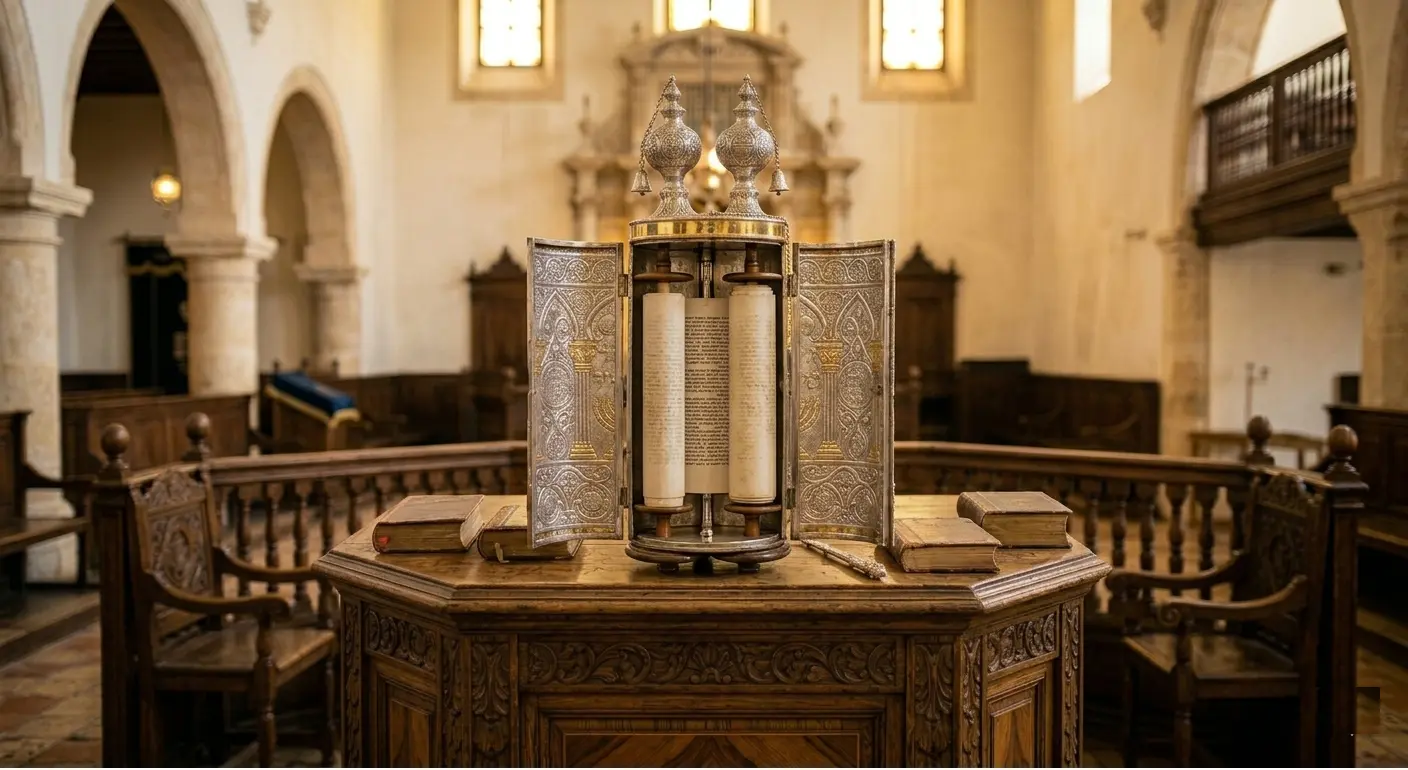
An open, ornate silver and gold Sephardic Torah case (Tik) reveals the parchment scroll and Hebrew calligraphy on a hexagonal wooden Bimah, resting with a silver Yad pointer and prayer books in a historic synagogue.

Relevant

Sephardic Selichot Prayers

Selichot

Discover Sephardic prayers, melodies, and liturgy.

virtual minyan

Virtual Minyan? Yes!

Can a virtual Minyan be considered a Minyan? This article examines various Jewish perspectives during the COVID-19 pandemic.

image of indians and pilgrams sharing Thanksgiving meal

Thanksgiving Practices and Prayers

There are those who say that one should not celebrate Thanksgiving because of the atrocities committed against the original inhabitants of the land, the Native Americans. It is true that this is a shameful chapter in American history, and one which should never be forgotten. However, the main idea of the holiday is to give thanks for the opportunity to find refuge from the religious and oppressive regimes of the Old World. One should therefore tell the full story of Native Americans on Thanksgiving, and find a way to contribute towards causes important to them.

In the Sephardic tradition, the reading of the Torah (Keriat HaTorah) is the heartbeat of our communal prayer. It is not merely a rote repetition of texts, but a rhythmic engagement with the holiness of the calendar. To understand the weekday Torah service, we must look to the Halakha that guides our sacred service and the customs that bind our community together.

The Halakhic Structure of the Weekday Torah Service

The public reading of the Torah on Mondays and Thursdays is a foundational takanah (enactment). During these weekday services, we read three aliyot. In accordance with Sephardic practice, these three portions collectively represent the section that would constitute the first aliyah on Shabbat. By parsing this first portion into three parts, we maintain the continuity of the Parashah while adhering to the structure of the weekday prayer. [Explore our full repository of Torah readings and texts.

When Do We Read from the Torah on Weekdays?

Beyond the standard Monday and Thursday enactment, the Torah is brought out on days deemed significant by Halakha:

  • Rosh Hodesh: When a new month occurs on a weekday, we read the specific sacrificial passages related to the day, which takes precedence over the standard weekday portion.
  • Hol HaMoed: During the intermediate days of Sukkot and Pesach, the Torah is read daily to mark the holiness of the festival period.
  • Hanukkah and Purim: These days mandate specific readings to commemorate the historical miracles of our people.
  • Public Fast Days: On days such as Ta’anit Esther, Tzom Gedaliah, and Asara B’Tevet, we read from the Torah during both the morning and afternoon services. Visit our Learn hub for more on service structures and customs.

The Role of the Haftarah in Our Tradition

The Haftarah is a distinct takanah reserved for times of heightened sanctity, specifically Shabbat, Yom Tov, and specific fast days. It serves as a prophetic mirror to the Torah reading, providing spiritual context and moral instruction. On a typical weekday, the service is condensed to focus on the essential reading of the Torah; therefore, the Haftarah is not recited, as it is intrinsically linked to the fuller, seven-aliyah service of Shabbat or the specific obligations of a Festival.

Viduy Insertions: A Sephardic Path to Repentance

A crucial Sephardic custom that distinguishes our weekday service, particularly on Mondays and Thursdays, is the inclusion of Viduy (confessional prayers) within the Tachanun section following the Torah reading.

Viduy is a profound expression of communal humility and teshuva (repentance). When we recite these prayers, we are acknowledging our limitations and asking for divine favor. While the Torah reading itself connects us to the wisdom of the past, the Viduy connects us to the reality of the present, ensuring that our intellectual engagement with the text is balanced by a sincere spiritual awakening. Read more about our heritage and spiritual practices in our Customs section.

Conclusion

This structure—the disciplined weekday reading, the expansive Shabbat service, and the humble admission of our shortcomings through Viduy—is what defines the Sephardic rhythm. It is a system designed to keep us grounded in our heritage while providing the necessary spiritual markers to navigate our daily lives.

Resources

Mourner’s Kaddish (Kaddish Yatom), traditionally said by mourners––that is, those who have lost a parent during the previous eleven months or a child, sibling, or spuce during the last thirty days––and by those observing the anniversary of the death of those close relatives. (In many contemporary communities, the full congregation says it in support of the mourners, and in memory of the six million Jews who perished during the Holocaust, assuming that at least one died on any given day.) The mourners Kaddish omits lines 7 and 8 of the Full Kaddish that asks God to answer our prayers, because presumably, God did not grant the mourner’s prayers that the relative recover and live).
 
אבל: יִתְגַּדַּל וְיִתְקַדַּשׁ שְׁמֵהּ רַבָּא
[קהל: אמן]
בְּעָלְמָא דִּי בְרָא כִרְעוּתֵהּ וְיַמְלִיךְ מַלְכוּתֵהּ בְּחַיֵּיכון וּבְיומֵיכון וּבְחַיֵּי דְכָל בֵּית יִשרָאֵל בַּעֲגָלָא וּבִזְמַן קָרִיב, וְאִמְרוּ אָמֵן: [קהל: אמן]
קהל ואבל: יְהֵא שְׁמֵהּ רַבָּא מְבָרַךְ לְעָלַם וּלְעָלְמֵי עָלְמַיָּא
אבל: יִתְבָּרַךְ וְיִשְׁתַּבַּח וְיִתְפָּאַר וְיִתְרומַם וְיִתְנַשּא וְיִתְהַדָּר וְיִתְעַלֶּה וְיִתְהַלָּל שְׁמֵהּ דְּקֻדְשָׁא. בְּרִיךְ הוּא. [קהל: בריך הוא:]
לְעֵלָּא מִן כָּל בִּרְכָתָא בעשי”ת: לְעֵלָּא לְעֵלָּא מִכָּל וְשִׁירָתָא תֻּשְׁבְּחָתָא וְנֶחֱמָתָא דַּאֲמִירָן בְּעָלְמָא. וְאִמְרוּ אָמֵן: [קהל: אמן]
יְהֵא שְׁלָמָא רַבָּא מִן שְׁמַיָּא וְחַיִּים עָלֵינוּ וְעַל כָּל יִשרָאֵל. וְאִמְרוּ אָמֵן: [קהל: אמן]
עושה שָׁלום בִּמְרומָיו הוּא יַעֲשה שָׁלום עָלֵינוּ וְעַל כָּל יִשרָאֵל וְאִמְרוּ אָמֵן: [קהל: אמן]

וְזֹ֖את הַתּוֹרָ֑ה אֲשֶׁר־שָׂ֣ם מֹשֶׁ֔ה לִפְנֵ֖י בְּנֵ֥י יִשְׂרָאֵֽל׃ תּוֹרָ֥ה צִוָּה־לָ֖נוּ מֹשֶׁ֑ה מוֹרָשָׁ֖ה קְהִלַּ֥ת יַעֲקֹֽב׃ הָאֵל֮ תָּמִ֢ים דַּ֫רְכּ֥וֹ אִמְרַֽת־יְהֹוָ֥ה צְרוּפָ֑ה מָגֵ֥ן ה֝֗וּא לְכֹ֤ל ׀ הַחֹסִ֬ים בּֽוֹ׃

Before reading the Torah:
הַשֵּׁם עִמָּכֶם.
יְבָרֶכְךָ הַשֵּׁם.
 

 .בָּרְכוּ אֶת יְהֹוָה הַמְּבֹרָךְ
.בָּרוּךְ יְהֹוָה הַמְּבֹרָךְ לְעוֹלָם וָעֶד

בָּרוּךְ אַתָּה יְהֹוָה, אֱלֹהֵינוּ מֶלֶךְ הָעוֹלָם, אֲשֶׁר בָּחַר בָּנוּ מִכָּל הָעַמִּים וְנָתַן לָנוּ אֶת תּוֹרָתוֹ. בָּרוּךְ אַתָּה יְהֹוָה, נוֹתֵן הַתּוֹרָה:
 אמן.

After reading the Torah:

בָּרוּךְ אַתָּה יְהֹוָה, אֱלֹהֵינוּ מֶלֶךְ הָעוֹלָם, אֲשֶׁר נָתַן לָנוּ אֶת תּוֹרָתוֹ תּוֹרַת אֱמֶת, וְחַיֵּי עוֹלָם נָטַע בְּתוֹכֵנוּ. בָּרוּךְ אַתָּה יְהֹוָה, נוֹתֵן הַתּוֹרָה:
אמן.

Beracha recited before the reading of the Haftara:

Mi Sheberach, the Jewish prayer for healing, is one of the most meaningful prayers in Judaism. It is a public prayer or blessing for an individual or group, most often recited in synagogue when the Torah is being read. 

He who blessed our fathers Abraham, Isaac and Jacob, Moses and Aaron, David and Solomon, may he heal ___ who is ill. May the Holy One, blessed be he, have mercy and speedily restore him to perfect health, both spiritual and physical; and let us say, Amen.

מִי שֶׁבֵּרַךְ אֲבוֹתֵֽינוּ, אַבְרָהָם יִצְחָק וְיַעֲקֹב, משֶׁה וְאַהֲרֹן, דָּוִד וּשְׁלֹמֹה, הוּא יְבָרֵךְ וִירַפֵּא אֶת הַחוֹלֶה ___. הַקָּדוֹשׁ בָּרוּךְ הוּא יִמָּלֵא רַחֲמִים עָלָיו לְהַחֲלִימוֹ וּלְרַפֹּאתוֹ, לְהַחֲזִיקוֹ וּלְהַחֲיוֹתוֹ, וְיִשְׁלַח לוֹ מְהֵרָה רְפוּאָה שְׁלֵמָה, רְפוּאַת הַנֶּֽפֶשׁ וּרְפוּאַת הַגּוּף; וְנֹאמַר אָמֵן.

Tefilat HaDerech (Hebrew: תפילת הדרך), also known as the Traveler’s Prayer or Wayfarer’s Prayer in English, is a prayer for safe travel recited by Jews when traveling by air, sea, or long car trips. It is recited at the start of every journey, preferably standing, but this is not required. It is frequently inscribed on hamsas, which may also include the Shema or Birkat HaBayit prayer.

In the “Blessing of Thanksgiving” (Birkat HaGomel), persons in four different categories should express gratitude to God for His compassion toward them:
One who has done one of the following: a) traveled across the ocean (by an international flight, etc.); b) traversed the desert; c) recovered from a very serious illness; d) been released from prison.
All other potentially fatal circumstances that one escapes, such as a wall crumbling on him, an ox goring him, thieves, auto accidents, etc., fall under the category of desert.

The reader recites:

בָּרוּךְ אַתָּה ה’ אֱלֹהֵינוּ מֶלֶךְ הָעוֹלָם הַגּוֹמֵל לְחַיָּבִים טוֹבוֹת שֶׁגְּמָלַנִי כָּל טוֹב.

 
The congregations responds:

מִי שֶׁגְמַלְךָ כֹּל טוֹב הוּא יִגְמַלְךָ כֹּל טוֹב סֶלָה.

NameSymbolSephardi
Sof passukב׃‎סוֹף פָּסֽוּק‎
Sof pasuk
Etnachtaב֑‎אַתְנָ֑ח‎
Atnaḥ
Segolב֒‎סְגוֹלְתָּא֒‎
Segolta
Shalsheletב֓‎שַׁלְשֶׁ֓לֶת‎
Šalšeleþ
Zakef katanב֔‎זָקֵף קָט֔וֹן‎
Záqéf Qáţown
Zakef gadolב֕‎זָקֵף גָּד֕וֹל‎
Záqéf Ggádowl
Tifchaב֖‎טַרְחָ֖א‎
Tarḥa
Riviaב֗‎רְבִ֗יע‎
Revia
Zarkaב֮‎זַרְקָא֮‎
Zarqa
Pashtaב֙‎קַדְמָא֙‎
Qadma
Shene pashtinב֨‎ב֙‎תְּרֵ֨י קַדְמִין֙‎
Tere qadmin
Yetivב֚‎יְ֚תִיב‎
Yetiv
Tevirב֛‎תְּבִ֛יר‎
Tviyr
Pazerב֡‎פָּזֶר גָּד֡וֹל‎
Pazer gadol
Qarne farahב֟‎קַרְנֵי פָרָ֟ה‎
Qarne farah
Telisha gedolaב֠‎תִּ֠רְצָה‎
Tirtzah
Gereshב֜‎גְּרִ֜ישׁ‎
Gerish
Gershayimב֞‎שְׁנֵי גְרִישִׁ֞ין‎
Shene gerishin
Munachב׀‎פָּסֵ֣ק׀‎
Paseq
Merchaב֥‎מַאֲרִ֥יךְ‎
Maarich
Munachב֣‎שׁוֹפָר הוֹלֵ֣ךְ‎
Shofar holech
Mahpachב֤‎‏(שׁוֹפָר) מְהֻפָּ֤ךְ‎
(Shofar) mehuppach
Dargaב֧‎דַּרְגָּ֧א‎
Ddarggá
Kadmaב֨‎אַזְלָ֨א or קַדְמָ֨א‎
Azla or Qadma[18]
Telisha ketanaב֩‎תַּלְשָׁא֩‎
Talsha
Mercha kefulaב֦‎תְּרֵי טַעֲמֵ֦י‎
Tere ta’ame
Yerach ben yomoב֪‎יֵרֶח בֶּן יוֹמ֪וֹ‎
Yeraḥ ben yomo

Spanish-Portuguese custom

זַרְקָא֮ מַקַּף־שׁוֹפָר־הוֹלֵ֣ךְ סְגוֹלְתָּא֒ פָּזֵר גָּד֡וֹל
תַ֠לְשָׁא תִּ֩ילְשָׁא אַזְלָ֨א גֵּ֜רֵישׁ פָּסֵק  ׀  רָבִ֗יעַ שְׁנֵי־גֵרֵישִׁ֞ין
דַּרְגָ֧א תְּבִ֛יר מַאֲרִ֥יךְ טַרְחָ֖א אַתְנָ֑ח שׁוֹפָר־מְהֻפָּ֤ךְ
קַדְמָא֙ תְּרֵ֨י־קַדְמִין֙ זָקֵף־קָט֔וֹן זָקֵף־גָּד֕וֹל שַׁלְשֶׁ֓לֶת
תְּרֵי־טַעֲמֵ֦י יְ֚תִיב סוֹף־פָּסֽוּק׃

Sephardic U Calendar