Mizrahi, from the Hebrew word for "eastern," is the name used today for the Jewish communities of the Middle East, Central Asia and the Caucasus whose roots there go back to antiquity: the Jews of Iraq, Kurdistan, Iran, Bukhara, Georgia and Yemen. Most had little or no Iberian ancestry. Many adopted Sephardi law and prayer over the centuries, and each kept customs, languages and melodies of its own, from the Aramaic of Kurdistan to the Judeo-Persian of Bukhara. Almost all of these communities moved to Israel in the 20th century.
The line between "Sephardi" and "Mizrahi" is not sharp, and the terms are used differently in Israel and elsewhere. New to the subject? Start with Who are Sephardic Jews?
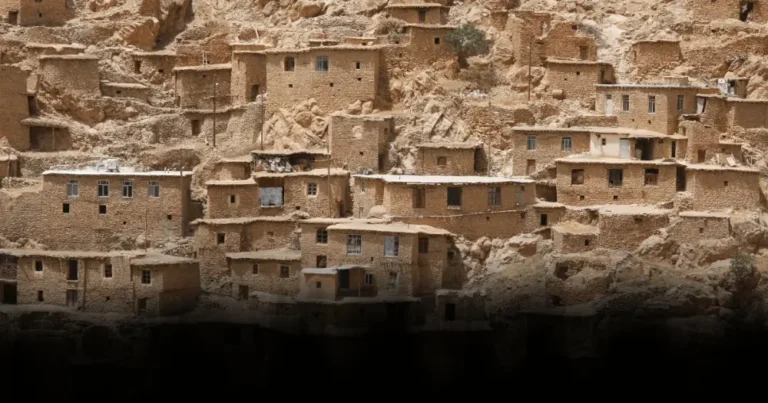
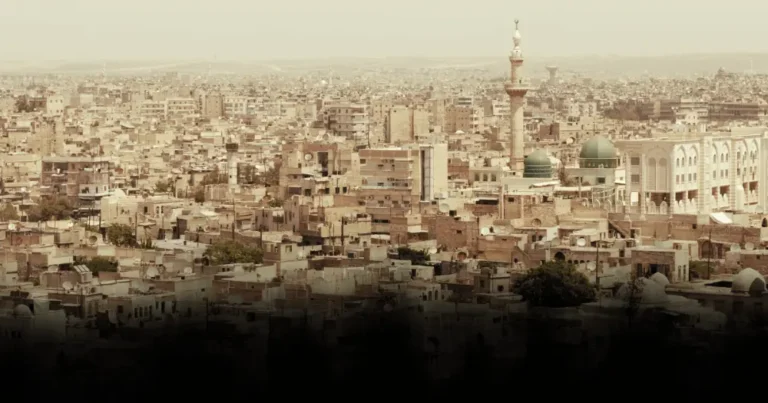
Babylon's Jews, who produced the Talmud, and the Aramaic-speaking Jews of the Kurdish mountains.
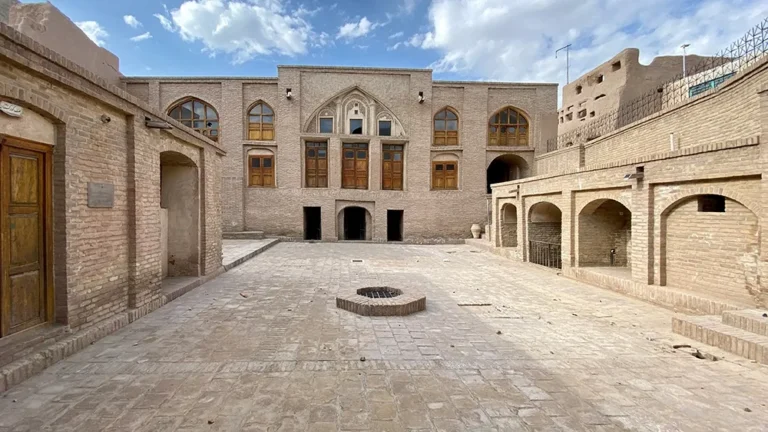
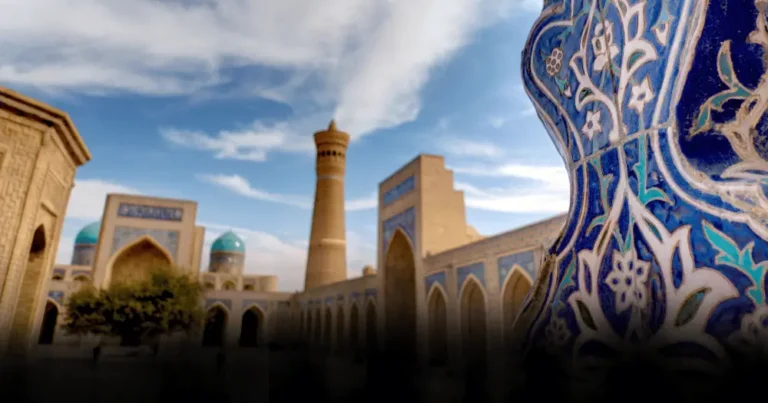
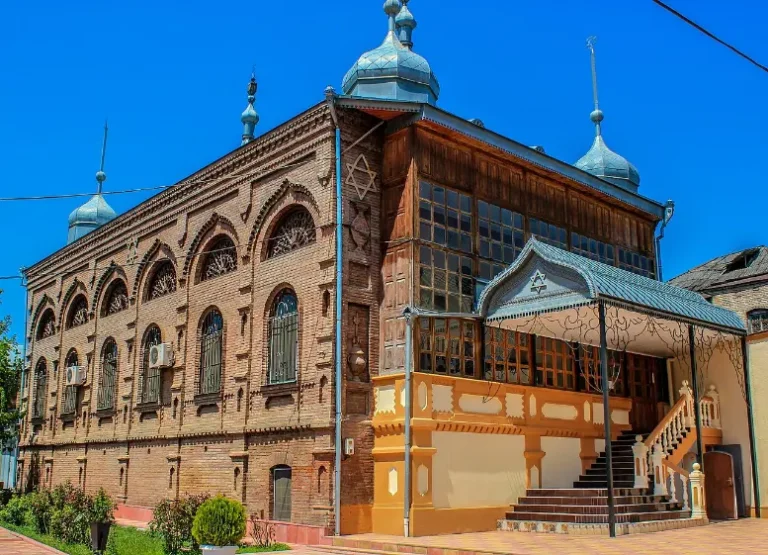
Persian Jewry and its neighbors: the Jews of Iran, Afghanistan, Bukhara, Georgia and the Caucasus mountains.
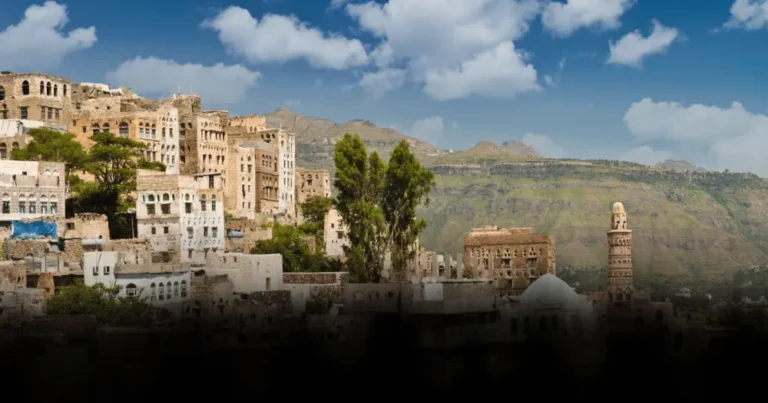
One of the most isolated Jewish communities, with its own rite, pronunciation and poetry.
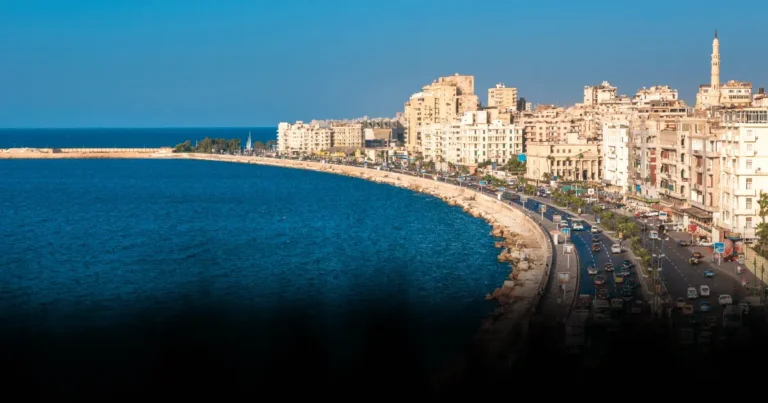
Arabic-speaking communities where Spanish exiles joined older local Jews. They are on our Sephardi pages.
The descendants of the Spanish and Portuguese exiles are on the Sephardic communities page, including Eastern Sephardim and North African Sephardim. Communities with their own distinct histories, such as the Jews of Ethiopia, India and China, are under Other communities.