Sephardic Jews take their name from Sepharad, the Hebrew name for Spain. After the massacres of 1391 and the expulsions from Spain in 1492 and Portugal in 1497, the exiles and the conversos who later returned to Judaism rebuilt their lives across North Africa, the Ottoman Empire, Western Europe and the Americas. Wherever they settled, their law, liturgy and rabbinic tradition shaped the communities they joined.
What still unites them: prayer in the Sephardi rite, Jewish law as codified by Rabbi Joseph Karo in the Shulchan Aruch, and languages carried out of Iberia, Judeo-Spanish in the East and Haketia in northern Morocco. New to the subject? Start with Who are Sephardic Jews?
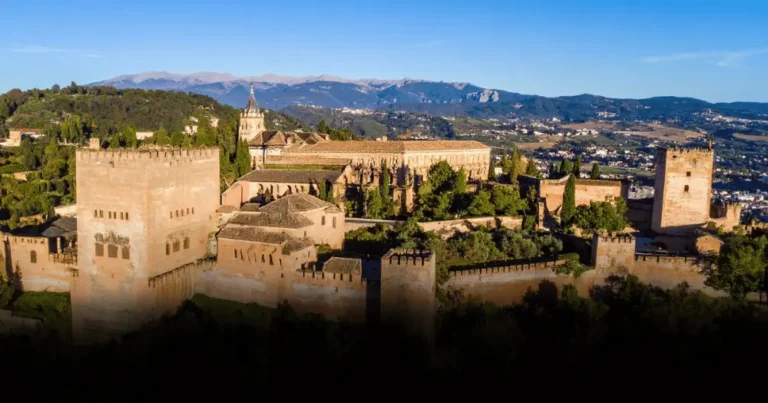
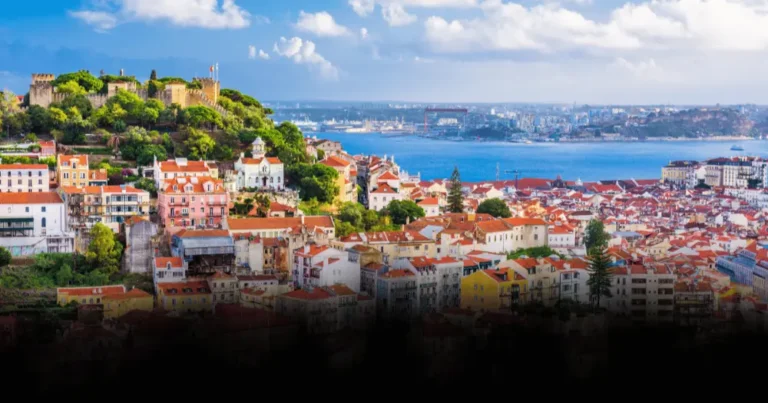
Over a thousand years in Spain and Portugal, from al-Andalus to the expulsions and the Inquisition.
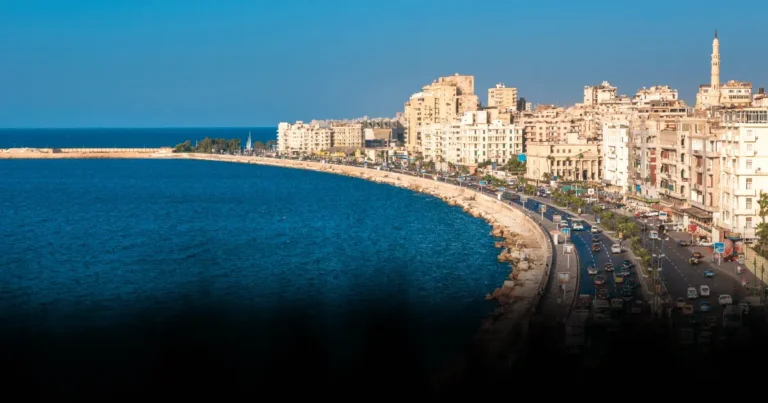
Older Jewish communities that took in the refugees of 1391 and 1492 and adopted their law and liturgy.

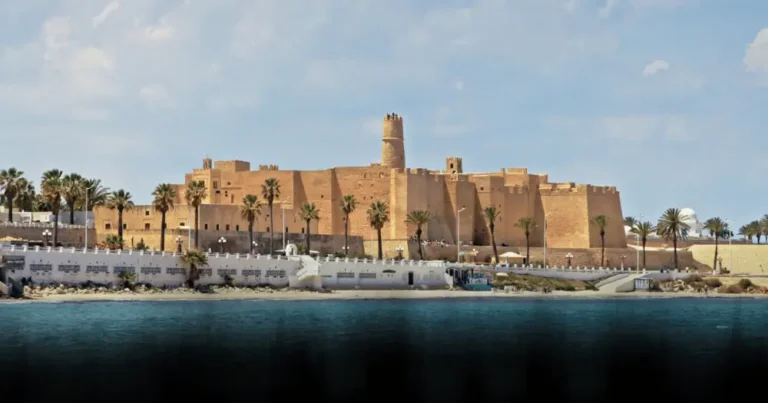

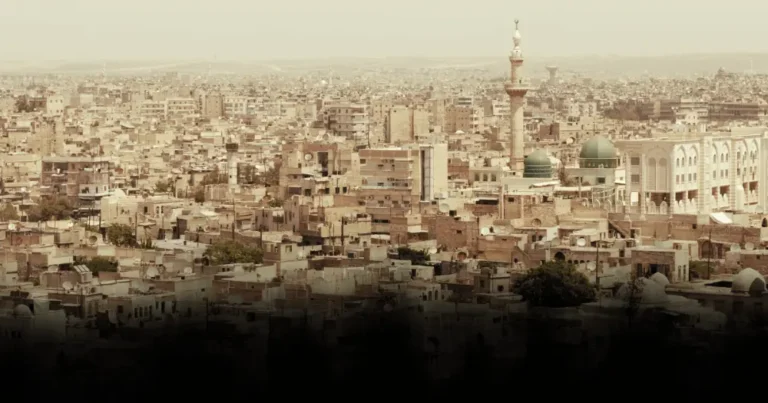
The exiles welcomed by the Ottoman sultans, from Salonica and Istanbul to Sarajevo, Aleppo and Cairo.





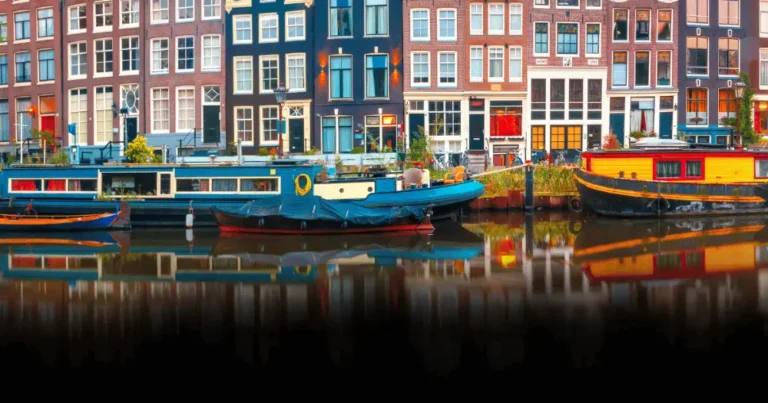
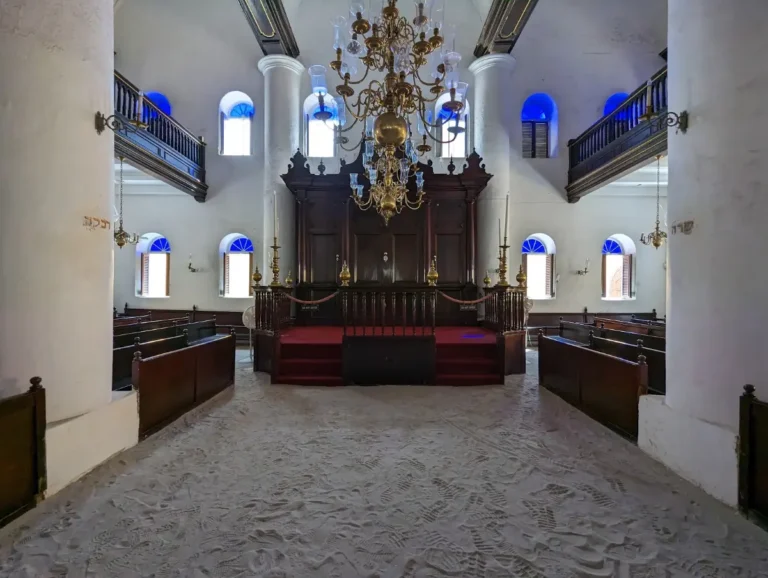
The Portuguese Nation: conversos who returned to Judaism in Amsterdam and London and founded the first synagogues in the Americas.
Sephardi life today in France, home to Europe's largest Jewish community, Gibraltar and Latin America.
Many Jews of Iraq, Iran, Yemen and Central Asia follow Sephardi law and prayer without Iberian ancestry; see Mizrahi communities. Descendants of conversos rediscovering their roots are on the Bnei Anusim page. Italy's Jewish community, with its own ancient rite and many Sephardi families, is under Italian Jews.