Who Are Sephardic Jews?

Discover the history, traditions, and global communities of Sephardic Jews from ancient Spain to today.

✓ 2,000+ Years ✓ 40+ Communities ✓ 300+ Articles ✓ Maps & Timelines ✓ Genealogy ✓ Living Traditions

At a Glance: Who Are Sephardic Jews?

  • Origin: Medieval Spain and Portugal
  • Biblical Name: Sepharad (Obadiah 1:20)
  • Major Migrations: North Africa, Ottoman Empire, Europe, Middle East, Americas
  • Historic Language: Ladino (Judeo-Spanish)
  • Religious Tradition: Sephardic Judaism (Distinct Nusach)
  • Primary Legal Authority: Rabbi Yosef Karo (Shulchan Aruch)
  • Largest Population Today: Israel

Read the full guide below.

What Does "Sephardic" Mean?

Sephardic Jews are descendants of the historic Jewish communities of Spain and Portugal whose traditions spread across North Africa, the Ottoman Empire, Europe, the Middle East, and the Americas following the expulsions of 1492 and 1497. The term derives from Sepharad, a biblical location mentioned in Obadiah 1:20, which medieval commentators and subsequent generations universally anchored to the Iberian Peninsula. Today, Sephardic Jews remain one of Judaism’s major living traditions, preserving distinctive religious practices, languages, liturgical rites, music, cuisine, and communal customs that span more than two millennia of history.

THE SEPHARDIC JOURNEY: FROM JUDEA TO SEPHARAD AND BEYOND

Where Did Sephardic Jews Come From?

The roots of Sephardic Jewry trace deep into antiquity, bridging the ancient Levant and the sun-drenched coasts of Western Europe. While popular folklore often links early arrivals to ancient maritime trade, archaeological and historical evidence confirms that substantial Jewish communities were firmly established in Hispania during the Roman period. Following the Roman destructions of Jerusalem in 70 CE and the suppression of the Bar Kokhba revolt, hundreds of thousands of Jewish captives and voluntary merchants dispersed across the Roman Empire, settling into the bustling maritime provinces of Hispania Tarraconensis, Baetica, and Lusitania. Living alongside Roman colonists, Visigoths, and indigenous Iberians, these early communities established synagogues, cultivated agricultural lands, and integrated into the economic and civic fabric of the peninsula long before the rise of Al-Andalus.

Swipe Map Horizontally to Pan ↔
ATLANTICUM IBERIA WESTERN EUROPE MOROCCO NORTH AFRICA ITALY OTTOMAN EMPIRE MIDDLE EAST CARIBBEAN AMERICAS
Diaspora Genesis

Ancient Israel (Eretz Yisrael)

Following the destruction of Jerusalem and the Second Temple by the Roman Empire in 70 CE, the foundational Jewish exile began. Fleeing families moved westward and northward across the Mediterranean basin, establishing ancient communities in Europe, North Africa, and Mesopotamia, which would lay the groundwork for regional Jewish identity groups.

Wave 1: Ancient Exile Path
Direct seafaring and land passages to Rome, Iberia, Alexandria, and Babylonia.
Wave 2: Subsequent Sephardic Legacy
The physical anchor of Jewish liturgical memory and Zion-focused longing for over 1,900 years.

Explore the Biblical Era →

A Brief History of Sephardic Jews

70 CE – Antiquity & The Roman Era

Iberian Jews' presence in the peninsula takes root following Roman trade routes and the aftermath of Judean exiles..." Alternatively: "The roots of Iberian Jews in the peninsula take hold following Roman trade routes and the aftermath of Judean exiles after the destruction of Jerusalem.

711 CE – The Golden Age of Al-Andalus

Under Islamic rule in medieval Spain, Sephardim culture experiences an intellectual zenith, producing breakthroughs in philosophy, medicine, and poetry led by figures like Maimonides.

1391 CE – Rising Persecution & Conversos

As Christian kingdoms reconquer the peninsula, 1391 pogroms trigger mass forced conversions, giving rise to a complex population of crypto-Jews (*conversos*).

1492 & 1497 CE – The Expulsions

King Ferdinand and Queen Isabella issue the Alhambra Decree, forcing the expulsion of Iberian Jews from Spain, followed by Portugal in 1497.

16th–17th Centuries – Global Dispersion

Exiles scatter across the Ottoman Empire, North Africa, Italy, and Western European hubs like Amsterdam, carrying Ladino and distinct liturgical traditions across Judeo-Spanish communities worldwide..

Mid-20th Century – Demographic Shifts

Geopolitical shifts and mid-century exoduses from Arab and Mediterranean lands lead to major migrations toward Israel, France, and the Americas.

Today – Global Preservation & Rebirth

Millions of Sephardic descendants worldwide actively revitalize their heritage through modern institutions, cultural archives, and digital communities.

Trace the Journey Through Our Interactive Sephardic Timeline

The history of the Sephardic diaspora is not just a single event, but a centuries-long evolution spanning the ancient Roman expulsions, the cultural peaks of Al-Andalus, the trauma of 1492, and the global rebuilding of communities across the Ottoman Empire, Europe, and the Americas. Experience this sweeping historical arc firsthand through our interactive timeline, where you can trace the milestones, migrations, and pivotal turning points that shaped global Sephardic history.

Uncovering Your Sephardic Roots and Ancestral Lineage

Tracing Sephardic ancestry is a deeply rewarding journey that bridges historical archives, family lore, and legal registries. Because thousands of families fled the Iberian Peninsula during the Inquisition, genealogical research often spans centuries and crosses multiple continents—from the ports of Amsterdam and London to the coastal towns of the Ottoman Empire, North Africa, and the Caribbean. Modern researchers can utilize historical inquisitorial records, marriage contracts (ketubot), cemetery registries, and surname indexes to reconnect with their heritage. Furthermore, legislative pathways in Spain and Portugal have historically opened doors for descendants of expelled families seeking to reclaim their ancestral ties through documented genealogical lineages.

Spotlight: Stories Behind Historic Sephardic Sanctuaries

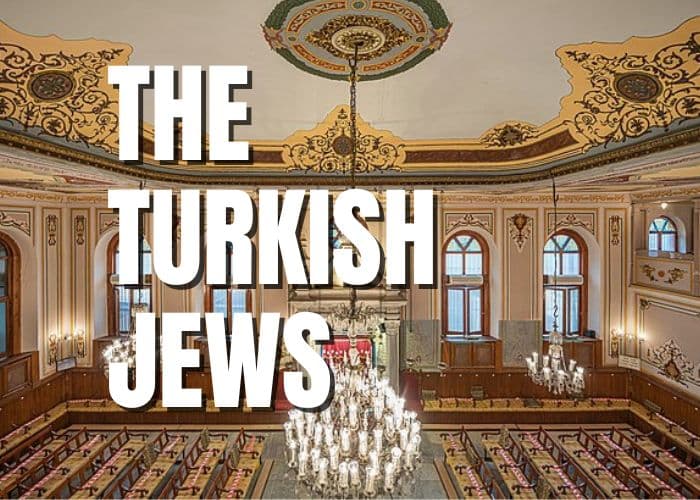
While our Sephardic Synagogue directory covers active communities nationwide, certain historic synagogues stand out as monumental testaments to Sephardic survival, artistry, and liturgical evolution. Dive into our in-depth features exploring the architecture, hidden symbolism, and fascinating histories behind these remarkable houses of worship.

Religious and Liturgical Traditions

Sephardic Jews follow a distinct nusach (prayer rite), which differs from Ashkenazi rites in melody, order, and certain customs. These traditions are strongly influenced by rabbinic authorities such as Rabbi Yosef Karo, author of the Shulchan Aruch, whose codification of Jewish law shaped Sephardic practice worldwide. Holiday observances, Torah chanting, and life-cycle rituals often include unique melodies called piyyutim. To explore more about these customary rites, visit our Sephardic Traditions Hub. Even as communities migrated and adapted, these liturgical traditions remained a unifying feature of Sephardic identity.

Language, Music, and Cultural Heritage

Language is central to Sephardic culture. Many communities historically spoke Ladino (Judeo-Spanish), a blend of medieval Spanish, Hebrew, and local languages. Other groups spoke Judeo-Arabic or unique regional dialects. Music, food, and everyday customs also reflect this rich heritage. Traditional melodies combine Mediterranean, North African, and Iberian influences—listen to traditional expressions and recordings over at our Sephardic Music & Audio Archive—while dishes like couscous, borekas, and sweet pastries connect families to their history. Storytelling, proverbs, and poetry further preserve Sephardic identity.

Sephardic and Mizrahi Communities: Overlap and Distinction

Modern terminology can be confusing. While “Sephardic” originally referred to Iberian-descended Jews, some use it broadly to include Jews from the Middle East and North Africa (Mizrahi).

Sephardic and Mizrahi practices often overlap, particularly in Israel, in areas such as liturgy, music, and communal holidays. Recognizing both distinctions and shared traditions helps preserve the richness of global Jewish culture.

Key Facts About Sephardim

Founded 2,000+ years ago
Biblical Homeland Land of Israel (Sepharad)
Golden Age Spain (900–1200 CE)
Major Language Ladino (Judeo-Spanish)
Primary Diaspora North Africa & Ottoman Empire
Largest Population Today Israel
Primary Legal Code Shulchan Aruch
Traditional Pronunciation Sephardic Hebrew

Explore Major Sephardic Communities

While our Sephardic Synagogue directory covers active communities nationwide, certain historic synagogues stand out as monumental testaments to Sephardic survival, artistry, and liturgical evolution. Dive into our in-depth features exploring the architecture, hidden symbolism, and fascinating histories behind these remarkable houses of worship.

North Africa

  • • Morocco
  • • Algeria
  • • Tunisia
  • • Libya
Read More →

Ottoman Empire

  • • Turkey
  • • Greece
  • • Bulgaria
  • • Bosnia
Read More →

Middle East

  • • Syria
  • • Lebanon
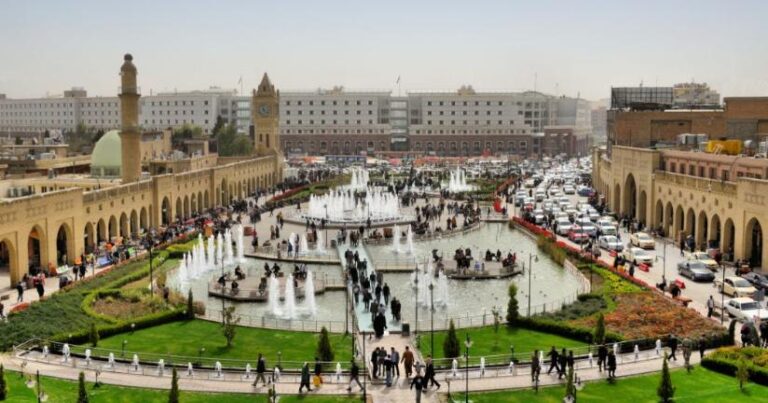
  • • Iraq
  • • Iran
Read More →

Western Sephardim

  • • Amsterdam
  • • London
  • • Curaçao
  • • Jamaica
Read More →

Sephardic vs. Ashkenazi Judaism: Understanding the Traditions

While both Sephardic and Ashkenazi Judaism share core Torah foundations, centuries of geographic separation in different parts of the world led to distinct differences in liturgical rites, linguistic heritage, legal authorities, and cultural customs.

Topic Sephardic Jews Ashkenazi Jews
Primary Geographic Origin Iberian Peninsula (Spain and Portugal), later spreading across North Africa, the Ottoman Empire, and the Mediterranean. Central and Eastern Europe (Germany, Poland, Russia, Ukraine, and the Baltics).
Historic Language Ladino (Judeo-Spanish), Haketia, Judeo-Arabic, and regional Jewish dialects. Yiddish (a Germanic language infused with Hebrew, Aramaic, and Slavic elements).
Prayer Rite (Nusach) Nusach Sephard or distinct community rites (e.g., Moroccan, Spanish-Portuguese), emphasizing musical modes (maqamat). Nusach Ashkenaz or Nusach Ari, with distinct European liturgical melodies.
Primary Halachic Authority Rabbi Yosef Karo, author of the Shulchan Aruch (Code of Jewish Law), with rulings refined by later Sephardic poskim. Rabbi Moses Isserles (the Rema), whose glosses on the Shulchan Aruch adapted normative law for European custom.
Traditional Holiday Foods Rice, legumes, and corn on Passover (kitniyot allowed); staples include borekas, dafina, huevos haminados, and fish dishes. Historically avoided kitniyot on Passover; staples include gefilte fish, kugel, matzo ball soup, and challah.
Liturgical Pronunciation Historically utilized traditional Hebrew pronunciation closer to ancient Semitic standards (distinct ayin and het). Utilized Ashkenazi Hebrew pronunciation (shifting stress and vowel sounds, e.g., Shabbos).
sephardic jewish philosophy Maimonides
Maimonides (Rambam): Philosopher, physician, and codifier of Jewish law.
Rabbi Yosef Karo: Author of the Shulchan Aruch, the definitive code of Jewish law.
Donna Gracia Nasi: Renaissance leader, philanthropist, and defender of Marranos.

Famous Sephardic Figures, Sages, and Leaders

Throughout history, Sephardic scholars, poets, philosophers, and statesmen profoundly shaped Jewish thought, legal codification, and global culture during both the Golden Age of Iberia and the subsequent global diaspora.

Sephardic Jews Around the World Today

Today, the global Sephardic population spans millions worldwide, with major cultural and communal centers established across Israel, France, North America, and Latin America. While demographics shifted dramatically following mid-20th-century exoduses from Arab and Mediterranean lands, modern institutions, synagogues, and educational networks continue to preserve and revitalize Sephardic heritage.

FAQ

Frequently Asked Questions About Sephardic Jews

Sephardic Jews are descendants of the Jewish communities of medieval Spain and Portugal who were expelled during the Inquisition in 1492 and 1497 and settled across North Africa, the Ottoman Empire, Europe, and the Americas.

The term derives from Sepharad, a biblical location mentioned in Obadiah 1:20, which Jewish tradition universally identifies with Spain.

Historically, yes. Ladino (Judeo-Spanish) is the traditional romance language preserved by Sephardic communities after their expulsion from the Iberian Peninsula.

While Sephardic roots trace back to the Iberian Peninsula, centuries of settlement across the Ottoman Empire, North Africa, and the Levant have deeply intertwined Sephardic culture with the Middle East.

They differ primarily in geographic origins, liturgical rites, linguistic heritage (Ladino vs. Yiddish), rabbinic authorities, and traditional customs.

Not historically. Sephardic strictly refers to Iberian exiles, whereas Mizrahi refers to Jews who remained in the Middle East and North Africa. However, in modern Israeli sociology, they are often grouped together due to shared liturgical overlaps.

King Ferdinand and Queen Isabella issued the Alhambra Decree in 1492 to enforce religious and political uniformity under Catholicism, forcing Jews to convert or leave.

Conversos were Jews forced to convert to Catholicism during the Inquisition. Bnei Anusim refers to their modern descendants rediscovering their hidden Jewish heritage.

Rabbi Yosef Karo (Joseph Caro), author of the Shulchan Aruch (Code of Jewish Law), is the supreme legal authority for traditional Sephardic practice.

The largest populations today reside in Israel and France, alongside established communities in the United States, Canada, and Latin America.

Why Sephardic U?

Why Preserve Sephardic Heritage?

For centuries, the story of Sephardic Jewry has been one of resilience across shifting empires, sudden expulsions, and global dispersion. Today, many of our historic communities, oral traditions, and endangered dialects like Ladino face the quiet pressure of assimilation and fading memory. Preserving these unique traditions, documenting historical archives, and safeguarding our ancestral minhagim is more than an academic exercise—it is a vital act of cultural continuity.

At Sephardic U, our mission is to build the definitive digital home for global Sephardic history, genealogy, and living culture. By mapping our migrations, digitizing our sages' works, and connecting descendants to their roots, we ensure that the rich tapestry of Sephardic civilization remains vibrant, accessible, and proud for generations to come.