
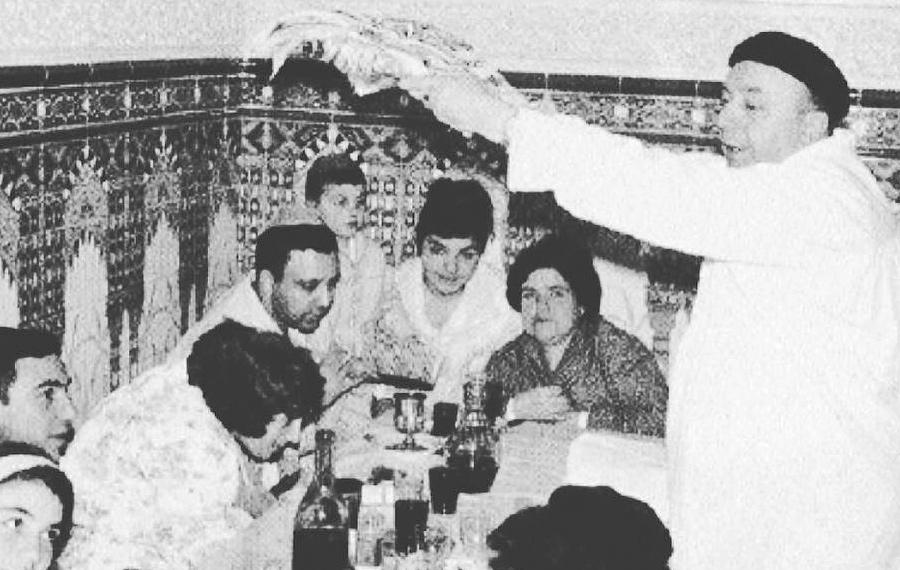
Sephardic and Ashkenazi Jews share the same Torah, the same Talmud and the same commandments. Where they differ is in minhag, custom, and in some rulings of halakha. These differences grew over centuries: Sephardim follow the rulings of Maran, Rabbi Yosef Karo, in the Shulhan Arukh, while Ashkenazim generally follow the glosses of the Rema, Rabbi Moshe Isserles. Sephardic practice also carries the traditions of Spain, North Africa and the Middle East, and the Kabbalah of the Arizal. Modern Sephardi practice owes much to the rulings of Hakham Ovadia Yosef and the Ben Ish Hai.
This guide sets the main differences side by side. To learn about Sephardic practice on its own terms, see our guide to Sephardic Traditions and The Foundations of Sephardic Law and Custom.
Customs vary between communities. When in doubt, follow the practice of your family and ask your rabbi.
- Hol HaMoed: Sephardim do not put on tefillin during the intermediate days of Pesah and Sukkot. Many Ashkenazim do.
- Blessings: Sephardim say one blessing for both the arm and the head tefillin. Ashkenazim say a second blessing over the head tefillin. A Sephardi who speaks between putting on the two says the second blessing.
- Wrapping: Sephardim wind the arm strap outward, away from the body. The knot and the wrapping around the hand also differ from Ashkenazi practice.
- Script: The letters in Sephardic tefillin, mezuzot and Torah scrolls follow the Velish script, closer to printed square Hebrew, while Ashkenazim use the Beit Yosef or Ari script. The letter shin on the head tefillin looks different too.
- Start with Morning Rituals & Prayers, from tallit to tefillin, the Sephardic way.
- Tucked in: Many Sephardim wear the fringes of the tallit katan tucked in, not hanging out.
- Windings: Each winding loops through the one before it. Depending on the community, the windings between the knots follow the pattern 10-5-6-5, the numerical value of God’s Name, or 7-8-11-13, following the Shulhan Arukh.
- Upright: Most Sephardim fix the mezuzah vertically, following Maran. Ashkenazim slant it, following the Rema. The Spanish and Portuguese communities of the West also slant it.
- Step-by-step guide: How to Affix a Mezuzah: A Sephardic and Ashkenazi Guide.
- Pronunciation: Sephardim keep older patterns of Hebrew pronunciation in many prayers, such as Nakdishakh and haGefen.
- Praying aloud: In most Sephardic synagogues the congregation says much of the service aloud together, rather than the hazzan beginning and ending each section while the congregation reads quietly.
- Minha: Many communities begin Minha with Patah Eliyahu, LeShem Yihud and the passages of the daily offering and the incense, before Ashrei.
- Friday evening: Many Sephardim recite Shir HaShirim, the Song of Songs, before Kabbalat Shabbat.
- Morning blessings and Psalms: The order of the morning Psalms differs from Ashkenazi practice and includes additional passages. On Shabbat, Shav’at Aniyim is sung, with melodies that change with the weekly maqam.
- Before the Shema: The second blessing always begins Ahavat Olam, never Ahavah Rabbah.
- Amidah: The Kedushah of Shaharit begins Nakdishakh VeNa’aritzakh, and that of Musaf Keter Yitenu Lekha. Morid HaTal is said in summer, and the blessing for rain has separate summer and winter forms, Barekhenu and Barekh Alenu. The last blessing is Sim Shalom at every service.
- Birkat Kohanim: In most Sephardic communities the Kohanim bless the congregation every day at Shaharit, and at Musaf, even outside the Land of Israel. Ashkenazim outside Israel do so only on festivals. Spanish and Portuguese communities follow the Ashkenazi practice.
- Tahanun: Since the time of the Arizal, most communities include the Viduy and the Thirteen Attributes in the daily Tahanun, and sit upright for Psalm 25 rather than resting the head on the arm.
- Kaddish: The Sephardic Kaddish is longer. Most Sephardim sit for Kaddish unless they were already standing. See Kaddish.
- Endings: Adon Olam and Shalom Aleikhem have extra verses, and the opening verses of Havdalah differ. Many communities say Kol Yisrael before Ein Kelohenu, and the hazzan says Barekhu before Alenu.
- See also Sephardic Bowing Customs and our Sephardic Siddur.
- The tik: In many communities, especially Mizrahi ones, the Torah scroll is kept in a tik, a wooden or metal case, instead of a fabric mantle.
- Hagbaha first: Sephardim lift the Torah and show it to the congregation before the reading. Ashkenazim do so after.
- The tevah: The reading platform stands in the center or at the back of the synagogue. In Middle Eastern communities the Torah is read on a flat tevah, not a slanted table.
- The Hekhal: The ark is called the Hekhal, not the Aron Kodesh.
- Congratulations: After an aliyah, the congregation says Hazak uBarukh, and the one called up answers Hazak VeEmatz. Ashkenazim say Yasher Ko’ah.
- Ten Commandments: Most Sephardim stay seated while the Ten Commandments are read. Western Sephardim in Britain and the Netherlands stand, like Ashkenazim.
- Haftarot: Some haftarot differ from the Ashkenazi readings.
- More: Understanding the Weekday Torah Service and Blessings for the Torah Reading.
- Kitniyot: Most Sephardim eat kitniyot, such as rice and legumes, on Pesah. Ashkenazim do not. See our Sephardic Passover food list.
- Fish and milk: Following the Beit Yosef, many Sephardim do not eat fish with dairy. Ashkenazim generally do.
- Meat: Many Sephardim eat only Beit Yosef meat, which follows a stricter standard for checking the lungs.
- What counts as bread: Sephardic halakha treats sweetened dough, as in many Ashkenazi challot with sugar, raisins or chocolate, as cake rather than bread. Its blessing is Mezonot, not HaMotzi. Ashkenazi hosts may want to keep this in mind for Sephardi guests.
- Full guide: Sephardic Kashrut.
- Selihot: Sephardim say Selihot every morning of Elul, before Shaharit. Ashkenazim begin a few days before Rosh HaShana and usually say them at night. See Selichot.
- Greeting: Before Rosh HaShana, Sephardim wish each other Tizku LeShanim Rabot and answer Ne’imot VeTovot.
- Kapparot: Maran wrote that the custom of kapparot should be avoided, and Spanish and Portuguese communities do not practice it. Many other Sephardic communities took it on under the influence of the Arizal.
- Hanukkah: Most Sephardim light one hanukkiyah for the whole household, while in Ashkenazi homes each person often lights. See Sephardic Hanukkah Halakhot.
- Pesah: Sephardim say the blessing over wine only for the first and third of the four cups, and arrange the Seder plate in the Arizal’s order. See Why Are Sephardic Seders Different?
- The Omer: Following Maran, Sephardim do not cut their hair until the morning of the 34th day of the Omer, while Ashkenazim generally may on Lag BaOmer itself. See Counting the Omer.
- Sukkot: The order of the na’anuim, the waving of the four species, differs. See How to Shake the Lulav and Etrog.
- Nahala: Sephardim call the anniversary of a death a nahala (or meldado, among Judeo-Spanish communities). Ashkenazim use the Yiddish word yahrzeit.
- Comfort: The Sephardic words of comfort to mourners are Min HaShamayim Tenuhamu, “May you be comforted from Heaven.”
- Adar in a leap year: For a death in Adar, most Sephardim mark the nahala in Adar II in a leap year. Ashkenazi practice is Adar I, or both.
- Our guides to Shiva, Avelut and the Azkara explain Sephardic mourning step by step.
- Hashkavah: The Sephardic memorial prayer, the Hashkavah, serves the role of the Ashkenazi Yizkor, and is said for the departed throughout the year.
- Honor a loved one on our Memorial Wall.
- Naming after the living: Sephardim often name children after living grandparents, a great honor. Ashkenazim traditionally name only after relatives who have died.
- More on family life: Sephardic vs Ashkenazi Parenting Differences and Baby Naming.
These differences are a sign of the richness of Jewish tradition, not division. Both Sephardim and Ashkenazim are keeping faith with the customs of their ancestors. Explore Sephardic practice in depth in Sephardic Traditions, or see how it all fits together in The Foundations of Sephardic Law and Custom.